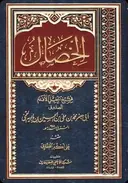
al-Khiṣāl is a unique work in the realm of Shīʿī Ḥadīths. Authored by Shaykh al-Ṣadūq, the book focuses on exploring traditions by categorising them on the basis of the numbers mentioned in the traditions, which is similar to what can be found in the book al-Maḥāsin for al-Barqī. Each section of the book is dedicated to a specific number, starting from one and extending up to one million. In the course of gathering these Ḥadīths, one will find traditions dealing with history, doctrine, ethics, jurisprudence and a large variety of genres.
A könyvek leírása és a hadíthok fordítása angol nyelvű (forrás: Thaqalayn.net). Az arab eredeti minden hadíth mellett szerepel.
Introduction
بسم الله الرحمن الرحيم الحمد لله الذي توحد بالوحدانية، وتفرد بالالهية، وفطر العباد على معرفته وكل الالسن عن صفته، وحجب الابصار عن رؤيته، الذي علا عن صفات المخلوقين وجل عن معاني المحدودين، فلا مثل له في الخلائق أجمعين، ولا إله غيره لجميع العالمين وأشهد أن لا إله إلا الله وحده لا شريك له، شهادة مقر بتوحيده، راغب في كرامته، تائب من ذنوبه وأشهد أن محمدا عبده ورسوله، اصطفاه برسالته، وأودعه معالم دينه، وبعثه بكتابه حجة على عباده وأشهد أن علي بن أبي طالب وصيه وخير الخلق بعده، والقائم بأمره، والداعي إلى سبيله، وأنه أمير المؤمنين، وسيد الوصيين، وأولى الناس بالنبيين، وأن زوجته فاطمة الزهراء سيدة نساء العالمين، وأن الحسن والحسين والائمة [التسعة] من ولده أئمة الهدى، وأعلام التقى، وحجج الله على أهل الدنيا، وأشهد أن من تبعهم نجا، ومن تخلف عنهم هلك، صلوات الله عليهم وعلى أرواحهم وأجسادهم ورحمة الله وبركاته أما بعد فإني وجدت مشايخي وأسلافي - رحمة الله عليهم - قد صنفوا في فنون العلم كتبا وأغفلوا عن تصنيف كتاب يشتمل على الاعداد والخصال المحمودة، والمذمومة، ووجدت في تصنيفه نفعا كثيرا لطالب العلم، والراغب في الخير فتقربت إلى الله جل اسمه بتصنيف هذا الكتاب، طالبا لثوابه، وراغبا في الفوز برحمته، وأرجو أن لا يخيبني فيما أملته ورجوته منه بتطوله ومنه، إنه على كل شيء قدير
In the Name of God, Most Gracious, Most Merciful, Praise be to God, who is the Only in terms of Unity, and is singular in Divinity. He has created the servants using His Knowledge. The tongues are dull to describe Him, and the eyes are veiled from seeing Him. It is He who is higher than the characteristics of the creatures. And He is superior to limited concepts. There is no similitude for Him among all the creatures. And there is no god for all the people other than Him. And I witness that there is no god but God - the Only, and there is no partner for Him - being a witness confessing to His Unity; inclined towards His Grace; repenting from his sins. And I witness that Muhammad is His servant and His Messenger - appointed by Him to His Prophethood, and He has entrusted him with the principle features of His religion. He has appointed him with His Book to be a proof for His servants. And I witness that Ali the son of Abi Talib is his Testamentary Trustee. He is the best of the people after him. He is in charge of his affairs. And he is a summoner to his way. And he is the Commander of the Faithful. And he is the master of the Testamentary Trustees. And he is the person of the highest priority to the Prophets. And I witness that his wife Fatimah Az-Zahra is the master of all the women in the world. And that Al-Hassan, al-Hussein and the Imams who are his offspring are the leaders to guidance . They are signs of piety and the proofs of God to all the people of the world. And I witness that whoever follows them shall be saved, and whoever disobeys them shall be ruined. May God’s Blessings and His Mercy be upon them, their souls and their bodies. Moreover, I noticed that the previous Sheikhs and scholars have already authored books on various aspects of knowledge. However, they have neglected to author a book on numbers, and good and bad characteristics. Since this topic is very useful for those who seek knowledge, I decided to compile this book in order to get closer to God, attain Divine rewards, prosperity and the Almighty God’s Mercy. I ask God not to make me hopeless since He has power over all things.
Part 1: On One-Numbered Characteristics
God is One and Only
1-1 حدثنا أبوالعباس محمد بن إبراهيم بن أسحاق الطالقاني رضي الله تعالى عنه قال: حدثنا محمد بن سعيد بن يحيى البزوري، قال: حدثنا إبراهيم بن الهيثم البلدي، قال: حدثنا أبي، عن المعافى بن عمران، عن إسرائيل، عن المقدام بن شريح بن هانئ، عن أبيه قال: إن أعرابيا قام يوم الجمل إلى أمير المؤمنين عليه السلام فقال: يا أمير المؤمنين أتقول: إن الله واحد؟ قال: فحمل الناس عليه، وقالوا: يا أعرابي أما ترى ما فيه أمير المؤمنين من تقسم القلب؟ فقال أمير المؤمنين عليه السلام: دعوه فإن الذي يريده الاعرابي هو الذي نريده من القوم، ثم قال: يا أعرابي إن القول في أن الله واحد على أربعة أقسام، فوجهان منها لا يجوزان على الله عز وجل ووجهان يثبتان فيه، فأما اللذان لا يجوزان عليه فقول القائل: "واحد" يقصد به باب الاعداد، فهذا ما لا يجوز لان ما لا ثاني له لا يدخل في باب الاعداد، أما ترى أنه كفر من قال: "إنه ثالث ثلاثة". وقول القائل: "هو واحد من الناس" يريد به النوع من الجنس، فهذا ما لا يجوز لانه تشبيه، وجل ربنا وتعالى عن ذلك. وأما الوجهان اللذان يثبتان فيه فقول القائل "هو واحد ليس له في الاشياء شبه" كذلك ربنا، وقول القائل: إنه عز وجل أحدي المعنى، يعني به أنه لا ينقسم في وجود ولا عقل ولا وهم، كذلك ربنا عز وجل
1-1 Abul Abbas Muhammad ibn Ibrahim ibn Ishaq al-Taleqani - may God be pleased with him - narrated that Muhammad ibn Sa’id ibn Yahya al-Bazury quoted on the authority of Ibrahim ibn al-Haysam al-Baladi, on the authority of his father, on the authority of Al-Muafi ibn Imran, on the authority of Israel, on the authority of Al-Miqdam ibn Sharik ibn Hani, on the authority of his father, “A Bedouin (Arab) stood near the Commander of the Faithful Imam Ali (MGB) on the day of the Battle of Jamal and asked, ‘O Commander of the Faithful! Do you say that God is One?’ The people rushed unto him and said, ‘O Bedouin! Don’t you see the condition of the Commander of the Faithful (MGB)? His mind is busy with several matters. It is not the time to ask such questions.’ The Commander of the Faithful (MGB) said, ‘Leave him alone. This Bedouin wants just what we want from this tribe.’ The Imam (MGB) then said, ‘O Bedouin! There are four meanings implied for ‘God is One.’ Two of these implications are not proper for God the Almighty, while the other two hold true. The two implications that are not proper are:1- To say that ‘He is One’ in the sense of counting in numbers. This is not proper since what has no second cannot be counted in numbers. Don’t you see that whoever says ’God is the third of the three’ is an infidel.2- To say that ‘He is One’ to imply that He is one of the people implicitly saying that He is of a type of gender. This is not proper either since it is a form of comparison while our Lord the Sublime is too great to make this (comparison).However, the two implied meanings that hold true are:3- To say that ‘He is One’ to imply that He is One and there exists nothing similar to Him. Our Lord is like this.4- To say that ‘He is One’ to imply that He, the Exalted the Sublime, is essentially One. He is not divisible in the outside world, in the mind, or in the imagination. Our Lord, the Exalted the Sublime is like this.’”
Part 1: On One-Numbered Characteristics
Abandoning the Present to Attain the Promised
1-2 حدثنا أبي رضي الله عنه قال: حدثنا سعد بن عبد الله، عن أحمد بن محمد بن عيسى، عن أبيه، عن عبد الله بن المغيرة، عن إسماعيل بن مسلم السكوني، عن الصادق جعفر بن محمد، عن أبيه، عن آبائه، عن علي عليهم السلام قال: قال رسول الله صلى الله عليه وآله:"طوبى لمن ترك شهوة حاضرة لموعود لم يره ."
1-2 (The compiler of the book narrated) narrated that his father – may God be pleased with him - narrated that Sa’ed ibn Abdullah quoted on the authority of Ahmad ibn Muhammad ibn Isa, on the authority of his father, on the authority of Abdullah ibn al-Muqayrih, on the authority of Isma’il ibn Muslim al-Sakoony, on the authority of As-Sadiq Ja’far ibn Muhammad (MGB), on the authority of his father, on the authority of his forefathers, on the authority of Ali (MGB) that God’s Prophet (MGB) said, “Blessed be the one who abandons the present lust to attain the unseen promised reward.”
Part 1: On One-Numbered Characteristics
Oppressive Characteristics
1-3 حدثنا أبي رضي الله عنه قال: حدثنا محمد بن يحيى العطار، عن محمد بن عبدالجبار، عن محمد بن إسماعيل بن بزيع، عن هشام بن سالم، عن أبي عبد الله عليه السلام قال: من الجور قول الراكب للراجل: الطريق
1-3 (The compiler of the book narrated) that his father - may God be pleased with him - narrated that Muhammad ibn Yahya al-Attar quoted on the authority of Muhammad ibn al-Jab’bar, on the authority of Muhammad ibn Isma’il ibn Bazi’a, on the authority of Hisham ibn Salim, on the authority of Aba Abdullah as-Sadiq (as), “It is one of the oppressive characteristics when one who is riding forcefully takes the right of way of pedestrians.”
Part 1: On One-Numbered Characteristics
Characteristics Rooted in Love for Religion
1-4 حدثنا أبي رضي الله عنه قال: حدثني محمد بن أحمد بن علي بن الصلت، عن أحمد بن محمد بن خالد، عن أبيه، عن حماد بن عيسى، عن ربعي بن عبد الله، عن فضيل ابن يسار، عن أبي عبد الله عليه السلام قال: من حب الرجل دينه حبه إخوانه
1-4 (The compiler of the book narrated) that his father - may God be pleased with him - narrated that Muhammad ibn Ahmad ibn Ali ibn al-Salt quoted on the authority of Ahmad ibn Muhammad ibn Khalid, on the authority of his father, on the authority of Hammad ibn Isa, on the authority of Rub’ay ibn Abdullah, on the authority of Fuzayl ibn Yasar that Aba Abdullah as-Sadiq (MGB) said, “The love of a man for his brethren is due to his love for religion.”
Part 1: On One-Numbered Characteristics
One Characteristic for Five Characteristics
1-5 حدثنا محمد بن الحسن بن أحمد بن الوليد رضي الله عنه قال: حدثنا محمد ابن الحسن الصفار، عن أحمد بن محمد بن عيسى، عن الحسن بن علي بن فضال، عن عاصم بن حميد، عن أبي عبيدة الحذاء، عن أبي جعفر عليه السلام قال: إن الله عز وجل يقول: بجلالي وجمالي وبهائي وعلائي وارتفاعي لا يؤثر عبد هواي على هواه إلا جعلت غناه في نفسه، وهمه في آخرته، وكففت عنه ضيعته وضمنت السماوات والارض رزقه، وكنت له من وراء تجارة كل تاجر
1-5 Muhammad ibn al-Hassan ibn Ahmad ibn al-Walid - may God be pleased with him - narrated that Muhammad ibn al-Hassan al-Saffar quoted on the authority of Ahmad ibn Muhammad ibn Isa, on the authority of Al-Hassan ibn Ali ibn Faz’zal, on the authority of Asim ibn Hamid, on the authority of Abi Ubaydat al-Haza’a that Abu Ja’far al-Baqir (MGB) narrated that God the Exalted the Sublime says, “I swear by My Honor, Beauty, Magnificence, Loftiness that I shall make anyone needless who chooses Me over his selfish desires. I will make him attend to the affairs of his Hereafter. I will protect him from getting ruined. I will establish the heavens and the Earth as guarantees for his share of daily bread. Moreover, I will be far superior to the business of all the businessmen for him.”
Part 1: On One-Numbered Characteristics
A Characteristic for a Characteristic
1-6 حدثنا أحمد بن محمد بن يحيى العطار رضي الله عنه قال: حدثني أبي، عن عبد الله بن محمد بن عيسى، عن أبيه، عن عبد الله بن المغيرة، عن إسماعيل بن أبي زياد السكوني، عن جعفر بن محمد، عن أبيه، عن آبائه، عن علي عليهم السلام قال: قال رسول الله صلى الله عليه وآله من طلب رضى الناس بسخط الله جعل الله حامده من الناس ذاما
1-6 Ahmad ibn Muhammad ibn Yahya al-Attar - may God be pleased with him - narrated that his father quoted on the authority of Abdullah ibn Muhammad ibn Isa, on the authority of his father, on the authority of Abdullah ibn al-Muqayrih, on the authority of Isma’il ibn Abi Zyad al-Sakoony, on the authority of Ja’far ibn Muhammad as-Sadiq (MGB), on the authority of his father Al-Baqir (MGB), on the authority of his forefathers, on the authority of Ali (MGB) that God’s Prophet (MGB) said, “If one praises the people but raises God’s Wrath, then God will make the people who praise him to blame him.”
1-7 حدثنا محمد بن موسى بن المتوكل رضي الله عنه قال: حدثنا محمد بن يحيى العطار، عن الحسين بن إسحاق التاجر، عن علي بن مهزيار، عن فضالة بن أيوب، عن إسماعيل بن أبي زياد، عن أبي عبد الله جعفر بن محمد، عن آبائه، عن علي عليهم السلام قال: قال رسول الله صلى الله عليه وآله: من تمنى شيئا وهو لله عز وجل رضى لم يخرج من الدنيا حتى يعطاه
1-7 Muhammad ibn Musa ibn al-Mutevakil - may God be pleased with him - narrated that Muhammad ibn Yahya al-Attar quoted on the authority of Al-Hussein ibn Ishaq al-Tajir, on the authority of Ali ibn Mahzyar, on the authority of Fuzalat ibn Ayoob, on the authority of Isma’il ibn Abi Zyad , on the authority of Aba Abdullah - Ja’far ibn Muhammad as-Sadiq (MGB), on the authority of his forefathers, on the authority of Ali (MGB) that God’s Prophet (MGB) said, “If one wants something and the Almighty God is pleased with him, then God will not take him out of this world until He grants it to him.”
Part 1: On One-Numbered Characteristics
A Saving Characteristic
1-8 حدثنا محمد بن الحسن بن أحمد بن الوليد رضي الله عنه قال: حدثنا سعد ابن عبد الله، عن محمد بن الحسين بن أبي الخطاب، عن علي بن النعمان بإسناده يرفعه إلى النبي صلى الله عليه وآله قال: قال الله تبارك وتعالى: يا ابن آدم أطعني فيما أمرتك ولا تعلمني ما يصلحك
1-8 Muhammad ibn al-Hassan ibn Ahmad ibn al-Walid - may God be pleased with him - narrated that Sa’ed ibn Abdullah quoted on the authority of Muhammad ibn al-Hussein ibn Abil Khat’tab, on the authority of Ali ibn An-Nue’man who quoted through a chain of narrators that the Prophet (MGB) said, “God the Exalted the Sublime said, ‘O Children of Adam! Obey Me in what I order you to do, and do not teach Me what is best for you.’”
Part 1: On One-Numbered Characteristics
The Loftiest Characteristic of the Religion
1-9 حدثنا أبي رضي الله عنه قال: حدثني علي بن إبراهيم بن هاشم، عن أبيه، عن عبد الله بن ميمون، عن جعفر بن محمد، عن أبيه، عن آبائه، عن علي عليهم السلام قال: قال رسول الله صلى الله عليه وآله: فضل العلم أحب إلى الله عز وجل من فضل العبادة، وأفضل دينكم الورع
1-9 (The compiler of the book narrated) that his father - may God be pleased with him - narrated that Ali ibn Ibrahim ibn Hashim quoted on the authority of his father, on the authority of Abdullah ibn Maymun , on the authority of Ja’far ibn Muhammad, on the authority of his father, on the authority of his forefathers, on the authority of Ali (MGB) that God’s Prophet (MGB) said, “God loves the loftiness of knowledge more than the loftiness of worshipping Him. Moreover, the loftiest characteristic in your religion is piety.”