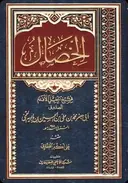
Part 7: On Seven-Numbered Characteristics
On What Has Been Said About Saturdays
7-101 حدثنا أبي رضي الله عنه قال: حدثنا سعد بن عبد الله، عن يعقوب بن يزيد، عن محمد بن أبي عمير، عن غير واحد، عن أبي عبد الله عليه السلام قال: السبت لنا، والاحد لشيعتنا، والاثنين لاعدائنا، والثلثاء لبني امية، والاربعاء يوم شرب الدواء، والخميس تقضى فيه الحوائج، والجمعة للتنظف والتطيب، وهو عيد المسلمين وهو أفضل من الفطر والاضحى، ويوم الغدير أفضل الاعياد، وهو ثامن عشر من ذي الحجة وكان يوم الجمعة، ويخرج قائمنا أهل البيت يوم الجمعة، ويقوم القيامة يوم الجمعة، وما من عمل يوم الجمعة أفضل من الصلاة على محمد وآله
7-101 (The compiler of the book narrated) that his father - may God be pleased with him - narrated that Sa’ed ibn Abdullah quoted Yaqoob ibn Yazid, on the authority of Muhammad ibn Abi Umayr, on the authority of some other people that Aba Abdullah as-Sadiq (MGB) said, “Saturdays are for us. Sundays are for our followers. Mondays are for our enemies. Tuesdays are for the Umayyads. Wednesdays are the days for taking medicine. Thursdays are for taking care of your needs. Fridays are for leaning up and putting on perfume. Fridays are the holidays for the Muslims. They are even better than the Eid ul-Fitr and Eid ul-Azha. The Day of Eid ul-Qadir is the noblest of the holidays. It is on the eighteenth day of the month of Dhul-Hijja. Our Riser (MGB) - the Riser (MGB) from the Members of the Holy Household - will rise on a Friday. The Resurrection Day will be on a Friday. No deeds are better on Fridays than sending God’s Blessings upon Muhammad (MGB) and his Household.”
Part 7: On Seven-Numbered Characteristics
Do Not Be Hostile With the Days So That They Are Not Hostile With You
7-10 2 حدثنا محمد بن موسى بن المتوكل رضي الله عنه قال: حدثنا علي بن ابراهيم بن هاشم قال: حدثنا عبد الله بن أحمد الموصلي، عن الصقر بن أبي دلف الكرخي قال: لما حمل المتوكل سيدنا أباالحسن العسكري عليه السلام جئت أسأل عن خبره قال: فنظر إلي الرازقي وكان حاجبا للمتوكل فامر أن ادخل إليه فادخلت إليه فقال: يا صقر ماشأنك؟ فقلت: خير أيها الاستاد، فقال: اقعد فأخذني ما تقدم وما تأخر وقلت: أخطأت في المجيء. قال: فوحى الناس عنه ثم قال لي: مـا شأنـك،وفيم جئت؟ قلت: لخير ما فقال: لعلك تسأل عن خبر مولاك؟ فقلت له: ومن مولاي؟ مولاي أمير المؤمنين فقال: أسكت مولاك هو الحق فلا تحتشمني فإني على مذهبك، فقلت: الحمد لله قال: أتحب أن تراه؟ قلت: نعم، قال: اجلس حتى يخرج صاحب البريد من عنده قال: فجلست فلما خرج، قال لغلام له: خذ بيد الصقر وأدخله إلى الحجرة التي فيها العلوي المحبوس وخل بينه وبينه قال: فأدخلني إلى الحجرة [التي فيه العلوي] فأومأ إلى بيت فدخلت فإذا عليه السلام جالس على صدر حصير وبحذاه قبر محفور، قال: فسلمت فرد، ثم أمرني بالجلوس، ثم قال لي:يا صقر ما أتي بك؟ قلت: ياسيدي جئت أتعرف خبرك؟ قال: ثم نظرت إلى القبر فبكيت، فنظر إلي فقال: يا صقر لا عليك لن يصلوا إلينا بسوء الآن، فقلت: الحمدلله، ثم قلت: ياسيدي حديث يروي عن النبي صلى الله عليه وآله لاأعرف معناه، قال: وما هو؟ فقلت: قوله: "لاتعادوا الايام فتعاديكم" ما معناه؟فقال: نعم الايام نحن ما قامت السماوات والارض فالسبت اسم رسول الله صلى الله عليه وآله، والاحد كناية عن أمير المؤمنين عليه السلام، والاثنين الحسن والحسين والثلثاء علي بن الحسين ومحمد ابن علي وجعفر بن محمد، والاربعاء موسى بن جعفر وعلي بن موسى ومحمد بن علي وأنا، والخميس ابني الحسن بن علي، والجمعة ابن ابني وإليه تجتمع عصابة الحق وهو الذي يملاها قسطا وعدلا كما ملئت ظلما وجورا، فهذا معنى الايام فلا تعادوهم في الدنيا فيعادوكم في الآخرة، ثم قال عليه السلام: ودع واخرج فلا آمن عليكقال مصنف هذا الكتاب رضي الله عنه: الايام ليست بأئمة ولكن كنى بها عليه السلام عن الائمة لئلا يدرك معناه غير أهل الحق كما كنى الله عز وجل بالتين والزيتون وطور سينين وهذا لبلد الامين عن النبـي صـلى الله عليـه وآلـه وعليوالحسن والحسين عليهم السلام وكما كنى عز وجل بالنعاج عن النساء على قول من روى ذلك في قصة داود والخمصين، وكما كنى بالسير في الارض عن النظر في القرآن، سئل الصادق عليه السلام عن قول الله عز وجل: "أَوَلَمْ يَسِيرُوا فِي الْأَرْضِ" قال: معناه أولم ينظروا في القرآن. وكما كنى عز وجل بالسر عن النكاح في قوله عز وجل: "وَلَكِنْ لاَ تُوَاعِدُوهُنَّ سِرًّا" وكما كنى عز وجل بأكل الطعام عن التغوط فقال في عيس وامه: "كَانَا يَأْكُلاَنِ الطَّعَامَ" ومعناه أنهما كانا يتغوطان، وكما كنى بالنحل عن رسول الله صلى الله عليه وآله في قوله "وَأَوْحَى رَبُّكَ إِلَى النَّحْل" ومثل هذا كثير
7-102 Muhammad ibn Musa ibn al-Mutevakil - may God be pleased with him - narrated that Ali ibn Ibrahim ibn Hashim quoted Abdullah ibn Ahmad al-Mooseli, on the authority of Al-Seqr ibn Abi Delph al-Kurkhi, “When al-Mutevakil arrested our master Abal-Hassan Al-Askari (MGB) and sent him to jail, I went to find out some things about him. Razeqi who was the gate-keeper for Al-Mutevakil looked at me and ordered that I be taken to his presence. Once I entered, he asked me, ‘O Seqr! What do you want?’ I said, ‘Sir. It is good!’ He said, ‘Be seated!’ I told myself that I had made a mistake and was going to be captured, too. Once the others present left and when he found some time he looked at me and said, ‘How are you doing? What do you want here?’ I said, ‘I have come for a good deed.’ Hesaid, ‘Perhaps you have come to ask about the news of your master?’ Then I said, ‘Who is my master? My master the Commander of the Faithful (Referring to Al-Mutevakil.)’ Then he said, ‘Be quiet! Your master is the one who is rightful! Do not be afraid of me. I follow the same beliefs as you do.’ Then I said, ‘Thanks God!’ He said, ‘Do you wish to see him?’ He said, ‘Then be seated until the postman leaves him.’ Then I sat down and waited until the postman left him. Then he told his servant, ‘Take Seqr’s hand and guide him to the room in which that Alavite is imprisoned and leave them alone.’ The servant took me to the jail and showed me the room. When I entered the room, I saw that the Imam (MGB) was sitting on a piece of straw mat with a dug up grave in front of him. I greeted and the Imam (MGB) responded and asked me to sit down. I sat down. The Imam (MGB) said, ‘O Seqr! Why have you come here?’ I said, ‘O my Master! I have come here to get some news about you.’ I looked at the grave and cried. The Imam (MGB) looked at me and said, ‘O Seqr! Do not worry! They cannot mistreat me now.’ I said, ‘Praise be to God!’ Then I added, ‘There is a narration on the authority of the Prophet (MGB), the meaning of which I cannot understand.’ The Imam (MGB) asked, ‘Which one?’ I said, ‘The one in which he (MGB) said, ‘Do not be enemies with the days so that they do not be your enemies.’ The Imam (MGB) said, ‘We are the days and we shall be for as long as the heavens and the Earth are there! Sunday refers to the Commander of the Faithful Imam Ali (MGB). Monday refers to Al-Hassan (MGB) and Al-Hussein (MGB). Tuesday refers to Ali ibn al-Hussein as-Sajjad (MGB), Muhammad ibn Ali al-Baqir (MGB) and Ja’far ibn Muhammad as-Sadiq (MGB). Wednesday refers to Musa ibn Ja’far al-Kadhim (MGB), Ali ibn Musa al-Ridha (MGB), Muhammad ibn Ali al-Jawad (MGB), and I. Thursday refers to my son Al-Hassan ibn Ali (MGB) and Friday refers to my grandson who shall gather all the followers of the truth together as a single party and fill the Earth with justice after it has become full of oppression. This is what ‘days’ refers to. Do not be our enemies so that we may not be your enemies in the Hereafter!’The he (MGB) said, ‘Say goodbye and leave. You are not secure here.’”The compiler of the book - may God be pleased with him - said, “The days of the week are not really the same as the Divine Leaders. Here the Prophet (MGB) has used it as a symbolic reference to the Divine Leaders just as the Imam (MGB) said so that those who are not on the right path do not understand it. This is similar to the use of ‘By the Fig and the Olive, And the Mount of Sinai, And this City of security’ by the Honorable the Exalted God in reference to the Prophet (MGB), Ali (MGB), Al-Hassan (MGB) and Al-Hussein (MGB). This is similar to when the Honorable theExalted God used ‘sheep’ in reference to ‘women’ as supported by some interpreters in the story of David and the two who went to see him. This is also similar to the use of ‘travel through the Earth’ in the Quran. As-Sadiq (MGB) was asked about the following words of the Honorable the Exalted God, ‘Do they not travel through the Earth?’ He (MGB) replied, ‘What is meant is would you not delve into the meaning of the Quran as in the following verse the Honorable the Exalted God has used ‘a secret covenant’ to refer to having sex, ‘But do not make a secret contract with them’ or used ‘to eat’ to refer to having to go to the toilet in ‘They had both to eat their (daily) food’ when referring to Jesus (MGB) and his mother Mary (MGB) or used ‘the Bee’ in ‘And thy Lord taught the Bee’ to refer to the Prophet (MGB). There are many similar instances.”
Part 7: On Seven-Numbered Characteristics
Adam and Eve Were in Paradise for Seven Hours
7-10 3 حدثنا أبي، ومحمد بن الحسن رضي الله عنهما قالا: حدثنا سعد بن عبد الله وعبد الله بن جعفر الحميري قالا: حدثنا أحمد بن محمد بن عيسى، وأحمد بن أبي عبد الله البرقي، ومحمد بن الحسين بن أبي الخطاب قالوا: حدثنا الحسن بن محبوب، عن محمد ابن إسحاق، عن أبي جعفر محمد بن علي، عن آبائه، عن على عليهم السلام عن رسول الله صلى الله عليه وآله قال: إنما كان لبث آدم وحواء في الجنة حتى اخرجا منها سبع ساعات من أيام الدنيا حتى أهبطهما الله من يومهما ذلك
7-103 (The compiler of the book narrated) that his father and Muhammad ibn al-Hassan - may God be pleased with them - narrated that Sa’ed ibn Abdullah and Abdullah ibn Ja’far al-Homayry quoted on the authority of Ahmad ibn Muhammad ibn Isa, Ahmad ibn Aba Abdullah al-Barqy and Muhammad ibn al-Hussein ibn Abil-Khat’tab, on the authority of Al-Hassan ibn Mahboob, on the authority of Muhammad ibn Ishaq, on the authority of Abi Ja’far Muhammad ibn Ali al-Baqir (MGB), on the authority of his forefathers (MGB), on the authority of Ali (MGB) that God’s Prophet (MGB) said, “Adam and Eve dwelled in Paradise for seven hours according to our time before God sent them down to the Earth on that very same day.”
Part 7: On Seven-Numbered Characteristics
There Are Seven Characteristics In a Shiite
7-104 حدثنا محمد بن الحسن بن أحمد بن الوليد رضي الله عنه قال: حدثنا محمد ابن الحسن الصفار قال: حدثنا العباس بن معروف، عن الحسن بن علي بن فضال، عن ظريف بن ناصح، عن عمرو بن أبي المقدام، عن محمدبن على عليهما السلام قال: إنما كانت شيعة علي المتباذلون في ولايتنا، والمتحابون في مودتنا، المتزاورون لاحياء أمرنا إن غضبوا لم يظلموا، وأن رضوا لم يسرفوا بركة لمن جاوروا، سلم لمن خالطوا. وقد أخرجت مارويته في هذا المعنى في كتاب صفات الشيعة
7-104 Muhammad ibn al-Hassan ibn Ahmad ibn al-Walid - may God be pleased with him - narrated that Muhammad ibn al-Hassan al-Saffar quoted Al-Abbas ibn Ma’ruf, on the authority of Al-Hassan ibn Ali ibn Faz’zal, on the authority of Zarif ibn Nasih, on the authority of Amr ibn Abil Miqdam that Muhammad ibn Ali al-Baqir (MGB) said, “Indeed our followers are those who sacrifice their lives for loving us; become friends with each other due to loving us; visit each other to revive our traditions; do not oppress anyone if they get angry; do not go beyond bounds if they like some thing; do not waste; are blessings for their neighbors; and are a source of peace and comfort for those with whom they associate.”I have explained this in more detail in Sifat ul-Shia.
Part 7: On Seven-Numbered Characteristics
The Prophet Cursed Abu Sufyan On Seven Occasions
7-10 5 حدثنا علي بن أحمد بن موسى رضي الله عنه قال: حدثنا محمد بن موسى الدقاق قال: حدثنا أحمد بن محمد بن داود الحنظلي قال: حدثنا الحسين بن عبد اللهالجعفي، عن حكم بن مسكين قال: حدثنا أبوالجارود، عن أبي الطفيل عامر بن واثلة قال: إن رسول لله صلى الله عليه وآله لعن أباسفيان في سبعة مواطن في كلهن لا يستطيع إلا أن يلعنهأولهن يوم لعنه الله ورسوله وهو خارج من مكة إلى المدينة مهاجرا وأبوسفيان جائي من الشام فوقع فيه أبوسفيان يسبه ويوعده وهم أن يبطش به فصرفه الله عن رسولهوالثانية يوم العير إذا طردها ليحرزها عن رسول الله صلى الله عليه وآله فلعنه الله ورسولهوالثالثة يوم احد قال أبوسفيان: اعل هبل، فقال رسول الله صلى الله عليه وآله: الله أعلى وأجل، فقال أبو سفيان: لنا عزى ولا عزى لكم، فقال رسول الله صلى الله عليه وآله: الله مولانا ولامولى لكموالرابعة يوم الخندق يوم جاء أبوسفيان في جميع قريش فرد هم الله بغيظهم لم ينالوا خيرا، وأنزل الله عز وجل في القرآن آيتين في سورة الاحزاب فسمى أبا سفيان وأصحابه كفارا، ومعاوية مشرك عدو لله ولرسولهوالخامسة يوم الحديبية والهدى معكوفا أن يبلغ محله وصد مشركوا قريش رسول الله صلى الله عليه وآله عن المسجد الحرام وصدوا بدنه أن تبلغ النمحر فرجع رسول الله صلى الله عليه وآله لم يطف بالكعبة ولم يقض نسكه فلعنه الله ورسولهوالسادسة يوم الاحزاب يوم جاء أبوسفيان بجمع قريش وعامر بن الطفيل بجمع هوازن وعيينة بن حصن بقطفان، وواعدلهم قريظه والنضير أن يأتوهم فلعن رسول الله صلى الله عليه وآله القادة والاتباع وقال: أما الاتباع فلا تصيب اللعنة مؤمنا، وأما القادة فليس فيهم مؤمن ولا نجيب ولاناجوالسابعة يوم حملوا على رسول الله صلى الله عليه وآله في العقبة وهم اثنا عشر رجلا من بني امية وخمسة من سائر الناس فلعن رسول الله صلى الله عليه وآله من على العقبة غير النبي صلى الله عليه وآله وناقته وسائقه وقائدهقال مصنف هذا الكتاب رضي الله عنه: جاء هذا الخبر هكذا والصحيح أن أصحاب العقبة كانوا أربعة عشرالحديث
7-105 Ali ibn Ahmad ibn Musa - may God be pleased with him - narrated that Muhammad ibn Musa al-Daq’qaq quoted Ahmad ibn Muhammad ibnDavood al-Hanzali, on the authority of Al-Hussein ibn Abdullah al-Jo’afy, on the authority of Al-Hikam ibn Meskin, on the authority of Abil Jarud, on the authority of Abil Tufayl Amir ibn Wathila: “Rasulallah (SAW) cursed Abu Sufyan on seven occasions. He should not have done anything else. The first occasion on which God and the Prophet (SAW) cursed Abu Sufyan was when the Prophet (SAW) was emigrating to Medina. Abu Sufyan cursed the Prophet, and wanted to hit the Prophet when he ran into the Prophet on his way back from Syria. However, God fended off his attack. The second occasion was on the day of the Battle of Badr in which he fled from the Badr well, and God and the Prophet cursed him. The third occasion was on the day of the Battle of Uhud when after the Battle Abu Sufyan shouted, ‘Show your superiority, Hubal’ and the Prophet of God replied, ‘God is the Most High and the Most Glorious.’ Then Abu Sufyan said, ‘We have Uzza and you do not.’ Then the Prophet (SAW) replied, ‘God is our friend but you have no friends. ’The fourth occasion was on the day of the Battle of the Trench when Abu Sufyan had come to fight the Muslims accompanied by all of the Quraysh tribe. However, the Honorable the Exalted God had them return angry and defeated. They had no gains from this Battle and the Honorable the Exalted God revealed two verses to the Prophet from the Holy Quran in the Al-Ahzab Chapter. Abu Sufyan and his companions were called atheists, and Muawiya was called a polytheist and an enemy of God. The fifth occasion was on the day of the Treaty of Hudaybiyyah in which the Quraysh intercepted the Muslims who wanted to offer animals for sacrifice and did not let them reach the place of offering. They also did not let the Prophet (SAW) reach the Holy House. Thus, they had to abandon their sacrificial animals, and the Prophet (SAW) had to return without having performed the circumambulations of the Ka’ba. Then the Honorable the Exalted God and the Prophet (SAW) cursed Abu Sufyan. The sixth occasion was on the day of the Battle of Confederates (Ahzab/Khandaq) when Abu Sufyan leading the Quraysh, Amer ibn al-Tufayl leading the Hawazin and 'Uyaina ibn Hisn leading the invaded Medina with the Ghatafan assisted by the Jewish Qurayzah and Nadir tribes, and attacked Medina. The Prophet (SAW) cursed their leaders and their followers and said, ‘If there are any believers amongst those who follow them, they shall not be cursed. However, there are no believers or noble ones amongst the leaders of this group and there are none to be saved.’ The seventh occasion was on the day on which they plotted and attacked the Prophet (SAW) in a group of twelve people from the Umayyads headed by Abu Sufyan and five other ones. Thus, the Prophet (SAW) cursed them. Moreover, the camel, its leader, and its rider also cursed them.’ The complier of this book said, “This narration has been cited as above. However, there were fourteen people who attacked the Prophet (SAW).”
Part 7: On Seven-Numbered Characteristics
On the seven cases which are in Hell
7-106 حدثنا محمد بن الحسن بن أحمد بن الوليد رضي الله عنه قال: حدثنا محمد بن الحسن الصفار قال: حدثنا عباد بن سليمان، عن محمد بن سليمان، عن أبيه سليمان الديلمي، عن إسحاق بن عمار الصيرفي، عن أبي الحسن موسى بن جعفر عليهما السلام في حديث طويل يقول فيه: يا إسحاق إن في النار لواديا يقال له: سقر، لم يتنفس منذ خلقه الله، ولو أذن الله عز وجل له في التنفس بقدر مخيط لاحرق ما على وجه الارض وإن أهل النار ليتعوذون من حرذلك الوادي ونتنه وقذره وما أعد الله فيه لاهله، وإن في ذلك الوادي لجبلا يتعوذ جميع أهل ذلك الوادي من حر ذلك الجبل ونتنه وقذره وما أعد الله فيه لاهله، وإن في ذلك الجبل لشعبا يتعوذ جميع أهل ذلك الجبل من حر ذلك الشعب ونتنه وقذره وما أعد الله فيه لاهله، وإن في ذلك الشعب لقليبا يتعوذ أهل ذلك الشعب من حر ذلك القليب ونتنه وقذره وما أعد لله فيه لاهله، وإن في ذلك القليب لحية يتعوذ جميع أهل ذلك القليب من خبث تلك الحية ونتنها وقذرها وما أعد الله في أنيابها من السم لاهلها، وإن في جوف تلك الحية لسبعة صناديق فيها خمسة من الامم السالفة واثنان من هذه الامة قال: قلت جعلت فداك ومن الخمسة؟ ومن الاثنان؟ قال: وأما الخمسة فقابيل الذي قتل هابيل ونمرود الذي حاج إبراهيم في ربه، فقال أن احيى واميت، وفرعون الذي قال: أنا ربكم الاعلى، ويهود الذي هود اليهود، وبولس الذي نصر النصارى، ومن هذه الامة أعرابيان
7-106 Muhammad ibn al-Hassan ibn Ahmad ibn al-Walid - may God be pleased with him - narrated that Muhammad ibn al-Hassan al-Saffar quoted Ebad ibn Suleiman, on the authority of Muhammad ibn Suleiman, on the authority of his father Suleiman al-Daylami, on the authority of Ishaq ibn Am’mar al-Sayrafi, on the authority of Abil Hassan Musa ibn Ja’far al-Kadhim (MGB) that in a long narration he (MGB) said, “O Ishaq! Indeed there is a desert called Seqr in Hell. It has not breathed since the day in which God created it. Should the Honorable the Exalted God order it to breathe, it would burn everything that is on the Earth even if it breathes through a small hole the size of the head of a needle. The residents of Hell try to find protection against the burning; the bad scent; the evilness and the tortures of this area. There is a mountain in that desert in which those who want to find protection from its burning; bad scent; evilness and tortures go. There is a valley in that mountain in which those who want to find protection from its burning; bad scent; evilness and tortures go. There is a well in that valley in which those who want to find protection from its burning; bad scent; evilness and tortures go. There is a snake in that well to which those who want to find protection from its burning; bad scent; evilness and tortures go. There are seven cases in the belly of that snake which contain five people from the former nations and two of the people of this nation.”Ishaq (ibn Am’mar al-Sayrafi) added, “I asked the Imam (MGB), ‘May I be your ransom! Who are those five people and who are the two from this nation?’ The Imam (MGB) replied, ‘The five people are Cain who killed Abel; Nimrood who argued with Abraham (MGB) regarding God and claimed that he was the one who gave life and death; Pharaoh who claimed ‘I am your Lord, Most High’ ; the Jew who innovated Judaism; Paul who innovated Christianity and the two people from this nation who are two Arab Bedouins.’”
Part 7: On Seven-Numbered Characteristics
Job suffered for seven years without having committed any sins
7-107 حدثنا أبي رضي الله عنه قال: حدثنا سعد بن عبد الله قال: حدثنا أحمد بن محمد بن عيسى، عن الحسن بن علي الخزاز، عن فضل الاشعري، عن الحسين ابن المختار، عن أبي بصير، عن أبي عبد الله عليه السلام قال: ابتلى أيوب عليه السلام سبع سنين بلاذنب
7-107 (The compiler of the book narrated) that his father - may God be pleased with him - narrated that Sa’ed ibn Abdullah quoted Ahmad ibn Muhammad ibn Isa, on the authority of Al-Hassan ibn Ali al-Khazzaz, on the authority of Fazl al-Ash’ari, on the authority of Al-Hussein ibn al-Mukhtar, on the authority of Abi Basir that Aba Abdullah as-Sadiq (MGB) said, “Job (MGB) suffered for seven years without having committed any sins.”
7-108 حدثنا أحمد بن الحسن القطان قال: حدثنا الحسن بن علي السكري قال حدثنا محمد بن زكريا الجوهري قال: حدثنا جعفر بن محمد بن عمارة عن أبيه، عن جعفر بن محمد، عن أبيه عليهم السلام قال: إن أيوب عليه السلام ابتلى من غير ذنب، وإن الانبياء لا يذنبون لانهم معصومون مطهرون، لا يذنبون ولا يزيغون ولا يرتكبون ذنبا، صغير ولا كبيرا. وقال عليه السلام: إن أيوب عليه السلام مع جميع ما ابتلى به لم ينتن له رائحة، ولا قبحت له صورة، ولاخرجت منه مدة من دم ولا قيح ولا استقذره أحد رآه، ولا استوحش منه أحد شاهده، ولايدود شيء من جسده، وهكذا يصنع الله عز وجل بجميع من يبتليه من أنبيائه وأوليائه المكرمين عليه، وإنما اجتنبه الناس لفقره وضعفه في ظاهر أمره لجهلهم بماله عند ربه تعالى ذكره من التأييد والفرج، وقد قال النبي صلى الله عليه وآله: "أعظم الناس بلاء الانبياء، ثم الامثل فالامثل" وإنما ابتلاه الله عز وجل بالبلاء العظيم الذي يهون معه على جميع الناس لئلا يدعواله الربوبية إذا شاهدواما أراد الله أن يوصله إليه من عظائم نعمه متى شاهدوه ليستدلوا بذلك على أن الثواب من الله تعالى ذكره على ضربين استحقاق واختصاص ولئلا يحتقروا ضعيفا لضعفه، ولا فقيرا لفقره ولامريضا لمرضه وليعلموا أنه يسقم من يشاء ويشفي من يشاء، متى شاء كيف شاء بأي سبب شاء، ويجعل ذلك عبرة لمن يشاء وشقاوة لمن يشاء وسعادة لمن يشاء، وهو في جميع ذلك عدل في قضائه وحكيم في أفعاله، لا يفعل بعباده إلا الاصلح لهم ولا قوة لهم إلابه
7-108 Ahmad ibn al-Hassan al-Qat’tan narrated that Al-Hassan ibn Ali al-Askari quoted Muhammad ibn Zakariya al-Juwhary, on the authority of Ja’far ibn Muhammad ibn Am’marat, on the authority of his father, on the authority of Ja’far ibn Muhammad as-Sadiq (MGB) that his father Al-Baqir (MGB) said, “Job (MGB) suffered for seven years without having committed any sins. The Prophets (MGB) do not commit any sins, since they are immaculate and pure. They have no deviations. They do not even think of committing any sins whether it be a minor or a major one. Job (MGB) did not look bad or smell bad even though he suffered from a lot of calamities. He did not even have any puss or bleeding, even as small as the size of the tip of a pen. No one found him filthy and no one was afraid of him (MGB). There were no insects growing anywhere in or on his body. This is how the Honorable the Exalted God treats His dear Prophets (MGB) and noble friends in times of hardship. The people did not associate with Job (MGB) because he (MGB) was poor and weak and out of their ignorance. They did not know what a great rank he (MGB) had near his Sublime Lord! The Prophet (MGB) said, “The people who suffer the worst hardships are the Prophets, then those next in rank, then those after them, and so forth.”The Honorable the Exalted God had Job (MGB) suffer so much that he was belittled in the eyes of the people so that they would not worship him (MGB) when they see the endless blessings of God in his hands. This was done so that the people realize that there are two kinds of rewards and punishments from the Sublime God: One in an especial way as a grant and the second way due to worthiness and servitude. This was done so that the people never belittle the poor or the ill. This was done so that the people realize that God would make ill anyone whom He wills and treats anyone whom He wills by any means which He wills. This was done so that it may serve as a lesson to learn from for some people; as a means of destitute and hardship for some other people; and as a means of prosperity for some other people. He is Just in all of his Judgements and Wise in all of his Deeds. He would not do anything to any of His servants unless it was the best thing for them. There is no power save in Him.”
Part 7: On Seven-Numbered Characteristics
The seven groups of angels and the seven types of veils
7-10 9 حدثنا أحمد بن الحسن القطان قال: حدثنا أحمد بن زكريا القطان قال: حدثنا بكربن عبد الله بن حبيب، عن تميم بن بهلول، عن نصر بن مزاحم المنقري عن عمر بن سعد عن أبي مخنف لوط بن يحيى، عن أبي منصور، عن زيد بن وهبقال: سئل أمير المؤمنين عليه السلام عن قدرة الله عز وجل جلت عظمته، فقام خطيبا فحمد الله وأثنى عليه، ثم قال: إن لله تبارك وتعالى ملائكة لو أن ملكا منهم هبط إلى الارض ماوسعته لعظم خلقه وكثرة أجنحته، ومنهم من لو كلفت الجن والانس على أن يصفوه ماوصفوه لبعد مابين مفاصله وحسن تركيب صورته، وكيف يوصف من ملائكته من سبع مائة عام ما بين منكبيه وشحمة اذنيه، منهم من يسد الافق بجناح من أجنحته دون عظم بدنه، ومنهم من السماوات إلى حجزته، ومنهم من قدمه على غير قرار في جو الهواء الاسفل والارضون إلى ركبتيه، ومنهم من لوالقي في نقرة إبهامه جميع المياه لوسعتها، ومنهم من لو القيت السفن في دموع عينيه لجرت دهر الداهرين فتبارك الله أحسن الخالقينوسئل عليه السلام عن الحجب فقال عليه السلام: الحجب سبعة، غلظ كل حجاب [منها] مسيرة خمسمائة عام، وبين كل حجابين مسيرة خمسمائة عام، والحجاب الثاني سبعون حجابا، بين كل حجابين مسيرة خمسمائة عام وطوله خمسمائة عام، حجبة كل حجاب منها سبعون ألف ملك، قوة كل ملك منهم قوة الثقلين، منها ظلمة ومنها نور ومنها نار ومنهادخان ومنها سحاب ومنهابرق ومنهامطر ومنها رعد ومنها ضوء ومنها رمل ومنها جبل ومنها عجاج ومنها ماء ومنها أنهار وهي حجب مختلقة، غلظ كل حجاب مسيرة سبعين ألف عام، ثم سرادقات الجلال وهي ستون سرادقا، وفي كل سرادق سبعون ألف ملك، بين كل سرادق وسرادق مسيرة خمسمائة عام، ثم سرادق العز، ثم سرادق الكبريا، ثم سرادق العظمة، ثم سرادق القدس، ثم سرادق الجبروت، ثم سرادق الفخر، ثم [سرادق] النور الابيض، ثم سرادق الوحدانية، وهو مسيرة سبعين ألف عام في سبعين ألف عام، ثم الحجاب الاعلىوانقضى كلامه عليه السلام وسكتفقال له عمر: لابقيت اليوم لا أراك فيه يا أبا الحسنقال مصنف هذا الكتاب رضي الله عنه: ليست هذه الحجب مضروبة على الله عزو جل، تعالى الله عن ذلك لانه لا يوصف بمكان ولكنها مضروبة على العظمة العليا من خلقه التي لا يقادر قدرها غيره تبارك وتعالى
7-109 Ahmad ibn al-Hassan al-Qattan narrated that Ahmad ibn Zakariya al-Qat’tan quoted Bakr ibn Abdullah ibn Habib, on the authority of Tamim ibn Buhlool, on the authority of Nasr ibn Mozahim al-Menqari, on the authority of Umar ibn Sa’d, on the authority of Abi Mikhnaf Lut ibn Yahya, on the authority of Abi Mansoor, on the authority of Zayd ibn Wahab, “They asked the Commander of the Faithful (AS) about the power of the Honorable the Exalted God - may His Majesty be Exalted. Then he stood up and delivered a sermon. He praised God, expressed God’s glorifications and said, ‘The Blessed the Sublime God has many angels. <br>Some of them are so big that if any of them comes down to Earth, the Earth cannot house them in it due to their extensive size and great amount of feathers and large wings. Some of the angels are so stout and handsome that if all the genies and men cooperate with each other, they cannot describe them. Some of the angels are so big that it would take seven-hundred years to travel the distance between their two shoulders or the distance between their two earlobes. Some of the angels are so large that they can block off the whole horizon with just one of their wings, and their body is very large in size. Some of the angels are so tall that when they stand up the heavens are below their belly buttons. Some of them are such that they can step on no support on the inner layers of the Earth and all of the Earth is only as high as their knee. Some of them are so large that just the back of their large nail can house all the waters in the oceans of the Earth. Some of the angels are so large that they can house as many ships as there ever will be in their eyes and they can sail there forever. Blessed be the Best of the Creators.” <br>Then he (AS) was asked about the veils. He (AS) said, “There are seven types of veils. The thickness of each veil is the distance of a five-hundred year journey, and the distance from one veil to the next is five-hundred years. The second veil includes seventy-thousand veils with the distance from one veil to the next is five-hundred years, and the thickness of each veil is the distance of a five-hundred year journey. There are seventy-thousand angels as the gate-keepers for each veil each as powerful as all the genies and the men. Some of the veils are darkness, some are light. Some of the veils are fire, some are smoke. Some of the veils are clouds, some are lightening. Some of the veils are thunder, some are illumination. Some of the veils are pebbles, some are hills. Some of the veils are dust. Some of the veils are water and some are creeks. They are a variety of veils the thickness of each is the distance of a seventy-thousand year journey. <br>Then there are the pavilions of majesty which are sixty in number. There are seventy-thousand angels in each pavilion. The distance between each pavilion is the distance of a five-hundred year journey. Then there is the pavilion of glory. Then there is the pavilion of grandeur. Then there is the pavilion of magnificence. Then there is the pavilion of holiness. Then there is the pavilion of almightiness. Then there is the pavilion of pride. Then there is the pavilion of white light. Then there is the pavilion of Unity which is as large as a square each side of which measures the distance of a seventy-thousand journey. Then there is the Imperial Veil.” <br>Then, Ali (AS) ended his speech and stopped talking. Umar said, “O Abal-Hassan! I could not survive even for one day without you.” The compiler of the book - may God be pleased with him - said, “These veils are not covering up the Honorable the Exalted God since the Sublime God cannot be said to be confined in a place. However, they are placed upon the great world which He has created and no one but the Blessed the Sublime God knows its size.”
Part 7: On Seven-Numbered Characteristics
Imam Ali Ibn Abi Talib Prayed Seven Years Before Others
7-110 حدثنا أبوأحمد محمد بن جعفر البندار قال: حدثنا أبوبكر مسعدة بن أسمع قال: حدثنا إبراهيم بن إسحاق الزهري قال: حدثنا عبيدالله بن موسى قال: أخبرنا إسرائيل، عن أبي إسحاق، عن المنهال بن عمرو، عن عباد بن عبد الله ، عن علي عليه السلام أنه قال: أنا عبد الله وأخو رسوله وأنا الصديق الاكبر، لايقولها بعدي إلا كذاب، صليت قبل الناس بسبع سنين
7-110 Abu Ahmad Muhammad ibn Ja’far al-Bandar al-Furqany in Furqan narrated that Abu Bakr Mosadat ibn Asma’ quoted Ibrahim ibn Ishaq al-Zahri, on the authority of Ubaydullah ibn Musa, on the authority of Israel, on the authority of Abi Ishaq, on the authority of Al-Minhal ibn Amr, on the authority of Ebad ibn Abdullah (Al-Asady al-Kufy), on the authority of Ali (MGB), “I am God’s servant and the Prophet (MGB)’s brother. I am the greatest friend. No one will claim that he has this rank after me unless he is a liar. I have prayed for seven years before other people did.”