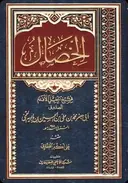
Part 1: On One-Numbered Characteristics
A Characteristic that Is Close to Blasphemy and A Characteristic that Might Change Destiny
1-40 حدثنا حمزة بن محمد بن أحمد بن جعفر بن محمد بن زيد بن علي بن الحسين ابن علي بن أبي طالب عليهم السلام بقم في رجب سنة تسع وثلاثين وثلاثمائة قال: أخبرني علي بن إبراهيم بن هاشم، عن أبيه، عن ابن المغيرة، عن السكوني، عن جعفر بن محمد، عن أبيه، عن آبائه، عن علي عليهم السلام قال: قال رسول الله صلى الله عليه وآله: كاد الفقر أن يكون كفرا، وكاد الحسد أن يغلب القدر
1-40 Hamzih ibn Muhammad ibn Ahmad ibn Ja’far ibn Muhammad ibn Zayd ibn Ali ibn al-Hussein ibn Ali ibn al-Hussein ibn Abi Talib (MGB) narrated from Qum in the month of Rajab of the year 339 A.H. (950 A.D.) that Ali ibn Ibrahim ibn Hashim quoted on the authority of his father, on the authority of Ibn al-Muqayrih, on the authority of Al-Sakoony, on the authority of Ja’far ibn Muhammad, on the authority of his father, on the authority of his forefathers, on the authority of Ali (MGB) that God’s Prophet (MGB) said, “Poverty is close to blasphemy, and jealousy might bring you close to changing destiny.”
Part 1: On One-Numbered Characteristics
A Characteristic that Destroyed Previous Nations
1-41 حدثنا أبي رضي الله عنه قال: حدثنا سعد بن عبد الله، عن أحمد بن محمد ابن عيسى، عن الحسن بن علي الوشاء، عن أبي الحسن الحذاء قال: سمعت أبا عبد الله عليه السلام يقول لابي العباس البقباق: ما منعك من الحج؟ قال: كفالة كفلت بها، قال: مالك والكفالات، أما علمت أن الكفالة هي التي أهلكت القرون الاولى
1-41 (The compiler of the book narrated) that his father - may God be pleased with him - narrated that Sa’ed ibn Abdullah quoted on the authority of Ahmad ibn Muhammad ibn Isa, on the authority of Al-Hassan ibn Ali al-Vasha that Abil-Hassan al-Hiza said, “I heard Abu Abdullah as-Sadiq (MGB) ask Abil Abbas al-Baqbaq, ‘What prevented you from attending the pilgrimage?’ He replied, ‘The suretyship which I undertook.’ Baqbaq said, ‘What do you have to do with suretyship? Don’t you know that it was suretyship that destroyed previous nations?’”
Part 1: On One-Numbered Characteristics
Martyrdom Is Expiation for Every Sin Except for One’s Debt
1-42 حدثنا محمد بن الحسن بن أحمد بن الوليد رضي الله عنه قال: حدثنا محمد ابن الحسن الصفار، عن العباس بن معروف، عن الحسن بن محبوب، عن حنان بن سدير، عن أبيه، عن أبي جعفر عليه السلام قال: كل ذنب يكفره القتل في سبيل الله عز وجل إلا الدين [فانه] لا كفارة له إلا أداءه، أو يقضى صاحبه أو يعفو الذي له الحق
1-42 Muhammad ibn al-Hassan ibn Ahmad ibn al-Walid - may God be pleased with him - narrated that Muhammad ibn al-Hassan al-Saffar quoted on the authority of Al-Abbas ibn Ma’ruf, on the authority of Al-Hassan ibn Mahboob, on the authority of Han’nan ibn Sadeer, on the authority of his father that Abi Ja’far al-Baqir (MGB) said, “Martyrdom in God’s way is expiation for every sin except for one’s debt which has no expiation. One has to pay it back either himself , or the one who has given him the loan should give it up.”
Part 1: On One-Numbered Characteristics
God the Almighty Has Sent Muhammad (sw) and His Nation a Gift That He Has Not Given to Any Other Nation
1-43 حدثنا أبي رضي الله عنه قال: حدثنا علي بن إبراهيم بن هاشم، عن أبيه، عن النوفلي، عن السكوني، عن جعفر بن محمد، عن أبيه عليهما السلام قال: قال رسول الله صلى الله عليه وآله: إن الله تبارك وتعالى أهدى إلي وإلى أمتي هدية لم يهدها إلى أحد من الامم، كرامة من الله لنا، قالوا: وما ذاك يا رسول الله؟ قال: الافطار في في السفر، والتقصير في الصلاة، فمن لم يفعل ذلك فقد رد على الله عز وجل هديته
1-43 (The compiler of the book narrated) that his father - may God be pleased with him - narrated that Ali ibn Ibrahim ibn Hashim quoted on the authority of his father, on the authority of Al-Nawfaly, on the authority of Al-Sakoony, on the authority of Ja’far ibn Muhammad as-Sadiq (as), on the authority of his father (as) that God’s Prophet (sw) said, “Indeed God the Blessed the Sublime has granted me and my nation a gift that He has not granted to any other nation. This is an honor from God for us.” He was asked, “O Prophet of God! What is it?” He said, “It is breaking the fast and shortening our prayers (while we are) on a journey.” Whoever doesn’t do so has turned down God’s gifts.”
Part 1: On One-Numbered Characteristics
A Characteristic that One Should Have If He Wants to Increase Goodness in His House
1-44 حدثنا محمد بن علي ماجيلويه رضي الله عنه، عن عمه محمد بن أبي القاسم عن محمد بن عيسى، عن القاسم بن يحيى، عن جده الحسن بن راشد، عن أبي بصير، عن أبي عبد الله، عن آبائه عليهم السلام قال: قال أمير المؤمنين عليه السلام: من سره أن يكثر خير بيته فليتوضأ عند حضور طعامه
1-44 Muhammad ibn Ali Majiluyih - may God be pleased with him - narrated that his uncle Muhammad ibn Abil-Qasim quoted on the authority of Muhammad ibn Isa, on the authority of Al-Qasim ibn Yahya, on the authority of his grandfather Al-Hassan ibn Rashid, on the authority of Abi Basir, on the authority of Aba Abdullah as-Sadiq (MGB), on the authority of his forefathers (MGB) that the Commander of the Faithful Imam Ali (MGB) said, “Whoever wants to have an increase in goodness in his house should make ablutions before eating.”
Part 1: On One-Numbered Characteristics
God Will Look at Whom He Likes. Once He Looks at Him, He Shall Grant Him One of Three Gifts
1-45 حدثنا أبي رضي الله عنه قال: حدثني أحمد بن إدريس، عن محمد بن أحمد، عن علي بن السندي، عن أحمد بن النضر الخزاز، عن عمرو بن شمر، عن جابر عن أبي جعفر عليه السلام قال: إذا أحب الله عبدا نظر إليه فإذا نظر إليه، أتحفه من ثلاثة بواحدة: إما صداع، وإما حمى، وإما رمد
1-45 (The compiler of the book narrated) that his father - may God be pleased with him - narrated that Ahmad ibn Idris quoted on the authority of Muhammad ibn Ahmad, on the authority of Ali ibn al-Sindy, on the authority of Ahmad ibn an-Nazr al-Khazzaz, on the authority of Amr ibn Shimr, on the authority of Jabir that Abi Ja’far al-Baqir (MGB) said, “When God likes someone, He will look at him. When He looks at him, He will grant him one of three gifts: a headache, fever, or eye pain.”
Part 1: On One-Numbered Characteristics
The Hereafter is the Wedding of the Pious Ones
1-46 حدثنا محمد بن موسى بن المتوكل رضي الله عنه قال: حدثنا محمد بن يحيى العطار، عن محمد بن أحمد، عن علي بن محمد القاشاني، عمن ذكره، عن عبد الله بن القاسم الجعفري، عن أبي عبد الله عليه السلام قال: القيامة عرس المتقين
1-46 Muhammad ibn Musa ibn al-Mutevakil - may God be pleased with him - narrated that Muhammad ibn Yahya al-Attar quoted on the authority of Muhammad ibn Ahmad, on the authority of Ali ibn Muhammad al-Qashany that someone narrated on the authority of Abdullah ibn al-Qasim al-Ja’fari that Abi Ja’far al-Baqir (MGB) said, “The Hereafter is the wedding of the pious ones.”
1-47 حدثنا جعفر بن علي بن الحسن بن علي بن عبد الله بن المغيرة الكوفي قال: حدثني جدي الحسن بن علي، عن جده عبد الله بن المغيرة، عن السكوني، عن جعفر بن محمد، عن أبيه عليهما السلام قال: أتى النبي صلى الله عليه وآله رجل فقال له: مالي لا احب الموت؟ فقال له: ألك مال؟ قال: نعم، قال: فقدمته؟ قال: لا، قال: فمن ثم لا تحب الموت
1-47 Ja’far ibn Ali ibn al-Hassan ibn Ali ibn Abdullah ibn al-Muqayrih al-Kufy narrated that his grandfather Al-Hassan ibn Ali quoted on the authority of his great grandfather Abdullah ibn al-Muqayrih, on the authority of Al-Sakoony, on the authority of Ja’far ibn Muhammad as-Sadiq (MGB), on the authority of his father As-Sajjad (MGB), “A man went to the Prophet (MGB) and asked, ‘Why is it that I do not like death?’ The Prophet (MGB) asked him, ‘Do you have any wealth?’ He replied, ‘Yes.’ The Prophet (MGB) asked, ‘Have you not sent your wealth ahead of you?’ He said, ‘No.’ The Prophet (MGB) said, ‘Then that is why you do not like death.’”
Part 1: On One-Numbered Characteristics
A Characteristic That is Like its Opposite
1-48 حدثنا أبي قال: حدثنا سعد بن عبد الله، عن أحمد بن محمد، عن ابن أبي عمير، عن حمزة بن حمران، عن أبي عبد الله عليه السلام قال: لم يخلق الله عز وجل يقينا لا شك فيه أشبه بشك لا يقين فيه من الموت
1-48 (The compiler of the book narrated) that his father - may God be pleased with him - narrated that Sa’ed ibn Abdullah quoted on the authority of Ahmad ibn Muhammad, on the authority of Abi Umayr, on the authority of Hamzih ibn Himran that Aba Abdullah as-Sadiq (as) said, “God the Exalted the Sublime has not created any certitude in which there is no doubt similar to the doubt about death in which there is no certitude.”
Part 1: On One-Numbered Characteristics
The Most Wicked People Are Those Who Are Respected for Possessing One Characteristic
1-49 حدثنا محمد بن الحسن بن أحمد بن الوليد - رحمه الله - قال: حدثنا محمد بن الحسن الصفار، عن أحمد بن محمد بن عيسى، عن بكر بن صــالح، عن الحسنبن علي عن عبد الله قال: حدثني الحسين بن يزيد النوفلي ، عن إسماعيل بن أبي زياد، عن جعفر بن محمد، عن أبيه، عن آبائه، عن علي عليهم السلام، عن النبي صلى الله عليه وآله أنه قال: ألا إن شرار أمتي الذين يكرمون مخافة شرهم ألا ومن أكرمه الناس اتقاء شره فليس مني
1-49 Muhammad ibn al-Hassan ibn Ahmad ibn al-Walid - may God have Mercy upon him - narrated that Muhammad ibn al-Hassan al-Saffar quoted on the authority of Ahmad ibn Muhammad ibn Isa, on the authority of Bakr ibn Salih, on the authority of Al-Hassan ibn Ali, on the authority of Abdullah , on the authority of Al-Hussein ibn Yazid al-Nawfaly, on theauthority of Isma’il ibn Abi Zyad , on the authority of Ja’far ibn Muhammad, on the authority of his father, on the authority of his forefathers, on the authority of Ali (MGB) that the Prophet (MGB) said, “The most wicked people in my nation are those who are respected for fear of their wickedness. Whoever the people respect due to fear of his wickedness is not from my nation.”