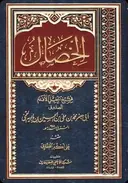
Part 3: On Three-Numbered Characteristics
Three Characteristics Enable Enjoining Good and bidding Evil
3-79 حدثنا محمد بن الحسن رضي الله عنه قال: حدثنا محمد بن يحيى العطار قال: حدثني محمد بن أحمد، عن يعقوب بن يزيد، عن محمد بن أبي عمير رفعه إلى أبي عبد الله عليه السلام قال: إنما يأمر بالمعروف وينهى عن المنكر من كانت فيه ثلاثة خصال: عامل بما يأمر به وتارك لما ينهى عنه، عادل فيها يأمر، عادل فيما ينهى، رفيق فيما يأمر ورفيق فيما ينهى
3-79 Muhammad ibn al-Hassan - may God be pleased with him - narrated that Muhammad ibn Yahya al-Attar quoted Muhammad ibn Ahmad, on the authority of Yaqoob ibn Yazid, on the authority of Muhammad ibn Abi Umayr who linked it up through a chain of narrators to Aba Abdullah as-Sadiq (MGB), “The one who has three characteristics can enjoin to do good and admonish against evil. He should be a doer of what he orders others to do and he should abandon what he admonishes others against doing. He should be moderate about ordering to do good and admonishing against evil. He should be kind in ordering to do good and admonishing against evil.”
Part 3: On Three-Numbered Characteristics
Three Are Not Pure
3-80 حدثنا الحسن بن أحمد بن إدريس - رحمه الله - ، عن أبيه، عن محمد بن أحمد، عن محمد بن علي الهمداني يرفعه إلى داود بن فرقد، عن أبي جعفر أو أبي عبد الله عليهما السلام قال: ثلاثة لاينجبون أعور يمين، وأزرق كالفص، ومولد السند
3-80 Al-Hassan ibn Ahmad ibn Idris - may God have Mercy upon him - quoted his father, on the authority of Muhammad ibn Ahmad, on the authority of Muhammad ibn Ali al-Hamedany who linked it up through a chain of narrators to Davood ibn Farqad, on the authority of either Abi Ja’far al-Baqir (MGB) or Aba Abdullah as-Sadiq (MGB), “Three groups of people are not pure: Those whose right eye is blind; those whose pupils are like the stone on a ring, and those who are born as Sindi (in some versions we read: those who have been born after one year of pregnancy.) ”
Part 3: On Three-Numbered Characteristics
Having Three Characteristics Is Enough for One to Be Bad
3-81 حدثنا أحمد بن محمد بن يحيى العطار رضي الله عنه قال: حدثنا سعد بن عبد الله، عن أحمد بن أبي عبد الله البرقي. عن بكر بن صالح. عن الحسن بن علي بن فضال، عن عبد الله بن إبراهيم، عن الحسين بن زيد، عن أبيه، عن جعفر بن محمد، عن أبيه عليهما السلام قال: قال رسول الله صلى الله عليه وآله:إن أسرع الخير ثوابا البر وإن أسرع الشر عقابا البغي،وكفى بالمرء عيبا أن ينظر من الناس إلى ما يعمى عنه من نفسه، ويعير الناس بما لا يستطيع تركه، ويؤذي جليسه بما لا يعنيه
3-81 Ahmad ibn Muhammad ibn Yahya al-Attar - may God be pleased with him - narrated that Sa’ed ibn Abdullah quoted on the authority of Ahmad ibn Aba Abdullah al-Barqy, on the authority of Bakr ibn Salih, on the authority of Al-Hassan ibn Ali ibn Faz’zal, on the authority of Abdullah ibn Ibrahim, on the authority of Al-Hussein ibn Zayd, on the authority of his father, on the authority of Ja’far ibn Muhammad as-Sadiq (MGB), on the authority of his father (MGB) that God’s Prophet (MGB) said, “Indeed the reward of doing good deeds will arrive much sooner than any good deeds, the punishment for doing evil deeds will reach one much faster than any evil deeds. Having three characteristics is enough for one to be bad. These characteristics are: attending to other people’s faults while ignoring your own; admonishing others against evil deeds without being able to abandon them yourself and hurting your companion for nothing.”
Part 3: On Three-Numbered Characteristics
Three Reasons for Not Loving the Family of the Prophet
3-82 حدثنا الحسن بن أحمد بن إدريس رضي الله عنه، عن أبيه، عن محمد بن أحمد، عن أبي نصر البغدادي، عن محمد بن جعفر الاحمر. عن إسماعيل بن العباس بن يزيد بن جبير عن داود بن الحسن، عن أبي رافع، عن علي عليه السلام قال: قال رسول الله صلى الله عليه وآله: من لم يحب عترتي فهو لاحدى ثلاث إما: منافق، وإما لزنية. وإما امرء حملت به أمه في غير طهر
3-82 Al-Hassan ibn Ahmad ibn Idris - may God be pleased with him - narrated that his father quoted on the authority of Muhammad ibn Ahmad, on the authority of Abi Nasr al-Baghdady, on the authority of Muhammad ibn Ja’far al-Ahmar, on the authority of Isma’il ibn al-Ab’bas ibn Yazid ibn Jobayr, on the authority of Davood ibn al-Hassan, on the authority of Abi Rafeá, on the authority of Ali (MGB) that God’s Prophet (MGB) said, “There are three reasons why one may not like my family. Either he is a hypocrite, was born out of adultery or was conceived when his mother was not in a purified state (that is when intercourse is not allowed).”
Part 3: On Three-Numbered Characteristics
The Best Three Deeds in the Opinion of God
3-83 حدثنا أبي رضي الله عنه قال: حدثنا سعد بن عبد الله، عن القاسم بن محمد الاصبهاني، عن سليمان بن داود المنقري عن سفيان بن عيينة، عن الزهري، عن علي بن الحسين عليهما السلام قال: كان آخر ما أوصى به الخضر موسى بن عمران عليهما السلام أن قال له: لا تعيرن أحدا بذنب، وإن أحب الامور إلى الله عز وجل ثلاثة: القصد في الجدة والعفو في المقدرة، والرفق بعباد الله، وما رفق أحد بأحد في الدنيا إلا رفق الله عز وجل به يوم القيامة ورأس الحكمة مخافة الله تبارك وتعالى
3-83 (The compiler of the book narrated) that his father - may God be pleased with him - narrated that Sa’ed ibn Abdullah quoted Al-Qasim ibn Muhammad al-Isfahani, on the authority of Suleiman ibn Davood al-Minqari, on the authority of Sufyan ibn Ayyineh, on the authority of Al-Zuhra, on the authority of Ali ibn al-Hussein (MGB), “The last advice of al-Khizr (MGB) to Moses - the son of Imran (MGB) was as follows: ‘Never blame anyone for their sins. The best deeds in the Opinion of God are the following three deeds: moderation at times of being wealthy; forgiving at times of being in power; and being kind to the servants of God (i.e. the people). If anyone treats others with kindness in this world, God the Honorable the Exalted will treat him with kindness on the Resurrection Day. The foremost form of wisdom is fearing the Blessed the Sublime God.’”
Part 3: On Three-Numbered Characteristics
Fire Shall Speak to Three People on the Resurrection Day
3-84 حدثنا أبي رضي الله عنه قال: حدثنا سعد بن عبد الله قال: حدثني أحمد ابن محمد بن عيسى، عن العباس بن معروف، عن أبي همام إسماعيل بن همام عن محمد ابن سعيد بن غزوان، عن السكوني، عن أبي عبد الله جعفر بن محمد، عن أبيه، عن آبائه عن علي عليهما السلام عن النبي صلى الله عليه وآله: قال: تكلم النار يوم القيامة ثلاثا أميرا وقاريا وذاثروة من المال، فتقول للامير: يا من وهب الله له سلطانا فلم يعدل، فتزدرده كما يزدرد الطير حب السمسم وتقول للقارئ: يا من تزين للناس وبارز الله بالمعاصي فتزدرده. وتقول للغني: يا من وهب الله له دنيا كثيرة واسعة فيضا وسأله الفقير اليسير قرضا فأبى إلا بخلا فتزدرده
3-84 (The compiler of the book narrated) that his father - may God be pleased with him - narrated that Sa’ed ibn Abdullah quoted Ahmad ibn Muhammad ibn Isa, on the authority of Al-Abbas ibn Ma’ruf, on the authority of Abi Himmam - Isma’il ibn Himam, on the authority of Muhammad ibn Sa’id ibn Qazvan, on the authority of Al-Sakoony, on the authority of Aba Abdullah Ja’far ibn Muhammad as-Sadiq (MGB), on the authority of his father (MGB), on the authority of his forefathers (MGB), on the authority of Ali (MGB) that the Prophet (MGB) said, “The Fire shall speak to three people on the Resurrection Day: rulers, knowledgeable ones and the wealthy. The Fire shall tell the ruler, ‘O ye to whom God granted power but you did not act justly!’ Then it will devour him just as a bird devours a sesame seed. The Fire will tell the knowledgeable one, ‘O ye who were proud of yourself near the people and disobeyed God!’ It will devour him also. The Fire will tell the wealthy, ‘O ye to whom God granted a lot of wealth in the world but were greedy and did not even grant a small loan to those who were in need asking you for small loans.’ It will devour him also.”
Part 3: On Three-Numbered Characteristics
Three Back-Breaking Things
3-85 حدثنا محمد بن الحسن بن أحمد بن الوليد رضي الله عنه قال: حدثنا محمد ابن الحسن الصفار، عن محمد بن عبدالحميد، عن عامر بن رباح. عن عمرو بن الوليد، عن سعد الاسكاف، عن أبي جعفر عليه السلام قال: ثلاث قاصمات الظهر: رجل استكثر عمله، ونسي ذنوبه، وأعجب برأيه
3-85 Muhammad ibn al-Hassan ibn Ahmad ibn al-Walid - may God be pleased with him - narrated that Muhammad ibn al-Hassan al-Saffar quoted on the authority of Muhammad ibn Abdulhamid, on the authority of Amir ibn Ribah, on the authority of Amr ibn al-Walid, on the authority of Sa’d al-Iskaf that Abi Ja’far al-Baqir (MGB) said, “Three things are back- breaking: overestimating one’s deeds; forgetting one’s sins and being conceited.”
3-86 حدثنا أبي رضي الله عنه قال: حدثنا سعد بن عبد الله، عن أحمد بن أبي عبد الله البرقي، عن أبيه، عن صفوان بن يحيى، عن عبدالرحمن بن الحجاج، عن أبي عبد الله عليه السلام، قال قال إبليس لعنه الله عليه لجنوده: إذا استمكنت من ابن آدم في ثلاث لم أبال ما عمل فانه غير مقبول منه: إذا استكثر عمله، ونسي ذنبه، ودخله العجب
3-86 (The compiler of the book narrated) that his father - may God be pleased with him - narrated that Sa’ed ibn Abdullah quoted on the authority of Ahmad ibn Aba Abdullah al-Barqy, on the authority of his father, on the authority of Safvan ibn Yahya, on the authority of Abdul Rahman ibn al-Haj’jaj that Aba Abdullah as-Sadiq (MGB) said, “Satan (May God Damn him) told his followers, ‘There are three things which once a man does I will overcome him and not worry about his other deeds. These things are: Overestimating his deeds; forgetting his sins and becoming conceited.’”
Part 3: On Three-Numbered Characteristics
God Has Honored His Servants with Three Things
3-87 حدثنا أحمد بن محمد بن يحيى العطار رضي الله عنه قال: حدثنا سعد بن عبد الله قال: حدثني محمد بن عبدالجبار، عن محمد بن إسماعيل، عن ابن أبي عمير، عن هشام بن سالم، عن أبي عبد الله عليه السلام قال: إن الله عز وجل يقول: إني تطولت على عبادي بثلاث: ألقيت عليهم الريح بعد الروح ولو لا ذلك ما دفن حميم حميا، وألقيت عليهم السلوة بعد المصيبة ولو لا ذلك لم يتهن أحد منهم بعيشه، وخلقت هذه الدابة وسلطتها على الحنطة والشعير ولولا ذلك لكنزهما ملوكهم كما ينكزون الذهب والفضة
3-87 Ahmad ibn Muhammad ibn Yahya al-Attar - may God be pleased with him - narrated that Sa’ed ibn Abdullah quoted Muhammad ibn Abdul Jab’bar, on the authority of Muhammad ibn Isma’il, on the authority of Ibn Abi Umayr, on the authority of Hisham ibn Salim that Aba Abdullah as-Sadiq (MGB) said, “Indeed God the Honorable the exalted has said, ‘I have honored my servants by granting them three blessings. First, I have made their corpse stink after their soul leaves their body. Had it not been so, no one’s relatives would ever bury their deceased loved ones. I have granted them a relief after mourning. Had it not been so, no one could enjoy life. I have created bugs and gave them dominion over wheat and barely. Had it not been so, the Kings and the rulers would have stored them in their houses just as they store gold and silver.”
Part 3: On Three-Numbered Characteristics
You Should Only Stay Up Late at Night for Three Causes
3-88 حدثنا جعفر بن علي بن الحسن الكوفي رضي الله عنه عن جده الحسن ابن علي، عن جده عبد الله بن المغيرة، عن السكوني، عن جعفر بن محمد، عن أبيه عليهما السلام قال: قال رسول الله صلى الله عليه وآله: لا سهر إلا في ثلاث: متهجد بالقرآن، أو في طلب العلم، أو عروس تهدى إلى زوجها
3-88 Ja’far ibn Ali ibn al-Hassan al-Kufy - may God be pleased with him - narrated that his grandfather Al-Hassan ibn Ali quoted on the authority of his great grandfather Abdullah ibn al-Muqayrih, on the authority of Al-Sakoony, on the authority of Ja’far ibn Muhammad as-Sadiq (MGB), on the authority of his father Al-Baqir (MGB) that God’s Prophet (MGB) said, “You should only stay up late at night for three causes: studying the Quran; seeking knowledge or taking a bride to her husband.”