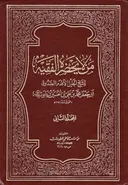
Man Lā Yaḥḍuruhū al-Faqīh, compiled by Shaykh al-Ṣadūq (Ibn Baḅawayh, d. 381 AH), is the second of the Four Main Shīʿī Ḥadīth collections and was expressly assembled as a practical handbook for any believer “who has no access to a jurist.” Unlike larger compendia, it presents each tradition succinctly—often omitting full chains of transmission—to focus squarely on the legal rulings and devotional practices essential to daily life. In its classical form it is a single work; modern printed editions typically span four volumes, comprising just under a thousand chapters arranged by topic.
A könyvek leírása és a hadíthok fordítása angol nyelvű (forrás: Thaqalayn.net). Az arab eredeti minden hadíth mellett szerepel.
Chapters on Legal Cases and Rulings
Chapter on the Allegiance of the Freed Slave
3494 - رَوَى إِسْمَاعِيلُ بْنُ مُسْلِمٍ عَنْ جَعْفَرِ بْنِ مُحَمَّدٍ عَنْ أَبِيهِ عَلَيْهِ اَلسَّلاَمُ قَالَ قَالَ اَلنَّبِيُّ صَلَّى اَللَّهُ عَلَيْهِ وَ آلِهِ : "اَلْوَلاَءُ لُحْمَةٌ كَلُحْمَةِ اَلنَّسَبِ، لاَ تُبَاعُ وَ لاَ تُوهَبُ".
Hadith.3494 - Isma'il ibn Muslim narrated from Imam Jafar ibn Muhammad Al-Sadiq (as) from his father, Imam Muhammad ibn Ali Al-Baqir (as), who said:
The Prophet, peace and blessings be upon him and his family, said:
"Wala' (the bond of loyalty) is like the bond of lineage; it cannot be sold or given away as a gift."
3495 - وَ قِيلَ لِلصَّادِقِ عَلَيْهِ اَلسَّلاَمُ لِمَ قُلْتُمْ مَوْلَى اَلرَّجُلِ مِنْهُ قَالَ "لِأَنَّهُ خُلِقَ مِنْ طِينِهِ ثُمَّ فُرِّقَ بَيْنَهُمَا فَرَدَّهُ اَلسَّبْيُ إِلَيْهِ فَعَطَفَ عَلَيْهِ مَا كَانَ فِيهِ مِنْهُ فَأَعْتَقَهُ فَلِذَلِكَ هُوَ مِنْهُ".
Hadith.3495 - It was said to Imam Jafar ibn Muhammad Al-Sadiq (as): "Why do you say that a man's mawla (freed slave) is considered to be from him?"
Imam (as) said: "Because he was created from his clay, then they were separated, and captivity brought him back to him. So, he showed compassion for what was in him (the shared origin) and freed him. Therefore, he is considered to be from him."
3496 - وَ رُوِيَ عَنْ عَاصِمِ بْنِ حُمَيْدٍ عَنْ أَبِي بَصِيرٍ قَالَ : سَأَلْتُ أَبَا عَبْدِ اَللَّهِ عَلَيْهِ اَلسَّلاَمُ عَنِ اَلرَّجُلِ يُعْتِقُ اَلرَّجُلَ فِي كَفَّارَةِ يَمِينٍ أَوْ ظِهَارٍ لِمَنْ يَكُونُ اَلْوَلاَءُ قَالَ "لِلَّذِي أَعْتَقَ".
Hadith.3496 - It is narrated from Asim ibn Humayd, from Abu Basir, who said:
I asked Abu Abdullah (as), about a man who frees another man as an expiation for breaking an oath or for zihar (a prohibited declaration regarding one's wife).
Imam (as) said: "The wala' (bond of loyalty) belongs to the one who freed him."
3497 - وَ فِي رِوَايَةِ عُبَيْدِ اَللَّهِ بْنِ عَلِيٍّ اَلْحَلَبِيِّ عَنْ أَبِي عَبْدِ اَللَّهِ عَلَيْهِ اَلسَّلاَمُ : أَنَّهُ ذَكَرَ "أَنَّ بَرِيرَةَ كَانَتْ عِنْدَ زَوْجٍ لَهَا وَ هِيَ مَمْلُوكَةٌ فَاشْتَرَتْهَا عَائِشَةُ فَأَعْتَقَتْهَا فَخَيَّرَهَا رَسُولُ اَللَّهِ صَلَّى اَللَّهُ عَلَيْهِ وَ آلِهِ إِنْ شَاءَتْ تَقِرُّ عِنْدَ زَوْجِهَا وَ إِنْ شَاءَتْ فَارَقَتْهُ وَ كَانَ مَوَالِيهَا اَلَّذِينَ بَاعُوهَا قَدِ اِشْتَرَطُوا وَلاَءَهَا عَلَى عَائِشَةَ فَقَالَ رَسُولُ اَللَّهِ صَلَّى اَللَّهُ عَلَيْهِ وَ آلِهِ "اَلْوَلاَءُ لِمَنْ أَعْتَقَ" وَ صُدِّقَ عَلَى بَرِيرَةَ بِلَحْمٍ فَأَهْدَتْهُ إِلَى رَسُولِ اَللَّهِ صَلَّى اَللَّهُ عَلَيْهِ وَ آلِهِ فَعَلَّقَتْهُ عَائِشَةُ وَ قَالَتْ إِنَّ رَسُولَ اَللَّهِ صَلَّى اَللَّهُ عَلَيْهِ وَ آلِهِ لاَ يَأْكُلُ اَلصَّدَقَةَ فَجَاءَ رَسُولُ اَللَّهِ صَلَّى اَللَّهُ عَلَيْهِ وَ آلِهِ وَ اَللَّحْمُ مُعَلَّقٌ فَقَالَ "مَا شَأْنُ هَذَا اَللَّحْمِ لَمْ يُطْبَخْ" قَالَتْ يَا رَسُولَ اَللَّهِ صُدِّقَ بِهِ عَلَى بَرِيرَةَ وَ أَنْتَ لاَ تَأْكُلُ اَلصَّدَقَةَ فَقَالَ صَلَّى اَللَّهُ عَلَيْهِ وَ آلِهِ "هُوَ لَهَا صَدَقَةٌ وَ لَنَا هَدِيَّةٌ" ثُمَّ أَمَرَ بِطَبْخِهِ فَجَرَتْ فِيهَا ثَلاَثٌ مِنَ اَلسُّنَنِ".
Hadith.3497 - It is narrated from Ubaydullah ibn Ali al-Halabi, from Abu Abdullah (as), who mentioned:
Barirah was married to a husband while she was still a slave. Then Aisha bought her and freed her.
The Messenger of Allah (swt), peace and blessings be upon him and his family, gave her the choice: if she wished, she could remain with her husband, and if she wished, she could separate from him.
Her former masters, who had sold her, had stipulated that her wala' (right of allegiance) should remain with them. The Messenger of Allah (swt) (peace and blessings be upon him and his family) said: "The wala' belongs to the one who grants freedom."
Later, meat was given to Barirah as charity, and she gifted it to the Messenger of Allah (swt), peace and blessings be upon him and his family.
Aisha, upon seeing it, commented: "The Messenger of Allah (swt) (peace and blessings be upon him and his family) does not consume charity."
When the Messenger of Allah (swt), peace and blessings be upon him and his family, arrived and saw the meat hanging, he said: "What is the matter with this meat? Why has it not been cooked?"
Aisha replied: "O Messenger of Allah (swt), it was given to Barirah as charity, and you do not eat charity."
The Messenger of Allah (swt), peace and blessings be upon him and his family, said: "It is charity for her, but for us, it is a gift."
Then He (sw) ordered it to be cooked.
Thus, three rulings (sunan) were derived from this case.
3498 - وَ رَوَى صَفْوَانُ بْنُ يَحْيَى عَنِ اَلْعِيصِ بْنِ اَلْقَاسِمِ قَالَ : سَأَلْتُ أَبَا عَبْدِ اَللَّهِ عَلَيْهِ اَلسَّلاَمُ عَنْ رَجُلٍ اِشْتَرَى عَبْداً وَ لَهُ أَوْلاَدٌ مِنِ اِمْرَأَةٍ حُرَّةٍ فَأَعْتَقَهُ قَالَ "وَلاَءُ أَوْلاَدِهِ لِمَنْ أَعْتَقَهُ".
Hadith.3498 - Safwan ibn Yahya narrated from Al-Is ibn Al-Qasim, who said:
I asked Abu Abdullah (as), about a man who purchased a slave that had children from a free woman, and then the man freed the slave.
Imam (as) said: "The wala' (bond of loyalty) of his children belongs to the one who freed him."
3499 - وَ رُوِيَ عَنْ بَكْرِ بْنِ مُحَمَّدٍ أَنَّهُ قَالَ : دَخَلْتُ عَلَى أَبِي عَبْدِ اَللَّهِ عَلَيْهِ اَلسَّلاَمُ وَ مَعِي عَلِيُّ بْنُ عَبْدِ اَلْعَزِيزِ فَقَالَ لِي "مَنْ هَذَا" قُلْتُ مَوْلاَنَا فَقَالَ "أَعْتَقْتُمُوهُ أَوْ أَبَاهُ" فَقُلْتُ بَلْ أَبَاهُ فَقَالَ "لَيْسَ هَذَا مَوْلاَكَ هَذَا أَخُوكَ وَ اِبْنُ عَمِّكَ وَ إِنَّمَا اَلْمَوْلَى اَلَّذِي جَرَتْ عَلَيْهِ اَلنِّعْمَةُ فَإِذَا جَرَتْ عَلَى أَبِيهِ فَهُوَ أَخُوكَ وَ اِبْنُ عَمِّكَ " قَالَ وَ سَأَلَهُ رَجُلٌ وَ أَنَا حَاضِرٌ فَقَالَ يَكُونُ لِيَ اَلْغُلاَمُ وَ يَشْرَبُ وَ يَدْخُلُ فِي هَذِهِ اَلْأُمُورِ اَلْمَكْرُوهَةِ فَأُرِيدُ عِتْقَهُ فَأُعْتِقُهُ أَحَبُّ إِلَيْكَ أَمْ أَبِيعُهُ وَ أَتَصَدَّقُ بِثَمَنِهِ فَقَالَ "إِنَّ اَلْعِتْقَ فِي بَعْضِ اَلزَّمَانِ أَفْضَلُ وَ فِي بَعْضِ اَلزَّمَانِ اَلصَّدَقَةُ أَفْضَلُ اَلْعِتْقُ أَفْضَلُ إِذَا كَانَ اَلنَّاسُ حَسَنَةً حَالُهُمْ وَ إِذَا كَانَ اَلنَّاسُ شَدِيدَةً حَالُهُمْ فَالصَّدَقَةُ أَفْضَلُ وَ بَيْعُ هَذَا أَحَبُّ إِلَيَّ إِذَا كَانَ بِهَذِهِ اَلْحَالِ".
Hadith.3499 - It is narrated from Bakr ibn Muhammad, who said:
I entered upon Abu Abdullah (as), along with Ali ibn Abdul-Aziz.
Imam (as) asked me: "Who is this?"
I said: "Our mawla (freed servant)."
Imam (as) said: "Did you free him or his father?"
I said: "His father."
Imam (as) said: "Then this is not your mawla; this is your brother and your cousin. A mawla is one upon whom the blessing of freedom has directly been granted. But if the blessing was granted to his father, then he is your brother and cousin."
Bakr ibn Muhammad continued:
A man asked him a question in my presence and said:
"I have a slave who drinks and engages in disliked acts, and I wish to free him. Do you prefer that I free him or sell him and give his price in charity?"
Imam (as) said: "Freeing a slave is sometimes more virtuous, and at other times charity is more virtuous. Freeing is better when people's conditions are good, but when people's conditions are difficult, charity is better. As for this particular slave, selling him is preferable to me, given his current state."
3500 - وَ رَوَى اَلْحَسَنُ بْنُ مَحْبُوبٍ عَنْ سَمَاعَةَ عَنْ أَبِي عَبْدِ اَللَّهِ عَلَيْهِ اَلسَّلاَمُ : فِي رَجُلٍ يَمْلِكُ ذَا رَحِمِهِ هَلْ يَصْلُحُ لَهُ أَنْ يَبِيعَهُ أَوْ يَسْتَعْبِدَهُ قَالَ "لاَ يَصْلُحُ لَهُ بَيْعُهُ وَ لاَ يَتَّخِذُهُ عَبْداً وَ هُوَ مَوْلاَهُ وَ أَخُوهُ فِي اَلدِّينِ وَ أَيُّهُمَا مَاتَ وَرِثَهُ صَاحِبُهُ إِلاَّ أَنْ يَكُونَ لَهُ وَارِثٌ أَقْرَبُ إِلَيْهِ مِنْهُ ".
Hadith.3500 - Al-Hasan ibn Mahbub narrated from Sama'ah, from Abu Abdullah (as), regarding a man who owns a relative (of close kinship).
Is it permissible for him to sell or enslave that relative?
Imam (as) said: "It is neither permissible for him to sell nor to enslave him. He is his mawla (freed person) and his brother in faith. If either of them dies, the other inherits from him, unless there is a closer heir than him."
3501 - وَ رَوَى حُذَيْفَةُ بْنُ مَنْصُورٍ عَنْ أَبِي عَبْدِ اَللَّهِ عَلَيْهِ اَلسَّلاَمُ قَالَ : "اَلْمُعْتِقَ هُوَ اَلْمَوْلَى وَ اَلْوَلَدُ يَنْتَمِي إِلَى مَنْ يَشَاءُ".
Hadith.3501 - Hudhayfah ibn Mansur narrated from Abu Abdullah (as), who said:
"The one who frees (a slave) is the mawla (master), and the child associates himself with whomever he wishes."
3502 - وَ رَوَى اَلْحَسَنُ بْنُ مَحْبُوبٍ عَنْ خَالِدِ بْنِ جَرِيرٍ عَنْ أَبِي اَلرَّبِيعِ قَالَ : سُئِلَ أَبُو عَبْدِ اَللَّهِ عَلَيْهِ اَلسَّلاَمُ عَنِ اَلسَّائِبَةِ قَالَ "هُوَ اَلرَّجُلُ يُعْتِقُ غُلاَمَهُ ثُمَّ يَقُولُ لَهُ اِذْهَبْ حَيْثُ شِئْتَ لَيْسَ لِي مِنْ مِيرَاثِكَ شَيْءٌ وَ لاَ عَلَيَّ مِنْ جَرِيرَتِكَ شَيْءٌ وَ يُشْهِدُ عَلَى ذَلِكَ شَاهِدَيْنِ ".
Hadith.3502 - Al-Hasan ibn Mahbub narrated from Khalid ibn Jarir, from Abu al-Rabi', who said:
Abu Abdullah (as), was asked about al-sa'ibah (a freed slave who is left without ties).
Imam (as) said: "He is a man who frees his slave and then says to him, 'Go wherever you wish. I have no share in your inheritance, nor am I responsible for any liability on your behalf.' He must have two witnesses testify to this declaration."
3503 - وَ رُوِيَ عَنْ شُعَيْبٍ عَنْ أَبِي بَصِيرٍ عَنْ أَبِي عَبْدِ اَللَّهِ عَلَيْهِ اَلسَّلاَمُ : أَنَّهُ سُئِلَ عَنِ اَلْمَمْلُوكِ يُعْتَقُ سَائِبَةً قَالَ "يَتَوَلَّى مَنْ شَاءَ وَ عَلَى مَنْ يَتَوَلَّى جَرِيرَتُهُ وَ لَهُ مِيرَاثُهُ" قَالَ قُلْتُ فَإِنْ سَكَتَ حَتَّى يَمُوتَ وَ لَمْ يَتَوَلَّ أَحَداً قَالَ "يُجْعَلُ مَالُهُ فِي بَيْتِ مَالِ اَلْمُسْلِمِينَ ".
Hadith.3503 - It is narrated from Shu'ayb, from Abu Basir, from Abu Abdullah (as), that he was asked about a slave who is freed as a sa'ibah (without any specific ties).
Imam (as) said: "He may choose whomever he wishes to be his guardian. The one he chooses will be responsible for his liabilities and will inherit from him."
I asked: "What if he remains silent until he dies and does not appoint anyone as his guardian?"
Imam (as) said: "His wealth will be placed in the treasury of the Muslims."