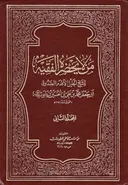
Chapters on Legal Cases and Rulings
Chapter on Emancipation and Its Rulings
3453 - وَ رَوَى حَمَّادٌ عَنِ اَلْحَلَبِيِّ عَنْهُ عَلَيْهِ اَلسَّلاَمُ أَنَّهُ قَالَ :
فِي اَلرَّجُلِ يَقُولُ إِنْ مِتُّ فَعَبْدِي حُرٌّ وَ عَلَى اَلرَّجُلِ دَيْنٌ قَالَ "إِنْ تُوُفِّيَ وَ عَلَيْهِ دَيْنٌ قَدْ أَحَاطَ بِثَمَنِ اَلْعَبْدِ بِيعَ اَلْعَبْدُ وَ إِنْ لَمْ يَكُنْ أَحَاطَ بِثَمَنِ اَلْعَبْدِ اُسْتُسْعِيَ اَلْعَبْدُ فِي قَضَاءِ دَيْنِ مَوْلاَهُ وَ هُوَ حُرٌّ بِهِ إِذَا أَوْفَاهُ".
Hadith.3453 - Hammad narrated from al-Halabi, from Abu Abdullah (as), that he was asked about a man who said: "If I die, my slave is free," while the man was in debt.
Imam (as) said: "If he dies and his debt equals the value of the slave, the slave shall be sold to pay off the debt. But if the debt does not equal the value of the slave, the slave must work to pay off his master's debt, and he becomes free once the debt is fully repaid."
3454 - وَ رَوَى مُحَمَّدُ بْنُ مَرْوَانَ عَنْهُ عَلَيْهِ اَلسَّلاَمُ أَنَّهُ قَالَ : "إِنَّ أَبِي عَلَيْهِ اَلسَّلاَمُ تَرَكَ سِتِّينَ مَمْلُوكاً وَ أَوْصَى بِعِتْقِ ثُلُثِهِمْ فَأَقْرَعْتُ بَيْنَهُمْ فَأَخْرَجْتُ عِشْرِينَ فَأَعْتَقْتُهُمْ".
Hadith.3454 - Muhammad ibn Marwan narrated from Imam (as) who said:
"My father, peace be upon him, left sixty slaves and instructed in his will to free one-third of them. So, I cast lots among them and selected twenty, then I freed them."
3455 - وَ رَوَى حَرِيزٌ عَنْ مُحَمَّدِ بْنِ مُسْلِمٍ عَنْ أَحَدِهِمَا عَلَيْهِمَا اَلسَّلاَمُ قَالَ : سَأَلْتُهُ عَنْ رَجُلٍ تَرَكَ مَمْلُوكاً بَيْنَ نَفَرٍ فَشَهِدَ أَحَدُهُمْ أَنَّ اَلْمَيِّتَ أَعْتَقَهُ قَالَ "إِنْ كَانَ اَلشَّاهِدُ مَرْضِيّاً لَمْ يَضْمَنْ وَ جَازَتْ شَهَادَتُهُ فِي نَصِيبِهِ وَ اُسْتُسْعِيَ اَلْعَبْدُ فِيمَا كَانَ لِلْوَرَثَةِ".
Hadith.3455 - Hariz narrated from Muhammad ibn Muslim, from one of the Imams (as), peace be upon them, who said:
I asked Imam (as) about a man who left a slave jointly owned by several people, and one of them testified that the deceased had freed the slave.
Imam (as) said: "If the witness is trustworthy, he does not have to compensate the others, and his testimony is valid for his share. As for the remaining shares belonging to the heirs, the slave must work to pay off their value."
Chapters on Legal Cases and Rulings
Chapter on What Has Been Reported Regarding the Child of Adultery and the Foundling
3528 - رَوَى سَعِيدُ بْنُ يَسَارٍ عَنْ أَبِي عَبْدِ اَللَّهِ عَلَيْهِ اَلسَّلاَمُ قَالَ : "لاَ بَأْسَ بِأَنْ يُعْتَقَ وَلَدُ اَلزِّنَا".
Hadith.3528 - It is narrated from Sa'id ibn Yasar, who said:
"Abu Abdullah (as), said: 'There is no harm in emancipating the child born out of wedlock.' "
3529 - وَ رَوَى عَنْبَسَةُ بْنُ مُصْعَبٍ عَنْ أَبِي عَبْدِ اَللَّهِ عَلَيْهِ اَلسَّلاَمُ قَالَ : قُلْتُ لَهُ جَارِيَةٌ لِي زَنَتْ أَبِيعُ وَلَدَهَا قَالَ "نَعَمْ" قُلْتُ أَحُجُّ بِثَمَنِهِ قَالَ "نَعَمْ".
Hadith.3529 - It is narrated from Anbasa ibn Mus'ab that he said:
"I said to Abu Abdullah (as): 'A bondwoman of mine committed adultery. Can I sell her child?'
Imam (as) said: 'Yes.'
I said: 'Can I perform Hajj with its price?'
Imam (as) said: 'Yes.' "
3530 - وَ رَوَى حَمَّادٌ عَنِ اَلْحَلَبِيِّ قَالَ : سُئِلَ أَبُو عَبْدِ اَللَّهِ عَلَيْهِ اَلسَّلاَمُ عَنْ وَلَدِ اَلزِّنَا أَ يُشْتَرَى أَوْ يُبَاعُ أَوْ يُسْتَخْدَمُ قَالَ "نَعَمْ إِلاَّ جَارِيَةً لَقِيطَةً فَإِنَّهَا لاَ تُشْتَرَى".
Hadith.3530 - It is narrated from Hammad, from Al-Halabi, who said:
"Abu Abdullah (as), was asked about a child born out of adultery-can he be bought, sold, or used for service?
Imam (as) said: 'Yes, except for a foundling girl (abandoned by parents), as she cannot be bought.' "
3531 - وَ رَوَى حَمَّادُ بْنُ عِيسَى عَنْ حَرِيزٍ عَنْ أَبِي عَبْدِ اَللَّهِ عَلَيْهِ اَلسَّلاَمُ قَالَ : "اَلْمَنْبُوذُ حُرٌّ إِنْ شَاءَ جَعَلَ وَلاَءَهُ لِلَّذِينَ رَبَّوْهُ وَ إِنْ شَاءَ لِغَيْرِهِمْ".
Hadith.3531 - It is narrated from Hammad bin Isa, from Hariz, from Abu Abdullah (as):
"The abandoned child (foundling) is free. If he wishes, he may assign his allegiance to those who raised him, or if he wishes, to others."
3532 - وَ فِي رِوَايَةِ اَلْمُثَنَّى عَنْ أَبِي عَبْدِ اَللَّهِ عَلَيْهِ اَلسَّلاَمُ قَالَ : "إِنْ طَلَبَ اَلَّذِي رَبَّاهُ بِنَفَقَتِهِ وَ كَانَ مُوسِراً رَدَّ عَلَيْهِ وَ إِنْ لَمْ يَكُنْ مُوسِراً كَانَ مَا أَنْفَقَ صَدَقَةً".
Hadith.3532 - In the narration of Al-Muthanna, from Abu Abdullah (as):
"If the one who raised the abandoned child demands repayment for his expenses and he (the child) is financially capable, he must repay him. However, if he is not financially capable, then what was spent is considered charity."
3533 - وَ رَوَى زُرَارَةُ عَنْ أَحَدِهِمَا عَلَيْهِمَا اَلسَّلاَمُ أَنَّهُ قَالَ : فِي لَقِيطَةٍ وُجِدَتْ فَقَالَ "حُرَّةٌ لاَ تُشْتَرَى وَ لاَ تُبَاعُ وَ إِنْ كَانَ وُلِدَ مَمْلُوكٌ لَكَ مِنَ اَلزِّنَا فَأَمْسِكْ أَوْ بِعْ إِنْ أَحْبَبْتَ هُوَ مَمْلُوكٌ لَكَ".
Hadith.3533 - Zurarah narrates from one of the Imams (as), peace be upon them, that Imam (as) said regarding a foundling:
"She is free and cannot be bought or sold. However, if a child is born to you from her through unlawful relations, then you may keep or sell the child if you wish, as he is your slave."
Chapters on Legal Cases and Rulings
Chapter on Absconding Slaves
3534 - قَالَ أَبُو جَعْفَرٍ عَلَيْهِ اَلسَّلاَمُ : "اَلْعَبْدُ اَلْآبِقُ لاَ تُقْبَلُ لَهُ صَلاَةٌ حَتَّى يَرْجِعَ إِلَى مَوْلاَهُ".
Hadith.3534 - Abu Ja'far Imam Muhammad ibn Ali Al-Baqir (as), said:
"The runaway slave's prayer is not accepted until he returns to his master."