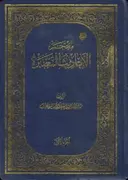
"Muʿjam al-Aḥādīth al-Muʿtabara" by Shaykh Muḥammad Āṣif Muḥsinī is a monumental work which fills a significant gap in the realm of the works of Ḥadīth. The aim of this comprehensive compilation is to provide people with a dependable resource, countering the long-standing misconception about the perceived insufficiencies in the body of Ḥadīth possessed by the Shīʿa. As such, this project marks a pivotal contribution to the field, providing someone with access to reliable, authentic material. The book showcases Shaykh Muḥsinī’s ambition to assemble a collection of Muʿtabar (reliable) Ḥadīth, thus facilitating the work of jurists, researchers, lecturers, and any layperson interested in gaining knowledge. Despite his busy schedule, Shaykh Muḥsinī committed himself to this colossal task, motivated by a desire to preserve and make accessible the authentic teachings of the Shīʿī faith. In creating this work, Shaykh Muḥsinī was guided by a set of principles. First, the Ḥadīth should have a reliable chain and not contradict the Qurʾān, the established Sunnah, or the intellect. Second, while the book aims to be comprehensive, it may not include every narration with a reliable chain, since the Shaykh had mentioned that he may have accidentally overlooked some narrations. However, it does provide an overwhelming majority of reliable traditions. Shaykh Muḥsinī’s stringent criteria and rigorous application make this work an invaluable resource in Ḥadīth. While some scholars may differ with his judgments, the work aims to provide a universally acceptable core of irreproachable narrations, with the potential to serve as a basis for consensus among scholars and researchers. In summary, "Muʿjam al-Aḥādīth al-Muʿtabara" is a milestone in Ḥadīth studies, providing a reliable reference point for those interested in authentic Shia narrations. Its meticulous assembly and rigorous criteria set it apart as a work of significant value and authority.
A könyvek leírása és a hadíthok fordítása angol nyelvű (forrás: Thaqalayn.net). Az arab eredeti minden hadíth mellett szerepel.
Book of Intellect and Knowledge
Submission of Intellect and its Excellence
[1/1] اصول الكافي: عن عدة من أصحابنا منهم محمد بن يحيى العطار، عن أحمد بن محمد، عن الحسن بن محبوب، عن العلاء بن رزين، عن محمد بن مسلم، عن أبي جعفر عليه السلام قال: لما خلق الله العقل استنطقه ثم قال له: أقبل فأقبل ثم قال له: أدبر فأدبر ثم قال: وعزتي وجلالي ما خلقت خلقا هو أحب إلي منك ولا أكملتك إلا فيمن احب، أما إني إياك آمر، وإياك أنهى وإياك اعاقب، وإياك اثيب
1. [1/1] Usul al-Kafi: From a number of our companions among them Muhammad b. Yahya al-Attar from Ahmad b. Muhammad from al-Hasan b. Mahbub from al-Ala b. Razin from Muhammad b. Muslim from Abi Ja’far عليه السلام who said: When Allāh created the intellect He gave it the power to speak, then He said to it: draw near, so it drew near, then He said to it: turn back, so it turned back, then He said: by my Power and Majesty I have not created a creature more beloved to me than you, and I have not perfected you except in the one I love, as for me you do I command, and you do I prohibit, and you do I punish and you do I reward.
[2/2] اصول الكافي: محمد بن يحيى، عن أحمد بن محمد بن عيسى، عن ابن فضال، عن الحسن بن الجهم قال: سمعت الرضا عليه السلام يقول: صديق كل امرء عقله، وعدوه جهله
2. [2/2] Usul al-Kafi: Muhammad b. Yahya from Ahmad b. Muhammad b. Isa from Ibn Fadhal from al-Hasan b. Jahm who said: I heard al-Ridha عليه السلام saying: the friend of every man is his intellect, and his enemy is his ignorance.
[3/3] اصول الكافي: وعنه، عن أحمد بن محمد، عن ابن فضال، عن الحسن بن الجهم قال: قلت لابي الحسن عليه السلام: إن عندنا قوما لهم محبة، وليست لهم تلك العزيمة يقولون بهذا القول؟ فقال: ليس اولئك ممن عاتب الله إنما قال الله: فاعتبروا يا أولي الابصار
3. [3/3] Usul al-Kafi: From him (Muhammad b. Yahya) from Ahmad b. Muhammad from Ibn Fadhal from al-Hasan b. Jahm who said: I said to Abi al-Hasan عليه السلام: we have a group who have love (towards you) but they are not firm in resolve though they profess this belief (Tashayyu), so he عليه السلام said: these are not those who were admonished by Allāh, when Allāh said: <>(59:2).
[4/4] رجال الكشي: عن حمدويه بن نصيرعن أيوب بن نوح، عن صفوان بن يحيى، عن داود بن فرقد، قال : سمعت أبا عبد الله (عليه السلام) يقول إن أصحابي أولو النهى و التقى فمن لم يكن من أهل النهى و التقى فليس من أصحابي
4. [4/4] Rijal al-Kashshi: Hamduwayh b. Nusayr who said: narrated to us Ayyub b. Nuh from Safwan b. Yahya from Dawud b. Farqad who said: I heard Aba Abdillah عليه السلام saying: my companions are the people of discernment and god-consciousness, whoever is not from the people of discernment and god-consciousness then he is not from my companions.
[5/5] اصول الكافي: علي، عن أبيه، عن أبي هاشم الجعفري قال: كنا عند الرضا عليه السلام فتذاكرنا العقل والادب فقال: يا أبا هاشم العقل حباء من الله والادب كلفة، فمن تكلف الادب قدر عليه، ومن تكلف العقل لم يزدد بذلك إلا جهلا
5. [5/5] Usul al-Kafi: Ali from his father (Ibrahim b. Hashim) from Abi Hashim al-Ja’fari who said: We were with al-Ridha عليه السلام when we began discussing about the intellect and moral virtue, so he said: O Abu Hashim, intellect is a free gift from Allāh while virtue is an effortful acquisition, whoever strives to acquire virtue is able to possess it but whoever strives to acquire intellect he achieves naught by that except further ignorance.
[6/6] اصول الكافي: أبوعبدالله العاصمي، عن علي بن الحسن، عن علي بن أسباط، عن الحسن ابن الجهم، عن أبي الحسن الرضا عليه السلام قال: ذكر عنده أصحابنا وذكر العقل قال: فقال عليه السلام: لا يعبأ بأهل الدين ممن لا عقل له، قلت: جعلت فداك إن ممن يصف هذا الامر قوما لا بأس بهم عندنا وليست لهم تلك العقول فقال: ليس هؤلاء ممن خاطب الله إن الله خلق العقل فقال له: اقبل فاقبل وقال له: أدبر فأدبر، فقال: وعزتي وجلالي ما خلقت شيئا أحسن منك أو احب إلي منك، بك آخذ وبك اعطي
6. [6/6] Usul al-Kafi: Abu Abdillah al-Asimi from Ali b. al-Hasan from Ali b. Asbat from al-Hasan b. al-Jahm from Abi al-Hasan al-Ridha عليه السلام. He (al-Asimi) said: Our companions (the Shias) and intellect were mentioned in his presence, so he عليه السلام said: consideration is not given to a man of religion who has no intellect. I said: may I be made your ransom, from those who claim this affair (Wilaya) there are some who do mean well but do not have that level of intellect, so he said: such people are not the ones addressed by Allāh, verily Allāh created the intellect and said to it: draw near, so it drew near, and said to it: turn back, so it turned back, then He said: by my power and majesty I have not created a thing better than you or more beloved to me than you, by you do I take and by you do I give.
Book of Intellect and Knowledge
Sign of Perfection of Intellect
[1/7] اصول الكافي: محمد بن يحيى، عن أحمد بن محمد، عن ابن محبوب، عن عبدالله بن سنان قال: ذكرت لابي عبدالله عليه السلام رجلا مبتلى بالوضوء والصلاة وقلت: هو رجل عاقل، فقال: أبوعبدالله وأي عقل له وهو يطيع الشيطان؟ فقلت له: وكيف يطيع الشيطان؟ فقال سله هذا الذي ياتيه من أي شئ هو؟ فإنه يقول لك من عمل الشيطان
1. [1/7] Usul al-Kafi: Muhammad b. Yahya from Ahmad b. Muhammad from Ibn Mahbub from Abdallah b. Sinan who said: I mentioned a person who was afflicted by forgetfulness in Wudhu and Salat to Abu Abdillah عليه السلام and added: He is a person with intellect. Abu Abdillah عليه السلام said: and what kind of intellect does he have while he is obeying Satan? I said to him: how is he obeying Satan? he said: ask him – this that comes over him what is its cause? he will tell you it is from the handiwork of Satan.
[2/8] الخصال: عن أبيه عن سعد بن عبد الله، عن أحمد أبي عبد الله البرقي، عن الحسن بن علي بن فضال، عن ثعلبة بن ميمون، عن أبي عبد الله عليه السلام قال : قال أمير المؤمنين عليه السلام : الرجال ثلاثة : عاقل وأحمق وفاجر، فالعاقل الدين شريعته، والحلم طبيعته، والرأي سجيته، إن سئل أجاب ، وإن تكلم أصاب، وإن سمع وعى، وإن حدث صدق، وإن اطمأن إليه أحد وفى، والاحمق إن استنبه بجميل غفل، وإن استنزل عن حسن نزل، وإن حمل على جهل جهل، وإن حدث كذب، لا يفقه وإن فقه لا يتفقه، والفاجر إن ائتمنته خانك، وإن صاحبته شانك وإن وثقت به لم ينصحك
2. [2/8] al-Khisal: From his father (i.e. Ali b. al-Husayn b. Babawayh) from Sa’d b. Abdallah from Ahmad b. Abi Abdillah al-Barqi from al-Hasan b. Ali b. Fadhal from Tha’laba b. Maymun from Abi Abdillah عليه السلام who said: the commander of the faithful عليه السلام said: men are of three kinds: intelligent, foolish and corrupt sinner, as for the intelligent one the religion is his path, and forbearance is his habit, and giving counsel is his disposition, when he is asked he answers, and when he speaks he is to the point, and when he hears he comprehends, and when he reports he is truthful, and when one confides in him he is loyal, as for the fool if someone alerts him to a beautiful thing he overlooks it, and if he is dissuaded from good he acquiesces to forsake it, and if he is driven to ignorance he becomes ignorant, and if he reports he is incorrect, he does not understand and if perchance he is able to understand he does not learn from it, and as for the corrupt sinner if you rely on him he betrays you, and if you befriend him he hates you, and if you trust him he is not sincere with you.
Book of Intellect and Knowledge
Merit of Knowledge and the Scholar and the Obligation of Knowledge
[1/9] الخصال: عن أبيه، عن علي، عن أبيه، عن ابن ميمون، عن جعفر بن محمد، عن آبائه، عن علي عليه السلام قال : قال رسول الله صلى الله عليه وآله: فضل العلم أحب إلى الله من فضل العبادة وأفضل دينكم الورع
1. [1/9] al-Khisal: From his father (Ali b. al-Husayn b. Babawayh) from Ali from his father (Ibrahim b. Hashim) from Ibn Maymun from Ja’far b. Muhammad from his forefathers from Ali عليه السلام who said: the messenger of Allāh صلى الله عليه وآله said: the merit of knowledge is more beloved to Allāh than the merit of worship. The best of your religion is self-restraint (from sins).
[2/10] اصول الكافي: عن علي، عن أبيه، عن ابن أبي عمير، وعن محمد بن يحيى، عن أحمد ابن محمد، عن ابن أبي عمير، عن سيف بن عميرة، عن أبي حمزة، عن أبي جعفر عليه السلام قال: عالم ينتفع بعلمه أفضل من سبعين ألف عابد
2. [2/10] Usul al-Kafi: From Ali from his father from Ibn Abi Umayr AND Muhammad b. Yahya from Ahmad b. Muhammad from Ibn Abi Umayr from Sayf b. Umayra from Abi Hamza from Abi Ja’far عليه السلام who said: the scholar whose knowledge benefits others is better than seventy thousand worshippers.