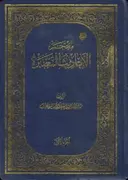
Book of Principles of Jurisprudence
Principle of Continuity
[6/99] الكافي والتهذيبان: علي بن إبراهيم، عن أبيه، ومحمد بن إسماعيل، عن الفضل بن شاذان جميعا، عن حماد بن عيسى، عن حريز، عن زرارة، عن أحدهما عليه السلام قال: قلت له: من لم يدر في أربع هو أم في ثنتين وقد احرز الثنتين؟ قال: يركع ركعتين وأربع سجدات وهو قائم بفاتحة الكتاب ويتشهد ولا شئ عليه وإذا لم يدر في ثلاث هو أو في أربع وقد أحرز الثلاث قام فأضاف إليها اخرى ولا شئ عليه ولا ينقض اليقين بالشك ولا يدخل الشك في اليقين ولا يخلط أحدهما بالآخر ولكنه ينقض الشك باليقين ويتم على اليقين فيبنى عليه ولا يعتد بالشك في حال من الحالات
6. [6/99] al-Kafi, al-Tahdhib and al-Istibsar: Ali b. Ibrahim from his father AND Muhammad b. Ismail from al-Fadhl b. Shadhan all together from Hammad b. Isa from Hariz from Zurara from one of them عليه السلام, he (Zurara) said: I said to him: the one who does not know whether he is in the fourth or the second (Rak’a) but is sure that he has completed two [what should he do]? He said: he will perform two units and four prostrations and he stands reciting al-Fatiha and makes the Tashahud, and there is nothing further upon him, and if he does not know whether he is in the third or the fourth but he is sure that he has completed three – he stands and adds another (unit) to them and there is nothing further upon him. Certainty is not overriden by doubt and doubt does not enter certainty, one of them does not mix with the other, rather doubt is overriden by certainty, and one completes upon certainty building upon it, and doubt is regarded in any situation whatsoever.
Book of Principles of Jurisprudence
Legal Injunctions are Predicated on Pubescence
[1/100] الخصال: عن أبيه، عن سعد بن عبد الله، عن أحمد بن محمد ابن عيسى، عن أحمد بن محمد بن أبي نصر البزنطي، عن أبي الحسين الخادم بياع اللؤلؤ، عن عبد الله بن سنان، عن أبي عبد الله عليه السلام قال: سأله أبي وأنا حاضر عن اليتيم متى يجوز أمره قال: حتى يبلغ أشده قال: وما أشده قال: الاحتلام قلت: قد يكون الغلام ابن ثمان عشرة سنة أو أقل أو أكثر ولا يحتلم؟ قال: إذا بلغ و كتب عليه الشئ جاز أمره إلا أن يكون سفيها أو ضعيفا
1. [1/100] al-Khisal: From his father from Sa’d b. Abdallah from Ahmad b. Muhammad b. Isa from Ahmad b. Muhammad b. Abi Nasr al-Bazanti from Abi al-Hasan – the servant and seller of pearls – from Abdallah b. Sinan from Abi Abdillah عليه السلام, he (Abdallah b. Sinan) said: my father asked him about the orphan while I was present – when does his affair become permissible [when does the authority to oversee his affair devolve to him]? he said: when he attains his maturity, he said: what is his maturity? he said: beginning to have nocturnal emissions, he said: a boy may be eighteen years or a little below that or a little more than that and yet does not have nocturnal emissions (what then)? he said: if he becomes pubescent and something begins to be written for him (of good-deeds and sins by the angels) – then his affair [taking charge of financial decisions] is valid unless he is a fool or mentally incapacitated.
[2/101] الكافي: عن عدة من اصحابنا، عن أحمد بن محمد بن عيسى، عن الوشاء، عن عبدالله بن سنان، عن أبي عبدالله عليه السلام قال: إذا بلغ أشده ثلاث عشرة سنة ودخل في الاربع عشرة وجب عليه ما وجب على المحتلمين احتلم أو لم يحتلم كتبت عليه السيئات وكتبت له الحسنات وجاز له كل شئ إلا أن يكون ضعيفا أو سفيها
2. [2/101] al-Kafi: From a number of our companions from Ahmad b. Muhammad b. Isa from al-Washsha from Abdallah b. Sinan from Abi Abdillah عليه السلام who said: if he reaches his maturity, that is, completes thirteen years and enters the fourteenth – then it becomes obligatory on him what is obligatory on those who have nocturnal emissions whether he himself has emissions or not, and his sins are written down for him, and his good-deeds are also written down for him, and everything becomes permissible for him [in financial terms] except if he is mentally incapacitated or foolhardy.
[3/102] التهذيب: باسناده عن محمد بن علي بن محبوب، عن عن محمد بن الحسين، عن الحسن بن علي، عن عمرو بن سعيد، عن مصدق بن صدقة، عن عمار الساباطي، عن أبى عبدالله عليه السلام قال: سألته عن الغلام متى تجب عليه الصلاة؟ قال: إذا أتى عليه ثلاث عشرة سنة، فان احتلم قبل ذلك فقد وجبت عليه الصلاة وجرى عليه القلم، والجارية مثل ذلك ان أتى لها ثلاث عشرة سنة أو حاضت قبل ذلك فقد وجبت عليها الصلاة وجرى عليها القلم
3. [3/102] al-Tahdhib: Via his chain from Muhammad b. Ali b. Mahbub from Muhammad b. al-Husayn from al-Hasan b. Ali from Amr b. Sa`id from Musaddiq b. Sadaqa from Ammar al-Sabati from Abi Abdillah عليه السلام, he (Ammar) said: I asked him about a boy – when does prayer become obligatory on him? he said: if he completes thirteen years, but if he has nocturnal emissions before that then the prayer has already become obligatory on him and the Pen begins to record for him, and the girl likewise if she completes thirteen years or if she menstruates before that – the prayer become obligatory on her and the Pen begins to record for her.
[4/103] الخصال: عن أبيه، عن علي، عن أبيه، عن ابن أبي عمير، عن غير واحد، عن أبي عبد الله عليه السلام قال: حد بلوغ المرأة تسع سنين
4. [4/103] al-Khisal: From his father from Ali from his father from Ibn Abi Umayr from more than one from Abi Abdillah عليه السلام who said: the threshold for a woman’s pubescence is nine years.
[5/104] الكافي: علي بن إبراهيم، عن أبيه، عن ابن أبي عمير، عن حماد بن عثمان، عن الحلبي وزرارة، عن أبي عبدالله عليه السلام أنه سئل عن الصلاة على الصبي متى يصلى عليه؟ قال: إذا عقل الصلاة قلت: متى تجب الصلاة عليه؟ فقال: إذا كان ابن ست سنين والصيام إذا أطاقه
5. [5/104] al-Kafi: Ali b. Ibrahim from his father from Ibn Abi Umayr from Hammad b. Uthman from al-Halabi and Zurara from Abi Abdillah عليه السلام that he was asked about the prayer over a [deceased] child [Salat al-Mayyit] – when is it prayed over him? he said: when he can understand the prayer, I said: when is prayer obligatory on him (to begin praying)? he said: if he is a child of six years, and fasting is when he has the strength for it [is capable].
[6/105] التهذيب: باسناده عن محمد بن علي بن محبوب، عن العباس بن معروف، عن حماد بن عيسى، عن معاوية بن وهب قال: سألت أبا عبدالله عليه السلام: في كم يؤخذ الصبي بالصلاة؟ فقال: فيما بين سبع سنين وست سنين قلت: في كم يؤخذ بالصيام؟ فقال: فيما بين خمس عشرة أو أربع عشرة، وان صام قبل ذلك فدعه فقد صام ابني فلان قبل ذلك وتركته
6. [6/105] al-Tahdhib: Via his chain from Muhammad b. Ali b. Mahbub from al-Abbas b. al-Ma`ruf from Hammad b. Isa from Muawiya b. Wahb who said: I asked Aba Abdillah عليه السلام: at what age is the boy taken to task over prayers? He said: between seven and six years of age, I said: at what age is fasting demanded from him? he said: between fifteen or fourteen years, and if he fasts before that then leave him to do it for one of my sons began fasting before that and I let him.
[7/106] الفقيه: باسناده عن صفوان، عن إسحاق بن عمار قال: سألت أبا الحسن عليه السلام عن ابن عشر سنين يحج؟ قال: عليه حجة الاسلام إذا احتلم وكذلك الجارية عليها الحج إذا طمثت
7. [7/106] al-Faqih: Via his chain from Safwan from Ishaq b. Ammar who said: I asked Aba al-Hasan عليه السلام about a boy of ten years – can he make the Hajj? He said: upon him is the Hajj of Islam if he has begun getting nocturnal emissions, and the same is the case for the girl – Hajj is upon her if she has begun menstruating.
[8/107] الكافي: عدة من أصحابنا، عن سهل بن زياد، وعلي بن إبراهيم، عن أبيه جميعا، عن ابن أبي نجران، عن عاصم بن حميد، عن محمد بن مسلم، عن أبي جعفر عليه السلام قال: لايصلح للجارية إذا حاضت إلا أن تختمر إلا أن لا تجده
8. [8/107] al-Kafi: A number of our companions from Sahl b. Ziyad AND Ali b. Ibrahim from his father all together from Ibn Abi Najran from Asim b. Humayd from Muhammad b. Muslim from Abi Ja’far عليه السلام who said: it is not proper for a girl if she has begun menstruating to not veil herself – unless she cannot find it.
[9/108] الكافي: محمد بن إسماعيل، عن الفضل بن شاذان، وأبوعلي الاشعري، عن محمد بن عبدالجبار جميعا، عن صفوان بن يحيى، عن عبدالرحمن بن الحجاج قال: سألت أبا إبراهيم عليه السلام عن الجارية التي لم تدرك متى ينبغي لها أن تغطى رأسها ممن ليس بينها وبينه محرم ومتى يجب عليها أن تقنع رأسها للصلاة؟ قال: لاتغطى رأسها حتى تحرم عليها الصلاة
9. [9/108] al-Kafi: Muhammad b. Ismail from al-Fadhl b. Shadan AND Abu Ali al-Ash`ari from Muhammad b. Abd al-Jabbar all together from Safwan b. Yahya from Abd al-Rahman b. al-Hajjaj who said: I asked Aba Ibrahim عليه السلام about a girl who has not attained puberty – when is it incumbent on her to cover her head from the one one with whom she does not share any relation? and when is it obligatory on her to veil her head fully in the prayer? He said: she does not have to cover her head until the prayer starts becoming prohibited on her [i.e. she begins menstruating].