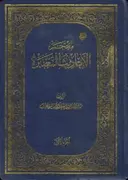
The Book of Divine Unity
Divine Unity and Negation of any Partnership in Essence, Creation, Worship and Regulation of the Universe
[307/10] الكافي: علي بن إبراهيم، عن أبيه، عن النضر بن سويد، عن هشام بن الحكم أنه سأل أبا عبدالله عليه السلام عن أسماء الله واشتقاقها: الله مما هو مشتق؟ قال: فقال لي: يا هشام الله مشتق من إله والاله يقتضي مألوها والاسم غير المسمى، فمن عبد الاسم دون المعنى فقد كفر ولم يعبد شيئا، ومن عبد الاسم والمعنى فقد كفر وعبد اثنين، ومن عبد المعنى دون الاسم فذاك التوحيد أفهمت يا هشام؟ قال: فقلت: زدني قال: إن لله تسعة وتسعين اسما فلو كان الاسم هو المسمى لكان كل اسم منها إلها ولكن الله معنى يدل عليه بهذه الاسماء وكلها غيره، يا هشام الخبز اسم للمأكول والماء اسم للمشروب والثوب اسم للملبوس والنار اسم للمحرق أفهمت يا هشام فهما تدفع به وتناضل به أعداء نا والمتخذين مع الله عزوجل غيره؟ قلت: نعم، قال: فقال: نفعك الله به وثبتك يا هشام، قال هشام فوالله ما قهرني أحد في التوحيد حتى قمت مقامي هذا
10. [10/307] al-Kafi: Ali b. Ibrahim from his father from al-Nadhr b. Suwayd from Hisham b. al-Hakam - that he asked Aba Abdillah عليه السلام about the Names of Allah and their derivation saying: What is Allah derived from? He (Hisham) said: so he (the Imam) said to me: O Hisham, ‘Allah’ is derived from ‘ilah’ and ‘al-ilah’ connotes the one who is worshipped. The name is other than the named. Whoever worships the name without the meaning then he has disbelieved and has not worshipped anything. Whoever worships the name and the meaning then he has disbelieved and worshipped two (distinct things). Whoever worships the meaning without the name then that is true monotheism. Have you understood O Hisham? He (Hisham) said: I said: increase for me. He said: Allah has ninety nine names, if the name was identical to what is named then every name among these (ninety-nine) would be a god, rather Allah is a meaning to which these names point to, and each one of them is other than him. O Hisham, ‘bread’ is a name for what is eaten, ‘water’ is a name for what is drunk, ‘clothes’ is a name for what is worn, ‘fire’ is a name for what burns, have you understood Hisham? an understanding through which you can repel and defeat our enemies and those who betake others apart from Allah Mighty and Majestic. I said: Yes. He said: May Allah benefit you by it and make you firm O Hisham. Hisham said: by Allah no one has defeated me on the subject of Tawhid to this day when I stand in the position I do.
[308/11] التوحيد: ابن الوليد، عن الصفار، عن ابن عيسى، عن ابن أبي عمير، عن هشام بن الحكم قال: قلت لابي عبد الله عليه السلام ما الدليل على أن الله واحد؟ قال: اتصال التدبير وتمام الصنع، كما قال عزوجل: لَوْ كَانَ فِيهِمَا آَلِهَةٌ إِلَّا اللَّهُ لَفَسَدَتَا
11. [11/308] al-Tawhid: Ibn al-Walid from al-Saffar from Ibn Isa from Ibn Abi Umayr from Hisham b. al-Hakam who said: I said to Abi Abdillah عليه السلام: What is the proof that Allah is one? He said: the continuing regulation (of the universe) and the perfection in creation, as the Mighty and Majestic said: “if there were in them other gods apart from Allah then they (the heavens and the earth) would have fallen apart” (21:22)
[309/12] قصص الانبياء: بالاسناد عن الصدوق رحمه الله، عن ابن المتوكل، عن الحميري، عن ابن عيسى، عن ابن محبوب، عن الاحول، عن بريد بن معاوية قال: سمعت أبا جعفر عليه السلام يقول في مسجد النبي صلى الله عليه وآله: إن إبليس اللعين هو أول من صور صورة على مثال آدم عليه السلام ليفتن به الناس، ويضلهم من عبادة الله تعالى، وكان ود في ولد قابيل وكان خليفة قابيل على ولده وعلى من بحضرتهم في سفح الجبل يعظمونه ويسودونه، فلما أن مات ود جزع عليه إخوته وخلف عليهم إبنا يقال له: " سواع " فلم يغن غناء أبيه منهم فأتاهم ابليس في صورة شيخ فقال: قد بلغني ما أصبتم به من موت ود عظيمكم، فهل لكم في أن اصور لكم على مثال ود صورة تستريحون إليها وتأنسون بها ؟ قالوا: افعل. فعمد الخبيث إلى الآنك فأذابه حتى صار مثل الماء، ثم صور لهم صورة مثال ود في بيته فتدافعوا على الصورة يلثمونها ويضعون خدودهم عليها ويسجدون لها، وأحب سواع أن يكون التعظيم والسجود له، فوثب على صورة ود فحكها حتى لم يدع منها شيئا، وهموا بقتل سواع، فوعظهم وقال: أنا أقوم لكم بما كان يقوم به ود، وأنا ابنه، فإن قتلتموني لم يكن لكم رئيس، فمالوا إلى سواع بالطاعة والتعظيم فلم يلبث سواع أن مات، وخلف إبنا يقال له: " يغوث " فجزعوا على سواع فأتاهم إبليس وقال: أنا الذي صورت لكم صورة ود، فهل لكم أن أجعل لكم مثال سواع على وجه لا يستطيع أحد أن يغيره؟ قالوا: فافعل، فعمد إلى عود فنجره ونصبه لهم في منزل سواع، وإنا سمي ذلك العود خلافا، لان إبليس عمل صورة سواع على خلاف صورة ود، قال: فسجدوا له وعظموه، وقالوا ليغوث: ما نأمنك على هذا الصنم أن تكيده كما كاد أبوك مثال ود، فوضعوا على البيت حراسا وحجابا، ثم كانوا يأتون الصنم في يوم واحد، ويعظمونه أشد ما كانوا يعظمون سواعا، فلما رأي ذلك يغوث قتل الحرسة والحجاب ليلا، وجعل الصنم رميما، فلما بلغهم ذلك أقبلوا ليقتلوه فتوارى منهم إلى أن طلبوه ورأسوه وعظموه ثم مات وخلف إبنا يقال له: يعوق فأتاهم إبليس فقال: قد بلغني موت يغوث، وأنا جاعل لكم مثاله في شئ لا يقدر أحد أن يغيره قالوا: فافعل، فعمد الخبيث إلى حجر أبيض فنقره بالحديد حتى صور لهم مثال يغوث فعظموه أشد مما مضى، وبنوا عليه بيتا من حجر، وتبايعوا أن لا يفتحوا باب ذلك البيت إلا في رأس كل سنة، وسميت البيعة يومئذ لانهم تبايعوا وتعاقدوا عليه، فاشتد ذلك على يعوق فعمد إلى ريطة وخلق فألقاها في الحائر، ثم رماها بالنار ليلا فأصبح القوم وقد احترق البيت والصنم والحرس وأرفض الصنم ملقى فجزعوا وهموا بقتل يعوق فقال لهم: إن قتلتم رئيسكم فسدت اموركم، فكفوا فلم يلبث أن مات يعوق وخلف إبنا يقال له: نسر، فأتاهم إبليس فقال: بلغني موت عظيمكم فأنا جاعل لكم مثال يعوق في شئ لا يبلى فقالوا: افعل فعمد إلى الذهب وأوقد عليه النار حتى صار كالماء، وعمل مثالا من الطين على صورة يعوق ثم أفرغ الذهب فيه، ثم نصبه لهم في ديرهم واشتد ذلك على نسر، ولم يقدر على دخول تلك الدير فانحاز عنهم في فرقة قليلة من إخوته يعبدون نسرا، والآخرون يعبدون الصنم حتى مات نسر، وظهرت نبوة إدريس فبلغه حال القوم وأنهم يعبدون جسما على مثال يعوق، وأن نسرا كان يعبد من دون الله، فسار إليهم بمن معه حتى نزل مدينة نسروهم فيها فهزمهم، وقتل من قتل، وهرب من هرب فتفرقوا في البلاد، وأمر بالصنم فحمل وألقى في البحر، فاتخذت كل فرقة منهم صنما، وسموها بأسمائها فلم يزالوا بعد ذلك قرنا بعد قرن لا يعرفون إلا تلك الاسماء ثم ظهرت نبوة نوح عليه السلام فدعاهم إلى عبادة الله وحده، وترك ما كانوا يعبدون من الاصنام، فقال بعضهم: لا تذرن آلهتكم ولا تذرن ودا ولا سواعا ولا يغوث ويعوق ونسرا
12. [12/309] Qasas al-Anbiya: Via his chain to al-Saduq from Ibn al-Mutawakkil from al-Himyari from Ibn Isa from Ibn Mahbub from al-Ahwal from Burayd b. Muawiya who said: I heard Aba Ja’far عليه السلام saying in the Masjid of the Prophet صلى الله عليه وآله: Iblis the accursed was the first to fashion an image in the likeness of Adam so that he could tempt the humans and divert them from the worship of Allah the Elevated. Wadd was one of the sons of Qabil and his (Qabil’s) successor over the rest of his siblings and all those living nearby at the foot of the mountain. They would all revere and follow him. When Wadd died his brothers mourned him greatly. He had placed over them a son called Suwa’ as his successor. But he (Suwa’) could not reach the stature of his father in their estimation. Iblis came to them in the form of an old man and said: ‘I have come to know of your suffering because of the death of Wadd your great one. What would you say if I were to fashion an image in the likeness of Wadd from which you could seek comfort and ease?’ They said: ‘Do it’. The Repulsive One directed himself to lead and melted it until it became liquid. Then he fashioned for them an image in the likeness of Wadd in his house. They turned to the image and began kissing it, and placing their cheeks upon it, and prostrating to it. However, Suwa’ wished that the veneration and prostration be for him, so he sprang upon the image and started scraping it until he had left nothing of it. They (the people) were driven to kill Suwa’ but he admonished them saying: ‘I take the place that was taken by Wadd, I am his son, if you kill me then you will have no chief!’ They inclined to Suwa’ in obeying and showing reverence to him. Suwa’ did not stay long and died. He left behind a son called Yaghuth. They grieved over Suwa’ and Iblis came to them and said: ‘I am the one who fashioned for you an image of Wadd. What do you say to me making for you (an image) in the likeness of Suwa’ in a way that no one will be able to change it?’ They said: ‘Do it’. He directed himself to wood and hewed it then fixed it in the house of Suwa’. That wood was called Khilaf (‘opposite’) because Iblis fashioned the image in an opposite way to (how he had done with) the image of Wadd. He (the Imam) said: they prostrated to him and venerated him. They said to Yaghuth: ‘We do not trust you over this idol, you might scheme against it the way your father schemed against the likeness of Wadd!’. They decided to appoint guards and attendants (to protect the idol). They used to come to the idol on a single day, venerating it more excessively than they used to venerate Suwa’. When Yaghuth saw that he came and killed the guards and attendants one night and crushed the idol to pulp. When news reached them they attempted to kill him but he concealed himself from them until they searched for him and eventually made him their leader and venerated him. Then he died and left behind a son called Ya’uq. Iblis came to them and said: ‘I have come to know of the death of Yaghuth. I am going to make an image of his using something that no one will be able to distort’. They said: ‘Do it’. The Reviled One turned to white stone and hammered it using iron until he had fashioned for them an image of Yaghuth. They venerated it more excessively than all the previous ones. They built for it a room made of stone. They made an oath among themselves that they would not open the door of that room except at the beginning of every new year. What they did was called ‘Bay’a’ on that day (for the first time) for they made a pledge (‘Tabaya’u’) and a pact upon that. This became unbearable for Ya’uq so he took soft sheets and other shabby clothes set them on fire and threw them one night (into that house). The people woke up to find the house, the idol, the guards all burnt down and the remains of the idol discarded. They grieved because of that and desired to kill Ya’uq but he said to them: ‘if you kill your leader then your affairs will disintegrate’ so they decided to hold back. It was not long before Ya’uq died and left a son called Nasr as his successor.Iblis came to them and said: ‘I have come to know of the death of your great one. I will make for you (an image) in the likeness of Ya’uq using something which can never perish’. They said: ‘Do it’. He directed himself towards gold and heated it by fire until it became liquid. Then he sculpted a statue in the likeness of Ya’uq using clay and poured the molten gold into it. He set it up for them in their houses. This became unbearable for Nasr but he could not enter into those houses. He decided to separate himself from them together with a small group of his brothers who worshipped him (Nasr), and the rest kept worshipping the idol (Ya’uq). Then Nasr died and the prophethood of Idris began. He came to know the state of the people. That some worship a body in the likeness of Ya’uq and that Nasr was worshipped by others instead of Allah. He marched to them with those who were with him and decamped in a town whose people supported them (Idris and his followers). They defeated them (the idol-worshippers). Some were killed while others ran away. They (the idol-worshippers) became scattered in the lands. He (Idris) ordered that the idol be brought and it was cast into the sea. Every group (of the scattered remaining idol-worshippers) took for itself an idol and gave them names. They remained like that generation after generation not knowing anything except those names. Then came the prophethood of Nuh. He called them to the worship of Allah alone and abandoning what they used to worship of idols, whereupon some of them said: “do not abandon your gods, do not abandon Wadd, nor Suwa’ nor Yaghuth, nor Ya’uq nor Nasr”.
[310/13] الكافي: محمد بن إسماعيل، عن الفضل بن شاذان، عن صفوان بن يحيى، عن منصور ابن حازم قال: قلت لابي عبدالله عليه السلام: إني ناظرت قوما فقلت لهم: إن الله جل جلاله أجل وأعز وأكرم من أن يعرف بخلقه بل العباد يعرفون بالله، فقال: رحمك الله
13. [13/310] al-Kafi: Muhammad b. Ismail from al-Fadhl b. Shadhan from Safwan b. Yahya from Mansur b. Hazm who said: I said to Abi Abdillah عليه السلام: I debated a group and said to them: Verily Allah Majestic is His Majesty is more Majestic, Strong and Gracious that He be known through His creatures, rather the slaves are known through Allah. He said: May Allah have mercy on you.
[311/14] الكافي: محمد بن يحيى، عن محمد بن الحسين عن الحسن بن علي بن يوسف بن بقاح عن سيف بن عميرة، عن إبراهيم بن عمر قال: سمعت أبا عبدالله عليه السلام يقول: إن أمر الله كله عجيب الا انه قد احتج عليكم بما قد عرفكم من نفسه
14. [14/311] al-Kafi: Muhammad b. Yahya from Muhammad b. al-Husayn from Ali b. Yusuf b. Baqah from Sayf b. Umayra from Ibrahim b. Umar who said: I heard Aba Abdillah عليه السلام saying: The affair of Allah is totally strange (unknowable), however, He only holds you to account over that part which He has given you knowledge of about Himself.
The Book of Divine Unity
God’s Timelesness and Spacelessness
[312/1] الكافي: عدة من أصحابنا، عن أحمد بن محمد بن خالد، عن أحمد بن محمد بن أبي نصر قال: جاء رجل إلى أبي الحسن الرضا عليه السلام من وراء نهر بلخ فقال: إني أسألك عن مسألة فإن أجبتني فيها بما عندي قلت بإمامتك، فقال أبوالحسن عليه السلام: سل عما شئت فقال: أخبرني عن ربك متى كان؟ وكيف كان؟ وعلى أي شئ كان اعتماده؟ فقال أبوالحسن عليه السلام: إن الله تبارك وتعالى أين الاين بلا أين وكيف الكيف بلا كيف وكان اعتماده على قدرته، فقام إليه الرجل فقبل رأسه وقال: أشهد أن لا إله إلا الله وأن محمدا رسول الله وأن عليا وصي رسول الله صلى الله عليه وآله والقيم بعده بما قام به رسول الله صلى الله عليه وآله وأنكم الائمة الصادقون وأنك الخلف من بعدهم
1. [1/312] al-Kafi: A number of our companions from Ahmad b. Muhammad b. Khalid from Ahmad b. Muhammad b. Abi Nasr who said: A man came to Abi al-Hasan al-Ridha عليه السلام from behind the Balkh river and said: I will ask you a question - if you answer it in accordance to what I have (consider correct) then I will believe in your Imama. Abu al-Hasan عليه السلام said: Ask whatever you like. He said: Inform me about your Lord - when was He? How was He? Upon what thing was His reliance? Abu al-Hasan عليه السلام said: Allah Blessed and Elevated defined the ‘where’ when there was no ‘where’ and defined the ‘how’ when there was no ‘how’ and His reliance was on his Power. The man stood up, kissed his forehead and said: I bear witness that there is no god but Allah, that Muhammad is the Messenger of Allah, that Ali is the vicegerent of the Messenger of Allah صلى الله عليه وآله and the one who took charge of what the Messenger of Allah صلى الله عليه وآله was taking charge of after him, that you all are the truthful leaders and that you are the successor after them.
[-/2] علل الشرائع: الهمداني والمكتب والوراق جميعا، عن علي، عن أبيه، عن الفضل بن يونس قال: كان ابن أبي العوجاء من تلامذة الحسن البصري فانحرف عن التوحيد فقيل له: تركت مذهب صاحبك ودخلت فيما لا أصل له ولا حقيقة، قال: إن صاحبي كان مخلطا يقول طورا بالقدر وطورا بالجبر فما أعلمه اعتقد مذهبا دام عليه، فقدم مكة تمردا وإنكارا على من يحج، وكان يكره العلماء مجالسته ومساءلته لخبث لسانه وفساد ضميره، فأتى أبا عبد الله عليه السلام فجلس إليه في جماعة من نظرائه فقال: يا أبا عبد الله إن المجالس بالامانات، ولابد لكل من به سعال أن يسعل أفتأذن لي في الكلام؟ فقال الصادق عليه السلام: تكلم بما شئت ... فقال ابن أبي العوجاء: ذكرت الله فأحلت على غائب. فقال أبو عبد الله عليه السلام: ويلك كيف يكون غائبا من هو مع خلقه شاهد، وإليه أقرب من حبل الوريد، يسمع كلامهم ويرى أشخاصهم، ويعلم أسرارهم. فقال ابن أبي العوجاء: فهو في كل مكان أليس إذا كان في السماء كيف يكون في الارض؟ وإذا كان في الارض كيف يكون في السماء؟ فقال أبو عبد الله عليه السلام: إنما وصفت المخلوق الذي إذا انتقل من مكان اشتغل به مكان وخلا منه مكان، فلا يدري في المكان الذي صار إليه ما حدث في المكان الذي كان فيه، فأما الله العظيم الشأن الملك الديان فلا يخلو منه مكان ولا يشتغل به مكان ولا يكون إلى مكان أقرب منه إلى مكان
2. [2/-] Ilal al-Sharai: al-Hamdani, al-Mukatib and al-Warraq all together from Ali from his father from al-Fadhl b. Yunus who said: Ibn Abil Awja was among the students of al-Hasan al-Basri but then deviated from Tawhid. It was said to him: You have left the Madhhab of your fellow (Hasan al-Basri) and entered into that (belief) which has no authentic origin nor any reality. He said: My fellow was confused. Sometimes he would assert belief in free-will and sometimes predestination. I have not known him to hold on to a position and stick to it. He traveled to Makka and began showing arrogance and opposition to those making the pilgrimage. The scholars would dislike sitting and debating with him because of the vulgarity of his tongue and his corrupt heart (intentions). He came to Aba Abdillah عليه السلام and sat in his presence (circle) together with a number of his peers. He said: O Aba Abdillah, discussions are conducted with guarantee of protection (against persecution for what is said) and it is incumbent for every one who has a question to ask. Do you allow me to speak? Al-Sadiq عليه السلام said: Speak whatever you wish (freely) … Ibn Abil Awja said: You spoke of Allah and thus settled (put your hand) upon one who is Hidden. Abu Abdillah عليه السلام said: Woe be upon you! How can He be hidden one who is witnessed (evident) through His creatures, and is closer to him (his creature) than the jugular vein. He hears their speech, observes their forms and knows their secrets. Ibn Abil Awja said: That would mean He is everywhere. Is it not the case that if He were in heaven how can He also be on earth? And if He is on earth how can He be in heaven (at the same time)? Abu Abdillah عليه السلام said: You have described a created thing which if it departs from a place then one place is occupied by him and another place becomes empty of him, and he cannot know what is happening in the place he used to be in from the place he has moved to. As for Allah The Great in Stature, the King and Judge, then no space is empty of Him, nor does He occupy space, nor is He closer to one point with respect to another.
[313/3] التوحيد: أبي، عن سعد بن عبد الله، عن أحمد بن محمد بن عيسى، عن الحسن بن محبوب، عن أبي حمزة الثمالي قال: سأل نافع بن الأزرق أبا جعفر عليه السلام فقال: أخبرني عن الله متى كان؟ فقال له: ويلك، أخبرني أنت متى لم يكن حتى أخبرك متى كان، سبحان من لم يزل ولا يزال فردا صمدا لم يتخذ صاحبة ولا ولدا
3. [3/313] al-Tawhid: My father from Sa’d b. Abdallah from Ahmad b. Muhammad b. Isa from al-Hasan b. Mahbub from Abi Hamza al-Thumali who said: Na’fi b. al-Azraq asked Aba Ja’far عليه السلام saying: Inform me about Allah - when was He? He (the Imam) said to Him: Woe be upon you! You inform me when wasn’t He then I will inform you when He was. Glory be to the One who is and has always been Singular, Eternal, not betaking to Himself partner nor off-spring.
[314/4] التوحيد: أبي، عن سعد، عن محمد بن الحسين، عن صفوان بن يحيى، عن عبد الرحمن ابن الحجاج قال: سألت أبا عبد الله عليه السلام عن قول الله عزوجل: الرَّحْمَٰنُ عَلَى الْعَرْشِ اسْتَوَىٰ فقال: استوى من كل شئ فليس شئ أقرب إليه من شئ، لم يبعد منه بعيد ولم يقرب منه قريب، استوى من كل شئ
4. [4/314] al-Tawhid: My father from Sa’d from Muhammad b. al-Husayn from Safwan b. Yahya from Abd al-Rahman b. al-Hajjaj who said: I asked Aba Abdillah عليه السلام about the words of Allah Mighty and Majestic “The Beneficent Istawa over the throne” (20:5). He said: He has transcended over all things. Thus, nothing is closer to Him than another thing. The distant is not far from Him and the near is not close to Him. He has transcended over all things.
[315/5] التوحيد: العطار، عن سعد، عن ابن يزيد، عن الحسن بن علي الخزاز، عن مثنى الحناط، عن أبي جعفر أظنه محمد بن النعمان قال: سألت أبا عبد الله عليه السلام عن قول الله عزوجل: وَهُوَ اللَّهُ فِي السَّمَاوَاتِ وَفِي الْأَرْضِ قال: كذلك هو في كل مكان. قلت: بذاته؟ قال: ويحك إن الاماكن أقدار، فإذا قلت: في مكان بذاته لزمك أن تقول في أقدار وغير ذلك، ولكن هو بائن من خلقه، محيط بما خلق علما وقدرة وإحاطة وسلطانا، وليس علمه بما في الارض باقل مما في السماء، لا يبعد منه شئ، والاشياء له سواء علما وقدرة وسلطانا وملكا وإحاطة
5. [5/315] al-Tawhid: al-Attar from Sa’d from Ibn Yazid from al-Hasan b. Ali al-Khazzaz from Muthanna al-Hannat from Abi Ja’far - I think him to be Muhammad b. al-Nu’man (al-Ahwal) - who said: I asked Aba Abdillah عليه السلام about the words of Allah Mighty and Majestic: “and He is Allah in the heavens and in the earth” (6:3). He said: That is how He is - everywhere. I said: by His essence? He said: Woe be upon you! Physical spaces have limits, so if you were to believe that He is ‘in a place by His essence’ then it would be necessary for you to also assert that He has limits and other such (deficiencies). Rather He is distinct from his creation. Fully encompassing what He created in terms of (His) knowledge, power, awareness and authority. His knowledge of what is in the earth is not less than that of which is in heaven. Nothing can become distant from Him. All things are equal to Him in terms of (His) knowledge, power, authority, ownership and awareness (over them).