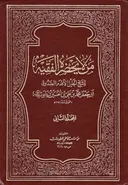
Man Lā Yaḥḍuruhū al-Faqīh, compiled by Shaykh al-Ṣadūq (Ibn Baḅawayh, d. 381 AH), is the second of the Four Main Shīʿī Ḥadīth collections and was expressly assembled as a practical handbook for any believer “who has no access to a jurist.” Unlike larger compendia, it presents each tradition succinctly—often omitting full chains of transmission—to focus squarely on the legal rulings and devotional practices essential to daily life. In its classical form it is a single work; modern printed editions typically span four volumes, comprising just under a thousand chapters arranged by topic.
A könyvek leírása és a hadíthok fordítása angol nyelvű (forrás: Thaqalayn.net). Az arab eredeti minden hadíth mellett szerepel.
Book of Zakat
Chapter on the Man Who Feels Shy to Take Zakat and is Given in Another Form
1597 - رَوَى عَاصِمُ بْنُ حُمَيْدٍ عَنْ أَبِي بَصِيرٍ قَالَ: قُلْتُ لِأَبِي جَعْفَرٍ عَلَيْهِ اَلسَّلاَمُ اَلرَّجُلُ مِنْ أَصْحَابِنَا يَسْتَحْيِي أَنْ يَأْخُذَ مِنَ اَلزَّكَاةِ فَأُعْطِيهِ مِنَ اَلزَّكَاةِ وَ لاَ أُسَمِّي لَهُ أَنَّهَا مِنَ اَلزَّكَاةِ فَقَالَ «أَعْطِهِ وَ لاَ تُسَمِّ لَهُ وَ لاَ تُذِلَّ اَلْمُؤْمِنَ ».
Hadith.1597 - Asim ibn Humayd reported from Abu Basir, who said:
I said to Abu Ja’far Imam Muhammad ibn Ali Al-Baqir (as) "A man from among our companions feels embarrassed to take from Zakat. Can I give it to him without telling him that it is from Zakat?"
The Imam (as) replied: "Give it to him without mentioning that it is Zakat, and do not humiliate the believer."
Book of Zakat
Chapter on Categories Upon Whom Zakat is Obligatory
1598 - رَوَى اَلْحَسَنُ بْنُ مَحْبُوبٍ عَنْ عَبْدِ اَللَّهِ بْنِ سِنَانٍ قَالَ قَالَ أَبُو عَبْدِ اَللَّهِ عَلَيْهِ اَلسَّلاَمُ : «أُنْزِلَتْ إِلَيْهِ آيَةُ اَلزَّكَاةِ « خُذْ مِنْ أَمْوٰالِهِمْ صَدَقَةً تُطَهِّرُهُمْ وَ تُزَكِّيهِمْ بِهٰا » فِي شَهْرِ رَمَضَانَ فَأَمَرَ رَسُولُ اَللَّهِ صَلَّى اَللَّهُ عَلَيْهِ وَ آلِهِ مُنَادِيَهُ فَنَادَى فِي اَلنَّاسِ «أَنَّ اَللَّهَ تَبَارَكَ وَ تَعَالَى قَدْ فَرَضَ عَلَيْكُمُ اَلزَّكَاةَ كَمَا فَرَضَ عَلَيْكُمُ اَلصَّلاَةَ فَفَرَضَ اَللَّهُ عَلَيْكُمْ مِنَ اَلذَّهَبِ وَ اَلْفِضَّةِ وَ اَلْإِبِلِ وَ اَلْبَقَرِ وَ اَلْغَنَمِ وَ مِنَ اَلْحِنْطَةِ وَ اَلشَّعِيرِ وَ اَلتَّمْرِ وَ اَلزَّبِيبِ» وَ نَادَى فِيهِمْ بِذَلِكَ فِي شَهْرِ رَمَضَانَ وَ عَفَا لَهُمْ عَمَّا سِوَى ذَلِكَ » قَالَ «ثُمَّ لَمْ يَتَعَرَّضْ لِشَيْءٍ مِنْ أَمْوَالِهِمْ حَتَّى حَالَ عَلَيْهِمُ اَلْحَوْلُ مِنْ قَابِلٍ فَصَامُوا وَ أَفْطَرُوا فَأَمَرَ عَلَيْهِ اَلسَّلاَمُ مُنَادِيَهُ فَنَادَى فِي اَلْمُسْلِمِينَ «أَيُّهَا اَلْمُسْلِمُونَ زَكُّوا أَمْوَالَكُمْ تُقْبَلْ صَلاَتُكُمْ» » قَالَ «ثُمَّ وَجَّهَ عُمَّالَ اَلصَّدَقَةِ وَ عُمَّالَ اَلطَّسُوقِ ».
Hadith.1598 - Al-Hasan ibn Mahbub reported from Abdullah ibn Sinan, who said:
Abu Abdullah Imam Jafar ibn Muhammad Al-Sadiq (as) said:
"The verse of Zakat was revealed: 'Take alms from their wealth to purify them and cleanse them with it' (Surah At-Tawbah 9:103), in the Month of Ramadan. The Messenger of Allah (swt), peace and blessings be upon him and his family, ordered his announcer to proclaim to the people: 'Allah (swt), Blessed and Exalted, has made Zakat obligatory upon you as He has made prayer obligatory upon you. Allah (swt) has prescribed Zakat for gold, silver, camels, cows, sheep, wheat, barley, dates, and raisins.' He announced this during the Month of Ramadan and exempted them from everything else."
The Imam continued:
"Then he did not take anything from their wealth until a full year had passed. When the following year came, they fasted and broke their fast. Then the Messenger of Allah (swt), peace and blessings be upon him, ordered his announcer to call out among the Muslims:
'O Muslims, pay the Zakat of your wealth so that your prayers may be accepted.'
He then sent out collectors for Zakat and tax collectors."
1599 - وَ رَوَى زُرَارَةُ وَ بُكَيْرٌ عَنْ أَبِي جَعْفَرٍ عَلَيْهِ اَلسَّلاَمُ قَالَ: «لَيْسَ فِي اَلْجَوْهَرِ وَ أَشْبَاهِهِ زَكَاةٌ وَ إِنْ كَثُرَ.
Hadith.1599 - Zurara and Bukayr reported from Abu Ja’far Imam Muhammad ibn Ali Al-Baqir (as) who said:
"There is no Zakat on gemstones and similar items, even if they are abundant."
1600 - وَ قَدْ رَوَى مُحَمَّدُ بْنُ عَبْدِ اَلْجَبَّارِ : أَنَّ بَعْضَ أَصْحَابِنَا كَتَبَ عَلَى يَدَيْ أَحْمَدَ بْنِ إِسْحَاقَ إِلَى عَلِيِّ بْنِ مُحَمَّدٍ اَلْعَسْكَرِيِّ عَلَيْهِ اَلسَّلاَمُ أُعْطِي اَلرَّجُلَ مِنْ إِخْوَانِي مِنَ اَلزَّكَاةِ اَلدِّرْهَمَيْنِ وَ اَلثَّلاَثَةَ فَكَتَبَ «اِفْعَلْ إِنْ شَاءَ اَللَّهُ ».
Hadith.1600 - Muhammad ibn Abd al-Jabbar narrated that one of our companions wrote a question through Ahmad ibn Ishaq to Imam Ali ibn Muhammad Al-Hadi (as) asking:
"May I give one of my brothers two or three dirhams from Zakat?"
The Imam wrote in reply: "Do so, if Allah (swt) wills."
1601 - وَ قَدْ رُوِيَ عَنِ اَلصَّادِقِ عَلَيْهِ اَلسَّلاَمُ أَنَّهُ قَالَ: «نِعْمَ اَلشَّيْءُ اَلْقَرْضُ إِنْ أَيْسَرَ قَضَاكَ وَ إِنْ أَعْسَرَ حَسَبْتَهُ مِنَ اَلزَّكَاةِ.
Hadith.1601 - It has been narrated from Imam Jafar ibn Muhammad Al-Sadiq (as) that he said:
"Loaning is a good deed. If the borrower is able to repay, they will do so; and if they are unable, you can count it as part of your Zakat."
1602 - وَ رُوِيَ: «أَنَّ اَلْقَرْضَ حِمًى لِلزَّكَاةِ وَ إِنْ كَانَ لَكَ عَلَى رَجُلٍ مَالٌ وَ لَمْ يَتَهَيَّأْ لَكَ قَضَاؤُهُ فَاحْسُبْهُ مِنَ اَلزَّكَاةِ إِنْ شِئْتَ وَ لاَ بَأْسَ أَنْ يَشْتَرِيَ اَلرَّجُلُ مَمْلُوكاً مُؤْمِناً مِنْ زَكَاةِ مَالِهِ فَيُعْتِقَهُ فَإِنِ اِسْتَفَادَ اَلْمَعْتُوقُ مَالاً وَ مَاتَ فَمَالُهُ لِأَهْلِ اَلزَّكَاةِ لِأَنَّهُ اُشْتُرِيَ بِمَالِهِمْ وَ إِنِ اِشْتَرَى رَجُلٌ أَبَاهُ مِنْ زَكَاةِ مَالِهِ فَأَعْتَقَهُ فَهُوَ جَائِزٌ وَ إِذَا مَاتَ رَجُلٌ مُؤْمِنٌ وَ أَحْبَبْتَ أَنْ تُكَفِّنَهُ مِنْ زَكَاةِ مَالِكَ فَأَعْطِهَا وَرَثَتَهُ يُكَفِّنُونَهُ بِهَا فَإِنْ لَمْ يَكُنْ لَهُ وَرَثَةٌ فَكَفِّنْهُ وَ اُحْسُبْهُ مِنَ اَلزَّكَاةِ فَإِنْ أَعْطَى وَرَثَتَهُ قَوْمٌ آخَرُونَ ثَمَنَ كَفَنٍ فَكَفِّنْهُ أَنْتَ وَ اُحْسُبْهُ مِنَ اَلزَّكَاةِ إِنْ شِئْتَ وَ يَكُونُ مَا أَعْطَاهُمُ اَلْقَوْمُ لَهُمْ يُصْلِحُونَ بِهِ شُئُونَهُمْ وَ إِنْ كَانَ عَلَى اَلْمَيِّتِ دَيْنٌ لَمْ يَلْزَمْ وَرَثَتَهُ قَضَاؤُهُ مِمَّا أَعْطَيْتَهُمْ وَ لاَ مِمَّا أَعْطَاهُمُ اَلْقَوْمُ لِأَنَّهُ لَيْسَ بِمِيرَاثٍ وَ إِنَّمَا هُوَ شَيْءٌ صَارَ لِوَرَثَتِهِ بَعْدَ مَوْتِهِ وَ إِذَا كَانَ مَالُكَ فِي تِجَارَةٍ وَ طُلِبَ مِنْكَ اَلْمَتَاعُ بِرَأْسِ مَالِكَ وَ لَمْ تَبِعْهُ تَبْتَغِي بِذَلِكَ اَلْفَضْلَ فَعَلَيْكَ زَكَاتُهُ إِذَا حَالَ عَلَيْهِ اَلْحَوْلُ وَ إِنْ لَمْ يُطْلَبْ مِنْكَ اَلْمَتَاعُ بِرَأْسِ مَالِكَ - فَلَيْسَ عَلَيْكَ زَكَاتُهُ وَ إِنْ غَابَ عَنْكَ مَالُكَ فَلَيْسَ عَلَيْكَ زَكَاتُهُ إِلَى أَنْ يَرْجِعَ إِلَيْكَ مَالُكَ وَ يَحُولَ عَلَيْهِ اَلْحَوْلُ وَ هُوَ فِي يَدِكَ إِلاَّ أَنْ يَكُونَ مَالُكَ عَلَى رَجُلٍ مَتَى أَرَدْتَ أَخْذَهُ مِنْهُ تَهَيَّأَ لَكَ فَإِنَّ عَلَيْكَ فِيهِ اَلزَّكَاةَ فَإِنْ رَجَعَ إِلَيْكَ مَنْفَعَتُهُ لَزِمَتْكَ زَكَاتُهُ وَ إِنْ بِعْتَ شَيْئاً وَ قَبَضْتَ ثَمَنَهُ فَاشْتَرَطْتَ عَلَى اَلْمُشْتَرِي زَكَاةَ سَنَةٍ أَوْ سَنَتَيْنِ أَوْ أَكْثَرَ فَإِنَّ ذَلِكَ جَائِزٌ يَلْزَمُهُ مِنْ دُونِكَ وَ إِنِ اِسْتَقْرَضْتَ مِنْ رَجُلٍ مَالاً وَ بَقِيَ عِنْدَكَ حَتَّى حَالَ عَلَيْهِ اَلْحَوْلُ فَإِنَّ عَلَيْكَ فِيهِ اَلزَّكَاةَ وَ لاَ تُعْطِ زَكَاةَ مَالِكَ غَيْرَ أَهْلِ اَلْوَلاَيَةِ وَ لاَ تُعْطِ مِنْ أَهْلِ اَلْوَلاَيَةِ اَلْأَبَوَيْنِ وَ اَلْوَلَدَ وَ لاَ اَلزَّوْجَ وَ لاَ اَلزَّوْجَةَ وَ لاَ اَلْمَمْلُوكَ وَ لاَ اَلْجَدَّ وَ لاَ اَلْجَدَّةَ وَ كُلَّ مَنْ يُجْبَرُ اَلرَّجُلُ عَلَى نَفَقَتِهِ وَ لاَ بَأْسَ أَنْ يُعْطَى اَلْأَخُ وَ اَلْأُخْتُ وَ اَلْعَمُّ وَ اَلْعَمَّةُ وَ اَلْخَالُ وَ اَلْخَالَةُ مِنَ اَلزَّكَاةِ.
Hadith.1602 - It is narrated:
"A loan is a safeguard for Zakat. If you are owed money by someone and they are unable to repay it, you may count it as part of your Zakat if you wish.
There is no issue if a person buys a believing slave with Zakat money and emancipates him. If the emancipated person gains wealth and dies, his wealth belongs to the beneficiaries of Zakat because he was purchased with their money.
If a man buys his father with Zakat money and emancipates him, this is permissible.
If a believer dies and you wish to shroud him using Zakat funds, give the Zakat to his heirs so they may shroud him. If he has no heirs, you may shroud him and count it as part of your Zakat.
If others give the heirs the cost of the shroud, you may still shroud him yourself and count it as Zakat if you wish. The money given by others to the heirs remains theirs to manage their affairs.
If the deceased had debts, it is not obligatory for the heirs to repay those debts from the Zakat you gave them or from the funds given by others, because these funds are not inheritance but something that came to the heirs after the death of the deceased.
If your wealth is in trade, and the goods are sought at your purchase price, Zakat is obligatory upon it if a year passes. If the goods are not sought at your purchase price, there is no Zakat due.
If your wealth is absent, Zakat is not due on it until it returns to you and a year passes with it in your possession.
However, if your wealth is owed by someone who can repay it whenever you ask, then Zakat is obligatory upon it. Once its benefit returns to you, Zakat becomes due upon it.
If you sell something and receive its price but stipulate with the buyer that they must pay the Zakat for one, two, or more years, this is permissible, and the responsibility for Zakat falls upon them, not you.
If you borrow money from someone and keep it until a year passes, Zakat is obligatory upon that money.
Do not give your Zakat to those outside the circle of wilayah, and do not give it to your parents, children, spouses, slaves, grandparents, or anyone whose expenses you are obligated to cover.
However, there is no issue in giving Zakat to your brother, sister, uncle, aunt, or cousins."
1603 - وَ قَالَ زُرَارَةُ : قُلْتُ لِأَبِي عَبْدِ اَللَّهِ عَلَيْهِ اَلسَّلاَمُ رَجُلٌ عِنْدَهُ مِائَةٌ وَ تِسْعَةٌ وَ تِسْعُونَ دِرْهَماً وَ تِسْعَةَ عَشَرَ دِينَاراً أَ يُزَكِّيهَا فَقَالَ «لاَ لَيْسَ عَلَيْهِ زَكَاةٌ فِي اَلدَّرَاهِمِ وَ لاَ فِي اَلدَّنَانِيرِ حَتَّى تَتِمَّ» قَالَ زُرَارَةُ وَ كَذَلِكَ هُوَ فِي جَمِيعِ اَلْأَشْيَاءِ قَالَ وَ قُلْتُ لِأَبِي عَبْدِ اَللَّهِ عَلَيْهِ اَلسَّلاَمُ رَجُلٌ كَانَتْ عِنْدَهُ أَرْبَعُ أَيْنُقٍ وَ تِسْعٌ وَ ثَلاَثُونَ شَاةً وَ تِسْعٌ وَ عِشْرُونَ بَقَرَةً أَ يُزَكِّيهِنَّ قَالَ «لاَ يُزَكِّي شَيْئاً مِنْهُنَّ لِأَنَّهُ لَيْسَ شَيْءٌ مِنْهُنَّ تَامّاً فَلَيْسَ تَجِبُ فِيهِ اَلزَّكَاةُ ».
Hadith.1603 - Zurara said:
I asked Abu Abdullah Imam Jafar ibn Muhammad Al-Sadiq (as) "A man possesses one hundred and ninety-nine dirhams and nineteen dinars. Is Zakat due on them?"
Imam (as) replied: "No, there is no Zakat on the dirhams or the dinars until they reach the full amount."
Zurara said: "And this is the case for all things."
He continued:
I said to Abu Abdullah (as) "A man has four camels, thirty-nine sheep, and twenty-nine cows. Is Zakat due on them?"
Imam (as) replied: "He does not owe Zakat on any of them because none of them has reached the complete (obligatory) amount, and therefore Zakat is not due upon them."
1604 - وَ رَوَى عُمَرُ بْنُ أُذَيْنَةَ عَنْ زُرَارَةَ عَنْ أَبِي جَعْفَرٍ عَلَيْهِ اَلسَّلاَمُ قَالَ: «لَيْسَ فِيمَا دُونَ اَلْخَمْسِ مِنَ اَلْإِبِلِ شَيْءٌ فَإِذَا كَانَتْ خَمْساً فَفِيهَا شَاةٌ إِلَى عَشْرٍ فَإِذَا كَانَتْ عَشْراً فَفِيهَا شَاتَانِ فَإِذَا بَلَغَتْ خَمْسَ عَشْرَةَ فَفِيهَا ثَلاَثٌ مِنَ اَلْغَنَمِ فَإِذَا بَلَغَتْ عِشْرِينَ فَفِيهَا أَرْبَعٌ مِنَ اَلْغَنَمِ فَإِذَا بَلَغَتْ خَمْساً وَ عِشْرِينَ فَفِيهَا خَمْسٌ مِنَ اَلْغَنَمِ فَإِذَا زَادَتْ وَاحِدَةٌ فَفِيهَا اِبْنَةُ مَخَاضٍ إِلَى خَمْسٍ وَ ثَلاَثِينَ فَإِنْ لَمْ يَكُنْ عِنْدَهُ اِبْنَةُ مَخَاضٍ فَابْنُ لَبُونٍ ذَكَرٌ فَإِذَا زَادَتْ عَلَى خَمْسٍ وَ ثَلاَثِينَ بِوَاحِدَةٍ فَفِيهَا اِبْنَةُ لَبُونٍ إِلَى خَمْسٍ وَ أَرْبَعِينَ فَإِذَا زَادَتْ وَاحِدَةٌ فَفِيهَا حِقَّةٌ وَ إِنَّمَا سُمِّيَتْ حِقَّةً لِأَنَّهَا اِسْتَحَقَّتْ أَنْ يُرْكَبَ ظَهْرُهَا إِلَى سِتِّينَ فَإِنْ زَادَتْ وَاحِدَةٌ فَفِيهَا جَذَعَةٌ إِلَى خَمْسٍ وَ سَبْعِينَ فَإِنْ زَادَتْ وَاحِدَةٌ فَفِيهَا اِبْنَتَا لَبُونٍ إِلَى تِسْعِينَ فَإِنْ زَادَتْ وَاحِدَةٌ فَحِقَّتَانِ إِلَى عِشْرِينَ وَ مِائَةٍ فَإِنْ زَادَتْ عَلَى اَلْعِشْرِينَ وَ اَلْمِائَةِ وَاحِدَةٌ فَفِي كُلِّ خَمْسِينَ حِقَّةٌ وَ فِي كُلِّ أَرْبَعِينَ بِنْتُ لَبُونٍ ».
Hadith.1604 - Umar ibn Udhaynah narrated from Zurara, who reported from Abu Ja’far Imam Muhammad ibn Ali Al-Baqir (as) who said:
"There is no Zakat on fewer than five camels. When there are five camels, one sheep is due as Zakat, up to ten camels. When there are ten camels, two sheep are due. When they reach fifteen camels, three sheep are due. When they reach twenty camels, four sheep are due. When they reach twenty-five camels, five sheep are due.
If they exceed twenty-five camels by one, a yearling she-camel (bint makhad) is due, up to thirty-five camels. If the owner does not have a yearling she-camel, then a yearling male camel (ibn labun) is acceptable.
When the camels exceed thirty-five by one, a two-year-old she-camel (bint labun) is due, up to forty-five camels. If they increase by one over forty-five, a three-year-old she-camel (hiqqah) is due. It is called hiqqah because it has become eligible to be ridden.
This continues up to sixty camels. If they increase by one beyond sixty, a four-year-old she-camel (jadha'ah) is due, up to seventy-five camels. If they increase by one beyond seventy-five, two two-year-old she-camels (bint labun) are due, up to ninety camels.
If they increase by one beyond ninety, two three-year-old she-camels (hiqqah) are due, up to one hundred and twenty camels. If they exceed one hundred and twenty camels, for every fifty camels, a three-year-old she-camel (hiqqah) is due, and for every forty camels, a two-year-old she-camel (bint labun) is due."
1605 - وَ رُوِيَ عَنْ رَجُلٍ مِنْ ثَقِيفٍ أَنَّهُ قَالَ: اِسْتَعْمَلَنِي عَلِيُّ بْنُ أَبِي طَالِبٍ عَلَيْهِ اَلسَّلاَمُ عَلَى بَانِقْيَا وَ سَوَادٍ مِنْ سَوَادِ اَلْكُوفَةِ فَقَالَ لِي وَ اَلنَّاسُ حُضُورٌ «اُنْظُرْ خَرَاجَكَ فَجِدَّ فِيهِ وَ لاَ تَتْرُكْ مِنْهُ دِرْهَماً فَإِذَا أَرَدْتَ أَنْ تَتَوَجَّهَ إِلَى عَمَلِكَ فَمُرَّ بِي» قَالَ فَأَتَيْتُهُ فَقَالَ لِي «إِنَّ اَلَّذِي سَمِعْتَهُ مِنِّي خُدْعَةٌ إِيَّاكَ أَنْ تَضْرِبَ مُسْلِماً أَوْ يَهُودِيّاً أَوْ نَصْرَانِيّاً فِي دِرْهَمِ خَرَاجٍ أَوْ تَبِيعَ دَابَّةَ عَمَلٍ فِي دِرْهَمٍ فَإِنَّا أُمِرْنَا أَنْ نَأْخُذَ مِنْهُ اَلْعَفْوَ ».
Hadith.1605 - It is narrated from a man of Thaqif who said:
"Imam Ali ibn Abi Talib (as) appointed me over Banqiya and a portion of the lands of Kufa. He said to me, in the presence of the people: 'Inspect your revenue and be diligent in collecting it; do not leave even a single dirham. When you are ready to head to your assignment, come see me.'
I went to him, and Imam (as) said to me: 'What you heard from me was a strategy. Be cautious not to strike a Muslim, a Jew, or a Christian for a dirham of revenue, nor to seize a working animal for a dirham. We have been commanded to take only what is easy for them to give.'"
1606 - وَ قَالَ عَلِيٌّ عَلَيْهِ اَلسَّلاَمُ : «لاَ تُبَاعُ اَلصَّدَقَةُ حَتَّى تُعْقَلَ.
Hadith.1606 - Imam Ali ibn Abi Talib (as) said: "Charity is not sold until it is apportioned."