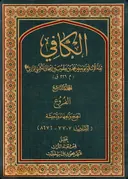
al-Kāfī, compiled by Shaykh al-Kulaynī, is a monumental work belonging to a number of books belonging to the Shīʿī Ḥadīth literature. It comprises of eight volumes and took twenty years to compile, making it an extensive collection of wisdom and guidance for adherents of the faith. The eight volumes are divided into three main parts: al-Uṣūl (Roots), al-Furūʿ (Branches), and al-Rawḍa (the Garden).
Part 1 (Volumes 1 & 2): al-Uṣūl (Roots)
This portion delves into the principles of beliefs, containing eight books that discuss topics such as the intellect and ignorance, the virtues of knowledge, Divine Unity, Divine Authority, Belief and Disbelief, Suppications, the Virtues of the Holy Qurʾān, in addition to Ethics and Morals.
Part 2 (Volumes 3 to 7): al-Furūʿ (Branches)
This portion comprises of Ḥadīths related to Islamic jurisprudence, including acts of worship, business transactions, and judicial laws. It covers a vast array of topics in 26 books, ranging from the laws of cleanliness and menstruation to those of wills, inheritance, and legal penalties.
Part 3 (Volume 8): al-Rawḍa (the Garden)
al-Rawḍa encompasses a collection of miscellaneous Ḥadīths, which cover topics that had already been glazed over in prior two portions of the book. Many a time, long Ḥadīths will be included from written letters, wills of the Imams and historical narrations that didn’t necessarily fit in chapter headings that were made in the first seven volumes. The Ḥadīths are not organised in a specific way, but its diversity adds depth to the understanding of the faith.
A könyvek leírása és a hadíthok fordítása angol nyelvű (forrás: Thaqalayn.net). Az arab eredeti minden hadíth mellett szerepel.
The Book of ‘Aqiqah (Offering Animal Sacrifice for a Newborn Child)
Excellence of Son
عَلِيُّ بْنُ إِبْرَاهِيمَ عَنْ أَبِيهِ عَنِ النَّوْفَلِيِّ عَنِ السَّكُونِيِّ عَنْ أَبِي عَبْدِ اللَّهِ ( عليه السلام ) قَالَ قَالَ رَسُولُ اللَّهِ ( صلى الله عليه وآله ) الْوَلَدُ الصَّالِحُ رَيْحَانَةٌ مِنَ اللَّهِ قَسَمَهَا بَيْنَ عِبَادِهِ وَ إِنَّ رَيْحَانَتَيَّ مِنَ الدُّنْيَا الْحَسَنُ وَ الْحُسَيْنُ سَمَّيْتُهُمَا بِاسْمِ سِبْطَيْنِ مِنْ بَنِي إِسْرَائِيلَ شَبَّراً وَ شَبِيراً .
1. Ali ibn Ibrahim has narrated from his father from af-Nawfafiy from af-Sakuniy who has said the following: “Abu ‘Abd Allah (a.s.), has said that the Messenger of Allah, O Allah, grant compensation to Muhammad and his family worthy of their services to Your cause, has said, ‘A virtuous son is a sweet smelling flower from Allah which Allah distributes among His servants. My sweet smelling flowers in this world are al-Hassan and al-Husayn whom I have named after the names of two grandsons in banu Israel, called Shabbar and Shabiyr.’”
عِدَّةٌ مِنْ أَصْحَابِنَا عَنْ أَحْمَدَ بْنِ مُحَمَّدٍ عَنْ عُثْمَانَ بْنِ عِيسَى عَنِ ابْنِ مُسْكَانَ عَنْ بَعْضِ أَصْحَابِهِ أَنَّهُ قَالَ قَالَ عَلِيُّ بْنُ لْحُسَيْنِ ( عليه السلام ) مِنْ سَعَادَةِ الرَّجُلِ أَنْ يَكُونَ لَهُ وُلْدٌ يَسْتَعِينُ بِهِمْ .
2. A number of our people have narrated from Ahmad ibn Muhammad from ‘Uthman ibn ‘Isa from ibn Muskan from certain persons of our people who has said the following: “Ali ibn al-Husayn (a.s.), has said, ‘It is of prosperity and good fortune of a man to have sons who help and support him.’”
عِدَّةٌ مِنْ أَصْحَابِنَا عَنْ أَحْمَدَ بْنِ مُحَمَّدٍ عَنِ الْقَاسِمِ بْنِ يَحْيَى عَنْ جَدِّهِ الْحَسَنِ بْنِ رَاشِدٍ عَنْ مُحَمَّدِ بْنِ مُسْلِمٍ عَنْ أَبِي عَبْدِ اللَّهِ ( عليه السلام ) قَالَ قَالَ رَسُولُ اللَّهِ ( صلى الله عليه وآله ) أَكْثِرُوا الْوَلَدَ أُكَاثِرْ بِكُمُ الْأُمَمَ غَداً .
3. A number of our people have narrated from Ahmad ibn Muhammad from al-Qasim ibn Yahya from his grandfather al-Hassan ibn Rashid from Muhammad ibn Muslim who has said the following: “Abu ‘Abd Allah (a.s.), has said that the Messenger of Allah, O Allah, grant compensation to Muhammad and his family worthy of their services to Your cause, has said, ‘You (my followers) should bring up more children because I will claim to have the majority with you among the nations tomorrow (on the Day of Judgment).”’
عَلِيُّ بْنُ إِبْرَاهِيمَ عَنْ أَبِيهِ عَنِ ابْنِ أَبِي عُمَيْرٍ عَنْ عَبْدِ اللَّهِ بْنِ سِنَانٍ عَنْ أَبِي عَبْدِ اللَّهِ ( عليه السلام ) قَالَ لَمَّا لَقِيَ يُوسُفُ أَخَاهُ قَالَ لَهُ يَا أَخِي كَيْفَ اسْتَطَعْتَ أَنْ تَتَزَوَّجَ النِّسَاءَ بَعْدِي قَالَ إِنَّ أَبِي أَمَرَنِي وَ قَالَ إِنِ اسْتَطَعْتَ أَنْ تَكُونَ لَكَ ذُرِّيَّةٌ تُثْقِلُ الْأَرْضَ بِالتَّسْبِيحِ فَافْعَلْ .
4. Ali ibn Ibrahim has narrated from his father from Ibn Abi ‘Umayr from ‘Abd Allah ibn Sinan who has said the following: “Abu ‘Abd Allah (a.s.), has said, ‘When Yusuf ‘Alayhi al-Salam, met his brother, he asked him, ‘How could you marry women after me?’ He replied, ‘My father commanded me and said, ‘If you like to have such a number of children who can make the earth heavy with Tasbih (Allah is free of all defects) you must do so.’”
أَبُو عَلِيٍّ الْأَشْعَرِيُّ عَنْ مُحَمَّدِ بْنِ عَبْدِ الْجَبَّارِ عَنْ صَفْوَانَ بْنِ يَحْيَى عَنْ إِسْحَاقَ بْنِ عَمَّارٍ عَنْ أَبِي عَبْدِ اللَّهِ ( عليه السلام ) قَالَ إِنَّ فُلَاناً رَجُلًا سَمَّاهُ قَالَ إِنِّي كُنْتُ زَاهِداً فِي الْوَلَدِ حَتَّى وَقَفْتُ بِعَرَفَةَ فَإِذَا إِلَى جَانِبِي غُلَامٌ شَابٌّ يَدْعُو وَ يَبْكِي وَ يَقُولُ يَا رَبِّ وَالِدَيَّ وَالِدَيَّ فَرَغَّبَنِي فِي الْوَلَدِ حِينَ سَمِعْتُ ذَلِكَ .
5. Abu Ali al-Ash‘ariy has narrated from Muhammad ibn ‘Abd al-Jabbar from Safwan ibn Yahya from Ishaq ibn ‘Ammar who has said the following: “Abu ‘Abd Allah (a.s.), has said that so and so -whose name he (the Imam) mentioned- once said, ‘I was not interested in children until I stood in al-‘Arafat and there was a young man next to me who prayed and wept, saying, “O Lord, my parents, (grant blessings to) my parents.” Hearing this made me interested in children.’”
عِدَّةٌ مِنْ أَصْحَابِنَا عَنْ أَحْمَدَ بْنِ مُحَمَّدِ بْنِ خَالِدٍ عَنْ أَبِيهِ مُرْسَلًا عَنْ أَبِي عَبْدِ اللَّهِ ( عليه السلام ) قَالَ قَالَ رَسُولُ اللَّهِ ( صلى الله عليه وآله ) مِنْ سَعَادَةِ الرَّجُلِ الْوَلَدُ الصَّالِحُ .
6. A number of our people have narrated from Ahmad ibn Muhammad from ibn Khalid from his father in a mursal manner has said, the following: “Abu ‘Abd Allah (a.s.), has said that the Messenger of Allah, O Allah, grant compensation to Muhammad and his family worthy of their services to Your cause, has said, ‘Of good fortune and prosperity of a man is his having the virtuous son.’”
وَ عَنْهُ عَنْ بَكْرِ بْنِ صَالِحٍ قَالَ كَتَبْتُ إِلَى أَبِي الْحَسَنِ ( عليه السلام ) أَنِّي اجْتَنَبْتُ طَلَبَ الْوَلَدِ مُنْذُ خَمْسِ سِنِينَ وَ ذَلِكَ أَنَّ أَهْلِي كَرِهَتْ ذَلِكَ وَ قَالَتْ إِنَّهُ يَشْتَدُّ عَلَيَّ تَرْبِيَتُهُمْ لِقِلَّةِ الشَّيْءِ فَمَا تَرَى فَكَتَبَ ( عليه السلام ) إِلَيَّ اطْلُبِ الْوَلَدَ فَإِنَّ اللَّهَ عَزَّ وَ جَلَّ يَرْزُقُهُمْ .
7. It is narrated from the narrator of the previous Hadith from Bakr ibn Salih who has said the following: “I once wrote to abu al-Hassan (a.s.), saying, ‘I have avoided praying for a son for five years because my wife dislikes it and says that bringing up a child is very difficult because of lack of resources.’ He (the Imam) (a.s.), wrote to me, ‘Ask for them (children): Allah, most Majestic, most Glorious, will grant them sustenance.’”
مُحَمَّدُ بْنُ يَحْيَى عَنْ أَحْمَدَ بْنِ مُحَمَّدِ بْنِ عِيسَى عَنْ مُحَمَّدِ بْنِ يَحْيَى عَنْ طَلْحَةَ بْنِ زَيْدٍ عَنْ أَبِي عَبْدِ اللَّهِ ( عليه السلام ) قَالَ إِنَّ أَوْلَادَ الْمُسْلِمِينَ مَوْسُومُونَ عِنْدَ اللَّهِ شَافِعٌ وَ مُشَفَّعٌ فَإِذَا بَلَغُوا اثْنَتَيْ عَشْرَةَ سَنَةً كَانَتْ لَهُمُ الْحَسَنَاتُ فَإِذَا بَلَغُوا الْحُلُمَ كُتِبَتْ عَلَيْهِمُ السَّيِّئَاتُ .
8. Muhammad ibn Yahya has narrated from Ahmad ibn Muhammad ibn ‘Isa from Muhammad ibn Yahya from Talhah ibn Zayd who has said the following: “Abu ‘Abd Allah (a.s.), has said, ‘Children of believing people are named before Allah, as intercessors with accepted intercession. When they become twelve years old they can have good deeds and when they mature then sins are written against them.’”
عَلِيُّ بْنُ إِبْرَاهِيمَ عَنْ أَبِيهِ عَنِ النَّوْفَلِيِّ عَنِ السَّكُونِيِّ عَنْ أَبِي عَبْدِ اللَّهِ ( عليه السلام ) أَنَّ أَمِيرَ الْمُؤْمِنِينَ ( عليه السلام ) كَانَ يَقْرَأُ وَ إِنِّي خِفْتُ الْمَوالِيَ مِنْ وَرائِي يَعْنِي أَنَّهُ لَمْ يَكُنْ لَهُ وَارِثٌ حَتَّى وَهَبَ اللَّهُ لَهُ بَعْدَ الْكِبَرِ .
9. Ali ibn Ibrahim has narrated from his father from al-Nawfaliy from al-Sakuniy who has said the following: “Abu ‘Abd Allah (a.s.), has said that ’Amir al-Mu’minin would read, ‘. . . I am afraid for my dependents after me,’ (19:6) meaning that he had no heirs until Allah granted him (an heir) after his becoming very old.’”
عَلِيُّ بْنُ إِبْرَاهِيمَ عَنْ أَبِيهِ عَنِ النَّوْفَلِيِّ عَنِ السَّكُونِيِّ عَنْ أَبِي عَبْدِ اللَّهِ ( عليه السلام ) قَالَ قَالَ رَسُولُ اللَّهِ ( صلى الله عليه وآله ) إِنَّ الْوَلَدَ الصَّالِحَ رَيْحَانَةٌ مِنْ رَيَاحِينِ الْجَنَّةِ .
10. Ali ibn Ibrahim has narrated from his father from al-Nawfaliy from al-Sakuniy who has said the following: “Abu ‘Abd Allah (a.s.), has said that the Messenger of Allah, O Allah, grant compensation to Muhammad and his family worthy of their services to Your cause, has said, ‘A virtuous son is a sweet smelling flower from the flowers of paradise.’”