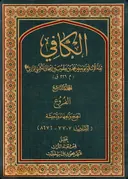
The Book of Dresses, Beautification and Kindness
The Under arms
بَعْضُ أَصْحَابِنَا عَنِ ابْنِ جُمْهُورٍ عَنْ مُحَمَّدِ بْنِ الْقَاسِمِ وَ مُحَمَّدُ بْنُ يَحْيَى عَنْ مُحَمَّدِ بْنِ أَحْمَدَ عَنْ يُوسُفَ بْنِ السُّخْتِ الْبَصْرِيِّ عَنْ مُحَمَّدِ بْنِ سُلَيْمَانَ عَنْ إِبْرَاهِيمَ بْنِ يَحْيَى بْنِ أَبِي الْبِلَادِ عَنِ الْحَسَنِ بْنِ عَلِيِّ بْنِ مِهْرَانَ جَمِيعاً عَنْ عَبْدِ اللَّهِ بْنِ أَبِي يَعْفُورٍ قَالَ كُنَّا بِالْمَدِينَةِ فَلَاحَانِي زُرَارَةُ فِي نَتْفِ الْإِبْطِ وَ حَلْقِهِ فَقُلْتُ حَلْقُهُ أَفْضَلُ وَ قَالَ زُرَارَةُ نَتْفُهُ أَفْضَلُ فَاسْتَأْذَنَّا عَلَى أَبِي عَبْدِ اللَّهِ ( عليه السلام ) فَأَذِنَ لَنَا وَ هُوَ فِي الْحَمَّامِ يَطَّلِي قَدِ اطَّلَى إِبْطَيْهِ فَقُلْتُ لِزُرَارَةَ يَكْفِيكَ قَالَ لَا لَعَلَّهُ فَعَلَ هَذَا لِمَا لَا يَجُوزُ لِي أَنْ أَفْعَلَهُفَقَالَ فِيمَ أَنْتُمْ فَقُلْتُ لَاحَانِي زُرَارَةُ فِي نَتْفِ الْإِبْطِ وَ حَلْقِهِ فَقُلْتُ حَلْقُهُ أَفْضَلُ وَ قَالَ نَتْفُهُ أَفْضَلُ فَقَالَ أَصَبْتَ السُّنَّةَ وَ أَخْطَأَهَا زُرَارَةُ حَلْقُهُ أَفْضَلُ مِنْ نَتْفِهِ وَ طَلْيُهُ أَفْضَلُ مِنْ حَلْقِهِ ثُمَّ قَالَ لَنَا اطَّلِيَا فَقُلْنَا فَعَلْنَا ذَلِكَ مُنْذُ ثَلَاثٍ فَقَالَ أَعِيدَا فَإِنَّ الِاطِّلَاءَ طَهُورٌ.
5. Certain persons of our people has narrated from ibn Jumhur from Muhammad ibn al-Qasim Ahmad ibn Muhammad from Muhammad ibn Yahya from Muhammad ibn Ahmad from Yusuf ibn al-Sukht al-Basriy from Muhammad ibn Sulayman from Ibrahim ibn Yahya ibn abu al-Balad from al-Flassan ibn Ali ibn Mehran all from ‘Abd Allah ibn abu Ya‘fur who has said the following: “Once in al-Madinah Zurarah argued about pulling out or shaving of the hairs of the underarms and I said that shaving is better. Zurarah said pulling out is better. We then asked permission to meet abu ‘Abd Allah (a.s.). Permission was granted and he (the Imam) was in the bathhouse applying lime paste and it was applied to his underarms. I said to Zurarah that that is sufficient but Zurarah said, ‘Perhaps he (the Imam) has done so because it is not permissible for me to do so.’ He (the Imam) asked, ‘What is the issue between you two?’ I said, ‘Zurarah argues with me about the pulling up of the hairs of underarms or shaving. I say that shaving is better than pulling it out and he says pulling out is better.’ He (the Imam) said, ‘You have followed the Sunnah correctly but Zurarah has missed it. Shaving is better than pulling out and applying lime paste is better than shaving.’ He (the Imam) then said, ‘Apply lime paste.’ We said that we had done so three days ago. He (the Imam) said, ‘Apply it again; it is a cleanser.’”
مُحَمَّدُ بْنُ يَحْيَى عَنْ أَحْمَدَ بْنِ مُحَمَّدٍ عَنِ ابْنِ مَحْبُوبٍ عَنْ يُونُسَ بْنِ يَعْقُوبَ أَنَّ أَبَا عَبْدِ اللَّهِ ( عليه السلام ) كَانَ يَدْخُلُ الْحَمَّامَ فَيَطْلِي إِبْطَهُ وَحْدَهُ إِذَا احْتَاجَ إِلَى ذَلِكَ وَحْدَهُ .
6. Muhammad ibn Yahya has narrated from Ahmad ibn Muhammad from ibn Mahbub from Yunus ibn Ya‘qub who has said the following: “Abu ‘Abd Allah (a.s.), whenever needed would go to the bathhouse only to apply lime paste to his underarms.’”
عِدَّةٌ مِنْ أَصْحَابِنَا عَنْ سَهْلِ بْنِ زِيَادٍ عَنْ أَحْمَدَ بْنِ مُحَمَّدِ بْنِ أَبِي نَصْرٍ عَنْ يُونُسَ بْنِ يَعْقُوبَ قَالَ بَلَغَنِي أَنَّ أَبَا عَبْدِ اللَّهِ ( عليه السلام ) رُبَّمَا دَخَلَ الْحَمَّامَ مُتَعَمِّداً يَطْلِي إِبْطَهُ وَحْدَهُ .
7. A number of our people have narrated from Sahl ibn Ziyad from Ahmad ibn Muhammad from ibn abu Nasr from Yunus ibn Ya’qub who has said the following: “I am informed that abu ‘ Abd Allah (a.s.), enters the bathhouse only to apply lime paste to his underarms alone.’”
The Book of Dresses, Beautification and Kindness
Applying henna after Lime Paste
عَلِيُّ بْنُ مُحَمَّدِ بْنِ بُنْدَارَ وَ مُحَمَّدُ بْنُ الْحَسَنِ جَمِيعاً عَنْ إِبْرَاهِيمَ بْنِ إِسْحَاقَ الْأَحْمَرِ عَنِ الْحُسَيْنِ بْنِ مُوسَى قَالَ كَانَ أَبِي مُوسَى بْنُ جَعْفَرٍ ( عليه السلام ) إِذَا أَرَادَ دُخُولَ الْحَمَّامِ أَمَرَ أَنْ يُوقَدَ لَهُ عَلَيْهِ ثَلَاثاً وَ كَانَ لَا يُمْكِنُهُ دُخُولُهُ حَتَّى يَدْخُلَهُ السُّودَانُ فَيُلْقُونَ لَهُ اللُّبُودَ فَإِذَا دَخَلَهُ فَمَرَّةً قَاعِدٌ وَ مَرَّةً قَائِمٌفَخَرَجَ يَوْماً مِنَ الْحَمَّامِ فَاسْتَقْبَلَهُ رَجُلٌ مِنْ آلِ الزُّبَيْرِ يُقَالُ لَهُ كُنَيْدٌ وَ بِيَدِهِ أَثَرُ حِنَّاءٍ فَقَالَ مَا هَذَا الْأَثَرُ بِيَدِكَ فَقَالَ أَثَرُ حِنَّاءٍ فَقَالَ وَيْلَكَ يَا كُنَيْدُ حَدَّثَنِي أَبِي وَ كَانَ أَعْلَمَ أَهْلِ زَمَانِهِ عَنْ أَبِيهِ عَنْ جَدِّهِ قَالَ قَالَ رَسُولُ اللَّهِ ( صلى الله عليه وآله ) مَنْ دَخَلَ الْحَمَّامَ فَاطَّلَى ثُمَّ أَتْبَعَهُ بِالْحِنَّاءِ مِنْ قَرْنِهِ إِلَى قَدَمِهِ كَانَ أَمَاناً لَهُ مِنَ الْجُنُونِ وَ الْجُذَامِ وَ الْبَرَصِ وَ الْآكِلَةِ إِلَى مِثْلِهِ مِنَ النُّورَةِ.
1. Ali ibn Muhammad ibn Bandar and Muhammad ibn al-Hassan all have narrated from Ibrahim ibn Ishaq al-Ahmar from al-Husayn ibn Musa who has said the following: “Al-Husayn ibn Musa has said, ‘When my father, Musa ibn Ja‘far, ‘Alayhim al-Salam, wanted to take a bath, he asked to fire the bathhouse for him by three (people). He could not enter the bathhouse until the servants spread for him the felt on the floor (because of heat). When he entered the bathhouse, he sat once, then stood up once. One day when he came out of the bathhouse, he met a man from the family of al-Zubayr called Kunayd who saw the marks of henna on his hand and asked about it. He (the Imam) said, ‘This is the mark of henna.’ He (the Imam) said, ‘Woe up on you, O Kunayd, (for not knowing). My father was the most knowledgeable person of his time. He narrated from his father from his grandfather who has said that the Messenger of Allah, O Allah, grant compensation to Muhammad and his family worthy of their services to Your cause, has stated this Hadith. “If one goes to the bathhouse, applies lime paste, then applies henna from top to his toes, it is immunity for him from insanity, leprosy, albinism and erosion caused by lime paste.’””
مُحَمَّدُ بْنُ يَحْيَى عَنْ أَحْمَدَ بْنِ مُحَمَّدِ بْنِ عِيسَى عَنْ عَلِيِّ بْنِ الْحَكَمِ عَنْ مُعَاوِيَةَ بْنِ مَيْسَرَةَ عَنِ الْحَكَمِ بْنِ عُتَيْبَةَ قَالَ رَأَيْتُ أَبَا جَعْفَرٍ ( عليه السلام ) وَ قَدْ أَخَذَ الْحِنَّاءَ وَ جَعَلَهُ عَلَى أَظَافِيرِهِ فَقَالَ يَا حَكَمُ مَا تَقُولُ فِي هَذَا فَقُلْتُ مَا عَسَيْتُ أَنْ أَقُولَ فِيهِ وَ أَنْتَ تَفْعَلُهُ وَ إِنَّ عِنْدَنَا يَفْعَلُهُ الشُّبَّانُ فَقَالَ يَا حَكَمُ إِنَّ الْأَظَافِيرَ إِذَا أَصَابَتْهَا النُّورَةُ غَيَّرَتْهَا حَتَّى تُشْبِهَ أَظَافِيرَ الْمَوْتَى فَغَيِّرْهَا بِالْحِنَّاءِ .
2. Muhammad ibn Yahya has narrated from Ahmad ibn Muhammad ibn ‘Isa from Ali ibn al-Hakam from Mu‘awiyah ibn Maysarah from al-Hakam ibn ‘Utaybah who has said the following: “Once I saw abu Ja‘far (a.s.), who had placed henna on his finger nails and asked me, ‘O Hakam, what do you say about it? I replied, ‘I cannot say anything when you have done so. In our town young people do so.’ He (the Imam) said, ‘O Hakam, when fingers touch lime paste their color change and they look like fingers of dead people but you can change that kind of change of color with henna.’””
عِدَّةٌ مِنْ أَصْحَابِنَا عَنْ أَحْمَدَ بْنِ أَبِي عَبْدِ اللَّهِ عَنْ بَعْضِ أَصْحَابِنَا رَفَعَهُ قَالَ مَنِ اطَّلَى فَتَدَلَّكَ بِالْحِنَّاءِ مِنْ قَرْنِهِ إِلَى قَدَمِهِ نُفِيَ عَنْهُ الْفَقْرُ .
3. A number of our people have narrated from Ahmad ibn abu ‘Abd Allah from certain persons of our people in a marfu ‘ manner has said the following: “He (the Imam) (a.s.), has said, ‘If one applies lime paste then rubs henna from his top to his toes, his poverty goes away.’”
عَنْهُ عَنْ أَحْمَدَ بْنِ عُبْدُوسِ بْنِ إِبْرَاهِيمَ قَالَ رَأَيْتُ أَبَا جَعْفَرٍ ( عليه السلام ) وَ قَدْ خَرَجَ مِنَ الْحَمَّامِ وَ هُوَ مِنْ قَرْنِهِ إِلَى قَدَمِهِ مِثْلُ الْوَرْدَةِ مِنْ أَثَرِ الْحِنَّاءِ .
4. It is narrated from the narrator of the previous Hadith from Ahmad ibn ‘Ubdus ibn Ibrahim who has said the following: “I once saw abu Ja‘far (a.s.), coming out of the bathhouse and he looked like a flower from his top to his toes because of applying henna.’”
عَلِيُّ بْنُ مُحَمَّدٍ عَنْ صَالِحِ بْنِ أَبِي حَمَّادٍ عَنْ إِبْرَاهِيمَ بْنِ عُقْبَةَ عَنِ الْحُسَيْنِ بْنِ مُوسَى قَالَ كَانَ أَبُو الْحَسَنِ ( عليه السلام ) مَعَ رَجُلٍ عِنْدَ قَبْرِ رَسُولِ اللَّهِ ( صلى الله عليه وآله ) فَنَظَرَ إِلَيْهِ وَ قَدْ أَخَذَ الْحِنَّاءَ مِنْ يَدَيْهِ فَقَالَ بَعْضُ أَهْلِ الْمَدِينَةِ أَ مَا تَرَوْنَ إِلَى هَذَا كَيْفَ أَخَذَ الْحِنَّاءَ مِنْ يَدَيْهِ فَالْتَفَتَ إِلَيْهِ فَقَالَ لَهُ فِيهِ مَا تَخْبُرُهُ وَ مَا لَا تَخْبُرُهُ ثُمَّ الْتَفَتَ إِلَيَّ فَقَالَ إِنَّهُ مَنْ أَخَذَ مِنَ الْحِنَّاءِ بَعْدَ فَرَاغِهِ مِنِ اطِّلَاءِ النُّورَةِ مِنْ قَرْنِهِ إِلَى قَدَمِهِ أَمِنَ مِنَ الْأَدْوَاءِ الثَّلَاثَةِ الْجُنُونِ وَ الْجُذَامِ وَ الْبَرَصِ .
5. Ali ibn Muhammad has narrated from Salih ibn abu Hammad from Ibrahim ibn ‘Uqbah from Al-Husayn ibn Musa who has said the following: “Once abu al-Hassan (a.s.), was with a man near the grave of the Messenger of Allah, O Allah, grant compensation to Muhammad and his family worthy of their services to Your cause. He looked at him (the Imam) and found his hands had the color of henna on them. Certain ones of the people of al-Madinah said, ‘Look at him. His hands are colored with henna.’ He (the Imam) turned to him and said, ‘In henna there is what you know as well as what you do not know.’ He (the Imam) then said, ‘If one after applying lime paste rubs henna all over his body, he gains immunity from three things, namely, insanity, leprosy and albinism.’”
The Book of Dresses, Beautification and Kindness
The Perfumes
عِدَّةٌ مِنْ أَصْحَابِنَا عَنْ سَهْلِ بْنِ زِيَادٍ عَنْ أَحْمَدَ بْنِ مُحَمَّدِ بْنِ أَبِي نَصْرٍ عَنْ أَبِي الْحَسَنِ الرِّضَا ( عليه السلام ) قَالَ الطِّيبُ مِنْ أَخْلَاقِ الْأَنْبِيَاءِ .
1. A number of our people have narrated from Sahl ibn Ziyad from Ahmad ibn Muhammad from ibn abu Nasr who has said the following: “Abu al-Hassan, al-Rida’ (a.s.), has said, ‘Using perfume is of the moral discipline of the Prophets/”
مُحَمَّدُ بْنُ يَحْيَى عَنْ أَحْمَدَ بْنِ مُحَمَّدٍ عَنِ ابْنِ فَضَّالٍ عَنْ يُونُسَ بْنِ يَعْقُوبَ عَنْ أَبِي أُسَامَةَ عَنْ أَبِي عَبْدِ اللَّهِ ( عليه السلام ) قَالَ الْعِطْرُ مِنْ سُنَنِ الْمُرْسَلِينَ .
2. Muhammad ibn Yahya has narrated from Ahmad ibn Muhammad from ibn Faddal from Yunus ibn Ya’qub from abu Usamah who has said the following: “Abu ‘Abd Allah (a.s.), has said, ‘Using perfume is of the discipline of the Messengers ‘Alayhim al-Salam.’”