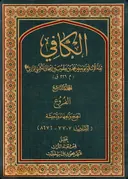
The Book of Slaughtering Animals for Food
The Case of an Animal Slaughtered without Facing al-Qiblah (al-Ka‘bah), Mentioning the name of Allah or one after Sexual Intercourse Slaughters
عَلِيُّ بْنُ إِبْرَاهِيمَ عَنْ أَبِيهِ عَنِ ابْنِ أَبِي عُمَيْرٍ عَنْ عُمَرَ بْنِ أُذَيْنَةَ عَنْ مُحَمَّدِ بْنِ مُسْلِمٍ قَالَ سَأَلْتُ أَبَا جَعْفَرٍ ( عليه السلام ) عَنْ رَجُلٍ ذَبَحَ ذَبِيحَةً فَجَهِلَ أَنْ يُوَجِّهَهَا إِلَى الْقِبْلَةِ قَالَ كُلْ مِنْهَا فَقُلْتُ لَهُ فَإِنَّهُ لَمْ يُوَجِّهْهَا قَالَ فَلَا تَأْكُلْ مِنْهَا وَ لَا تَأْكُلْ مِنْ ذَبِيحَةٍ مَا لَمْ يُذْكَرِ اسْمُ اللَّهِ عَزَّ وَ جَلَّ عَلَيْهَا وَ قَالَ ( عليه السلام ) إِذَا أَرَدْتَ أَنْ تَذْبَحَ فَاسْتَقْبِلْ بِذَبِيحَتِكَ الْقِبْلَةَ .
1. Ali ibn Ibrahim has narrated from his father from Ibn Abi ‘Umayr from ‘Umar ibn ‘Udhaynah from Muhammad ibn Muslim who has said the following: “I once asked abu Ja‘far (a.s.), about the case of a man who slaughters an animal but does not know about making it to face al-Qiblah (al-Ka‘bah). He (the Imam) said, ‘You can use it for food.’ I then said, ‘He has not made it to face al-Qiblah (al-Ka‘bah).’ He (the Imam) said, ‘Do not use it for food and so also is the case with that on which the name of Allah, most Majestic, most Glorious, is not mentioned.’ He (the Imam) said, ‘When you want to slaughter make it (the animal) to face al-Qiblah (al-Ka‘bah).’”
مُحَمَّدُ بْنُ يَحْيَى عَنْ أَحْمَدَ بْنِ مُحَمَّدٍ عَنِ الْحَسَنِ بْنِ مَحْبُوبٍ عَنِ الْعَلَاءِ بْنِ رَزِينٍ عَنْ مُحَمَّدِ بْنِ مُسْلِمٍ قَالَ سَأَلْتُ أَبَا جَعْفَرٍ ( عليه السلام ) عَنِ الرَّجُلِ يَذْبَحُ وَ لَا يُسَمِّي قَالَ إِنْ كَانَ نَاسِياً فَلَا بَأْسَ إِذَا كَانَ مُسْلِماً وَ كَانَ يُحْسِنُ أَنْ يَذْبَحَ وَ لَا يَنْخَعُ وَ لَا يَقْطَعُ الرَّقَبَةَ بَعْدَ مَا يَذْبَحُ .
2. Muhammad ibn Yahya has narrated from Ahmad ibn Muhammad from al-Hassan ibn Mahbub from al-‘Ala’ ibn Razin from Muhammad ibn Muslim who has said the following: “I once asked abu Ja’far (a.s.), about the case of a man who slaughters but does not mention the name of Allah. He (the Imam) said, ‘If it is because of forgetfulness, it is not unlawful if he is a Muslim, knows slaughtering properly, and does not cut off the spinal cord and the neck after slaughtering.’”
عَلِيُّ بْنُ إِبْرَاهِيمَ عَنْ أَبِيهِ عَنِ ابْنِ أَبِي عُمَيْرٍ عَنْ حَمَّادٍ عَنِ الْحَلَبِيِّ عَنْ أَبِي عَبْدِ اللَّهِ ( عليه السلام ) قَالَ سُئِلَ عَنِ الذَّبِيحَةِ تُذْبَحُ لِغَيْرِ الْقِبْلَةِ قَالَ لَا بَأْسَ إِذَا لَمْ يَتَعَمَّدْوَ عَنِ الرَّجُلِ يَذْبَحُ فَيَنْسَى أَنْ يُسَمِّيَ أَ تُؤْكَلُ ذَبِيحَتُهُ فَقَالَ نَعَمْ إِذَا كَانَ لَا يُتَّهَمُ وَ كَانَ يُحْسِنُ الذَّبْحَ قَبْلَ ذَلِكَ وَ لَا يَنْخَعُ وَ لَا يَكْسِرُ الرَّقَبَةَ حَتَّى تَبْرُدَ الذَّبِيحَةُ .
3. Ali ibn Ibrahim has narrated from his father from Ibn Abi ‘Umayr from Hammad from al-Halabiy who has said the following: “Once abu ‘Abd Allah (a.s.), was asked about an animal which is slaughtered facing a direction other than al-Qiblah (al-Ka‘bah). He (the Imam) said, ‘It is not unlawful if it is not intentional.’ He (the Imam) was asked about a man who forgets to mention the name of Allah; if it can be used for food. He (the Imam) said, ‘Yes, it can be used for food if he is not accused of (unreliability), who before was able to slaughter properly, does not cutoff the spinal cord and does not break the neck until the animal slaughtered becomes cold.’”
عَلِيُّ بْنُ إِبْرَاهِيمَ عَنْ أَبِيهِ عَنْ حَمَّادِ بْنِ عِيسَى عَنْ حَرِيزٍ عَنْ مُحَمَّدِ بْنِ مُسْلِمٍ قَالَ سَأَلْتُ أَبَا عَبْدِ اللَّهِ ( عليه السلام ) عَنْ ذَبِيحَةٍ ذُبِحَتْ لِغَيْرِ الْقِبْلَةِ فَقَالَ كُلْ وَ لَا بَأْسَ بِذَلِكَ مَا لَمْ يَتَعَمَّدْهُقَالَ وَ سَأَلْتُهُ عَنْ رَجُلٍ ذَبَحَ وَ لَمْ يُسَمِّ فَقَالَ إِنْ كَانَ نَاسِياً فَلْيُسَمِّ حِينَ يَذْكُرُ وَ يَقُولُ بِسْمِ اللَّهِ عَلَى أَوَّلِهِ وَ عَلَى آخِرِهِ .
4. Ali ibn Ibrahim has narrated from his father from Hammad ibn ‘Isa from Hariz from Muhammad ibn Muslim who has said the following: “I once asked abu ‘Abd Allah (a.s.), about an animal which is slaughtered facing a direction other than al-Qiblah (al-Ka‘bah). He (the Imam) said, ‘It is not unlawful if it is not intentional.’ I then asked about a man who slaughters an animal without mentioning the name of Allah. He (the Imam) said, ‘If it is because of forgetfulness, he can mention the name of Allah when he remembers and say, ‘I begin with the name of Allah at the beginning and at the end.’”
مُحَمَّدُ بْنُ يَحْيَى عَنْ أَحْمَدَ بْنِ مُحَمَّدٍ عَنِ الْحَسَنِ بْنِ مَحْبُوبٍ عَنِ الْعَلَاءِ بْنِ رَزِينٍ عَنْ مُحَمَّدِ بْنِ مُسْلِمٍ قَالَ سَأَلْتُهُ ( عليه السلام ) عَنْ رَجُلٍ ذَبَحَ فَسَبَّحَ أَوْ كَبَّرَ أَوْ هَلَّلَ أَوْ حَمِدَ اللَّهَ عَزَّ وَ جَلَّ قَالَ هَذَا كُلُّهُ مِنْ أَسْمَاءِ اللَّهِ عَزَّ وَ جَلَّ وَ لَا بَأْسَ بِهِ .
5. Muhammad ibn Yahya has narrated from Ahmad ibn Muhammad from al-Hassan ibn Mahbub from al-‘Ala’ ibn Razin from Muhammad ibn Muslim who has said the following: “I once asked him (the Imam) (a.s.), about the case of a man who slaughters an animal but he says Tasbih (Allah is free of all defects) or Takbir (Allah is great beyond description) or Tahlil, (no one deserves worship except Allah) or Tahmid, (all praise belongs to Allah). He (the Imam) said, ‘All these are names of Allah, most Majestic, most Glorious, and are not harmful.’”
عَلِيُّ بْنُ إِبْرَاهِيمَ عَنْ أَبِيهِ عَنِ ابْنِ أَبِي عُمَيْرٍ عَنْ بَعْضِ أَصْحَابِهِ عَنْ أَبِي عَبْدِ اللَّهِ ( عليه السلام ) قَالَ لَا بَأْسَ أَنْ يَذْبَحَ الرَّجُلُ وَ هُوَ جُنُبٌ .
6. Ali ibn Ibrahim has narrated from his father from Ibn Abi ‘Umayr from certain persons of his people who has said the following: “Abu ‘Abd Allah (a.s.), has said, ‘It is not unlawful if a person after sexual intercourse and before Ghusl (bath) slaughters an animal.”’
The Book of Slaughtering Animals for Food
The Unborn Young that is Found inside the Animal Slaughtered
عَلِيُّ بْنُ إِبْرَاهِيمَ عَنْ أَبِيهِ عَنِ ابْنِ أَبِي عُمَيْرٍ عَنْ عُمَرَ بْنِ أُذَيْنَةَ عَنْ مُحَمَّدِ بْنِ مُسْلِمٍ قَالَ سَأَلْتُ أَحَدَهُمَا ( عليهما السلام ) عَنْ قَوْلِ اللَّهِ عَزَّ وَ جَلَّ أُحِلَّتْ لَكُمْ بَهِيمَةُ الْأَنْعامِ فَقَالَ الْجَنِينُ فِي بَطْنِ أُمِّهِ إِذَا أَشْعَرَ وَ أَوْبَرَ فَذَكَاتُهُ ذَكَاةُ أُمِّهِ فَذَلِكَ الَّذِي عَنَى اللَّهُ عَزَّ وَ جَلَّ .
1. Ali ibn Ibrahim has narrated from his father from Ibn Abi ‘Umayr from ‘Umar ibn ‘Udhaynah from Muhammad ibn Muslim who has said the following: “I once asked one of the two Imam, (abu Ja‘far or abu ‘Abd Allah), ‘Alayhim al-Salam, about the words of Allah, most Majestic, most Glorious, ‘He has made lawful for you the pitch-black animals for food.’ (5:2) He (the Imam) said, ‘It means the young in the womb of the mother when it grows hair or wool, thus, proper slaughtering for it is the proper slaughtering of the mother and that is to which the words of Allah refer.”’
عَلِيُّ بْنُ إِبْرَاهِيمَ عَنْ أَبِيهِ عَنِ ابْنِ أَبِي عُمَيْرٍ عَنْ حَمَّادٍ عَنِ الْحَلَبِيِّ عَنْ أَبِي عَبْدِ اللَّهِ ( عليه السلام ) قَالَ إِذَا ذَبَحْتَ الذَّبِيحَةَ فَوَجَدْتَ فِي بَطْنِهَا وَلَداً تَامّاً فَكُلْ وَ إِنْ لَمْ يَكُنْ تَامّاً فَلَا تَأْكُلْ .
2. Ali ibn Ibrahim has narrated from his father from Ibn Abi ‘Umayr from Hammad from al-Halabiy who has said the following: “Abu ‘Abd Allah (a.s.), has said, ‘If you slaughter an animal and find inside its young in a complete form, you can use it for food but if it is not complete then do not use it for food.’”
أَبُو عَلِيٍّ الْأَشْعَرِيُّ عَنْ مُحَمَّدِ بْنِ عَبْدِ الْجَبَّارِ عَنْ مُحَمَّدِ بْنِ إِسْمَاعِيلَ عَنْ عَلِيِّ بْنِ النُّعْمَانِ عَنْ يَعْقُوبَ بْنِ شُعَيْبٍ قَالَ سَأَلْتُ أَبَا عَبْدِ اللَّهِ ( عليه السلام ) عَنِ الْحُوَارِ تُذَكَّى أُمُّهُ أَ يُؤْكَلُ بِذَكَاتِهَا فَقَالَ إِذَا كَانَ تَمَاماً وَ نَبَتَ عَلَيْهِ الشَّعْرُ فَكُلْ .
3. Abu Ali al-Ash‘ariy has narrated from Muhammad ibn ‘Abd al-Jabbar from Muhammad ibn ’Isma‘il from Ali ibn al-Nu’man from Ya‘qub ibn who has said the following: “I once asked abu ‘Abd Allah (a.s.), about the young of camel when the mother is slaughtered; if it can also be used for food because its mother is slaughtered. He (the Imam) said, ‘If it is formed completely and hairs or its fur has grown, then you can use it for food.’” A number of our people have narrated from Sahl ibn Ziyad from Ahmad ibn Muhammad ibn abu Nasr from Dawud ibn al-Haseen from Ya‘qub ibn Shu’ayb from abu ‘Abd Allah (a.s.), a similar Hadith.
عِدَّةٌ مِنْ أَصْحَابِنَا عَنْ سَهْلِ بْنِ زِيَادٍ عَنْ أَحْمَدَ بْنِ مُحَمَّدِ بْنِ أَبِي نَصْرٍ عَنْ دَاوُدَ بْنِ الْحُصَيْنِ عَنْ يَعْقُوبَ بْنِ شُعَيْبٍ عَنْ أَبِي عَبْدِ اللَّهِ ( عليه السلام ) مِثْلَهُ .عِدَّةٌ مِنْ أَصْحَابِنَا عَنْ أَحْمَدَ بْنِ مُحَمَّدِ بْنِ خَالِدٍ عَنْ عُثْمَانَ بْنِ عِيسَى عَنْ سَمَاعَةَ قَالَ سَأَلْتُهُ عَنِ الشَّاةِ يَذْبَحُهَا وَ فِي بَطْنِهَا وَلَدٌ وَ قَدْ أَشْعَرَ فَقَالَ ( عليه السلام ) ذَكَاتُهُ ذَكَاةُ أُمِّهِ .
4. A number of our people have narrated from Ahmad ibn Muhammad ibn Khalid from ‘Uthman ibn ‘Isa from Sama‘ah who has said the following: “I once asked him (the Imam) (a.s.), about a sheep which is slaughtered and its young, which has grown its wool, is found inside. He (the Imam) said, ‘Slaughtering for it is the slaughtering of its mother.’”