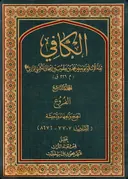
The Book of Talaq (Divorces)
Divorce of One who is not Mature yet and Divorce of One after Menopause
حميد بن زياد، عن ابن سماعة، عن عبد الله بن جبلة، عن علي بن أبي حمزة، عن أبي بصير قال: عدة التي لم تبلغ المحيض ثلاثة أشهر، والتي قد قعدت من المحيض ثلاثة أشهر، وكان ابن سماعة يأخذ بها ويقول: إن ذلك في الإماء لا يستبرئن إذا لم يكن بلغن المحيض فأما الحرائر فحكمهن في القرآن يقول الله عز وجل: " واللائي يئسن من المحيض من نسائكم إن ارتبتم فعدتهن ثلاثة أشهر واللائي لم يحضن " وكان معاوية بن حكيم يقول: ليس عليهن عدة وما احتج به ابن سماعة فإنما قال الله عز وجل: " إن ارتبتم " وإنما ذلك إذا وقعت الريبة بأن قد يئسن أو لم يئسن فأما إذا جازت الحد وارتفع الشك بأنها قد يئست أو لم تكن الجارية بلغت الحد فليس عليهن عدة.
6. Humayd ibn Ziyad has narrated from ibn Sama‘ah from ‘Abd Allah ibn Jabalah from Ali ibn abu Hamzah from abu Basir who has said the following: “Waiting period of those who do not experience Hayd (menses) and after menopause is three months and ibn Sama‘ah would follow it. He would say it is about slave-girls. They do not need Istibra’ (quarantine) if they have not become mature. The rules for free women are in the Quran as Allah, most Majestic, most Glorious, says, "... after menopause if you have doubts their waiting period is three months and those who do not experience Hayd (menses).’ Mu’awiyah ibn Hukaym would say, ‘They do not need to count waiting period and ibn Sama‘ah’s argument is based on ‘if you doubt ’ which is only when there is doubt about menopause. When she passes this limit and doubt is removed and that the girl has not reached the limit then waiting period does not apply to their case.’”
The Book of Talaq (Divorces)
Women Whose Hayd (menses) is Confusing
مُحَمَّدُ بْنُ يَحْيَى عَنْ أَحْمَدَ بْنِ مُحَمَّدٍ وَ عَلِيُّ بْنُ إِبْرَاهِيمَ عَنْ أَبِيهِ جَمِيعاً عَنِ ابْنِ مَحْبُوبٍ عَنْ عَبْدِ الرَّحْمَنِ بْنِ الْحَجَّاجِ قَالَ سَأَلْتُ أَبَا الْحَسَنِ ( عليه السلام ) عَنْ رَجُلٍ تَزَوَّجَ امْرَأَةً سِرّاً مِنْ أَهْلِهَا وَ هِيَ فِي مَنْزِلِ أَهْلِهَا وَ قَدْ أَرَادَ أَنْ يُطَلِّقَهَا وَ لَيْسَ يَصِلُ إِلَيْهَا فَيَعْلَمَ طَمْثَهَا إِذَا طَمِثَتْ وَ لَا يَعْلَمَ بِطُهْرِهَا إِذَا طَهُرَتْ قَالَ فَقَالَ هَذَا مِثْلُ الْغَائِبِ عَنْ أَهْلِهِ يُطَلِّقُهَا بِالْأَهِلَّةِ وَ الشُّهُورِقُلْتُ أَ رَأَيْتَ إِنْ كَانَ يَصِلُ إِلَيْهَا الْأَحْيَانَ وَ الْأَحْيَانَ لَا يَصِلُ إِلَيْهَا فَيَعْلَمَ حَالَهَا كَيْفَ يُطَلِّقُهَا فَقَالَ إِذَا مَضَى لَهُ شَهْرٌ لَا يَصِلُ إِلَيْهَا فِيهِ يُطَلِّقُهَا إِذَا نَظَرَ إِلَى غُرَّةِ الشَّهْرِ الْآخَرِ بِشُهُودٍ وَ يَكْتُبُ الشَّهْرَ الَّذِي يُطَلِّقُهَا فِيهِ وَ يُشْهِدُ عَلَى طَلَاقِهَا رَجُلَيْنِ فَإِذَا مَضَى ثَلَاثَةُ أَشْهُرٍ فَقَدْ بَانَتْ مِنْهُ وَ هُوَ خَاطِبٌ مِنَ الْخُطَّابِ وَ عَلَيْهِ نَفَقَتُهَا فِي تِلْكَ الثَّلَاثَةِ الْأَشْهُرِ الَّتِي تَعْتَدُّ فِيهَا .
1. Muhammad ibn Yahya has narrated from Ahmad ibn Muhammad and Ali ibn Ibrahim has narrated from his father all from ibn Mahbub from ‘ Abd al-Rahman ibn al-Hajj aj who has said the following: “I once asked abu al-Hassan (a.s.), about the case of a man who marries a woman secretly in the house of her family. He wants to divorce her but cannot reach her to know about her Hayd (menses) and does not know when she becomes clean of Hayd (menses). He (the Imam) said, ‘This is like the case of a husband who is absent who divorces by counting new moon and months.’ I then asked, ‘What happens if he is able to reach her at certain times to find out about her Hayd (menses): how he should divorce her?’ He (the Imam) said, ‘When a month, during which he is not able to reach her, passes he can divorce her when he finds himself in the beginning of the next month. He must write down about the month in which he has divorced and arrange for two men as witnesses. When three months pass she becomes stranger to him and he becomes one of those who can propose marriage. He, however, must pay her expenses for the three months in which she counted the waiting period.’”
The Book of Talaq (Divorces)
The Time when a Divorced Woman in the Manner of Divorce with Waiting Period and Revocable Form Becomes Stranger to him
عَلِيُّ بْنُ إِبْرَاهِيمَ عَنْ أَبِيهِ عَنِ ابْنِ أَبِي عُمَيْرٍ عَنْ عُمَرَ بْنِ أُذَيْنَةَ عَنْ زُرَارَةَ عَنْ أَبِي جَعْفَرٍ ( عليه السلام ) قَالَ قُلْتُ لَهُ أَصْلَحَكَ اللَّهُ رَجُلٌ طَلَّقَ امْرَأَتَهُ عَلَى طُهْرٍ مِنْ غَيْرِ جِمَاعٍ بِشَهَادَةِ عَدْلَيْنِ فَقَالَ إِذَا دَخَلَتْ فِي الْحَيْضَةِ الثَّالِثَةِ فَقَدِ انْقَضَتْ عِدَّتُهَا وَ حَلَّتْ لِلْأَزْوَاجِ قُلْتُ لَهُ أَصْلَحَكَ اللَّهُ إِنَّ أَهْلَ الْعِرَاقِ يَرْوُونَ عَنْ عَلِيٍّ ( صلوات الله عليه ) أَنَّهُ قَالَ هُوَ أَحَقُّ بِرَجْعَتِهَا مَا لَمْ تَغْتَسِلْ مِنَ الْحَيْضَةِ الثَّالِثَةِ فَقَالَ فَقَدْ كَذَبُوا .
1. Ali ibn Ibrahim has narrated from his father from Ibn Abi ‘Umayr from ibn ‘Udhaynah from Zurarah who has said the following: “I once said to abu Ja‘far (a.s.), ‘I pray to Allah to keep you well, a man has divorced his wife in Hayd (menses)-free period, in the presence of two just witnesses before going to bed with her. He (the Imam) said, ‘When she experiences Hayd (menses) for the third time her waiting period is complete and she is lawful for marriage/ I then said, ‘I pray to Allah to keep you well, people of Iraq narrate from Ali (a.s.), who has said that he has the right to go back to her before she takes Ghusl (bath) for the third Hayd (menses). He (the Imam) said, ‘They have spoken a lie.’”
عَلِيٌّ عَنْ أَبِيهِ عَنِ ابْنِ أَبِي عُمَيْرٍ وَ عِدَّةٌ مِنْ أَصْحَابِنَا عَنْ سَهْلِ بْنِ زِيَادٍ عَنِ ابْنِ أَبِي نَصْرٍ جَمِيعاً عَنْ جَمِيلِ بْنِ دَرَّاجٍ عَنْ زُرَارَةَ عَنْ أَبِي جَعْفَرٍ ( عليه السلام ) قَالَ الْمُطَلَّقَةُ إِذَا رَأَتِ الدَّمَ مِنَ الْحَيْضَةِ الثَّالِثَةِ فَقَدْ بَانَتْ مِنْهُ .
2. Ali has narrated from his father from Ibn Abi ‘Umayr and A number of our people have narrated from Sahl ibn Ziyad from ibn abu Nasr all from Jamil ibn Darraj from Zurarah who has said the following: “Abu Ja‘far (a.s.), has said, ‘When a divorced woman experiences blood discharge of the third Hayd (menses) she becomes stranger to him.’”
عَلِيٌّ عَنْ أَبِيهِ عَنِ ابْنِ أَبِي عُمَيْرٍ عَنِ ابْنِ بُكَيْرٍ وَ جَمِيلِ بْنِ دَرَّاجٍ وَ عُمَرَ بْنِ أُذَيْنَةَ عَنْ زُرَارَةَ عَنْ أَبِي عَبْدِ اللَّهِ ( عليه السلام ) قَالَ الْمُطَلَّقَةُ تَبِينُ عِنْدَ أَوَّلِ قَطْرَةٍ مِنَ الْحَيْضَةِ الثَّالِثَةِ قَالَ قُلْتُ بَلَغَنِي أَنَّ رَبِيعَةَ الرَّأْيِ قَالَ مِنْ رَأْيِي أَنَّهَا تَبِينُ عِنْدَ أَوَّلِ قَطْرَةٍ فَقَالَ كَذَبَ مَا هُوَ مِنْ رَأْيِهِ إِنَّمَا هُوَ شَيْءٌ بَلَغَهُ عَنْ عَلِيٍّ ( عليه السلام ) .
3. Ali has narrated from his father from ibn Bukayr and Jamil ibn Darraj and ‘Umar ibn ‘Udhaynah from Zurarah who has said the following: “Abu ‘Abd Allah (a.s.), has said, ‘A woman divorced becomes stranger to her husband at the time of her experiencing the first drop of blood of Hayd (menses) for the third time (after divorce).’ I then said that Rabi‘ah al-Rai’y also is of the opinion that she becomes stranger as soon as she experiences the first drop of blood.’ He (the Imam) said, ‘It is not true. It is not his opinion but is something that has reached him from Ali (a.s.).”’
أَبُو عَلِيٍّ الْأَشْعَرِيُّ عَنْ مُحَمَّدِ بْنِ عَبْدِ الْجَبَّارِ عَنْ صَفْوَانَ عَنْ إِسْحَاقَ بْنِ عَمَّارٍ عَنْ إِسْمَاعِيلَ الْجُعْفِيِّ عَنْ أَبِي جَعْفَرٍ ( عليه السلام ) قَالَ قُلْتُ لَهُ رَجُلٌ طَلَّقَ امْرَأَتَهُ قَالَ هُوَ أَحَقُّ بِرَجْعَتِهَا مَا لَمْ تَقَعْ فِي الدَّمِ مِنَ الْحَيْضَةِ الثَّالِثَةِ .
4. Abu Ali al-Ash‘ariy has narrated from Muhammad ibn ‘Abd al-Jabbar from Safwan from Ishaq ibn ‘Ammar from ’Isma‘il al-Ju‘fiy who has said the following: “I once said to abu Ja‘far (a.s.), that a man has divorced his wife. He (the Imam) said, ‘He has the right to go back to her as long as she has not seen blood discharge because of Hayd (menses) for the third time (after divorce).”’
وَ عَنْهُ عَنْ صَفْوَانَ عَنِ ابْنِ مُسْكَانَ عَنْ زُرَارَةَ عَنْ أَحَدِهِمَا ( عليهما السلام ) قَالَ الْمُطَلَّقَةُ تَرِثُ وَ تُورَثُ حَتَّى تَرَى الدَّمَ الثَّالِثَ فَإِذَا رَأَتْهُ فَقَدِ انْقَطَعَ .
5. It is narrated from the narrator of the previous Hadith from Safwan from ibn Muskan from Zurarah who has said the following: “About the case of a woman who is divorced, one of the two Imam, (abu Ja‘far or abu ‘Abd Allah), ‘Alayhim al-Salam, has said, ‘She inherits and is inherited until she sees blood of Hayd (menses) for the third time after divorce and when that happens it (such relation) is cut off.’”
حُمَيْدُ بْنُ زِيَادٍ عَنِ ابْنِ سَمَاعَةَ عَنْ عَبْدِ اللَّهِ بْنِ جَبَلَةَ عَنْ جَمِيلِ بْنِ دَرَّاجٍ وَ صَفْوَانَ بْنِ يَحْيَى عَنِ ابْنِ بُكَيْرٍ وَ جَعْفَرِ بْنِ سَمَاعَةَ عَنِ ابْنِ بُكَيْرٍ وَ جَمِيلٍ كُلِّهِمْ عَنْ زُرَارَةَ عَنْ أَبِي جَعْفَرٍ ( عليه السلام ) قَالَ أَوَّلُ دَمٍ رَأَتْهُ مِنَ الْحَيْضَةِ الثَّالِثَةِ فَقَدْ بَانَتْ مِنْهُ .
6. Humayd ibn Ziyad has narrated from ibn Sama‘ah from ‘Abd Allah ibn Jabalah from Jamil ibn Darraj and Safwan ibn Yahya from ibn Bukayr and Ja‘far ibn Sanaa ‘ah from ibn Bukayr and Jamil all of them from Zurarah who has said the following: “Abu Ja‘far (a.s.), has said, ‘With the first blood that she sees because of Hayd (menses) for the third time after divorce she becomes stranger to him.’” Humayd ibn Ziyad has narrated from ibn Sama‘ah from Safwan from ibn Muskan from Zurarah a similar Hadith.
حُمَيْدُ بْنُ زِيَادٍ عَنِ ابْنِ سَمَاعَةَ عَنْ صَفْوَانَ عَنِ ابْنِ مُسْكَانَ عَنْ زُرَارَةَ مِثْلَهُ .صَفْوَانُ عَنِ ابْنِ بُكَيْرٍ عَنْ زُرَارَةَ عَنْ أَبِي جَعْفَرٍ ( عليه السلام ) قَالَ سَمِعْتُهُ يَقُولُ الْمُطَلَّقَةُ تَبِينُ عِنْدَ أَوَّلِ قَطْرَةٍ مِنَ الدَّمِ فِي الْقُرْءِ الْأَخِيرِ .
7. Safwan has narrated from ibn Bukayr from Zurarah who has said the foliowing: “I once heard abu Ja‘far (a.s.), saying, ‘A woman divorced becomes stranger to him with the first drop of blood because of Hayd (menses) during the last Hayd (menses)-free period.’”
حُمَيْدُ بْنُ زِيَادٍ عَنِ ابْنِ سَمَاعَةَ عَنْ عَبْدِ اللَّهِ بْنِ جَبَلَةَ عَنْ إِسْحَاقَ بْنِ عَمَّارٍ عَنْ إِسْمَاعِيلَ الْجُعْفِيِّ عَنْ أَبِي جَعْفَرٍ ( عليه السلام ) فِي الرَّجُلِ يُطَلِّقُ امْرَأَتَهُ فَقَالَ هُوَ أَحَقُّ بِرَجْعَتِهَا مَا لَمْ تَقَعْ فِي الدَّمِ الثَّالِثِ .
8. Humayd ibn Ziyad has narrated from ibn Sama‘ah from ‘Abd Allah ibn Jabalah from Ishaq ibn ‘Ammar from ’Isma‘il al-Ju‘fiy who has said the following: “About the case of a man who divorces his wife, abu Ja‘far (a.s.), has said, ‘He has the right to go back to her until she experiences Hayd (menses) for the third time after divorce.’”