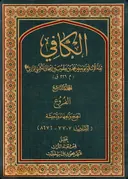
al-Kāfī, compiled by Shaykh al-Kulaynī, is a monumental work belonging to a number of books belonging to the Shīʿī Ḥadīth literature. It comprises of eight volumes and took twenty years to compile, making it an extensive collection of wisdom and guidance for adherents of the faith. The eight volumes are divided into three main parts: al-Uṣūl (Roots), al-Furūʿ (Branches), and al-Rawḍa (the Garden).
Part 1 (Volumes 1 & 2): al-Uṣūl (Roots)
This portion delves into the principles of beliefs, containing eight books that discuss topics such as the intellect and ignorance, the virtues of knowledge, Divine Unity, Divine Authority, Belief and Disbelief, Suppications, the Virtues of the Holy Qurʾān, in addition to Ethics and Morals.
Part 2 (Volumes 3 to 7): al-Furūʿ (Branches)
This portion comprises of Ḥadīths related to Islamic jurisprudence, including acts of worship, business transactions, and judicial laws. It covers a vast array of topics in 26 books, ranging from the laws of cleanliness and menstruation to those of wills, inheritance, and legal penalties.
Part 3 (Volume 8): al-Rawḍa (the Garden)
al-Rawḍa encompasses a collection of miscellaneous Ḥadīths, which cover topics that had already been glazed over in prior two portions of the book. Many a time, long Ḥadīths will be included from written letters, wills of the Imams and historical narrations that didn’t necessarily fit in chapter headings that were made in the first seven volumes. The Ḥadīths are not organised in a specific way, but its diversity adds depth to the understanding of the faith.
A könyvek leírása és a hadíthok fordítása angol nyelvű (forrás: Thaqalayn.net). Az arab eredeti minden hadíth mellett szerepel.
The Book of Zakat
Virtue of Charity
1ـ عَلِيُّ بْنُ إِبْرَاهِيمَ بْنِ هَاشِمٍ عَنْ أَبِيهِ عَنِ الْحُسَيْنِ بْنِ يَزِيدَ النَّوْفَلِيِّ عَنِ السَّكُونِيِّ عَنْ أَبِي عَبْدِ الله (عَلَيْهِ السَّلاَم) قَالَ قَالَ رَسُولُ الله (صلَّى اللهُ عَلَيْهِ وَآلِه) الصَّدَقَةُ تَدْفَعُ مِيتَةَ السَّوْءِ.
1. Ali ibn Ibrahim ibn Hashim has narrated from his father, from al-Husayn ibn Yazid af-Nawfafiy from al-Sakuniy who has said the following: “Abu ‘Abd Allah (a.s.), has said that the Messenger of Allah (s.a.), has said, ’Charity dispels wicked forms of death.’”
2ـ مُحَمَّدُ بْنُ إِسْمَاعِيلَ عَنِ الْفَضْلِ بْنِ شَاذَانَ وَأَحْمَدُ بْنُ إِدْرِيسَ عَنْ مُحَمَّدِ بْنِ عَبْدِ الْجَبَّارِ جَمِيعاً عَنْ صَفْوَانَ بْنِ يَحْيَى عَنْ إِسْحَاقَ بْنِ غَالِبٍ عَمَّنْ حَدَّثَهُ عَنْ أَبِي جَعْفَرٍ (عَلَيْهِ السَّلاَم) قَالَ الْبِرُّ وَالصَّدَقَةُ يَنْفِيَانِ الْفَقْرَ وَيَزِيدَانِ فِي الْعُمُرِ وَيَدْفَعَانِ تِسْعِينَ مِيتَةَ السَّوْءِ. وَفِي خَبَرٍ آخَرَ وَيَدْفَعَانِ عَنْ شِيعَتِي مِيتَةَ السَّوْءِ.
2. Muhammad ibn Isma‘il has narrated from al-Fadl ibn Shadhan and Ahmad ibn Idris from Muhammad ibn ‘Abd al-Jabbar all from Safwan ibn Yahya from Ishaq ibn Ghalib from those who narrated to him who has said the following: “Abu Ja’far (a.s.), has said, ‘Benevolence and charity remove poverty, increase longevity of life and dispel seventy kinds of wicked forms of death.” Another Hadith has said that it ‘dispels wicked forms of death from our Shi`a.’”
3ـ عِدَّةٌ مِنْ أَصْحَابِنَا عَنْ أَحْمَدَ بْنِ مُحَمَّدِ بْنِ أَبِي عَبْدِ الله عَنْ أَبِيهِ عَنْ خَلَفِ بْنِ حَمَّادٍ عَنْ إِسْمَاعِيلَ الْجَوْهَرِيِّ عَنْ أَبِي بَصِيرٍ عَنْ أَبِي جَعْفَرٍ (عَلَيْهِ السَّلاَم) قَالَ لأَنْ أَحُجَّ حَجَّةً أَحَبُّ إِلَيَّ مِنْ أَنْ أُعْتِقَ رَقَبَةً وَرَقَبَةً حَتَّى انْتَهَى إِلَى عَشَرَةٍ وَمِثْلَهَا وَمِثْلَهَا حَتَّى انْتَهَى إِلَى سَبْعِينَ وَلأَنْ أَعُولَ أَهْلَ بَيْتٍ مِنَ الْمُسْلِمِينَ أُشْبِعَ جَوْعَتَهُمْ وَأَكْسُوَ عَوْرَتَهُمْ وَأَكُفَّ وُجُوهَهُمْ عَنِ النَّاسِ أَحَبُّ إِلَيَّ مِنْ أَنْ أَحُجَّ حَجَّةً وَحَجَّةً وَحَجَّةً حَتَّى انْتَهَى إِلَى عَشْرٍ وَعَشْرٍ وَعَشْرٍ وَمِثْلَهَا وَمِثْلَهَا حَتَّى انْتَهَى إِلَى سَبْعِينَ.
3. A number of our people have narrated from Ahmad ibn Muhammad from abu ‘Abd Allah from his father from Khalaf ibn Hammad from Isma‘il al-Jawhariy from abu Basir who has said the following: “Abu Ja‘far (a.s.), has said, ‘I like performing Hajj more than setting free a slave, another slave and another slave . . .’ He went on to say up to ten slaves, and then up to seventy slaves. He then said, ‘If I support a Muslim family, satisfy their hunger, provide them clothes, and protect their dignity among people, it is more beloved to me than performing a Hajj and a Hajj and a Hajj . . .’ He went on to say up to seventy Hajj.”
4ـ عِدَّةٌ مِنْ أَصْحَابِنَا عَنْ سَهْلِ بْنِ زِيَادٍ عَنِ النَّوْفَلِيِّ عَنِ السَّكُونِيِّ عَنْ أَبِي عَبْدِ الله (عَلَيْهِ السَّلاَم) قَالَ قَالَ رَسُولُ الله (صلَّى اللهُ عَلَيْهِ وَآلِه) مَنْ صَدَّقَ بِالْخَلَفِ جَادَ بِالْعَطِيَّةِ.
4. A number of our people have narrated from Sahl ibn Ziyad from al-Nawfaliy from al-Sakuniy who has said the following: “Abu ‘Abd Allah (a.s.), has said, that the Messenger of Allah (s.a.), has said, ‘One who is certain of (good) consequences, he strives to make it a good gift.’”
5ـ عَلِيُّ بْنُ مُحَمَّدٍ عَنْ أَحْمَدَ بْنِ مُحَمَّدٍ عَنْ مُحَمَّدِ بْنِ خَالِدٍ عَنْ عَبْدِ الله بْنِ الْقَاسِمِ عَنْ عَبْدِ الله بْنِ سِنَانٍ قَالَ قَالَ أَبُو عَبْدِ الله (عَلَيْهِ السَّلاَم) دَاوُوا مَرْضَاكُمْ بِالصَّدَقَةِ وَادْفَعُوا الْبَلاءَ بِالدُّعَاءِ وَاسْتَنْزِلُوا الرِّزْقَ بِالصَّدَقَةِ فَإِنَّهَا تُفَكُّ مِنْ بَيْنِ لُحِيِّ سَبْعِمِائَةِ شَيْطَانٍ وَلَيْسَ شَيْءٌ أَثْقَلَ عَلَى الشَّيْطَانِ مِنَ الصَّدَقَةِ عَلَى الْمُؤْمِنِ وَهِيَ تَقَعُ فِي يَدِ الرَّبِّ تَبَارَكَ وَتَعَالَى قَبْلَ أَنْ تَقَعَ فِي يَدِ الْعَبْدِ.
5. Ali ibn Muhammad has narrated from Ahmad ibn Muhammad, from Muhammad ibn Khalid, from ‘Abd Allah ibn al-Qasim, from ‘Abd Allah ibn Sinan who has said the following: “Abu ‘Abd Allah (a.s.), has said, ‘Cure your illnesses by giving charity, repel misfortunes with prayer, and allow means of sustenance to descend upon you by giving charity. Charity finds its way through the beards of seven hundred Satans. No other thing is heavier upon Satan than when you give charity to a believing person. It finds its place in the hand of the Lord, the Most Blessed, the Most High, before finding its place in the hand of a servant (of Allah).”’
6ـ أَحْمَدُ بْنُ عَبْدِ الله عَنْ جَدِّهِ عَنْ مُحَمَّدِ بْنِ عَلِيٍّ عَنْ مُحَمَّدِ بْنِ الْفُضَيْلِ عَنْ عَبْدِ الرَّحْمَنِ بْنِ زَيْدٍ عَنْ أَبِي عَبْدِ الله (عَلَيْهِ السَّلاَم) قَالَ قَالَ رَسُولُ الله (صلَّى اللهُ عَلَيْهِ وَآلِه) أَرْضُ الْقِيَامَةِ نَارٌ مَا خَلا ظِلَّ الْمُؤْمِنِ فَإِنَّ صَدَقَتَهُ تُظِلُّهُ.
6. Ahmad ibn ‘Abd Allah has narrated from his grandfather from Muhammad ibn Ali from Muhammad ibn al-Fudayl from ‘Abd al- Rahman ibn Zayd who has said the following: “Abu ‘Abd Allah (a.s.), has said that the Messenger of Allah, O Allah, grant compensation to Muhammad and his family worthy of their services to Your cause, has said, ‘The land on the Day of Judgment is all fire except the shadow of a believing person. His charity provides him shadow.’”
7ـ عَلِيُّ بْنُ إِبْرَاهِيمَ عَنْ أَبِيهِ عَنِ ابْنِ أَبِي عُمَيْرٍ عَنْ عَبْدِ الله بْنِ سِنَانٍ قَالَ سَمِعْتُ أَبَا عَبْدِ الله (عَلَيْهِ السَّلاَم) يَقُولُ الصَّدَقَةُ بِالْيَدِ تَقِي مِيتَةَ السَّوْءِ وَتَدْفَعُ سَبْعِينَ نَوْعاً مِنْ أَنْوَاعِ الْبَلاءِ وَتُفَكُّ عَنْ لُحِيِّ سَبْعِينَ شَيْطَاناً كُلُّهُمْ يَأْمُرُهُ أَنْ لا يَفْعَلَ.
7. Ali ibn Ibrahim has narrated from his father from Ibn Abi ‘Umayr from ‘Abd Allah ibn Sinan who has said the following: “I heard abu ‘ Abd Allah (a.s.), say, ‘Giving charity by one’s own hand repels seventy kinds of misfortune, which finds its way out through the beards of seven hundred Satans who all try to stop him from giving charity.’”
8ـ مُحَمَّدُ بْنُ يَحْيَى عَنْ أَحْمَدَ بْنِ مُحَمَّدِ بْنِ عِيسَى عَنْ عَلِيِّ بْنِ النُّعْمَانِ عَنْ مُعَاوِيَةَ بْنِ عَمَّارٍ قَالَ سَمِعْتُ أَبَا عَبْدِ الله (عَلَيْهِ السَّلاَم) يَقُولُ كَانَ فِي وَصِيَّةِ النَّبِيِّ (صلَّى اللهُ عَلَيْهِ وَآلِه) لأَمِيرِ الْمُؤْمِنِينَ صَلَوَاتُ الله وَسَلامُهُ عَلَيْهِ وَأَمَّا الصَّدَقَةُ فَجُهْدَكَ جُهْدَكَ حَتَّى يُقَالَ قَدْ أَسْرَفْتَ وَلَمْ تُسْرِفْ.
8. Muhammad ibn Yahya has narrated from Ahmad ibn Muhammad ibn ‘Isa from Ali ibn al-Nu’man from Mu‘awiyah ibn ‘Ammar who has said the following: “I heard abu ‘Abd Allah (a.s.), narrate this Hadith. ‘It is in the will of the Holy Prophet, O Allah, grant compensation to Muhammad and his family worthy of their services to Your cause, which is addressed to ’Amir al-Mu’minin (a.s.). “As far as charity is concerned, strive to do your best until it is said that you have exceeded the limit, but in fact you have not exceeded.” He (the Messenger of Allah) has explained.’”
9ـ عَلِيُّ بْنُ إِبْرَاهِيمَ عَنْ أَبِيهِ عَنِ ابْنِ أَبِي عُمَيْرٍ عَنْ عَبْدِ الله بْنِ سِنَانٍ عَنْ أَبِي عَبْدِ الله (عَلَيْهِ السَّلاَم) قَالَ سَمِعْتُهُ يَقُولُ يُسْتَحَبُّ لِلْمَرِيضِ أَنْ يُعْطِيَ السَّائِلَ بِيَدِهِ وَيَأْمُرَ السَّائِلَ أَنْ يَدْعُوَ لَهُ.
9. Ali ibn Ibrahim has narrated from his father from Ibn Abi ‘Umayr from ‘Abd Allah ibn Sinan who has said the following: “Abu ‘Abd Allah (a.s.), has said that it is preferable for a person suffering from illness to give charity with his own hand to one who asks for charity, then ask him to pray for him.”
10ـ عِدَّةٌ مِنْ أَصْحَابِنَا عَنْ أَحْمَدَ بْنِ أَبِي عَبْدِ الله عَنْ مُحَمَّدِ بْنِ عَلِيٍّ عَنْ مُحَمَّدِ بْنِ عُمَرَ بْنِ يَزِيدَ قَالَ أَخْبَرْتُ أَبَا الْحَسَنِ الرِّضَا (عَلَيْهِ السَّلاَم) أَنِّي أُصِبْتُ بِابْنَيْنِ وَبَقِيَ لِي بُنَيٌّ صَغِيرٌ فَقَالَ تَصَدَّقْ عَنْهُ ثُمَّ قَالَ حِينَ حَضَرَ قِيَامِي مُرِ الصَّبِيَّ فَلْيَتَصَدَّقْ بِيَدِهِ بِالْكِسْرَةِ وَالْقَبْضَةِ وَالشَّيْءِ وَإِنْ قَلَّ فَإِنَّ كُلَّ شَيْءٍ يُرَادُ بِهِ الله وَإِنْ قَلَّ بَعْدَ أَنْ تَصْدُقَ النِّيَّةُ فِيهِ عَظِيمٌ إِنَّ الله عَزَّ وَجَلَّ يَقُولُ فَمَنْ يَعْمَلْ مِثْقالَ ذَرَّةٍ خَيْراً يَرَهُ وَمَنْ يَعْمَلْ مِثْقالَ ذَرَّةٍ شَرًّا يَرَهُ وَقَالَ فَلا اقْتَحَمَ الْعَقَبَةَ وَما أَدْراكَ مَا الْعَقَبَةُ فَكُّ رَقَبَةٍ أَوْ إِطْعامٌ فِي يَوْمٍ ذِي مَسْغَبَةٍ يَتِيماً ذا مَقْرَبَةٍ أَوْ مِسْكِيناً ذا مَتْرَبَةٍ عَلِمَ الله عَزَّ وَجَلَّ أَنَّ كُلَّ أَحَدٍ لا يَقْدِرُ عَلَى فَكِّ رَقَبَةٍ فَجَعَلَ إِطْعَامَ الْيَتِيمِ وَالْمِسْكِينِ مِثْلَ ذَلِكَ تَصَدَّقْ عَنْهُ.
10. A number of our people have narrated from Ahmad ibn abu ‘Abd Allah from Muhammad ibn Ali from Muhammad ibn ‘Amr ibn Yazid who has said the following: “I informed abu al-Hassan al-Rida (a.s.), about the passing away of my two sons and that only one small son is living. The Imam said, ‘You should give charity for his safety.’ When I was about to leave, he said, ‘Ask your son to give charity with his own hands; it can be a piece, a handful or even something very small. Anything whereby one can seek the pleasure of Allah with true intention, even though very small, is a great thing. Allah, the Most Majestic, the Most Glorious, says, “Whoever does a good deed, even if it is as small as the size of an atom, he will find its result; so also is the case of one who does a bad deed. (99:7-8) ”He has also said, “They have not yet entered al-‘Aqabah (mountain-pass). What do you think al-‘Aqabah is? Al-‘Aqabah is the setting free of a slave or providing food during a famine for a relative’s orphan or to a destitute person. (90:11-16)” He has also said, ‘Allah, the Most Majestic, the Most Glorious, knows that everyone is unable to set a slave free. Thus, in the giving of charity, He has considered feeding an orphan or a destitute person the same as setting free a slave.’”