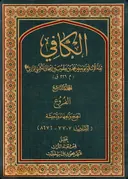
al-Kāfī, compiled by Shaykh al-Kulaynī, is a monumental work belonging to a number of books belonging to the Shīʿī Ḥadīth literature. It comprises of eight volumes and took twenty years to compile, making it an extensive collection of wisdom and guidance for adherents of the faith. The eight volumes are divided into three main parts: al-Uṣūl (Roots), al-Furūʿ (Branches), and al-Rawḍa (the Garden).
Part 1 (Volumes 1 & 2): al-Uṣūl (Roots)
This portion delves into the principles of beliefs, containing eight books that discuss topics such as the intellect and ignorance, the virtues of knowledge, Divine Unity, Divine Authority, Belief and Disbelief, Suppications, the Virtues of the Holy Qurʾān, in addition to Ethics and Morals.
Part 2 (Volumes 3 to 7): al-Furūʿ (Branches)
This portion comprises of Ḥadīths related to Islamic jurisprudence, including acts of worship, business transactions, and judicial laws. It covers a vast array of topics in 26 books, ranging from the laws of cleanliness and menstruation to those of wills, inheritance, and legal penalties.
Part 3 (Volume 8): al-Rawḍa (the Garden)
al-Rawḍa encompasses a collection of miscellaneous Ḥadīths, which cover topics that had already been glazed over in prior two portions of the book. Many a time, long Ḥadīths will be included from written letters, wills of the Imams and historical narrations that didn’t necessarily fit in chapter headings that were made in the first seven volumes. The Ḥadīths are not organised in a specific way, but its diversity adds depth to the understanding of the faith.
A könyvek leírása és a hadíthok fordítása angol nyelvű (forrás: Thaqalayn.net). Az arab eredeti minden hadíth mellett szerepel.
The Book of Taharat (Cleansing)
The Cleansing Quality of Water
1ـ قَالَ أَبُو جَعْفَرٍ مُحَمَّدُ بْنُ يَعْقُوبَ الْكُلَيْنِيُّ رَحِمَهُ الله حَدَّثَنِي عَلِيُّ بْنُ إِبْرَاهِيمَ بْنِ هَاشِمٍ عَنْ أَبِيهِ عَنِ النَّوْفَلِيِّ عَنِ السَّكُونِيِّ عَنْ أَبِي عَبْدِ الله (عَلَيْهِ الْسَّلام) قَالَ قَالَ رَسُولُ الله (صلّى اللهُ عَلَيْهِ وَآلِه) الْمَاءُ يُطَهِّرُ وَلاَ يُطَهَّرُ.
1. Abu Ja‘far, Muhammad ibn Ya’qub al-Kulayni (rh) has said that narrated to me Ali ibn Ibrahim ibn Hashim from his father from al- Nawfaliy from al-Sakuniy, who has said the following: “Abu ’Abd Allah, Ja‘far ibn Muhammad, ‘Alayhim al-Salam, has said, that the Messenger of Allah, O Allah grant compensation to Muhammad and his family worthy of their services to Your cause, has said, ‘Water cleanses but it is not cleanable.’”
2ـ مُحَمَّدُ بْنُ يَحْيَى وَغَيْرُهُ عَنْ مُحَمَّدِ بْنِ أَحْمَدَ عَنِ الْحَسَنِ بْنِ الْحُسَيْنِ اللُّؤْلُؤِيِّ بِإِسْنَادِهِ قَالَ قَالَ أَبُو عَبْدِ الله (عَلَيْهِ الْسَّلام) الْمَاءُ كُلُّهُ طَاهِرٌ حَتَّى يُعْلَمَ أَنَّهُ قَذِرٌ.
2. Muhammad ibn Yahya and others have narrated from Muhammad ibn Ahmad from al-Hassan ibn al-Hassan al-Lu’lu’i through his chain of narrators has said the following: “Abu ‘Abd Allah (a.s.), has said, ‘All water is clean until it is found out that it is not clean.”’
3ـ مُحَمَّدُ بْنُ يَحْيَى عَنْ مُحَمَّدِ بْنِ الْحُسَيْنِ عَنْ أَبِي دَاوُدَ الْمُنْشِدِ عَنْ جَعْفَرِ بْنِ مُحَمَّدٍ عَنْ يُونُسَ عَنْ حَمَّادِ بْنِ عُثْمَانَ عَنْ أَبِي عَبْدِ الله (عَلَيْهِ الْسَّلام) قَالَ الْمَاءُ كُلُّهُ طَاهِرٌ حَتَّى يُعْلَمَ أَنَّهُ قَذِرٌ.
3. Muhammad ibn Yahya has narrated from Muhammad ibn al-Hassan from abu Dawud al-Munshid from Ja’far ibn Muhammad from Yunus from Hammad ibn ‘Uthman who has said the following: “Abu ‘Abd Allah (a.s.), has said, that all water (from source) is clean until it is found out that it is not clean.”
4ـ عَلِيُّ بْنُ إِبْرَاهِيمَ عَنْ مُحَمَّدِ بْنِ عِيسَى عَنْ يُونُسَ بْنِ عَبْدِ الرَّحْمَنِ عَنْ عَبْدِ الله بْنِ سِنَانٍ عَنْ أَبِي عَبْدِ الله (عَلَيْهِ الْسَّلام) قَالَ سَأَلْتُهُ عَنْ مَاءِ الْبَحْرِ أَ طَهُورٌ هُوَ قَالَ نَعَمْ.
4. Ali ibn Ibrahim has narrated from Muhammad ibn ’Isa from Yunus ibn ’Abd al-Rahman from ‘Abd Allah ibn Sinan who has said the following: “I once asked abu ‘Abd Allah (a.s.), ‘Is sea water clean?’ He (the Imam) replied, ‘Yes, it is clean.’”
5ـ مُحَمَّدُ بْنُ يَحْيَى عَنْ أَحْمَدَ بْنِ مُحَمَّدِ بْنِ عِيسَى عَنْ عُثْمَانَ بْنِ عِيسَى عَنْ أَبِي بَكْرٍ الْحَضْرَمِيِّ قَالَ سَأَلْتُ أَبَا عَبْدِ الله (عَلَيْهِ الْسَّلام) عَنْ مَاءِ الْبَحْرِ أَ طَهُورٌ هُوَ قَالَ نَعَمْ.
5. Muhammad ibn Yahya has narrated from Ahmad ibn Muhammad ibn ’Isa from ‘Uthman ibn ’Isa from abu Bakr al-Hadramiy who has said the following: “I once asked abu ‘Abd Allah (a.s.), ‘Is sea water clean?’ He (the Imam) replied, ‘Yes, it is clean.’”
The Book of Taharat (Cleansing)
The Quantity of Water that Always Remains Clean
1ـ مُحَمَّدُ بْنُ إِسْمَاعِيلَ عَنِ الْفَضْلِ بْنِ شَاذَانَ عَنْ صَفْوَانَ بْنِ يَحْيَى وَعَلِيُّ بْنُ إِبْرَاهِيمَ عَنْ أَبِيهِ عَنْ حَمَّادِ بْنِ عِيسَى جَمِيعاً عَنْ مُعَاوِيَةَ بْنِ عَمَّارٍ قَالَ سَمِعْتُ أَبَا عَبْدِ الله (عَلَيْهِ الْسَّلام) يَقُولُ إِذَا كَانَ الْمَاءُ قَدْرَ كُرٍّ لَمْ يُنَجِّسْهُ شَيْءٌ.
1. Muhammad ibn ’Isma‘il has narrated from al-Fadl ibn Shadhan from Safwan ibn Yahya and Ali ibn Ibrahim has narrated from his father from Hammad ibn ‘Isa all from Mu‘awiyah ibn ‘Ammar who has said the following: “I heard abu ’Abd Allah (a.s.), say, ‘If the quantity of water is one Kur, then things do not make it unclean.”’
2ـ عِدَّةٌ مِنْ أَصْحَابِنَا عَنْ أَحْمَدَ بْنِ مُحَمَّدِ بْنِ عِيسَى عَنْ عَلِيِّ بْنِ الْحَكَمِ عَنْ أَبِي أَيُّوبَ الْخَزَّازِ عَنْ مُحَمَّدِ بْنِ مُسْلِمٍ قَالَ سَأَلْتُ أَبَا عَبْدِ الله (عَلَيْهِ الْسَّلام) عَنِ الْمَاءِ الَّذِي تَبُولُ فِيهِ الدَّوَابُّ وَتَلَغُ فِيهِ الْكِلاَبُ وَيَغْتَسِلُ فِيهِ الْجُنُبُ قَالَ إِذَا كَانَ الْمَاءُ قَدْرَ كُرٍّ لَمْ يُنَجِّسْهُ شَيْءٌ.
2. A number of our people have narrated from Ahmad ibn Muhammad ibn ‘Isa from Ali ibn al-Hakam from abu Ayyub al-Khazzaz from Muhammad ibn Muslim who has said the following: “I once asked abu ‘Abd Allah (a.s.), about a water which dogs lick and in which animals urinate and people take baths after sexual activities. He (the Imam) said, ‘If its quantity is one Kur, then such things cannot make it unclean.’”
3ـ عَلِيُّ بْنُ إِبْرَاهِيمَ عَنْ أَبِيهِ وَمُحَمَّدُ بْنُ إِسْمَاعِيلَ عَنِ الْفَضْلِ بْنِ شَاذَانَ جَمِيعاً عَنْ حَمَّادِ بْنِ عِيسَى عَنْ حَرِيزٍ عَنْ زُرَارَةَ قَالَ إِذَا كَانَ الْمَاءُ أَكْثَرَ مِنْ رَاوِيَةٍ لَمْ يُنَجِّسْهُ شَيْءٌ تَفَسَّخَ فِيهِ أَوْ لَمْ يَتَفَسَّخْ فِيهِ إِلاَّ أَنْ يَجِيءَ لَهُ رِيحٌ يَغْلِبُ عَلَى رِيحِ الْمَاءِ.
3. Ali ibn Ibrahim has narrated from his father and Muhammad ibn ’Isma‘il from al-Fadl ibn Shadhan from Hammad ibn ‘Isa from Hariz from Zurarah who has said the following: “If the quantity of water is more than a Rawiyah, then it does not become unclean because of things falling in it, regardless of whether they have disintegrated or not, unless the smell of such things overwhelms the smell of water.”
4ـ مُحَمَّدُ بْنُ يَحْيَى عَنْ أَحْمَدَ بْنِ مُحَمَّدٍ عَنِ ابْنِ مَحْبُوبٍ عَنِ الْحَسَنِ بْنِ صَالِحٍ الثَّوْرِيِّ عَنْ أَبِي عَبْدِ الله (عَلَيْهِ الْسَّلام) قَالَ إِذَا كَانَ الْمَاءُ فِي الرَّكِيِّ كُرّاً لَمْ يُنَجِّسْهُ شَيْءٌ قُلْتُ وَكَمِ الْكُرُّ قَالَ ثَلاَثَةُ أَشْبَارٍ وَنِصْفٌ عُمْقُهَا فِي ثَلاَثَةِ أَشْبَارٍ وَنِصْفٍ عَرْضِهَا.
4. Muhammad ibn Yahya has narrated from Ahmad ibn Muhammad from ibn Mahbub from al-Hassan ibn Salih al-Thawriy who has said the following: “Abu ‘Abd Allah (a.s.), has said, ‘If a quantity of water measures one Kur it does not become unclean.’ I then asked, ‘How much is the quantity of Kur?’ He (the Imam) replied, ‘Three and a half shibr in depth and three and a half in width. ”’(A Shibr is from the tip of thumb to the tip of the small finger with the palm spread open)
5ـ مُحَمَّدُ بْنُ يَحْيَى عَنْ أَحْمَدَ بْنِ مُحَمَّدٍ عَنْ عُثْمَانَ بْنِ عِيسَى عَنِ ابْنِ مُسْكَانَ عَنْ أَبِي بَصِيرٍ قَالَ سَأَلْتُ أَبَا عَبْدِ الله (عَلَيْهِ الْسَّلام) عَنِ الْكُرِّ مِنَ الْمَاءِ كَمْ يَكُونُ قَدْرُهُ قَالَ إِذَا كَانَ الْمَاءُ ثَلاَثَةَ أَشْبَارٍ وَنِصْفٍ [نِصْفاً] فِي مِثْلِهِ ثَلاَثَةِ أَشْبَارٍ وَنِصْفٍ فِي عُمْقِهِ فِي الأرْضِ فَذَلِكَ الْكُرُّ مِنَ الْمَاءِ.
5. Muhammad ibn Yahya has narrated from Ahmad ibn Muhammad from ‘Uthman ibn ‘Isa form ibn Muskan from abu Basir who has said the following: “I asked abu ‘Abd Allah (a.s.), ‘How much is the quantity of one Kur of water?’ He (the Imam) replied, ‘If the size of water is three and a half shibr by three and a half shibr, and three and a half shibr in its depth in the ground, then it is one Kur.’”