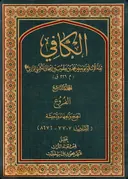
The Book of Taharat (Cleansing)
Rare Ahadith about Wudu’
9ـ أَبُو عَلِيٍّ الأشْعَرِيُّ عَنْ بَعْضِ أَصْحَابِنَا عَنْ إِسْمَاعِيلَ بْنِ مِهْرَانَ عَنْ صَبَّاحٍ الْحَذَّاءِ عَنْ سَمَاعَةَ قَالَ كُنْتُ عِنْدَ أَبِي الْحَسَنِ (عَلَيْهِ الْسَّلام) فَصَلَّى الظُّهْرَ وَالْعَصْرَ بَيْنَ يَدَيَّ وَجَلَسْتُ عِنْدَهُ حَتَّى حَضَرَتِ الْمَغْرِبُ فَدَعَا بِوَضُوءٍ فَتَوَضَّأَ لِلصَّلاَةِ ثُمَّ قَالَ لِي تَوَضَّأْ فَقُلْتُ جُعِلْتُ فِدَاكَ أَنَا عَلَى وُضُوئِي فَقَالَ وَإِنْ كُنْتَ عَلَى وُضُوءٍ إِنَّ مَنْ تَوَضَّأَ لِلْمَغْرِبِ كَانَ وُضُوؤُهُ ذَلِكَ كَفَّارَةً لِمَا مَضَى مِنْ ذُنُوبِهِ فِي يَوْمِهِ إِلاَّ الْكَبَائِرَ وَمَنْ تَوَضَّأَ لِلصُّبْحِ كَانَ وُضُوؤُهُ ذَلِكَ كَفَّارَةً لِمَا مَضَى مِنْ ذُنُوبِهِ فِي لَيْلَتِهِ إِلاَّ الْكَبَائِرَ.
9. Abu Ali al-Ash’ariy has narrated from certain persons of our people from ’Isma‘il ibn Mehran from Sabbah al-ffadhdha’ from Sama‘ah who has said the following: “I once was in the presence of abu al-Hassan (a.s.), and he (the Imam) performed al-Dhuhr and al-‘Asr Salah (prayer) before me. I remained in his presence until al-Maghrib. He (the Imam) asked for Wudu’ (water) and he took Wudu’ for al-Maghrib Salah (prayer), then said to me, ‘You need to take Wudu’. I said, ‘I pray to Allah to keep my soul in service for your cause, my Wudu’ is still valid.’ He (the Imam) said, ‘Even so you should take Wudu’; to those who take Wudu’ for al-Maghrib it serves as expiation for the sins that they may have done during that day except the major sins. Taking Wudu’ in the morning serves as expiation for the sins that one had committed during the night before except the major sins.’”
10ـ مُحَمَّدُ بْنُ يَحْيَى وَأَحْمَدُ بْنُ إِدْرِيسَ عَنْ أَحْمَدَ بْنِ إِسْحَاقَ عَنْ سَعْدَانَ عَنْ بَعْضِ أَصْحَابِهِ عَنْ أَبِي عَبْدِ الله (عَلَيْهِ الْسَّلام) قَالَ الطُّهْرُ عَلَى الطُّهْرِ عَشْرُ حَسَنَاتٍ.
10. Muhammad ibn Yahya and Ahmad ibn Idris have narrated from Ahmad ibn Ishaq from Sa‘dan from certain persons of his people who have said the following: “Abu ‘Abd Allah (a.s.), has said, ‘For having al-Tuhr (cleansing) over al-Tuhr one receives a reward for ten good deeds.”’
11ـ مُحَمَّدُ بْنُ الْحَسَنِ وَغَيْرُهُ عَنْ سَهْلِ بْنِ زِيَادٍ بِإِسْنَادِهِ عَنْ أَبِي عَبْدِ الله (عَلَيْهِ الْسَّلام) قَالَ إِذَا فَرَغَ أَحَدُكُمْ مِنْ وُضُوئِهِ فَلْيَأْخُذْ كَفّاً مِنْ مَاءٍ فَلْيَمْسَحْ بِهِ قَفَاهُ يَكُونُ ذَلِكَ فَكَاكَ رَقَبَتِهِ مِنَ النَّارِ.
11. Muhammad ibn al-Hassan and others have narrated from Sahl ibn Ziyad through the chain of his narrators who has said the following: “Abu ‘Abd Allah (a.s.), has said, ‘When anyone of you completes his Wudu’, he must take water in his palm and wipe with it his back; it will free his neck from the fire.’” (This perhaps is because of Taqiyah)
12ـ عَلِيُّ بْنُ مُحَمَّدٍ عَنْ سَهْلِ بْنِ زِيَادٍ عَنْ مُحَمَّدِ بْنِ عِيسَى عَنْ يُونُسَ عَنْ أَبِي الْحَسَنِ (عَلَيْهِ الْسَّلام) قَالَ قُلْتُ لَهُ الرَّجُلُ يَغْتَسِلُ بِمَاءِ الْوَرْدِ وَيَتَوَضَّأُ بِهِ لِلصَّلاَةِ قَالَ لاَ بَأْسَ بِذَلِكَ.
12. Ali ibn Muhammad has narrated from Sahl ibn Ziyad from Muhammad ibn ‘Isa from Yunus who has said the following: “I once asked abu al-Hassan (a.s.), about a man who takes Wudu’ with water of roses for Salah (prayer). He (the Imam) said, ‘It is not harmful.’” (Fatwa best explains this Hadith.)
13ـ أَبُو عَلِيٍّ الأشْعَرِيُّ عَنْ مُحَمَّدِ بْنِ عَبْدِ الْجَبَّارِ عَنْ صَفْوَانَ عَنْ عَبْدِ الْوَهَّابِ عَنْ مُحَمَّدِ بْنِ أَبِي حَمْزَةَ عَنْ هِشَامِ بْنِ سَالِمٍ عَنْ إِسْمَاعِيلَ الْجُعْفِيِّ عَنْ أَبِي عَبْدِ الله (عَلَيْهِ الْسَّلام) قَالَ سَأَلْتُهُ عَمَّنْ مَسَّ عَظْمَ الْمَيِّتِ قَالَ إِذَا كَانَ سَنَةٌ فَلَيْسَ بِهِ بَأْسٌ.
13. Abu Ali al-Ash’ariy has narrated from Muhammad ibn ‘Abd al-Jabbar from Safwan from ‘Abd al-Wahhab from Muhammad ibn abu Hamzah from Hisham ibn Salim from ’Isma‘il al-Ju’fiy who has said the following: “I once asked abu ‘Abd Allah (a.s.), about touching the bones of a dead person. He (the Imam) said, ‘If it is after one year, it is not harmful.’”
14ـ مُحَمَّدُ بْنُ يَحْيَى رَفَعَهُ عَنْ أَبِي حَمْزَةَ قَالَ قَالَ أَبُو جَعْفَرٍ (عَلَيْهِ الْسَّلام) إِذَا كَانَ الرَّجُلُ نَائِماً فِي الْمَسْجِدِ الْحَرَامِ أَوْ مَسْجِدِ الرَّسُولِ (صلّى اللهُ عَلَيْهِ وَآلِه) فَاحْتَلَمَ فَأَصَابَتْهُ جَنَابَةٌ فَلْيَتَيَمَّمْ وَلاَ يَمُرَّ فِي الْمَسْجِدِ إِلاَّ مُتَيَمِّماً حَتَّى يَخْرُجَ مِنْهُ ثُمَّ يَغْتَسِلَ وَكَذَلِكَ الْحَائِضُ إِذَا أَصَابَهَا الْحَيْضُ تَفْعَلُ كَذَلِكَ وَلاَ بَأْسَ أَنْ يَمُرَّا فِي سَائِرِ الْمَسَاجِدِ وَلاَ يَجْلِسَانِ فِيهَا.
14. Muhammad ibn Yahya has narrated in a marfu‘ manner from abu Hamzah who has said the following: “Abu Ja‘far (a.s.), has said, ‘If one sleeps in Masjid al-Haram or Masjid of the Messenger of Allah and experiences wet dream, one must take Tayammum and must not pass through the Masjid without Tayammum until one is out of the Masjid, then take Ghusl (bath). This applies to one experiencing Hayd (menses) also and she must take Tayammum as mentioned. In the case of other Masjid, passing through them in such conditions is permissible but such people must not sit in them with such conditions.’”
15ـ مُحَمَّدُ بْنُ يَحْيَى عَنْ مُحَمَّدِ بْنِ الْحُسَيْنِ عَنْ وُهَيْبِ بْنِ حَفْصٍ عَنْ أَبِي بَصِيرٍ قَالَ سَأَلْتُهُ عَنْ حَيَّةٍ دَخَلَتْ حُبّاً فِيهِ مَاءٌ وَخَرَجَتْ مِنْهُ قَالَ إِنْ وَجَدَ مَاءً غَيْرَهُ فَلْيُهَرِقْهُ.
15. Muhammad ibn Yahya has narrated from Muhammad ibn al-Husayn from Wuhayb ibn Hafs from abu Basir who has said the following: “I once asked him (the Imam) (a.s.), about the case of a snake that enters in a Hub (large water container) which has water in it and then comes out. He (the Imam) said, ‘If one can find other water it should be spilled away.’”
16ـ مُحَمَّدُ بْنُ يَحْيَى عَنِ الْعَمْرَكِيِّ بْنِ عَلِيٍّ عَنْ عَلِيِّ بْنِ جَعْفَرٍ عَنْ أَخِيهِ أَبِي الْحَسَنِ (عَلَيْهِ الْسَّلام) قَالَ سَأَلْتُهُ عَنْ رَجُلٍ رَعَفَ فَامْتَخَطَ فَصَارَ بَعْضُ ذَلِكَ الدَّمِ قِطَعاً صِغَاراً فَأَصَابَ إِنَاءَهُ هَلْ يَصْلُحُ لَهُ الْوُضُوءُ مِنْهُ فَقَالَ إِنْ لَمْ يَكُنْ شَيْءٌ يَسْتَبِينُ فِي الْمَاءِ فَلاَ بَأْسَ وَإِنْ كَانَ شَيْئاً بَيِّناً فَلاَ يَتَوَضَّأْ مِنْهُ قَالَ وَسَأَلْتُهُ عَنْ رَجُلٍ رَعَفَ وَهُوَ يَتَوَضَّأُ فَيَقْطُرُ قَطْرَةٌ فِي إِنَائِهِ هَلْ يَصْلُحُ الْوُضُوءُ مِنْهُ قَالَ لاَ.
16. Muhammad ibn Yahya has narrated from al-‘Amrakiy ibn Ali from Ali ibn Ja‘far from his brother abu al-Hassan (a.s.) has said the following: “I once asked abu al-Hassan (a.s.), about the case of one who had a nosebleed; then he blew his nose and parts of it became small segments which came in contact with his water container. Can he take Wudu’ with such water? He (the Imam) said, ’If nothing is visible in the water container it is not harmful. However, if things show in it he must not use it for Wudu’. I (the narrator) then asked him (the Imam) about a man who has nosebleed while taking Wudu’ and a drop falls in his water container. Can he take Wudu with such water? He (the Imam) said, ‘No, he cannot take Wudu’ with such water.’”
17ـ مُحَمَّدُ بْنُ يَحْيَى عَنْ أَحْمَدَ بْنِ مُحَمَّدٍ عَنِ الْبَرْقِيِّ عَنْ سَعْدِ بْنِ سَعْدٍ عَنْ صَفْوَانَ قَالَ سَأَلْتُ أَبَا الْحَسَنِ (عَلَيْهِ الْسَّلام) عَنْ رَجُلٍ احْتَاجَ إِلَى الْوُضُوءِ لِلصَّلاَةِ وَهُوَ لاَ يَقْدِرُ عَلَى الْمَاءِ فَوَجَدَ بِقَدْرِ مَا يَتَوَضَّأُ بِهِ بِمِائَةِ دِرْهَمٍ أَوْ بِأَلْفِ دِرْهَمٍ وَهُوَ وَاجِدٌ لَهَا يَشْتَرِي وَيَتَوَضَّأُ أَوْ يَتَيَمَّمُ قَالَ لاَ بَلْ يَشْتَرِي قَدْ أَصَابَنِي مِثْلُ ذَلِكَ فَاشْتَرَيْتُ وَتَوَضَّأْتُ وَمَا يُشْتَرَى بِذَلِكَ مَالٌ كَثِيرٌ.
17. Muhammad ibn Yahya has narrated from Ahmad ibn Muhammad from al-Barqiy from Sa‘d ibn Sa‘d from Safwan who has said the following: “I once asked abu al-Hassan (a.s.), about a man who needs to take Wudu’ for Salah (prayer). However, he is not able to find water. He finds a certain amount of water which is enough for his Wudu’ but it costs one hundred dirham or one thousand dirham. He has that much dirham to buy and take Wudu’, should he buy the water or instead take Tayammum? He (the Imam) said, ‘No, he must buy. This kind of thing has happened to me and I bought water to take Wudu’. What is bought (in this case) is a great deal.’” (For such Ahadith about an act or issue of the five categories of deeds the qualities such as Wujub, (Obligatory), Hurmat (Prohibited), Istihbab (Preference), Kirahat (Detestability) or Ibahah (Permissibility) one must consult fatwas of one’s Mujtahid.)
The Book of Hayd (menses)
Chapters on Hayd (menses)
1ـ الْحُسَيْنُ بْنُ مُحَمَّدٍ عَنْ مُعَلَّى بْنِ مُحَمَّدٍ عَنِ الْحَسَنِ بْنِ عَلِيٍّ الْوَشَّاءِ عَنْ حَمَّادِ بْنِ عُثْمَانَ عَنْ أُدَيْمِ بْنِ الْحُرِّ قَالَ سَمِعْتُ أَبَا عَبْدِ الله (عَلَيْهِ الْسَّلام) يَقُولُ إِنَّ الله تَبَارَكَ وَتَعَالَى حَدَّ لِلنِّسَاءِ فِي كُلِّ شَهْرٍ مَرَّةً.
1. Al-Husayn ibn Muhammad has narrated from Mu‘alla’ ibn Muhammad from al-Hassan ibn Ali al-Washsha’ from Hammad ibn ‘Uthman from ‘Udaym ibn al-Hurr who has said the following: “I once heard abu ’Abd Allah (a.s.), say, ‘Allah, most Blessed, most High, has established a certain limit for women every month.’”