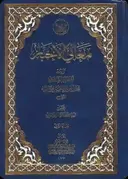
Maʿānī al-Akhbār, meaning "The Meanings of Reports," is an essential compilation by the eminent Shīʿī scholar al-Shaykh al-Ṣadūq, renowned for his profound knowledge of Ḥadīth and jurisprudence. This scholarly work, completed in the fourth/tenth century, collects and elucidates approximately 500 terms from the Qurʾān, Ḥadīths, theology, jurisprudence, and other Islamic sciences, leveraging narratives from Prophet Muhammad (s) and the Ahl al-Bayt (a). Maʿānī al-Akhbār provides rich insights into various aspects of Islam, organised into five primary categories: Ḥadīths on Qurʾānic exegesis, jurisprudential Ḥadīths, theological, ethical, and historical Ḥadīths. The book comprises 809 Ḥadīths, arranged into 429 diverse sections, each shedding light on particular terminologies or concepts, ranging from widely recognized phrases to in-depth theological principles. Distinctive features of Maʿānī al-Akhbār include the author's rigorous scholarly approach to narrations, noting the time and location of some Hadith's transmission, and reference to lexicological experts' opinions. al-Shaykh al-Ṣadūq also articulates his theological arguments, referencing other sources, and often clarifying the true meaning of famous Sunnī Ḥadīths through Shīʿī chains of transmission. The book's unique focus on explaining ambiguities and problems within Ḥadīths, using the explanations provided from the Ahl al-Bayt's (as), is what sets it apart from other works. Maʿānī al-Akhbār is praised for its distinctive subject matter and methodology, offering unrivalled insight into understanding and interpreting key terms and concepts in Islamic sciences.
A könyvek leírása és a hadíthok fordítása angol nyelvű (forrás: Thaqalayn.net). Az arab eredeti minden hadíth mellett szerepel.
Content
The chapter because of which we named this book, the Book of the Meanings of the Reports
قال الشيخ أبو جعفر محمد بن علي بن الحسين بن موسى بن بابويه الفقيه القمي نزيل الري، مصنف هذا الكتاب - رضي الله عنه، وقدس روحه: حدثنا أبي، ومحمد بن الحسن بن أحمد بن الوليد - رضي الله عنهما - قالا: حدثنا سعد بن عبد الله، و عبد الله بن جعفر الحميري، وأحمد بن إدريس، ومحمد بن يحيى العطار - رحمهم الله - قالوا: حدثنا أحمد بن محمد بن خالد قال: حدثنا علي بن حسان الواسطي، عمن ذكره، عن داود بن فرقد قال: سمعت أبا عبد الله عليه السلام يقول: أنتم أفقه الناس إذا عرفتم معاني كلامنا، إن الكلمة لتنصرف على وجوه، فلو شاء إنسان لصرف كلامه كيف شاء ولا يكذب.
Sheikh Abu Ja’far, Muhammed bin Ali bin Hussain bin Musa bin Babawayh, the jurist, al-Qommi, the visitor of Ray, the compiler of this book, may Allah be pleased with him and sanctify his soul: 1. We were told by my father, and Muhammed bin Hasan bin Ahmad bin Waleed, may Allah be pleased with them both, that they both said: We were told by Sa’d bin Abdullah, and Abdullah bin Ja’far al-Himyari, and Ahmad bin Idrees, and Muhammed bin Yahya al-‘Attar, may Allah grant them mercy, that they said: We were told by Ahmad bin Muhammed bin Khalid, that he said: We were told by Ali bin Hassaan al-Wasiti, from the one he mentioned, from Dawud bin Farqad, that he said: I heard Abu Abdillah, peace be upon him, say: You are the most knowledgeable of the people if you were to know the meanings of our words. Verily, a word does indeed turn to several indications. If a person wishes, he may turn his words however he wishes, whilst not lying.
أبي - رحمه الله - قال حدثنا علي بن إبراهيم بن هاشم، عن محمد بن عيسى، عن محمد بن أبي عمير، عن بريد الرزاز، عن أبي عبد الله عليه السلام قال: قال أبو جعفر عليه السلام: يا بني أعرف منازل الشيعة على قدر روايتهم ومعرفتهم، فإن المعرفة هي الدراية للرواية و بالدرايات للروايات يعلو المؤمن إلى أقصى درجات الايمان، إني نظرت في كتاب لعلي عليه السلام فوجدت في الكتاب أن قيمة كل امرء وقدره معرفته، إن الله تبارك وتعالى يحاسب الناس على قدر ما آتاهم من العقول في دار الدنيا.
2. My father, may Allah grant him mercy, said: We were told by Ali bin Ibrahim bin Hashim, from Muhammed bin ‘Isa, from Muhammed bin Abi ‘Umayr, from Zaid al-Razzaz, from Abu Abdillah, peace be upon him, that he said: Abu Ja’far, peace be upon him, said: O my son, know that the rank of the Shi’a [1] is based upon the degree of their narrating and conscious knowledge, for indeed, conscious knowledge is comprehension. With comprehensions of the narrations, the believer elevates to the farthest levels of faith. Indeed, I have looked into the book of Ali, peace be upon him, and I found in the book: Indeed, the value and rank of every person is his conscious knowledge. Indeed, Allah, Blessed and Exalted is He, will judge people in accordance to the amount of what He has granted them of intellects in the life of this world.
حدثنا جعفر بن محمد بن مسرور - رضي الله عنه - قال. حدثنا الحسين بن محمد ابن عامر، عن عمه عبد الله بن عامر، عن محمد بن أبي عمير، عن إبراهيم الكرخي، عن أبي عبد الله عليه السلام أنه قال: حديث تدريه خير من ألف حديث ترويه، ولا يكون الرجل منكم فقيها حتى يعرف معاريض كلامنا، وإن الكلمة من كلامنا لتنصرف على سبعين وجها لنا من جميعها المخرج.
3. We were told by Ja’far bin Muhammed bin Masrur, may Allah be pleased with him, that he said: We were told by Hussain bin Muhammed ibn ‘Amer, from his paternal uncle, Abdullah bin ‘Amer, from Muhammed bin Abi ‘Umayr, from Ibrahim al-Karkhi, from Abu Abdillah, peace be upon him, that he said: A narration that you comprehend is better than a thousand narrations which you narrate. An man from you will not be knowledgeable until he is aware of the various indications of our speech. Verily, the word from our speech does indeed turn to seventy indications, all which we may intend.
Content
The chapter of the meaning of a noun
أبي - رحمه الله - قال: حدثنا أحمد بن إدريس، عن الحسين بن عبد الله، عن محمد ابن عبد الله، وموسى بن عمر، والحسن بن علي بن أبي عثمان، عن ابن سنان قال:سألت أبا الحسن الرضا عليه السلام عن الاسم ما هو؟ فقال عليه السلام: [فهو] صفة لموصوف.
1. My father, may Allah grant him mercy, said: We were told by Ahmad bin Idrees, from Hussain bin Ubaidullah, from Muhammed ibn Abdullah, and Musa bin Umar, and Hasan bin Ali bin Abi Uthman, from Ibn Sinan, that he said: I asked Abu’l-Hasan al-Rida, peace be upon him, about the noun: What is it? He said: It is an attribute to that which is attributed.
حدثنا أبي - رضي الله عنه - بهذا الاسناد، عن محمد بن سنان، عن أبي الحسن الرضا عليه السلام قال: سألته هل كان الله عز وجل عارفا بنفسه قبل أن يخلق الخلق؟ قال عليه السلام: نعم. قلت: يراها ويسمعها؟ قال: ما كان محتاجا إلى ذلك لأنه لم يكن يسألها ولا يطلب منها، هو نفسه ونفسه هو، قدرته نافذة، فليس يحتاج أن يسمى نفسه، ولكنه اختار لنفسه أسماء لغيره يدعوه بها، لأنه إذا لم يدع باسمه لم يعرف فأول ما اختار لنفسه " العلي العظيم " لأنه أعلى الأشياء كلها فمعناه " الله " واسمه " العلي العظيم " وهو أول أسمائه لأنه علي علا كل شئ.
2. We were told by my father, may Allah be pleased with him, with this chain of narrators, from Muhammed bin Sinan, from Abu’l-Hasan al-Rida, peace be upon him, that he said: I asked him: Was Allah, Glorious and Exalted is He, consciously knowing of Himself before He created the creation? He, peace be upon him, said: Yes. I said: Was He seeing and hearing it? He said: He was not in need of that, because He was not asking it, nor requesting from it. He is His Self, and His Self is Him; His Might is Piercing, and so He does not need to name Himself. However, He indeed chose names for Himself, to others than Himself, that they may call upon Him with, because if He was not called upon by His Name, he would not have been recognized. Hence, the first He chose for Himself is the High, the Great, because He is the Highest of all things. So, His meaning is the God, and His Name is the High, the Great, which is the first of His Names, because He has exalted above everything.
Content
The chapter of the meaning of «Bism-il-Laah-ir-Rahmaan-ir-Raheem»
حدثنا أبي - رحمه الله - قال: حدثنا سعد بن عبد الله، عن أحمد بن محمد بن عيسى، عن القاسم بن يحيى، عن جده الحسن بن راشد، عن عبد الله بن سنان، عن أبي عبد الله عليه السلام قال: سألته عن " بسم الله الرحمن الرحيم " فقال عليه السلام. الباء بهاء الله، والسين سناء الله، والميم مجد الله - وروى بعضهم ملك الله -، والله إله كل شئ، [و] الرحمن لجميع العالم والرحيم بالمؤمنين خاصة.
1. We were told by my father, may Allah grant him mercy, that he said: We were told by Sa’d bin Abdullah, from Ahmad bin Muhammed bin ‘Isa, from Qasim bin Yahya, from his grandfather, Hasan bin Rashid, from Abdullah bin Sinan, from Abu Abdillah, peace be upon him, that he said: I asked him about «Bism-il-Laah-ir-Rahmaan-ir-Raheem» [1] (1:1), so he, peace be upon him, said: The Baa’ is the Magnificence of Allah, the Seen is the Sublimity of Allah, and the Miim is the Nobility of Allah – and some narrated: the Kingdom of Allah – and Allah is the God of everything, and the Merciful to all in the world, and the Merciful in particular to the believers in particular.
حدثنا محمد بن الحسن بن أحمد بن الوليد - رضي الله عنه - قال: حدثنا محمد بن الحسن الصفار، عن العباس بن معروف، عن صفوان بن يحيى، عمن حدثه، عن أبي عبد الله عليه السلام أنه سئل عن " بسم الله الرحمن الرحيم " فقال: الباء بهاء الله، والسين سناء الله، والميم ملك الله. قال: قلت: الله؟ قال: الألف آلاء الله على خلقه من النعم بولايتنا، واللام إلزام الله خلقه ولايتنا. قلت: فالهاء؟ فقال: هوان لمن خالف محمدا وآل محمد صلوات الله عليهم قلت: الرحمن؟ قال: بجميع العالم. قلت: الرحيم؟ قال: بالمؤمنين خاصة.
2. We were told by Muhammed bin Hasan bin Ahmad bin Waleed, may Allah be pleased with him, that he said: We were told by Muhammed bin Hasan al-Saffar, from Abbas bin Ma’ruf, from Safwan bin Yahya, from the one who told him, from Abu Abdillah, peace be upon him, that he was asked about «Bism-il-Laah-ir-Rahmaan-ir-Raheem», so he said: The Baa’ is the Magnificence of Allah, the Seen is the Sublimity of Allah, and the Miim is the Kingdom of Allah. He said: I said: Allah? He said: The Alif is the Bounties of Allah upon His creation from the bliss of our Divine Authority, and the Laam is the Binding of Allah for His creation to our Divine Authority. I said: And the Haa’? Then he said: Ignominy to he who opposes Muhammed and the Family of Muhammed, upon whom are Allah’s blessings. I said: The Rahmaan? He said: (The Merciful) With all the world. I said: The Raheem? He said: (The Merciful) With the believers in particular.
Content
Another chapter regarding the meaning of «Bism-il-Laah»
حدثنا محمد بن إبراهيم بن إسحاق الطالقاني - رضي الله عنه - قال: أخبرنا أحمد بن محمد بن سعيد مولى بني هاشم، عن علي بن الحسن بن علي بن فضال، عن أبيه قال: سألت الرضا علي بن موسى عليه السلام عن " بسم الله " فقال: معنى قول القائل: " بسم الله " أي أسم على نفسي سمة من سمات الله عز وجل وهي العبادة. قال: فقلت له: ما السمة؟ قال: هي العلامة .
1. We were told by Muhammed bin Ibrahim bin Ishaq al-Talaqani, may Allah be pleased with him, that he said: We were informed by Ahmad bin Muhammed bin Sa’eed, the servant of the sons of Hashim, from Ali bin Hasan bin Ali bin Faddal, from his father, that he said: I asked al-Rida, Ali bin Musa, peace be upon him, about «Bism-il-Laah». He said: The meaning of the saying of the sayer: «Bism-il-Laah» is: I attribute upon myself an attribute from the Attributes of Allah, Glorious and Exalted is He, and that is servitude. He said: Then I said to him: What is an attribute? He said: It is a sign.
Content
The chapter of the meaning of Allah, Glorious and Exalted is He
أبي - رحمه الله - قال: حدثنا سعد بن عبد الله، عن أحمد بن محمد بن عيسى، عن القاسم بن يحيى، عن جده الحسن بن راشد، عن أبي الحسن موسى بن جعفر عليهما السلام، قال سئل عن معنى " الله " عز وجل، فقال: استولى على ما دق وجل.
1. My father, may Allah grant him mercy, said: We were told by Sa’d bin Abdullah, from Ahmad bin Muhammed bin ‘Isa, from Qasim bin Yahya, from his grandfather, Hasan bin Rashid, from Abu’l-Hasan, Musa bin Ja’far, peace be upon them both, that he said: He was asked about the meaning of Allah, Glorious and Exalted is He, so he said: He has taken possession over the tiny and the magnified.
حدثنا محمد بن القاسم الجرجاني المفسر - رضي الله عنه - قال: حدثنا أبو يعقوب يوسف بن محمد بن زياد، وأبو الحسن علي بن محمد بن سيار وكانا من الشيعة الإمامية، عن أبويهما، عن الحسن بن علي بن محمد عليهم السلام في قول الله عز وجل: " بسم الله الرحمن الرحيم " قال: الله هو الذي يتأله إليه عند الحوائج والشدائد كل مخلوق وعند انقطاع الرجاء من كل من دونه وتقطع الأسباب من جميع من سواه، تقول: " بسم الله " أي أستعين على أموري كلها بالله الذي لا تحق العبادة إلا له، المغيث إذا استغيث. والمجيب إذا دعي، وهو ما قال رجل للصادق عليه السلام: يا بن رسول الله دلني على الله ما هو فقد أكثر علي المجادلون وحيروني. فقال له: يا عبد الله هل ركبت سفينة قط؟ قال: نعم. قال: فهل كسرت بك حيث لا سفينة تنجيك، ولا سباحة تغنيك؟ قال: نعم. قال: فهل تعلق قلبك هنالك أن شيئا من الأشياء قادر على أن يخلصك من ورطتك؟ قال: نعم. قال الصادق عليه السلام: فذلك الشئ هو الله القادر على الانجاء حيث لا منجي، وعلى الإغاثة حيث لا مغيث.
2. We were told by Muhammed bin Qasim al-Jarjani, the exegete, may Allah be pleased with him, that he said: We were told by Abu Ya’qub, Yusuf bin Muhammed bin Ziyad, and Abu’l-Hasan, Ali bin Muhammed bin Sayyar – and they were from among the Imami Shi’a – of their fathers, from Hasan bin Ali bin Muhammed, peace be upon them, with regards to the saying of Allah, Glorious and Exalted is He: «Bism-il-Laah-ir-Rahmaan-ir-Raheem» (1:1) He said: «Allah is He to whom it is sought refuge at the occasions of needs and hardships by every creature when hope is broken from all besides Him, and means are disconnected from everything except Him. You say: Bism-il-Laah, meaning: I seek assistance upon all my matters from Allah, whom servitude is not right except to Him, the Succorer if He is appealed for succor, and the Responder if He is called upon. It is what a man said to al-Sadiq, peace be upon him: O son of Allah’s Messenger, guide me to Allah, what is He? For indeed, the polemicists have given me abundantly and confused me. Then he said to him: O servant of Allah, have you ever boarded a ship? He said: Yes. He said: Then, has it broken with you to the extent that no ship could save you, nor could swimming be sufficient for you? He said: Yes. He said: Then, did it, therein, connect to your heart that there is a thing among things that is able to save you from your hazard? He said: Yes. Al-Sadiq, peace be upon him, said: Then, that Thing is Allah, the One Able to rescue when there is no rescuer, and to succor when there is no succorer.