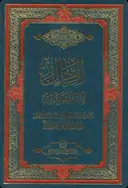
al-Ḍuʿafāʾ (also known as "Rijāl Ibn al-Ghaḍāʾirī") by Aḥmad b. al-Ḥusayn b. ʿUbaydullah al-Ghaḍāʾirī, a prominent scholar in the field of Rijāl, is an important work within the Shīʿī tradition of Rijāl. The book, meaning "The Weakened Ones" in Arabic, is a comprehensive biographical work focused on biographical information and information regarding the credibility of Shīʿī transmitters of Ḥadīths. Initially, there was no trace of the existence of this work between the 5th/11th and the 7th/13th centuries. Its first mention be first found by al-Sayyid Jamāl al-Dīn Ibn Ṭāwūs in the 7th/13th century. This led to controversies among scholars regarding the book's true authorship. What can definitely be said about the work though, based on the comments of individuals like al-Sayyid al-Zanjānī and al-Sayyid Muḥammad Riḍā al-Sīstānī is that the author is a Shīʿī who has access to the works of the Imāmī school and has great knowledge about the narrators of the sect. The book is alphabetically organised, providing a comprehensive perspective on numerous Shīʿī transmitters of Ḥadīths. Thus the book is a valuable source for those studying the history of Shīʿī narrators and the complex scholarly debates surrounding the reliability of Ḥadīth transmitters.
A könyvek leírása és a hadíthok fordítása angol nyelvű (forrás: Thaqalayn.net). Az arab eredeti minden hadíth mellett szerepel.
Introduction
بسم الله الرحمن الرحيم إعلم - أيدك الله وإيانا - إني لما وقفت على كتاب (السيد المعظم الأعظم) السيد جمال الدين أحمد بن طاووس في الرجال فرأيته مشتملا على نقل ما في كتب السلف، وقد كنت رزقت - بحمد الله تعالى - النافع من تلك الكتب، إلا " كتاب ابن الغضائري " فإني ما كنت سمعت له وجودا في زماننا هذا، وكان كتاب السيد هذا - بخطه الشريف - مشتملا عليه؛ فحداني التبرك به - مع ظن الانتفاع بكتاب ابن الغضائري - أن أجعله منفردا عنه. راجيا من الله الجواد الوصول إلى سبيل الرشاد.
Know – may God support you and us – that when I looked closely at the book of (the honored esteemed sayyid) al-Sayyid Jamāl al-Dīn Aḥmad b. Ṭāwūs about rijāl, I saw that it included what has been narrated from the books of the Salaf. And I was provided – by the praise of God تعالى – service of those books except for the book of Ibn al-Ghaḍā’irī, for I had not heard of its existence in this time of ours. And this book of the Sayyid – by his noble handwriting – included it. So, I was urged to find blessing by it – with the reckoning of getting benefit from the book of Ibn al- Ghaḍā’irī - that I make a separate (volume) from it, hoping for access to the path of reason from God the generous.
قال السيد المعظم: من كتاب أبي الحسين، أحمد بن الحسين بن عبيد الله الغضائري، المقصور على ذكر الضعفاء، ومن رد حديثه من أصحابنا على حروف المعجم.
The honored Sayyid said: From the book of Abū al-Ḥusayn Aḥmad b. al-Ḥusayn b. ʿUbaydullāh al-Ghaḍā’irī, restricted to the mention of the weak (narrators), and he whose ḥadīth has been rejected from our companions, in alphabetical order.
Alif: Eighteen men
Abān b. Abī ʿAyyāsh
1 - أبان بن أبي عياش، واسم أبي عياش: فيروز. تابعي، روى عن أنس بن مالك. وروى عن علي بن الحسين (عليهما السلام). ضعيف، لا يلتفت إليه. وينسب أصحابنا وضع "كتاب سليم بن قيس "إليه.
1 – Abān b. Abī ʿAyyāsh, Abī ʿAyyāsh’s name is Fayrūz. A tābiʿī, he narrated from Anas b. Mālik. And he narrated from ʿAlī b. al-Ḥusayn عليهما السلام . Weak, he is not to be turned to. Our companions ascribe to him the fabrication of the book of Sulaym b. Qays.
Alif: Eighteen men
Ibrāhīm b. ʿUmar
2 - إبراهيم بن عمر، الصنعاني، اليماني، يكنى أبا إسحاق. ضعيف جدا. روى عن أبي جعفر، وأبي عبد الله (عليهما السلام). وله كتاب.
2 – Ibrāhīm b. ʿUmar, al-Ṣanʿānī, al-Yamānī, known by the kunya Abū Isḥāq. Very weak. He narrated from Abū Jaʿfar عليه السلام and Abū ʿAbdillāh عليه السلام . He has a book.
Alif: Eighteen men
Isḥāq b. ʿAbd al-ʿAzīz
3 - إسحاق بن عبد العزيز، البزاز، كوفي، يكنى أبا يعقوب، ويلقب أبا السفاتج. روى عن أبي عبد الله (عليه السلام). يعرف حديثه تارة، وينكر أخرى، ويجوز أن يخرج شاهدا.
3 – Isḥāq b. ʿAbd al-ʿAzīz, al-Bazzāz (the drapper), Kufan, known by the kunya Abū Yaʿqūb, and by the laqab Abū al-Safātij. He narrated from Abū ʿAbdillāh عليه السلام . His ḥadīth are sometimes recognized, and other times rejected. It is permissible to bring him out as a witness.
Alif: Eighteen men
Aḥmad b. Rashad b. Khuthaym
4 - أحمد بن رشد بن خثيم، العامري، الهلالي. زيدي، يدخل حديثه في حديث أصحابنا، ضعيف، فاسد.
4 – Aḥmad b. Rashad b. Khuthaym, al-ʿĀmirī, al-Hilālī. Zaydī, his ḥadīth are included amongst the ḥadīth of our companions. Weak, corrupt.
Alif: Eighteen men
Ibrāhīm b. ʿUbaydullāh b. al-ʿAlā, al-Madanī
5 - إبراهيم بن عبيد الله بن العلاء، المدني. لا يعرف إلا بما ينسب إليه عبد الله بن محمد البلوي. وينسب إلى أبيه عبيد الله بن العلاء عمارة بن زيد. وما يسند إليه إلا الفاسد المتهافت. وأظنه اسما موضوعا على غير واحد.
5 – Ibrāhīm b. ʿUbaydullāh b. al-ʿAlā, al-Madanī. Not recognized except for what is attributed to him by ʿAbdullāh b. Muḥammad al-Balawī. His father, ʿUbaydullāh b. al-ʿAlā is related to ʿAmāra b. Zayd. Chains of narrations do not go back to him but through the corrupt and confused. I suspect that his name has been assigned to more than one.
Alif: Eighteen men
Umayya b. ʿAlī, al-Qaysī
6 - أمية بن علي، القيسي، يكنى أبا محمد. في عداد القميين، ضعيف الرواية، في مذهبه ارتفاع.
6 – Umayya b. ʿAlī, al-Qaysī, known by the kunya Abū Muḥammad. Amongst a number of the Qummis. Weak narrations. In his madhhab there is irtifāʿ.
Alif: Eighteen men
Ismāʿīl b. Mihrān b. Muḥammad b. Abī Naṣr, al-Sakūnī
7 - إسماعيل بن مهران بن محمد بن أبي نصر، السكوني، يكنى أبا محمد. ليس حديثه بالنقي، يضطرب تارة ويصلح أخرى. ويروي عن الضعفاء كثيرا، ويجوز أن يخرج شاهدا.
7 – Ismāʿīl b. Mihrān b. Muḥammad b. Abī Naṣr, al-Sakūnī, known by the kunya Abū Muḥammad. His ḥadīths are not pure, sometimes they are disturbed, and others are upright. He narrates from weak narrators a lot. It is permissible to bring his (ḥadīth) out as a witness.
Alif: Eighteen men
Idrīs b. Ziyād
8 - إدريس بن زياد، يكنى أبا الفضل، الكفرثوثائي، خوزي الأم. يروي عن الضعفاء.
8 – Idrīs b. Ziyād, known by the kunya Abū al-Faḍl, al-Kafarthawthā’ī. Khūzī on his mother’s side. Narrates from weak narrators.