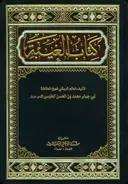
Kitāb al-Ghayba, authored by the renowned Islamic scholar al-Shaykh al-Ṭūsī, is an indispensable resource on the concept of occultation in Shīʿa Islam, with a specific focus on Imam al-Mahdi (a). This narrative text revolves around Mahdawiyya, offering an in-depth exploration of the 12th Imam's occultation. The work was written around thirteen years before al-Ṭūsī’s death, it incorporates powerful dialectical arguments and Ḥadīths vindicating the doctrine of the occultation of the son of al-Ḥasan al-ʿAskārī (as), in addition to responding to other proto-Shīʿī sects such as the Wāqifa and detailing the prophesied signs of his advent. The book is meticulously structured into eight chapters. The book refutes claims about Imam al-Mahdī’s death and advent times and sheds light on his characteristics, attributes, and conduct. Kitāb al-Ghayba's historical and theological importance is well-recognized due to its thorough examination of Imam al-Mahdi's occultation. al-Shaykh al-Ṭūsī’s access to first-hand accounts and his profound understanding of Ḥadīths significantly enhance the book's credibility. Its comprehensive treatment of Mahdism and occultation makes it a reference point for anyone seeking to write on these subjects. It also critically evaluates the claims of individuals asserting to be deputies of Imam al-Mahdi, enhancing its relevance in the discourse around the topic.
A könyvek leírása és a hadíthok fordítása angol nyelvű (forrás: Thaqalayn.net). Az arab eredeti minden hadíth mellett szerepel.
Content
Introduction
بِسْمِ اللهِ الرَّحْمَنِ الرَّحِيمِ الحمد لله الذي هدانا لحمده، وجعلنا من أهله، ووفقنا للتمسك بدينه والانقياد لسبيله، ولم يجعلنا من الجاحدين لنعمته، المنكرين لطوله وفضله ومن الذين ﴿إِسْتَحْوَذَ عَلَيْهِمُ الشَّيْطَانُ فَأَنْسَاهُمْ ذِكْرَ اللهِ أُولَئِكَ حِزْبُ الشَّيْطَانِ أَلاَ إِنَّ حِزْبَ الشَّيْطَانِ هُمُ الْخَاسِرُونَ﴾. وصلى الله على سيد أنبيائه وخاتم أصفيائه محمد صلى الله عليه وعلى آله الطيبين، النجوم الزاهرة، والاعلام الظاهرة، الذين نتمسك بولايتهم، ونتعلق بعرى حبلهم، ونرجو الفوز بالتمسك بهم، وسلم تسليما. أما بعد فإني مجيب إلى ما رسمه الشيخ الجليل، أطال الله بقاءه من إملاء كلام في غيبة صاحب الزمان، وسبب غيبته، والعلة التي لاجلها طالت غيبته، وامتداد استتاره، مع شدة الحاجة إليه وانتشار الحيل، ووقوع الهرج والمرج، وكثرة الفساد في الارض، وظهوره في البر والبحر، ولم لم يظهر:وما المانع منه، وما المحوج إليه، والجواب عن كل ما يسأل في ذلك من شبه المخالفين، ومطاعن المعاندين. وأنا مجيب إلى ما سأله، وممتثل ما رسمه، مع ضيق الوقت، وشعث الفكر، وعوائق الزمان. وصوارف الحدثان، وأتكلم بجمل يزول معها الريب وتنحسم به الشبه ولا أطول الكلام فيه(فيمل، فإن كتبي في)الامامة وكتب شيوخنا مبسوطة في هذا المعنى في غاية الاستقصاء، وأتكلم عن(كل)ما يسأل في هذا الباب من الاسئولة المختلفة، وأردف ذلك بطرف من الاخبار الدالة على صحة ما نذكره، ليكون ذلك تأكيدا لما نذكره، وتأنيسا للمتمسكين بالاخبار، والمتعلقين بظواهر الاحوال، فإن كثيرا من الناس يخفى عليهم الكلام اللطيف الذي يتعلق بهذا الباب، وربما لم يتبينه، وأجعل للفريقين طريقا إلى ما نختاره ونلتمسه، ومن الله تعالى أستمد المعونة والتوفيق، فهما المرجوان من جهته، والمطلوبان من قبله، وهو حسبي ونعم الوكيل.
In the name of Allah, the Beneficent, the Merciful All praise is for Allah, Who guided us to His praise, glorification and thankfulness and made us worthy of it; He granted us divine opportunity (Taufeeq) to remain attached to religion and to submit to the laws of religion; and He did not make us of those who deny the Divine bounties. That is those, who are deniers of the favors and blessings of God; and did not include us among those about whom the Holy Quran says: “The Shaitan has gained mastery over them, so he has made them forget the remembrance of Allah; they are the Shaitan’s party; now surely the Shaitan’s supporters are the losers.” (58:19) And blessings of the Almighty Allah be on the Chief of Prophets, the last chosen servant of God, His Eminence, Muhammad Mustafa (s) and his pure and chaste progeny, whose members are shining stars and lofty standards of guidance; to whose guardianship and rope of guidance we are attached and through following whom we anticipate success in the hereafter. So to say: Our senior and respected teacher [apparently he implies to Shaykh Mufeed], may the Almighty Allah grant him a long life, ordered me to compile a book on the topic of occultation of the Master of the Age, which would explain the cause of occultation of the Imam and the reason of its prolongation and his remaining away from people, whereas they are in dire need of the Holy Imam (a.s) and strife and mischief is spreading in the world at a very fast rate. Why the Imam is not reappearing and what are the hurdles in his reappearance? What is the benefit of his existence? So that in this regard, all questions raised by opponents, enemies and doubters, should be replied. In spite of shortage of time, mental tensions and unfavorable circumstances and difficulties, I agreed to comply with this suggestion and obeyed his orders. Therefore, here I would mention points, through which all doubts may be removed, although I wouldn’t prolong the discourse, because this topic is studied and explained in detail in my other books as well as those of my teachers. So, in this book, I would reply to the different questions raised in various fashions and mention some traditional reports to support our statements and views so that those who are attached to traditional reports and are aware of the outward meanings should be satisfied, since definitely the intricate points of this subject are unknown to many and sometimes they don’t have the capacity to understand these complicated matters. Thus, I have adopted a particular way, which shall be useful to both kinds of people. In this regard, I beseech the Almighty for divine opportunity (Taufeeq) and help and He is a sufficient guardian for me.
Content
Discussion on occultation of Imam Mahdi(a.s)
فصل في الكلام في الغيبة: إعلم أن لنا في الكلام في غيبة صاحب الزمان عليه السلام طريقين.
Our discourse on the occultation of Master of the Age pursues two paths:
أحدهما: أن نقول:إذا ثبت وجوب الامامة في كل حال، وأن الخلق مع كونهم غير معصومين لا يجوز أن يخلو من رئيس في وقت من الاوقات، وأن من شرط الرئيس أن يكون مقطوعا على عصمته، فلا يخلو ذلك الرئيس من أن يكون ظاهرا معلوما، أو غائبا مستورا، فإذا علمنا أن كل من يدعي له الامامة ظاهرا ليس بمقطوع على عصمته، بل ظاهر أفعالهم وأحوالهم ينافي العصمة، علمنا أن من يقطع على عصمته غائب مستور. وإذا علمنا أن كل من يدعي له العصمة قطعا من هو غائب من الكيسانية و الناووسية و الفطحية والواقفة وغيرهم قولهم باطل، علمنا بذلك صحة إمامة ابن الحسن عليه السلام وصحة غيبته وولايته، ولا نحتاج إلى تكلف الكلام في إثبات ولادته، وسبب غيبته، مع ثبوت ما ذكرناه، لأن الحق لا يجوز خروجه عن الأمة.
One is that we say: Since it is proved that there must be an Imam in every age, and it is not possible that the people, being fallible, at any given time be without a chief, and that the chief must be ascertained to be infallible, and that such a chief is either manifest and known or hidden and unknown, and likewise it is clear that all those for whom a manifest Imamate is claimed, their infallibility is not ascertained, on the contrary the outward appearance of their actions contradicts infallibility, it is inferred that the infallible Imam, who must exist in every age, is (at present) hidden and invisible. Likewise, taking into consideration that all those for whom infallibility is claimed, and are said to be invisible and hidden, such as the supposed hidden leaders of Kaisaniyya, Nawusiyya, Fatihiyya, Waqifiyya and others sects, their claims are invalid, thus the Imamate of the son of Imam Hasan Askari (a.s) and his occultation and mastership (Wilayah) is proved, no other dispute is there in the Ummah. Hence, there is no need to take the burden of proving his birth and to explain the reasons of his occultation as the word of truth and true belief is present in the Ummah and not outside it.
والطريق الثاني: أن نقول: الكلام في غيبة ابن الحسن عليه السلام فرع على ثبوت إمامته، والمخالف لنا إما أن يسلم لنا إمامته ويسأل عن سبب غيبته عليه السلام فنتكلف جوابه، أو لا يسلم لنا إمامته فلا معنى لسؤاله عن غيبة من لم يثبت إمامته، ومتى نوزعنا في ثبوت إمامته دللنا عليها بأن نقول:قد ثبت وجوب الامامة مع بقاء التكليف على من ليس بمعصوم في جميع الاحوال والاعصار بالادلة القاهرة، وثبت أيضا أن من شرط الامام أن يكون مقطوعا على عصمته وعلمنا أيضا أن الحق لا يخرج عن الامة. بين قائل يقول: لا إمام، فما ثبت من وجوب الإمامة في كل حال يفسد قوله.
The second mode of our argument is thus: The inquiry of occultation of the son of Imam Hasan Askari (a.s) is secondary to proving his Imamate. Our adversary either submits to us in the question of his Imamate and inquires about the reason of his occultation, obliging us to answer him or he does not submit to us, in which case, to inquire about the reason of occultation of someone, whose Imamate is not proved, will be meaningless. If disputed about his Imamate, we prove it as follows: The necessity of Imamate in every condition and age as long as Divine obligations and duties fall on the shoulders of the fallible human beings is proved through strong proofs. It is likewise proved that one of the conditions of the Imam is to be certain of his infallibility. At the same time, it is clear that truth is exclusive to this Ummah. With these premises proved, we find that the Ummah is divided into sects that follow different beliefs. One group says that there is no Imam. The premise asserting the necessity of Imam in every age and condition invalidates this statement.
وقائل يقول بإمامة من ليس بمقطوع على عصمته، فقوله يبطل بما دللنا عليه من وجوب القطع على عصمة الامام عليه السلام. ومن ادعى العصمة لبعض من يذهب إلى إمامته، فالشاهد يشهد بخلاف قوله، لان أفعالهم الظاهرة وأحوالهم تنافي العصمة، فلا وجه لتكلف القول فيما نعلم ضرورة خلافه. ومن ادعيت له العصمة وذهب قوم إلى إمامته كالكيسانية القائلين بإمامة محمد بن الحنفية، والناووسية القائلين بإمامة جعفر بن محمد عليه السلام، وأنه لم يمت والواقفية الذين قالوا:إن موسى بن جعفر عليه السلام لم يمت، فقولهم باطل من وجوه سنذكرها.
Another group claims the Imamate of one whose infallibility is not certain is an assertion invalidated by our proofs with regard to the necessity of certainty about infallibility of the Imam. Observation testifies contrary to the contention of others, who maintain the infallibility of their supposed Imams; because their actions are apparent and their conditions violate infallibility, hence there is no need to disprove a belief, the contrary of which is so very evident and clear. Persons for whom infallibility was claimed and certain groups followed them, such as the Kaisaniyya, who believe in the Imamate of Muhammad Ibne Hanafiyyah, the Nawusiyya, who believe in the Imamate of Ja’far Ibne Muhammad and also believe that he is not dead, and the Waqifa, who believe that Musa Ibne Ja’far is not dead – all these beliefs are invalid for reasons we will shortly mention.
فصار الطريقان محتاجين إلى فساد قول هذه الفرق ليتم ما قصدناه ويفتقران إلى إثبات الاصول(الثلاثة)التي ذكرناها من وجوب الرئاسة، ووجوب القطع على العصمة، وأن الحق لا يخرج عن الامة، ونحن ندل على كل واحد من هذه الاقوال بموجز من القول لان استيفاء ذلك موجود في كتبي في الامامة على وجه لا مزيد عليه. والغرض بهذا الكتاب ما يختص الغيبة دون غيرها والله الموفق لذلك بمنه.
Thus, both paths depend on invalidation of beliefs of these groups in order that purpose is established. Likewise, the three principles – necessity of an Imam, necessity of certainty of his infallibility, and that truth is with this Ummah – as we mentioned, must be established for this argument to stand. We will elaborate on each of these premises briefly, since their details exist in our book on Imamate to an extent that can hardly be expanded further, whereas the purpose of this book is only to explain the topic of occultation and no more. Allah is the One from Whom we seek success for this purpose.
Content
First Principle: Necessity of Imamate
والذي يدل على وجوب الرئاسة ما ثبت من كونها لطفاًفي الواجبات العقلية فصارت واجبة، كالمعرفة التي لا يعرى مكلف من وجوبها عليه، ألا ترى أن من المعلوم أن من ليس بمعصوم من الخلق متى خلوا من رئيس مهيب يردع المعاند ويؤدب الجاني، ويأخذ على يد المتغلب، ويمنع القوي من الضعيف، وأمنوا ذلك، وقع الفساد، وانتشر الحيل، وكثر الفساد، وقل الصلاح، ومتى كان لهم رئيس هذه صفته كان الامر بالعكس من ذلك، من شمول الصلاح وكثرته، وقلة الفساد ونزارته والعلم بذلك ضروري لا يخفى على العقلاء، فمن دفعه لا يحسن مكالمته، وأجبنا عن كل ما يسأل على ذلك مستوفى في تلخيص الشافي وشرح الجمل لا نطول بذكره ها هنا.
Proof for the necessity of supreme leadership of the Imam is that it is a divine favor and it is a necessary rational principle [that reason commands its necessity]. For example: knowing that God exists, a principle, which no duty-bound (Mukallaf) can be without. Don’t you see that it is evident that when a fallible group of people are without an awe-inspiring and venerable leader, who would stop the enemy, reprimand the criminal, seize the hand of the counterfeiter, and defend the weakling against the strong, mischief occurs, deceptions spread, debauchery increases and propriety becomes a rarity? And when they have a leader with these qualities, the situation is reversed, with integrity expanding and encompassing and mischief becoming uncommon and rare? This is very obvious and anyone with common sense would agree to it rendering anyone who disputes it unworthy of conversation. We have fully responded to any imaginable query with this regard in Talkhis Shafi and Sharh Jamal and will not lengthen the inquiry by mentioning them here.
ووجدت لبعض المتأخرين كلاما اعترض به كلام المرتضى (ره) في الغيبة وظن أنه ظفر بطائل فموه به على من ليس له قريحة ولا بصر بوجوه النظر وأنا أتكلم عليه.
I found a recent writer criticizing the work of Sayyid Murtadha on the topic of occultation – wishfully assuming that he has discovered a line of reasoning and adorning his falsity as righteousness for someone who lacks talent and intellectuality. I would like to discuss his arguments.
فقال: الكلام في الغيبة والاعتراض عليها من ثلاثة أوجه. أحدها: أنا نلزم الامامية ثبوت وجه قبح فيها أو في التكليف معها فيلزمهم أن يثبوا أن الغيبة ليس فيها وجه قبح، لان مع ثبوت وجه القبح تقبح الغيبة، وإن ثبت فيها وجه حسن كما نقول في قبح تكليف ما لا يطاق (أن فيه وجه قبح) وإن كان فيه وجه حسن بأن يكون لطفا لغيره.
Objection of opponents of Imamate He says: The discourse about occultation and criticism thereof consists of three stages: First objection: We prove to the Imamiyah that occultation involves an evil aspect (qubh), or that imposing obligations during occultation has an evil aspect. They will be required to prove that occultation does not involve any evil aspect, because if evil is involved, occultation becomes evil, though it may carry a good aspect, just as we say in imposing a duty that is beyond one’s capacity, involves an evil aspect, though it may involve a good aspect by being a Lutf (grace) for others.
والثاني: أن الغيبة تنقض طريق وجوب الامامة في كل زمان، لان كون الناس مع رئيس مهيب متصرف أبعد من القبيح لو اقتضى كونه لطفا واجبا في كل حال، وقبح التكليف مع فقده لانتقض بزمان الغيبة، لانا في زمان الغيبة نكون مع رئيس هذه صفته أبعد من القبيح، وهو دليل وجوب هذه الرئاسة، ولم يجب وجود رئيس هذه صفته في زمان الغيبة ولا قبح التكليف مع فقده، فقد وجد الدليل ولا مدلول وهذا نقض الدليل.
Second objection: Occultation violates the reasoning of necessity of Imamate in every age, because, if the fact that the presence of a venerable and awe-inspiring leader in charge of the affairs, who leads people away from evil, makes his presence a necessary grace in every age and imposing of obligations without him wrong. This principle cannot be violated during occultation, since we would be away from evil during it if we were with a leader, who has these qualities. This is the proof of the necessity of such divinely-ordained leadership. However, the existence of a leader as such is not proved during occultation, nor is it proved that it is unjust to have religious obligations when he is not present. Thus it invalidates the proof.