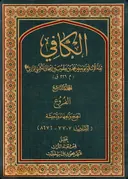
al-Kāfī, compiled by Shaykh al-Kulaynī, is a monumental work belonging to a number of books belonging to the Shīʿī Ḥadīth literature. It comprises of eight volumes and took twenty years to compile, making it an extensive collection of wisdom and guidance for adherents of the faith. The eight volumes are divided into three main parts: al-Uṣūl (Roots), al-Furūʿ (Branches), and al-Rawḍa (the Garden).
Part 1 (Volumes 1 & 2): al-Uṣūl (Roots)
This portion delves into the principles of beliefs, containing eight books that discuss topics such as the intellect and ignorance, the virtues of knowledge, Divine Unity, Divine Authority, Belief and Disbelief, Suppications, the Virtues of the Holy Qurʾān, in addition to Ethics and Morals.
Part 2 (Volumes 3 to 7): al-Furūʿ (Branches)
This portion comprises of Ḥadīths related to Islamic jurisprudence, including acts of worship, business transactions, and judicial laws. It covers a vast array of topics in 26 books, ranging from the laws of cleanliness and menstruation to those of wills, inheritance, and legal penalties.
Part 3 (Volume 8): al-Rawḍa (the Garden)
al-Rawḍa encompasses a collection of miscellaneous Ḥadīths, which cover topics that had already been glazed over in prior two portions of the book. Many a time, long Ḥadīths will be included from written letters, wills of the Imams and historical narrations that didn’t necessarily fit in chapter headings that were made in the first seven volumes. The Ḥadīths are not organised in a specific way, but its diversity adds depth to the understanding of the faith.
A könyvek leírása és a hadíthok fordítása angol nyelvű (forrás: Thaqalayn.net). Az arab eredeti minden hadíth mellett szerepel.
The Book of Wills
The Will and What it Must Consist of
1- حَدَّثَنَا عَلِيُّ بْنُ إِبْرَاهِيمَ عَنْ عَلِيِّ بْنِ إِسْحَاقَ عَنِ الْحَسَنِ بْنِ حَازِمٍ الْكَلْبِيِّ ابْنِ أُخْتِ هِشَامِ بْنِ سَالِمٍ عَنْ سُلَيْمَانَ بْنِ جَعْفَرٍ عَنْ أَبِي عَبْدِ اللهِ (عَلَيْهِ السَّلام) قَالَ قَالَ رَسُولُ اللهِ (صَلَّى اللهُ عَلَيْهِ وَآلِه) مَنْ لَمْ يُحْسِنْ وَصِيَّتَهُ عِنْدَ الْمَوْتِ كَانَ نَقْصاً فِي مُرُوءَتِهِ وَعَقْلِهِ قِيلَ يَا رَسُولَ اللهِ وَكَيْفَ يُوصِي الْمَيِّتُ قَالَ إِذَا حَضَرَتْهُ وَفَاتُهُ وَاجْتَمَعَ النَّاسُ إِلَيْهِ قَالَ اللهُمَّ فَاطِرَ السَّمَاوَاتِ وَالأرْضِ عَالِمَ الْغَيْبِ وَالشَّهَادَةِ الرَّحْمَنَ الرَّحِيمَ اللهُمَّ إِنِّي أَعْهَدُ إِلَيْكَ فِي دَارِ الدُّنْيَا أَنِّي أَشْهَدُ أَنْ لا إِلَهَ إِلا أَنْتَ وَحْدَكَ لا شَرِيكَ لَكَ وَأَنَّ مُحَمَّداً عَبْدُكَ وَرَسُولُكَ وَأَنَّ الْجَنَّةَ حَقٌّ وَأَنَّ النَّارَ حَقٌّ وَأَنَّ الْبَعْثَ حَقٌّ وَأَنَّ الْحِسَابَ حَقٌّ وَالْقَدَرَ وَالْمِيزَانَ حَقٌّ وَأَنَّ الدِّينَ كَمَا وَصَفْتَ وَأَنَّ الإسْلامَ كَمَا شَرَعْتَ وَأَنَّ الْقَوْلَ كَمَا حَدَّثْتَ وَأَنَّ الْقُرْآنَ كَمَا أَنْزَلْتَ وَأَنَّكَ أَنْتَ اللهُ الْحَقُّ الْمُبِينُ جَزَى اللهُ مُحَمَّداً (صَلَّى اللهُ عَلَيْهِ وَآلِه) خَيْرَ الْجَزَاءِ وَحَيَّا اللهُ مُحَمَّداً وَآلَ مُحَمَّدٍ بِالسَّلامِ اللهُمَّ يَا عُدَّتِي عِنْدَ كُرْبَتِي وَيَا صَاحِبِي عِنْدَ شِدَّتِي وَيَا وَلِيَّ نِعْمَتِي إِلَهِي وَإِلَهَ آبَائِي لا تَكِلْنِي إِلَى نَفْسِي طَرْفَةَ عَيْنٍ أَبَداً فَإِنَّكَ إِنْ تَكِلْنِي إِلَى نَفْسِي طَرْفَةَ عَيْنٍ أَقْرُبْ مِنَ الشَّرِّ وَأَبْعُدْ مِنَ الْخَيْرِ فَآنِسْ فِي الْقَبْرِ وَحْشَتِي وَاجْعَلْ لِي عَهْداً يَوْمَ أَلْقَاكَ مَنْشُوراً ثُمَّ يُوصِي بِحَاجَتِهِ وَتَصْدِيقُ هَذِهِ الْوَصِيَّةِ فِي الْقُرْآنِ فِي السُّورَةِ الَّتِي يَذْكُرُ فِيهَا مَرْيَمَ فِي قَوْلِهِ عَزَّ وَجَلَّ لا يَمْلِكُونَ الشَّفاعَةَ إِلا مَنِ اتَّخَذَ عِنْدَ الرَّحْمنِ عَهْداً فَهَذَا عَهْدُ الْمَيِّتِ وَ الْوَصِيَّةُ حَقٌّ عَلَى كُلِّ مُسْلِمٍ أَنْ يَحْفَظَ هَذِهِ الْوَصِيَّةَ وَيُعَلِّمَهَا وَقَالَ أَمِيرُ الْمُؤْمِنِينَ (عَلَيْهِ السَّلام) عَلَّمَنِيهَا رَسُولُ اللهِ (صَلَّى اللهُ عَلَيْهِ وَآلِه) وَقَالَ رَسُولُ اللهِ (صَلَّى اللهُ عَلَيْهِ وَآلِه) عَلَّمَنِيهَا جَبْرَئِيلُ (عَلَيْهِ السَّلام).
1. Narrated to us Ali ibn Ibrahim from Ali ibn Ishaq from al-Hassan ibn Hazim al-Kalbiy son of the sister of Hisham ibn Salim from Sulayman ibn Ja‘far who has narrated the following: “Abu ‘Abd Allah (a.s.), has said that the Messenger of Allah has said, ‘A person who does not make a proper will at the time of his death suffers from lack of kindness and proper understanding.’ It was then asked, ‘O messenger of Allah, what kind of will should a dying person make?’ The Messenger of Allah replied, ‘When one is about to die and people gather around him he should say: “O Allah, the Inventor of the heavens and earth, who has the knowledge of the unseen and the present matters, the Beneficent, the Merciful. O Allah, I entrust You, in this world, with my testimony, ‘I testify that no one beside You (O Allah), who is One and has no partners, deserve to be worshipped. I also testify that Muhammad is your servant and Messenger. I testify that Paradise is true, Hellfire is true, Resurrection is true, that Accountability of everyone, on the Day of Judgment, is true, and Measurement and Balance are true. I testify that Religion is as You have described, that Islam is as You have established and the Word is as You have spoken, that the Quran is as You have sent down and that You are Allah, the manifest truth. I pray to Allah to compensate Muhammad (a.s.), with the best of compensations and welcome Muhammad and his family with the (promised) peace. O Allah, You are my means and resource at the time of my living in distress, and You are my companion at the time of my suffering hardships. You are the Benefactor of bounties I have enjoyed. You are my Lord and the Lord of my ancestors. Do not ever leave me to myself; not even for a blinking of an eye, for if You leave me to myself for a blinking of an eye, I become closer to wickedness and move away from goodness. Comfort me in the grave against my fear and make this an open covenant in my favor on the day when I will come into Your presence.’” Thereafter he should make his will about the matters that he may need. Such a will is based on the words of Allah, most Majestic, most Glorious, in the Chapter of the Holy Quran where Mary is mentioned. “No one will possess any intercession (Shafa‘ah) except those who have entrusted the Beneficent to bear witness to their testimony.’” “It is a right upon every Muslim to memorize this will and testimony and teach it. Amir al-Mu’minin (a.s.), has said, ‘The Messenger of Allah taught me this will.’ The Messenger of Allah has said, ‘ Jibril taught me this will.’”
2- الْحُسَيْنُ بْنُ مُحَمَّدٍ عَنْ مُعَلَّى بْنِ مُحَمَّدٍ عَنِ الْحَسَنِ بْنِ عَلِيٍّ عَنْ حَمَّادِ بْنِ عُثْمَانَ عَنِ الْوَلِيدِ بْنِ صَبِيحٍ قَالَ صَحِبَنِي مَوْلًى لأبِي عَبْدِ اللهِ (عَلَيْهِ السَّلام) يُقَالُ لَهُ أَعْيَنُ فَاشْتَكَى أَيَّاماً ثُمَّ بَرَأَ ثُمَّ مَاتَ فَأَخَذْتُ مَتَاعَهُ وَمَا كَانَ لَهُ فَأَتَيْتُ بِهِ أَبَا عَبْدِ اللهِ (عَلَيْهِ السَّلام) وَأَخْبَرْتُهُ أَنَّهُ اشْتَكَى أَيَّاماً ثُمَّ بَرَأَ ثُمَّ مَاتَ قَالَ تِلْكَ رَاحَةُ الْمَوْتِ أَمَا إِنَّهُ لَيْسَ مِنْ أَحَدٍ يَمُوتُ حَتَّى يَرُدَّ اللهُ عَزَّ وَجَلَّ مِنْ سَمْعِهِ وَبَصَرِهِ وَعَقْلِهِ لِلْوَصِيَّةِ أَخَذَ أَوْ تَرَكَ.
2. Al-Husayn ibn Muhammad has narrated from Mu‘afla’ ibn Muhammad from al-Hassan ibn Ali from af-Wafid ibn Sabih who has narrated the following: “Once a Mawla’ of abu ‘Abd Allah (a.s.), accompanied me (on a journey) and complained of illness for several days. Then it seemed as if he had no illness but very shortly, he died. I took his luggage to abu ‘Abd Allah (a.s.), and informed him (the Imam) that he complained for several days, then he seemed as if he had no illness at all, but shortly thereafter he died. He (the Imam) said, ‘That was the comfort of death. No one dies before, Allah, most Majestic, most Glorious, returns his ears, eyes and reason for making a will, regardless of whether he makes use of that opportunity or not.’”
3- عَلِيُّ بْنُ إِبْرَاهِيمَ عَنْ أَبِيهِ عَنِ ابْنِ أَبِي عُمَيْرٍ عَنْ حَمَّادِ بْنِ عُثْمَانَ عَنْ أَبِي عَبْدِ اللهِ (عَلَيْهِ السَّلام) قَالَ قَالَ لَهُ رَجُلٌ إِنِّي خَرَجْتُ إِلَى مَكَّةَ فَصَحِبَنِي رَجُلٌ وَكَانَ زَمِيلِي فَلَمَّا أَنْ كَانَ فِي بَعْضِ الطَّرِيقِ مَرِضَ وَثَقُلَ ثِقْلا شَدِيداً فَكُنْتُ أَقُومُ عَلَيْهِ ثُمَّ أَفَاقَ حَتَّى لَمْ يَكُنْ عِنْدِي بِهِ بَأْسٌ فَلَمَّا أَنْ كَانَ الْيَوْمُ الَّذِي مَاتَ فِيهِ أَفَاقَ فَمَاتَ فِي ذَلِكَ الْيَوْمِ فَقَالَ أَبُو عَبْدِ اللهِ (عَلَيْهِ السَّلام) مَا مِنْ مَيِّتٍ تَحْضُرُهُ الْوَفَاةُ إِلا رَدَّ اللهُ عَزَّ وَجَلَّ عَلَيْهِ مِنْ سَمْعِهِ وَبَصَرِهِ وَعَقْلِهِ لِلْوَصِيَّةِ أَخَذَ الْوَصِيَّةَ أَوْ تَرَكَ وَهِيَ الرَّاحَةُ الَّتِي يُقَالُ لَهَا رَاحَةُ الْمَوْتِ فَهِيَ حَقٌّ عَلَى كُلِّ مُسْلِمٍ.
3. Ali ibn Ibrahim has narrated from his father from Ibn Abi ‘Umayr from Hammad ibn ‘Uthaman who has narrated the following: “Once, a man said to abu ‘Abd Allah (a.s.), ‘I once travelled to Makkah and my travel mate, who was a friend, on the way became ill very seriously and I looked after him. He began to feel very well and I thought he is fine. On the day that he died, he became extremely well but on the same day, he died.’ Abu ‘Abd Allah (a.s.), said, ‘To anyone who is about to die, Allah, most Majestic, most Glorious, returns his hearing, seeing and reasoning abilities so that he can make a will, regardless of whether he makes a will or not. It is the comfort that is called the comfort of death and that is the right of every Muslim.’”
4- مُحَمَّدُ بْنُ يَحْيَى عَنْ أَحْمَدَ بْنِ مُحَمَّدٍ عَنْ مُحَمَّدِ بْنِ إِسْمَاعِيلَ عَنْ مُحَمَّدِ بْنِ الْفُضَيْلِ عَنْ أَبِي الصَّبَّاحِ الْكِنَانِيِّ عَنْ أَبِي عَبْدِ اللهِ (عَلَيْهِ السَّلام) قَالَ سَأَلْتُهُ عَنِ الْوَصِيَّةِ فَقَالَ هِيَ حَقٌّ عَلَى كُلِّ مُسْلِمٍ.
4. Muhammad ibn Yahya has narrated from Ahmad ibn Muhammad from Muhammad ibn ’Isma‘il from Muhammad ibn af-Fudayf from abu af-Sabbah af-Kinaniy who has narrated the following: “I once asked abu ‘Abd Allah (a.s.), about the will. He (the Imam) said, ‘It is a right on every Muslim.’”
5- مُحَمَّدُ بْنُ يَحْيَى عَنْ أَحْمَدَ بْنِ مُحَمَّدٍ عَنِ ابْنِ مَحْبُوبٍ عَنِ الْعَلاءِ بْنِ رَزِينٍ عَنْ مُحَمَّدِ بْنِ مُسْلِمٍ قَالَ قَالَ أَبُو جَعْفَرٍ (عَلَيْهِ السَّلام) الْوَصِيَّةُ حَقٌّ وَقَدْ أَوْصَى رَسُولُ اللهِ (صَلَّى اللهُ عَلَيْهِ وَآلِه) فَيَنْبَغِي لِلْمُسْلِمِ أَنْ يُوصِيَ.
5. Muhammad ibn Yahya has narrated from Ahmad ibn Muhammad, from ibn Mahbub from al-‘Ala’ ibn Razin from Muhammad ibn Muslim who has narrated the following: “Abu Ja‘far (a.s.), has said, ‘Making a will is a right that requires compliance. The Messenger of Allah (a.s.), made a will, thus it is proper for a Muslim to make a will.’”
The Book of Wills
The Witness for the Will
1- مُحَمَّدُ بْنُ يَحْيَى عَنْ أَحْمَدَ بْنِ مُحَمَّدٍ عَنْ مُحَمَّدِ بْنِ إِسْمَاعِيلَ عَنْ مُحَمَّدِ بْنِ الْفُضَيْلِ عَنْ أَبِي الصَّبَّاحِ الْكِنَانِيِّ قَالَ سَأَلْتُ أَبَا عَبْدِ اللهِ (عَلَيْهِ السَّلام) عَنْ قَوْلِ اللهِ تَبَارَكَ وَتَعَالَى يا أَيُّهَا الَّذِينَ آمَنُوا شَهادَةُ بَيْنِكُمْ إِذا حَضَرَ أَحَدَكُمُ الْمَوْتُ حِينَ الْوَصِيَّةِ اثْنانِ ذَوا عَدْلٍ مِنْكُمْ أَوْ آخَرانِ مِنْ غَيْرِكُمْ قُلْتُ مَا آخَرَانِ مِنْ غَيْرِكُمْ قَالَ هُمَا كَافِرَانِ قُلْتُ ذَوَا عَدْلٍ مِنْكُمْ فَقَالَ مُسْلِمَانِ.
1. Muhammad ibn Yahya has narrated from Ahmad ibn Muhammad from Muhammad ibn ’Isma‘il from al-Fudayl from abu al-Sabbah al-Kinaniy who has narrated the following: “I once asked abu ‘Abd Allah (a.s.), about the meaning of the words of Allah, most Blessed, most High, ‘O believing people there must be two just (Muslim) witnesses when anyone of you is about to die or from other people.’ (5:106) I asked, ‘What is the meaning of ‘(there must be) two from other people?’ He (the Imam) said, ‘It means two non-Muslims.’ I then asked about ‘two just ones from among yourselves’, he (the Imam) said, ‘it means two Muslims.’”
2- عَلِيُّ بْنُ إِبْرَاهِيمَ عَنْ أَبِيهِ عَنِ ابْنِ أَبِي عُمَيْرٍ عَنْ حَمَّادٍ عَنِ الْحَلَبِيِّ وَمُحَمَّدِ بْنِ مُسْلِمٍ عَنْ أَبِي عَبْدِ اللهِ (عَلَيْهِ السَّلام) قَالَ سَأَلْتُهُ هَلْ تَجُوزُ شَهَادَةُ أَهْلِ مِلَّةٍ مِنْ غَيْرِ أَهْلِ مِلَّتِهِمْ قَالَ نَعَمْ إِذَا لَمْ يُوجَدْ مِنْ أَهْلِ مِلَّتِهِمْ جَازَتْ شَهَادَةُ غَيْرِهِمْ إِنَّهُ لا يَصْلُحُ ذَهَابُ حَقِّ أَحَدٍ.
2. Ali ibn Ibrahim has narrated from his father from Ibn Abi ‘Umayr from Hammad from al-Halabiy from Muhammad ibn Muslim who has narrated the following: “I once asked abu ‘Abd Allah (a.s.), if it is permissible for a person of the religion to appoint a witness who is not of the people of his religion. He (the Imam) said, ‘Yes, it is permissible when witness from the people of his own religion is no available; destroying anyone’s right is not suitable.’”
3- مُحَمَّدُ بْنُ إِسْمَاعِيلَ عَنِ الْفَضْلِ بْنِ شَاذَانَ وَعَلِيُّ بْنُ إِبْرَاهِيمَ عَنْ أَبِيهِ جَمِيعاً عَنِ ابْنِ أَبِي عُمَيْرٍ عَنْ هِشَامِ بْنِ الْحَكَمِ عَنْ أَبِي عَبْدِ اللهِ (عَلَيْهِ السَّلام) فِي قَوْلِ اللهِ تَبَارَكَ وَتَعَالَى أَوْ آخَرانِ مِنْ غَيْرِكُمْ قَالَ إِذَا كَانَ الرَّجُلُ فِي بَلَدٍ لَيْسَ فِيهِ مُسْلِمٌ جَازَتْ شَهَادَةُ مَنْ لَيْسَ بِمُسْلِمٍ عَلَى الْوَصِيَّةِ.
3. Muhammad ibn ’Isma‘il has narrated from al-Fadl ibn Shadhan and Ali ibn Ibrahim has narrated from his father from all from Ibn Abi ‘Umayr from Fiisham ibn al-Hakam who has narrated the following: “About the meaning of the words of Allah, most Majestic, most Glorious, ‘. . . and two people from others who are not of your people’ abu ‘Abd Allah (a.s.), has said, ‘This applies when he is in a place where Muslims are not available, then asking a non-Muslim to bear witness to a will is permissible.’”
4- مُحَمَّدُ بْنُ إِسْمَاعِيلَ عَنِ الْفَضْلِ بْنِ شَاذَانَ عَنِ ابْنِ أَبِي عُمَيْرٍ عَنْ رِبْعِيٍّ عَنْ أَبِي عَبْدِ اللهِ (عَلَيْهِ السَّلام) فِي شَهَادَةِ امْرَأَةٍ حَضَرَتْ رَجُلا يُوصِي لَيْسَ مَعَهَا رَجُلٌ فَقَالَ يُجَازُ رُبُعُ مَا أَوْصَى بِحِسَابِ شَهَادَتِهَا.
4. Muhammad ibn ’Isma‘il has narrated from al-Fadl ibn Shadhan, from Ibn Abi ‘Umayr from Rib‘iy who has narrated the following: “I once asked abu ‘Abd Allah (a.s.), if a woman’s bearing witness to the will of a man when no man is available is accepted. He (the Imam) said, ‘It is effective for one-fourth of what is willed according to her testimony.’”
5- مُحَمَّدُ بْنُ يَحْيَى عَنْ عَبْدِ اللهِ بْنِ مُحَمَّدٍ عَنْ عَلِيِّ بْنِ الْحَكَمِ عَنْ أَبَانٍ عَنْ أَبِي عَبْدِ اللهِ (عَلَيْهِ السَّلام) أَنَّهُ قَالَ فِي وَصِيَّةٍ لَمْ يَشْهَدْهَا إِلا امْرَأَةٌ فَأَجَازَ شَهَادَةَ الْمَرْأَةِ فِي الرُّبُعِ مِنَ الْوَصِيَّةِ بِحِسَابِ شَهَادَتِهَا.
5. Muhammad ibn Yahya has narrated from ‘Abd Allah ibn Muhammad from Ali ibn al-Hakam from Aban who has narrated the following: “In the case of a will for which there is no witness except a woman, abu ‘Abd Allah (a.s.), accepted it (such witness) for one-fourth of the will according to her testimony.’”