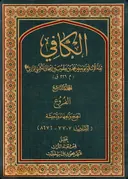
The Book of Wills
The Will of Immature Boys and Girls, the Lawful and Unlawful Matters in it
2- أَحْمَدُ بْنُ مُحَمَّدٍ عَنْ عَلِيِّ بْنِ الْحَكَمِ عَنْ عَلِيِّ بْنِ النُّعْمَانِ عَنْ أَبِي أَيُّوبَ عَنْ مُحَمَّدِ بْنِ مُسْلِمٍ قَالَ سَمِعْتُ أَبَا عَبْدِ اللهِ (عَلَيْهِ السَّلام) يَقُولُ إِنَّ الْغُلامَ إِذَا حَضَرَهُ الْمَوْتُ فَأَوْصَى وَلَمْ يُدْرِكْ جَازَتْ وَصِيَّتُهُ لِذَوِي الأرْحَامِ وَلَمْ تَجُزْ لِلْغُرَبَاءِ.
2. Ahmad ibn Muhammad has narrated from Ali ibn al-Hakam from Ali ibn al-Nu’man from abu Ayyub from Muhammad ibn Muslim who has narrated the following: “I once heard abu ‘Abd Allah (a.s.), saying, ‘When a boy is about to die his will is permissible in favor of the relatives but not in favor of the strangers.’”
3- الْحُسَيْنُ بْنُ مُحَمَّدٍ عَنْ مُعَلَّى بْنِ مُحَمَّدٍ عَنْ بَعْضِ أَصْحَابِهِ عَنْ أَبَانِ بْنِ عُثْمَانَ عَنْ عَبْدِ الرَّحْمَنِ بْنِ أَبِي عَبْدِ اللهِ قَالَ قَالَ أَبُو عَبْدِ اللهِ (عَلَيْهِ السَّلام) إِذَا بَلَغَ الْغُلامُ عَشْرَ سِنِينَ جَازَتْ وَصِيَّتُهُ.
3. Al-Husayn ibn Muhammad has narrated from Mu‘alla’ ibn Muhammad from certain persons of his people from Aban ibn ‘Uthman from ‘Abd al-Rahman ibn abu ‘Abd Allah who has narrated the following: “Abu ‘Abd Allah (a.s.), has said, ‘When a boy becomes ten years old his will is permissible.’”
4- حُمَيْدُ بْنُ زِيَادٍ عَنِ الْحَسَنِ بْنِ مُحَمَّدِ بْنِ سَمَاعَةَ عَنْ عَبْدِ اللهِ بْنِ جَبَلَةَ عَنْ أَبِي الْمَغْرَاءِ عَنْ أَبِي بَصِيرٍ عَنْ أَبِي عَبْدِ اللهِ (عَلَيْهِ السَّلام) قَالَ إِذَا بَلَغَ الْغُلامُ عَشْرَ سِنِينَ فَأَوْصَى بِثُلُثِ مَالِهِ فِي حَقٍّ جَازَتْ وَصِيَّتُهُ فَإِذَا كَانَ ابْنَ سَبْعِ سِنِينَ فَأَوْصَى مِنْ مَالِهِ بِالْيَسِيرِ فِي حَقٍّ جَازَتْ وَصِيَّتُهُ.
4. Humayd ibn Ziyad has narrated from al-Hassan ibn Muhammad ibn Sama‘ah from ‘Abd Allah ibn Jabalah from abu al-Mighra’ from abu Basir who has narrated the following: “Abu ‘Abd Allah (a.s.), has said, ‘When a boy becomes ten years old and makes a will about one-third of his assets for a right cause, his will is permissible; but when he is seven years old his will about only a small amount of assets is permissible.’”
The Book of Wills
Will in Favor of Mothers of Children
1- عِدَّةٌ مِنْ أَصْحَابِنَا عَنْ أَحْمَدَ بْنِ مُحَمَّدِ بْنِ عِيسَى عَنْ أَحْمَدَ بْنِ مُحَمَّدِ بْنِ أَبِي نَصْرٍ قَالَ نَسَخْتُ مِنْ كِتَابٍ بِخَطِّ أَبِي الْحَسَنِ (عَلَيْهِ السَّلام) فُلانٌ مَوْلاكَ تُوُفِّيَ ابْنُ أَخٍ لَهُ وَتَرَكَ أُمَّ وَلَدٍ لَهُ لَيْسَ لَهَا وَلَدٌ فَأَوْصَى لَهَا بِأَلْفٍ هَلْ تَجُوزُ الْوَصِيَّةُ وَهَلْ يَقَعُ عَلَيْهَا عِتْقٌ وَمَا حَالُهَا رَأْيُكَ فَدَتْكَ نَفْسِي فَكَتَبَ (عَلَيْهِ السَّلام) تُعْتَقُ فِي الثُّلُثِ وَلَهَا الْوَصِيَّةُ.
1. A number of our people have narrated from Ahmad ibn Muhammad ibn ‘Isa from Ahmad ibn Muhammad from ibn abu Nasr who has narrated the following: “I once copied the following from a book with the handwriting of abu al-Hassan (a.s.). It said, ’So and so, your Maxvla’ (friend), has died leaving behind a son of his brother, a mother of his child who does not have a child but he has assigned in his will one thousand for her; if such will is lawful and if freedom applies to her and her condition. It is a request for your opinion, I pray to Allah to keep my soul in service for your cause.’ He (the Imam) (a.s.), had written on it, ’She is free in one-third and the will belongs to her.”’
2- أَحْمَدُ بْنُ مُحَمَّدٍ عَنِ ابْنِ أَبِي عُمَيْرٍ عَنْ حُسَيْنِ بْنِ خَالِدٍ الصَّيْرَفِيِّ عَنْ أَبِي الْحَسَنِ الْمَاضِي (عَلَيْهِ السَّلام) قَالَ كَتَبْتُ إِلَيْهِ فِي رَجُلٍ مَاتَ وَلَهُ أُمُّ وَلَدٍ وَقَدْ جَعَلَ لَهَا شَيْئاً فِي حَيَاتِهِ ثُمَّ مَاتَ قَالَ فَكَتَبَ لَهَا مَا أَثَابَهَا بِهِ سَيِّدُهَا فِي حَيَاتِهِ مَعْرُوفٌ ذَلِكَ لَهَا تُقْبَلُ عَلَى ذَلِكَ شَهَادَةُ الرَّجُلِ وَالْمَرْأَةِ وَالْخَادِمِ غَيْرِ الْمُتَّهَمِينَ.
2. Ahmad ibn Muhammad has narrated from Ibn Abi ‘Umayr from Husayn ibn Khalid who has narrated the following: “I once wrote to abu al-Hassan, before this abu al-Hassan (a.s.), about the case of a man who died and left behind a mother of child for whom he willed something in his lifetime, then died. He (the Imam) wrote, ‘She can have what her master had given her in his lifetime in an acceptable manner. The testimony of both man and woman is acceptable in it as well as the testimony of a servant who is not accused of wrong doing.’”
3- مُحَمَّدُ بْنُ يَحْيَى عَمَّنْ ذَكَرَهُ عَنْ أَبِي الْحَسَنِ الرِّضَا (عَلَيْهِ السَّلام) فِي أُمِّ الْوَلَدِ إِذَا مَاتَ عَنْهَا مَوْلاهَا وَقَدْ أَوْصَى لَهَا قَالَ تُعْتَقُ فِي الثُّلُثِ وَلَهَا الْوَصِيَّةُ.
3. Muhammad ibn Yahya has narrated from those whom he has mentioned who have narrated the following: “About the case of the mother of a child, when her master dies who has made a will for her, abu al- Hassan, al-Rida’ (a.s.), has said, ‘She becomes free in one-third and the will belongs to her.’”
4- مُحَمَّدُ بْنُ يَحْيَى عَنْ أَحْمَدَ بْنِ مُحَمَّدٍ وَعَلِيُّ بْنُ إِبْرَاهِيمَ عَنْ أَبِيهِ جَمِيعاً عَنِ ابْنِ مَحْبُوبٍ عَنْ جَمِيلِ بْنِ صَالِحٍ عَنْ أَبِي عُبَيْدَةَ قَالَ سَأَلْتُ أَبَا عَبْدِ اللهِ (عَلَيْهِ السَّلام) عَنْ رَجُلٍ كَانَتْ لَهُ أُمُّ وَلَدٍ وَلَهُ مِنْهَا غُلامٌ فَلَمَّا حَضَرَتْهُ الْوَفَاةُ أَوْصَى لَهَا بِأَلْفَيْ دِرْهَمٍ أَوْ بِأَكْثَرَ لِلْوَرَثَةِ أَنْ يَسْتَرِقُّوهَا قَالَ فَقَالَ لا بَلْ تُعْتَقُ مِنْ ثُلُثِ الْمَيِّتِ وَتُعْطَى مَا أَوْصَى لَهَا بِهِ. وَفِي كِتَابِ الْعَبَّاسِ تُعْتَقُ مِنْ نَصِيبِ ابْنِهَا وَتُعْطَى مِنْ ثُلُثِهِ مَا أَوْصَى لَهَا بِهِ.
4. Muhammad ibn Yahya has narrated from Ahmad ibn Muhammad and Ali ibn Ibrahim has narrated from his father from all from ibn Mahbub from Jamil ibn Salih from abu ‘ Ubaydah who has narrated the following: “I once asked abu ’Abd Allah (a.s.), about the case of a man who had a mother of a child from whom he had a boy; and at the time of his death, willed for her two thousand or more; if the heirs can keep her as a slave-girl. He (the Imam) said, ‘No, they cannot keep her as a slave. She becomes free in one-third of the legacy of the deceased and receives what is willed for her.’ “In the book of al- ‘Abbas it is said that she is freed from the share of her son and what is willed for her is given from the one-third of his legacy.”
The Book of Wills
The Matters Permissible in Endowment, Charity, Gift, Present, Providing Conditional Housing and Matters Permissible or otherwise for a Child and others
1- عَلِيُّ بْنُ إِبْرَاهِيمَ عَنْ أَبِيهِ عَنِ ابْنِ أَبِي عُمَيْرٍ عَنْ حَمَّادِ بْنِ عُثْمَانَ عَنْ أَبِي عَبْدِ اللهِ (عَلَيْهِ السَّلام) قَالَ لا صَدَقَةَ وَلا عِتْقَ إِلا مَا أُرِيدَ بِهِ وَجْهُ اللهِ عَزَّ وَجَلَّ.
1. Ali ibn Ibrahim has narrated from his father from Ibn Abi ‘Umayr from Hammad ibn ‘Uthaman who has narrated the following: “Abu ‘ Abd Allah (a.s.), has said, ’Giving charity or setting free a slave is not valid unless it is for the sake of Allah, most Majestic, most Glorious.”’
2- وَعَنْهُ عَنْ أَبِيهِ عَنِ ابْنِ أَبِي عُمَيْرٍ عَنْ هِشَامٍ وَحَمَّادٍ وَابْنِ أُذَيْنَةَ وَابْنِ بُكَيْرٍ وَغَيْرِهِمْ كُلِّهِمْ قَالُوا قَالَ أَبُو عَبْدِ اللهِ (عَلَيْهِ السَّلام) لا صَدَقَةَ وَلا عِتْقَ إِلا مَا أُرِيدَ بِهِ وَجْهُ اللهِ عَزَّ وَجَلَّ.
2. It is narrated from the narrator of the previous Hadith from his father from Ibn Abi ‘Umayr from Hisham and Hammad and ibn ’Udhaynah and ibn Bukayr and others all of whom have said the following: “Abu ‘Abd Allah (a.s.), has said, ’Giving charity or setting free a slave is not valid unless it is for the sake of Allah, most Majestic, most Glorious.’”
3- عِدَّةٌ مِنْ أَصْحَابِنَا عَنْ سَهْلِ بْنِ زِيَادٍ وَأَحْمَدَ بْنِ مُحَمَّدٍ عَنِ الْحَسَنِ بْنِ مَحْبُوبٍ عَنْ عَلِيِّ بْنِ رِئَابٍ عَنْ زُرَارَةَ عَنْ أَبِي عَبْدِ اللهِ (عَلَيْهِ السَّلام) قَالَ إِنَّمَا الصَّدَقَةُ مُحْدَثَةٌ إِنَّمَا كَانَ النَّاسُ عَلَى عَهْدِ رَسُولِ اللهِ (صَلَّى اللهُ عَلَيْهِ وَآلِه) يَنْحَلُونَ وَيَهَبُونَ وَلا يَنْبَغِي لِمَنْ أَعْطَى للهِ عَزَّ وَجَلَّ شَيْئاً أَنْ يَرْجِعَ فِيهِ قَالَ وَمَا لَمْ يُعْطَ للهِ وَفِي اللهِ فَإِنَّهُ يُرْجَعُ فِيهِ نِحْلَةً كَانَتْ أَوْ هِبَةً حِيزَتْ أَوْ لَمْ تُحَزْ وَلا يَرْجِعُ الرَّجُلُ فِيمَا يَهَبُ لامْرَأَتِهِ وَلا الْمَرْأَةُ فِيمَا تَهَبُ لِزَوْجِهَا حِيزَ أَوْ لَمْ يُحَزْ أَلَيْسَ اللهُ تَبَارَكَ وَتَعَالَى يَقُولُ وَلا تَأْخُذُوا مِمَّا آتَيْتُمُوهُنَّ شَيْئاً وَقَالَ فَإِنْ طِبْنَ لَكُمْ عَنْ شَيْءٍ مِنْهُ نَفْساً فَكُلُوهُ هَنِيئاً مَرِيئاً وَهَذَا يَدْخُلُ فِي الصَّدَاقِ وَالْهِبَةِ.
3. A number of our people have narrated from Sahl ibn Ziyad and Ahmad ibn Muhammad from al-Hassan ibn Mahbub from Ali ibn Ri’ab from Zurarah who has narrated the following: “Abu ’Abd Allah (a.s.), has said, ‘Charity has emerged newly. In the time of the Messenger of Allah, O Allah, grant compensation to Muhammad and his family worthy of their services to Your cause, people would give gifts and presents. It is not proper for one who has given something to Allah, most Majestic, most Glorious, to take it back.’ He (the Imam) has said, ‘A gift or present, which is not given for the sake of Allah can be taken back, regardless of whether the recipient has taken possession or not. If a man gives a gift to his wife, he must not take it back; also if a wife gives something to her husband, regardless of whether he has taken possession or not. Allah, most Blessed, most High, has said, “Do not take anything that you have given to them (your wives).” (2:229) Allah has said, “If they give you out of their pleasure then you can use it in good health.” (4:4) This applies to mahr (dower) and gifts.’”