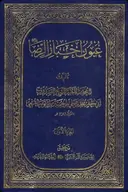
ʿUyūn Akhbār al-Riḍā, also known as ʿUyūn al-Akhbār is a comprehensive Ḥadīth collection focusing on Imam al-Riḍā (as), which is compiled by the renowned Shīʿī scholar, al-Shaykh al-Ṣadūq. The work contains a plethora of Ḥadīths that are either the direct sayings of Imam al-Riḍā (as) or the wisdom he imparted from his forefathers. As one of the references within Shīʿī scholarship, this collection covers an array of subjects, including history, jurisprudence, ethics, and theology. al-Shaykh al-Ṣadūq may have written ʿUyūn Akhbār al-Riḍā after the death of Rukn al-Dawla al-Buwayhī in 366 AH. The writing of this work was inspired by a unique exchange. Sāḥib b. ʿAbbād al-Daylamī, a prominent Shīʿī minister and ruler of the time, penned a poem extolling ʿAlī b. Mūsā al-Riḍā (as) and dedicated it to al-Shaykh al-Ṣadūq. In response, the work was compiled as a reciprocal gift. al-Shaykh al-Ṣadūq stated in his introduction, "I found no other better gift than this book which is about the infinite knowledge of Imam al-Riḍā (as) to send in return to the two odes of Ibn ʿAbbād.”
This text provides readers with a deep understanding of the life and teachings of Imam al-Riḍā, illuminating the comprehensive scope of his wisdom and his contributions to Islamic thought and practice.
A könyvek leírása és a hadíthok fordítása angol nyelvű (forrás: Thaqalayn.net). Az arab eredeti minden hadíth mellett szerepel.
Content
Traditions about Ar-Ridha (a.s.)
1 - حَدَّثَنا أَبي وَمُحَمَّدُ بْنُ الحَسَنِ بْنِ أَحْمَدَ بْنِالوَلِيدِ - رَضِىَ اللهُ عَنْهُما ما قالا: حَدَّثَنا سَعْدُ بْنُ عَبْدِ اللَّه وَعَبْدُاللَّهِ بْنُ جَعْفَرٍ الحِمْيَريُّ قالا: حَدَّثَنا إِبْراهيمُ بْنُ هاشِمٍ، عَنِ الحَسَنِ ابْنِ الجَهْمِ، قالَ: سَمِعْتُ أَبَا الحَسَنِ عَلِىِّ بْنِ مُوسَى الرِّضاعَلَيْهِمَا السَّلاَمُ يَقُولُ: صَدِيقُ كُلِّ امْرِ عَقْلُهُ وَعَدُوُّهُ جَهْلُهُ.
31-1 My father and Muhammad ibn Ahmad ibn al-Waleed - may God be pleased with them - quoted on the authority of Sa’ad ibn Abdullah and Ja’far al-Hemyari, on the authority of Ibrahim ibn Hashem, on the authority of Al-Hassan ibn Al-Jahm that he had heard Abal Hassan Ali ibn Musa (Imam) Ar-Ridha’ (a.s.) say, “Everyone’s friend is his intellect and everyone’s enemy is his ignorance.”
2 - حَدَّثَنا عَلِىُّ أَحْمَدِ بْنِ مُحَمَّدِ بْنِ عِمْرانَالدَّقَّاقُ ؛ وَمُحَمَّدِ بْنُ أَحْمَدَ السِّنانِيُّ؛ وَالحُسَيْنُ بْنُ إِبْراهيمِ بْنِ أَحْمَدَ المُكَتِّبُ - رَحِمَهُمِاللَّهُ - قالُوا: حَدَّثَنا أَبُو الحُسَيْنِ مُحَمَّدُ بْنُ أَبي عَبْدِاللَّهِ الكُوفيُّ، عَنْ سَهْلِ بْنِ زَيادٍ الأدَمِيِّ، عَنْ عَبْدِ العَظِيم بْنِ عَبْدِاللَّهِ الحَسَنِيِّ، عَنْ مَحْمُودِ بْنِ أَبِي البِلادِ، قالَ: سَمِعْتُ عَلَيْهِ السَّلامُ يَقُولُ: مَن لَمْ يَشكُرِ المُنعِمَ مِنَ الَمخْلُوقِينَ لَمْ يَشكُرِ اللَّهَ عَزَّ وَجَلَّ.
31-2 Ali ibn Ahmad ibn Ahmad ibn Muhammad ibn Imran ad-Daqaq, Muhammad ibn Ahmad Al-San’ani and Al-Husayn ibn Ibrahim ibn Ahmad al-Mokattib - may God have mercy upon them - narrated that Abul Husayn Muhammad ibn Abi Abdullah al-Kufi quoted on the authority of Sahl ibn Zayd al-Adami, on the authority of Abdul Adheem ibn Abdullah Al-Hassani, on the authority of Mahmood ibn Abil Bilad that he had heard Ar-Ridha’ (a.s.) say, “Whoever is ungrateful for the blessings from the created ones is not grateful to God the Honorable the Exalted.”
3 - وَبِهذَا الإِسنادِ عَنْ إِبْراهيمِ بْنِ أَبي مَحْمُودٍ، قالَ: قالَالرِّضا عَلَيْهِ السَّلامُ: المُؤمِنُ: الَّذِي إِذا أَحسَنَ استَبْشَرَ وَإِذا أَساءَ اِستَغفَرَ، وَالمُسلِمُ: الَّذِي يَسلَمُ المُسلِمُونَ مِن لِسانِهِ وَيَدِهِ لَيْسَ مِنَّا مَن لَم يَأمَن جارُهُ بَوائِقَهُ.
31-3 According to the same documentation, Ibrahim ibn Abi Mahmood narrated that Ar-Ridha’ (a.s.) said, “A believer is one who rejoices over doing good deeds, and repents from doing wicked deeds. A Muslim is one from whose tongue and hands the Muslims are secure. Whomsoever whose neighbors are not secure from him, does not belong to our nation.”
4 - حَدَّثَنا أَبُو الحَسَنِ مُحَمَّدُ بْنُ عَلِىِّ بْنِ الشّاهِالفَقِيهُ المَرْوَزِىُّ بِمَروَالرُّودِ فِي دارِهِ قالَ: حَدَّثَنا أَبُو بَكْرِ مُحَمَّدُ بْنُ عَبْدِاللَّهِ النِيْسابُوريُّ قالَ: حَدَّثَنا أَبُوالقاسِم عَبْدُاللَّهِ بْنُ أَحْمَدَ بْنِ عامِرِ بْنِ سُلَيْمانَ الطَّائيُّ بِالْبَصْرَةِ قالَ: حَدَّثَنا أَبي فِي سَنَةِ سِتِّينَ وَمِأئتَيْنِ قالَ: حَدَّثَني عَلىُّ بْنُ مُوسَى الرِّضاعَلَيْهِمَا السَّلاَمُ سَنَةَ أَرْبَعٍ وَتِسعِينَ وَمِائَةٍ.وَحَدَّثَنا أَبُو مَنْصُورٍ أَحْمَدُ بْنُ إِبْراهيمِ بْنِ بَكْرٍ الخُورِيُّ بِنَيْسابُورَ، قالَ: حَدَّثَنا أَبُو إِسْحاقَ إِبْراهِيمُ بْنِ هارُونَ بْنِ مُحَمِّدٍ الخورِيُّ قالَ: حَدَّثَنا جَعْفَرُ بْنُ مُحَمَّدِ بْنِ زِيادٍ الفقِيهُ الخُورِيُّ بِنِيْسابُورَ قالَ: حَدَّثَنا أَحْمَدُ بْنُ عَبْدِاللَّه الهَرَوِيُّ الشَّيْبانيُّ، عَنِ الرِّضا عَلِىِّ بْنِ مُوسَى عَلَيْهِ السَّلامُ وَحَدَّثَني أَبُو عَبْدِ اللَّه الحُسَيْنُ بْنُ مُحَمَّدٍ الأشنانِيُّ الرَّازِيُّ العَدْلُ بِبَلخَ قالَ: حَدَّثَنا عَلِىُّ بْنُ مُحَمَّدِ بْنِ مِهرَوَيهُ القَزوِينيُّ، عَنْ داوُدَ بْنِ سُلَيْمانَ الفَرّاءِ، عَنْ عَلِىِّ بْنِ مُوسَى الرِّضاعَلَيْهِمَا السَّلاَمُ قالَ: حَدَّثَني أَبي مُوسَى بْنُ جَعْفَرٍ قالَ: حَدَّثَني أَبي جَعْفَرُ بْنُ مُحَمَّدٍ عَلَيْهِ السَّلامُ حَدَّثَني أَبي مُحَمَّدِ بْنِ عَلِى قالَ: حَدَّثَني أَبي عَلِىُّ بْنِ الحُسَيْنِ قالَ: حَدَّثَني أبي الحُسَينُ بنُ عَلِيٍّ قالَ: حَدَّثَني أَبي عَلِىُّ بْنِ أَبي طالِبٍ عَلَيْهِ السَّلامُ عَنْ رَسُولَ اللَّهِ صَلَّى اللهُ عَلَيْهِ وَآلِهِ قالَ: أَرْبَعَةٌ أَنَا لَهُم شَفِيعٌ يَوْمَ القِيامَةِ، المُكرِمُ لِذُرِّيَتي، وَالقاضِي لَهُمْ حوائِجَهُم، وَالسّاعي لَهُم فِي اُمُورِهِم عِنْدَ مَا اضطُرُّوا إِلَيْهِ وَالُمحِبُّ لَهُم بِقَلبِه وَلِسانِهِ.
31-4 Abul Hassan Muhammad ibn Ali ibn al-Shah - the jurisprudent from Marv narrated at home on the authority of Abu Bakr Muhammad ibn Abdullah an-Neishaboori, on the authority of Abul Qasim Abdullah ibn Ahmad ibn Amer ibn Soleiman al-Ta’ee in Basra, on the authority of his father in the year 260 A.H. (873 A.D.) quoted the following on the authority of Ali ibn Musa Ar-Ridha’ (a.s.) in the year 194 A.H. (809 A.D.).The same was also narrated by Abu Mansoor Ahmad ibn Ibrahim ibn Bakr al-Khori in Neishaboor, on the authority of Abu Ishaq Ibrahim ibn Muhammad al-Khori, on the authority of Ja’far ibn Muhammad ibn Ziyad - the Khori jurisprudent in Neishaboor, on the authority of Ahmad ibn Abdullah al-Harawi ash-Sheybani, on the authority of Ali ibn Musa Ar-Ridha’ (a.s.). The same was also narrated by Abu Abdullah Al-Husayn ibn Muhammad al-Ashnani Ar-Razi al-Adl in Balkh, on the authority of Ali ibn Muhammad ibn Mehrawayh al-Qazvini, on the authority of Dawood ibn Soleiman al-Farra’, on the authority of (Imam) Ali ibn Musa Ar-Ridha’ (a.s.), who quoted on the authority of his father (Imam) Musa ibn Ja’far (al-Kadhim) (a.s.), on the authority of his father (Imam) Ja’far ibn Muhammad (as-Sadiq) (a.s.), on the authority of his father (Imam) Muhammad ibn Ali (al-Baqir) (a.s.), on the authority of his father (Imam) Ali ibn Al-Husayn (as-Sajjad) (a.s.), on the authority of his father (Imam) Al-Husayn ibn Ali (a.s.), on the authority of his father (Imam) Ali ibn Abi Talib (a.s.) that God’s Prophet (S) said, “I will intercede on behalf of the following four groups of people on the Resurrection Day: Those who honor my progeny Those who help them fulfill their needs Those who help them in their affairs when they urgently need help Those who love them verbally and wholeheartedly
5 - وَبِهذَا الإِسنادِ عَنْ عَلِىِّ بْنِ مُوسَى الرِّضاعَلَيْهِمَاالسَّلاَمُ قالَ: حَدَّثَني أَبي مُوسَى بْنُ جَعْفَرٍ قالَ: حَدَّثَني أَبي جَعْفَرُ بْنُ مُحَمَّدٍ قالَ: حَدَّثَني أَبي مُحَمَّدُ بْنُ عَلِىٍّ قالَ: حَدَّثَني أَبي عَلِيُّ بنُ الحُسَيْنِ قالَ: حَدَّثَني أَسْماءُ بِنْتُ عُمَيسٍ قالَتْ: حَدَّثتِني فاطِمَة عَلَيْهَا السَّلاَمُ لَمّا حَمَلْتُ بِالحَسَنِ وَوَلَدتُهُ جاءَ النَّبِي صَلَّى اللهُ عَلَيْهِ وَآلِهِ، فَقالَ: يا أَسْماءُ هَلُمِّي ابْنِي، فَدَفَعَتهُ إِلَيْهِ فِي خِرْقَةٍ صَفراءَ فَرَمى بِها النَّبِي صَلَّى اللهُ عَلَيْهِ وَآلِهِ، وَأذَّنَ فِي اُذُنِهِ الُيمنى، وَأَقامَ فِي اُذُنِهِ اليُسرى، ثُمَّ قالَ لِعَلِيٍّ عَلَيْهِ السَّلامُ بأِيِّ شَيءٍ سَمَّيتُ اِبْنِي؟ قالَ: ما كُنْتُ أسبِقُكَ بِـاِسْمِه يـا رَسُولَ اللَّهِ وَقَدْ كُنْتُ اُحِبُّ أَن أُسَمِّيةُ حَرباً، فَقالَ النَّبِيُ صَلَّى اللهُ عَلَيْهِوَآلِهِ: وَلا أَنَا أسبِقُ بِاِسْمِهِ رَبِّي، ثُمَّ هَبَطَ جَبْرَئِيلُ عَلَيْهِ السَّلامُ فَقالَ: يا مُحَمَّدُ! العَلِيُّ الأَعلى يُقرِئُكَ السَّلامَ وَيَقُولُ: عَلِيُّ مِنْك بِمَنْزِلَةِ هارُون مِن مُوسَى وَلا نَبِيَّ بَعْدَكَ، سَمِّ ابْنَكَ هذا بِاسمِ ابْنِ هارُون. فَقالَ النَّبِىُ صَلَّى اللهُ عَلَيْهِ وَآلِهِ: وَما اِسْمُ ابْنِ هارُون؟ قالَ: شَبَرٌ، قالَ النَّبِيُ صَلَّى اللهُ عَلَيْهِ وَآلِهِ: لِسانِيُ عَرَبي، قالَ جِبْرَئِيلُ عَلَيْهِ السَّلامُ: سَمَّهُ الحَسَنَ، قالَتْ أَسْماءُ فَسَمّاهُ الحَسَنَ، فَلَمَّا كانَ يَوْمُ سابِعه عَقَّ النَّبِيُ صَلَّى اللهُ عَلَيْهِ وَآلِهِ عَنْهُ بكَبشَين أَملَحَينِ وَأعطَى القابِلَةَ فَخِذاً وَدِيناراً ثُمَّ حَلَقَ رَأسَهُ وَتَصَدَّقَ بِوَزنِ الشَّعْرِ وَرِقاً وَطَلى رَأسَهُ بِالخَلُوقِ ثُمَّ قالَ: يا أَسْماءُ الدَّمُ فِعلُ الجاهِلِيَّةِ، قالَتْ أَسْماءُ: فَلَمّا كانَ بَعدَ حَولٍ وُلِدَ الحُسَيْنُ عَلَيْهِ السَّلامُ، وَجاءَ النَّبِيُ صَلَّى اللهُ عَلَيْهِ وَآلِهِ، فَقالَ: يا أَسْماءُ هَلُمِّي ابْنِي، فَدَفَعَتهُ إِلَيْهِ فِي خِرْقَةٍ بَيْضاءَ، فَأذَّن فِي أُذُنِهِ الُيمنى، وَأَقامَ فِي اليُسرى وَوَضَعَهُ فِي حِجْرِهِ فَبَكى، فَقالَتْ أَسماءُ: بِأَبِي أَنْتَ وَاُمِّي مِمَّ بُكاؤكَ؟ قالَ عَلَى ابْنِي هذا، قُلْتُ: إِنَّهُ وُلِدَ السَّاعَةَ يا رَسُولَ اللَّهِ، فَقالَ: تَقتُلُهُ الفِئَةُ الباغيَةُ مِن بَعْدِي، لا أَنَالَهُمُ اللَّهُ شَفاعَتِي، ثُمَّ قالَ: يا أَسْماءُ لا تُخبِري فاطِمَة بِهذا فَإِنَّها قِريبَةُ عَهْدٍ بِوِلادَتِهِ، ثُمَّ قالَ لِعَلِيِّ: أيُّ شَيءٍ سَمَّيتَ ابْنِي هذا؟ قالَ: ما كُنْتُ لأَسبِقَكَ بِاسْمِهِ يا رَسُولَ اللَّهِ، وَقَدْ كُنْتُ أُحِبُّ أَن أَسَميَهُ حَرباً، فَقالَ النَّبِيُ صَلَّى اللهُ عَلَيْهِ وَآلِهِ: وَلا أَسبِقُ بِاسْمِهِ رَبِّي عَزَّ وَجَلَّ، ثُمَّ هَبَطَ جَبْرَئِيلُ عَلَيْهِ السَّلامُ فَقالَ: يا مُحَمَّدُ العَلِيُّ الأَعلى يُقرِئُكَ السَّلامَ، وَيَقُولُ لَكَ: عَلِيُّ مِنْكَ كَهاروُنَ مِن مُوسى، سَمِّ ابْنَكَ هذا بِاسمِ ابْنِ هارُونَ، قالَ النَّبِيُ صَلَّى اللهُ عَلَيْهِ وَآلِهِ: ما اسْمُ ابْنِ هارُونَ؟ قالَ: شُبَيرٌ قالَ النَّبِيُ صَلَّى اللهُ عَلَيْهِ وَآلِهِ: لِسانِي عَرَبيٌّ، قالَ جِبْرَئِيلُ عَلَيْهِ السَّلامُ: سَمِّهِ الحُسَيْنَ، فَلَمَّا كانَ يَوْمُ سابِعِه عَقَّ عَنْهُ النَّبِـيُ صَلَّى اللهُ عَلَيْهِ وَآلِهِ بِكَبشَـينِأَملَحَينِ وَأعطَى القابِلَةَ فَخِذاً وَديناراً، ثُمَّ حَلَقَ رَأسَهُ وَتَصَدَّقَ بِوَزنِ الشَّعْرِ وَرِقاً، وَطَلى رَأسَهُ بِالخُلوقِ فَقالَ: يا أَسْماءُ الدَّمُ فِعلُ الجاهِليَّةِ.
31-5 According to the same documentation, Ali ibn Musa Ar-Ridha’ (a.s.) quoted on the authority of his father Musa ibn Ja’far (al-Kadhim) (a.s.), on the authority of his father Ja’far ibn Muhammad (as-Sadiq) (a.s.), on the authority of his father Muhammad ibn Ali (a.s.), on the authority of his father Ali ibn Al-Husayn (a.s.), on the authority of Asma’ bint Umays, on the authority of (the Blessed Lady) Fatima (a.s.), “When I became pregnant with Al-Hassan and delivered him, the Prophet (S) came and told Asma’ to hand him his (grand)son. Asma’ had wrapped the baby up in yellow cloth. She took the baby and handed him over to the Prophet (S). The Prophet (S) put the cloth aside, and recited the call to prayer (azan) in his right ear, and the invitation to establish the prayer (iqama) in his left ear. Then the Prophet asked Ali (a.s.), ‘What did you name my (grand)son?’ Ali (a.s.) replied, ‘O Prophet of God! I have not named him before you have. However, I wish to call him Harb.’ The Prophet (S) said, ‘Neither will I name him before my Lord does.’ Then Gabriel descended and said, ‘OMuhammad! The Ali Al-A’ala sends greetings to you and says, ‘In respect to you Ali is in the same rank that Aaron was to Moses with the exception that there will be no Prophets after you. Name your (grand)son the same as the son of Aaron.’’ The Prophet (S) asked, ‘What was the name of the son of Aaron?’ Gabriel said, ‘Shubbar.’ The Prophet (S) said, ‘My language is Arabic.’ Gabriel said, ‘Name him Al-Hassan.’” Asma’ added, “Then he was named Al-Hassan. Seventh days after his birth, the Prophet (S) sacrificed two gray sheep for him. He (a.s.) gave one leg to the midwife for one Dinar. He (a.s.) then shaved the child’s head and gave charity in the amount of silver equal to the weight of his hair. He then rubbed the baby’s head with saffron and said, ‘O Asma’! Rubbing blood on the baby’s head is one of the practices of the Age of Ignorance.’”Asma’ added, “Al-Husayn was born the following year. The Prophet (S) came and said, ‘O Asma’! Bring me my (grand)son.’ Asma’ handed him the baby wrapped up in white cloth. The Prophet (S) recited the call to prayer in the baby’s right ear, and the invitation to establish the prayer in his left ear. Then the Prophet (S) hugged him and started to cry. Asma’ said, ‘O Prophet of God! May my parents be your ransom! Why are you crying?’ The Prophet (S) replied, ‘I am crying for this (grand)son of mine.’ Asma’ said, ‘O Prophet of God! He was just born!’ The Prophet (S) said, ‘O Asma’! After my death, oppressors will kill him. May God deprive them of my intercession.’ Then the Prophet (S) added, ’O Asma’! Don’t inform (the Blessed Lady) Fatima about this since she has just delivered him.’ He (a.s.) then asked Ali (a.s.), ‘What did you name my (grand)son?’ Ali (a.s.) replied, ‘O Prophet of God! I have not named him before you do. However, I wish to call him Harb.’ The Prophet (S) said, ‘Neither will I name him before my Lord does.’ Then Gabriel descended and said, ‘O Muhammad! The Ali Al-A’ala sends greetings to you and says, ‘In respect to you Ali is in the same rank that Aaron was to Moses with the exception that there will be no Prophets after you. Name your (grand)son the same as the son of Aaron.’ The Prophet (S) asked Gabriel, ‘What was the name of the son of Aaron?’ Gabriel said, ‘Shobayr.’ The Prophet (S) said, ‘My language is Arabic.’ Gabriel said, ‘Name the baby Al-Husayn.’” Asma’ added, “Then he was named Al-Husayn. When the seventh day after his birth came, the Prophet (S) sacrificed two gray sheep for him. He (a.s.) gave one leg to the midwife for one Dinar. TheProphet (S) then shaved the child’s head and gave charity in the amount of silver equal to the weight of his hair. He (a.s.) then rubbed the baby’s head with saffron and said, ‘O Asma’! Rubbing blood on the baby’s head is one of the practices of the Age of Ignorance.’”
6 - وَبِهذَا الإِسنادِ قالَ: قالَ رَسُولُ اللَّهِ صَلَّى اللهُعَلَيْهِ وَآلِهِ: تُحشَرُ ابنَتِي فاطِمَةُ يَوْمَ القِيامَةِ وَمَعَها ثِيابٌ مَصبوغَةٌ بِالدَّمِ، فَتَعَلَّقَ بِقائِمَةٍ مِن قَوائِمِ العَرْشِ فَتقولُ: يا عَدلُ احكُم بَيْنِي وَبَيْنَ قاتِلِ وَلَدِي قالَ رَسُولُ اللَّهِ صَلَّى اللهُ عَلَيْهِ وَآلِهِ: فَيَحكُمُ اللَّهُ تَعالى لابْنَتِي وَرَبِّ الكَعْبَةِ، وَإِنَّ اللَّهَ عَزَّ وَجَلَّ يَغضِبُ لِغَضَبِ فاطِمَةَ وَيَرضى لِرِضاها.
31-6 According to the same documentation, God’s Prophet (S) said, “My daughter (the Blessed Lady) Fatima will come to the congregation on the Resurrection Day with a bloody shirt in her hands. She will grasp one of the pillars of the Throne and say, ‘O the Just! Please judge between me and my son’s murderer!” God’s Prophet (S) added, “By the Lord of the Kaaba! God will rule in favor of my daughter. Indeed the Exalted the Honorable God will be angry whenever (the Blessed Lady) Fatima gets angry, and gets pleased whenever (the Blessed Lady) Fatima is pleased.”
7 - وَبِهذَا الإِسنادِ قالَ: قالَ رَسُولُ اللَّهِ صَلَّى اللهُعَلَيْهِ وَآلِهِ: لَمّا اُسْرِىَ بي إِلَى السَّماءِ أَخَذَ جَبْرَئِيلُ بِيَدِي وَأقعدَنِي عَلَى دُرنُوكٍ مِن دَرانيكِ الجَنَّةِ، ثُمَّ ناوَلَني سَفَرجَلَةً فَأَنَا أقلِبُها إِذَّا انفَلَقَت فَخَرَجَت مِنْها جارِيَةٌ حَوراء لَمْ أَرَ أَحْسَنَ مِنْها، فَقالاتْ: اَلسَّلامُ عَلَيْكَ يا مُحَمَّدُ، فَقُلْتُ مَن أَنْتِ؟ قالَتْ: أَنَا الرَّاضِيَةُ المَرْضِيَّةُ، خَلَقَني الجَبَّارُ مِن ثَلاثَةِ أصنافٍ، أَسفَلي مِن مِسكٍ، وَوَسَطي مِن كافُورٍ، وَأعلايَ مِن عَبيرٍ، وَعَجَنَني مِن ماءِ الحَيوانِ، وَقالَ ليَ الجَبَّارُ: كونِي! فَكُنْتُ، خَلَقَني لأَخيكَ وَابْنِ عَمِّكَ عَلِىِّ بْنِ أَبِي طالِبٍ عَلَيْهِ السَّلامُ.
31-7 According to the same documentation, God’s Prophet (S) said, “When I was taken up to the heavens on the Night of Ascension, Gabriel took my hand, had me sit on a heavenly rug, and gave me a quince seed - one of those from Heaven. I was playing around with it in my hand when at once a very beautiful houri - I had never seen anyone more beautiful than her - came out of it and said, “O Muhammad! Peace be upon you.” I asked, “Who are you?” She said, “I am the Al-Radhiyya Al-Mardhiyya (pleased and being pleased with). The Almighty created me from three sections: my lower part is made of musk, my middle part is made of camphor, and my top part is made of perfume. I have been molded from the water of life. The Almighty told me, ‘Be!’ and I was. He created me for your brother, your cousin Ali ibn Abi Talib (a.s.)!”
8 - وَبِهذَا الإِسنادِ قالَ: قالَ رَسُولُ اللَّهِ صَلَّى اللهُعَلَيْهِ وَآلِهِ: الوَلَدُ رِيحانَةٌ، وَرَيحانَتايَ الحَسَنُ وَالحُسَيْنُ.
31-8 According to the same documentation, God’s Prophet (S) said, “Children are like basil. And Al-Hassan and Al-Husayn are my basil.”
9 - وَبِهذَا الإسناد قالَ: قالَ رَسُولُ اللَّهِ صَلَّى اللهُ عَلَيْهِوَآلِهِ: يا عَلِيُّ إِنَّكَ قَسيمُ الجَنَّةَ وَالنَّارِ، وَإِنَّكَ لَتَقرَعُ بابَ الجَنَّةِ وَتَدخُلُها بِلا حِسابٍ.
31-9 According to the same documentation, God’s Prophet (S) said, “O Ali! Indeed you are the one who allocates the Heaven and Hell. And indeed you are the one who will knock at the Gates of Paradise and enter it without any reckoning.”
10 - وَبِهذَا الإِسنادِ قالَ: قالَ رَسُولُ اللَّهِ صَلَّى اللهُعَلَيْهِ وَآلِهِ: مَثَلُ أَهْلِ بَيْتِي فِيكُم كَمَثَلِ سَفِينَةِ نُوحٍ مَن رَكِبَها نَجا، وَمِن تَخَلَّفَ عَنْها زُخَّ فِي النَّارِ.
31-10 According to the same documentation, God’s Prophet (S) said, “The similitude of the members of my Household among you is like that of Noah’s Ark. Whoever boarded it was saved, and whoever strayed away from it was thrown into the Fire.”