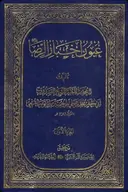
ʿUyūn Akhbār al-Riḍā, also known as ʿUyūn al-Akhbār is a comprehensive Ḥadīth collection focusing on Imam al-Riḍā (as), which is compiled by the renowned Shīʿī scholar, al-Shaykh al-Ṣadūq. The work contains a plethora of Ḥadīths that are either the direct sayings of Imam al-Riḍā (as) or the wisdom he imparted from his forefathers. As one of the references within Shīʿī scholarship, this collection covers an array of subjects, including history, jurisprudence, ethics, and theology. al-Shaykh al-Ṣadūq may have written ʿUyūn Akhbār al-Riḍā after the death of Rukn al-Dawla al-Buwayhī in 366 AH. The writing of this work was inspired by a unique exchange. Sāḥib b. ʿAbbād al-Daylamī, a prominent Shīʿī minister and ruler of the time, penned a poem extolling ʿAlī b. Mūsā al-Riḍā (as) and dedicated it to al-Shaykh al-Ṣadūq. In response, the work was compiled as a reciprocal gift. al-Shaykh al-Ṣadūq stated in his introduction, "I found no other better gift than this book which is about the infinite knowledge of Imam al-Riḍā (as) to send in return to the two odes of Ibn ʿAbbād.”
This text provides readers with a deep understanding of the life and teachings of Imam al-Riḍā, illuminating the comprehensive scope of his wisdom and his contributions to Islamic thought and practice.
A könyvek leírása és a hadíthok fordítása angol nyelvű (forrás: Thaqalayn.net). Az arab eredeti minden hadíth mellett szerepel.
Introduction
Foreword
بسم الله الرحمن الرحيم الحمد لله الواحد القهار، العزيز الجبار، الرحيم الغفار، فاطر الأرض والسماء، خالق الظلمة والضياء، مقدر الأزمنة والدهور، مدبر الأسباب والأمور، باعث من في القبور المطلع ما ظهر واستتر، العالم بما سلف وغبر، الذي له المنة والطول والقوة والحول أحمده على كل الأحوال وأستهديه لافضل الأعمال وأعوذ به من الغي والضلال، واشكره شكرا استوجب به المزيد واستنجز به المواعيد وأستعينه على ما ينجى من الهلكة والوعيد واشهد لا اله إلا الله الأول فلا يوصف بابتداء والاخر يوصف بانتهاء الها يدوم ويبقى ويعلم السر واخفى وأشهد أن محمدا عبده المكين ورسوله الأمين المعروف بالطاعة المنتجب للشفاعة فإنه أرسله لإقامة العوج وبعثه لنصب الحجج ليكون رحمه للمؤمنين وحجه على الكافرين ومؤيدا بالملائكة المسومين حتى أظهر دين الله على كره المشركين صلى الله وآله الطيبين واشهد ان علي بن أبي طالب أمير المؤمنين ومولى المسلمين وخليفة رسول العالمين واشهد ان الأئمة من ولده حجج الله إلى يوم الدين وورثه علم النبيين صلوات الله ورحمته وسلامه وبركاته عليهم أجمعين.
In the name of Allah, the [Most] Beneficent, the [Most] Merciful, All praise be to Allah, the One, the Almighty, the Honorable, the Powerful, the Merciful, the Forgiver, the Originator of the Earth and Heavens, the Creator of darkness and light, the Determiner of time and age, the Organiser of the causes and the affairs, the Resurrector of the ones in the grave, the Informed [One] of what’s apparent and hidden, [The] Knowing of what has preceded and become dusty, the one that has [all] grace and [all] authority, and [all] power and [all] capability. I praise Him in all situations and I request guidance for the best of deeds, and I seek refuge in him from sin and deviation. I thank him a thanking that is demanded by the Increaser, and the one that appointments are accomplished by. And I seek help through Him by what makes one successful from the perishment and the menace. And I bear witness that there is no God worthy of worship except Allah, the First who is not described as having a beginning, and the Last who is not described as having an end. A God that continues [to exist], and remains, and knows what is secret and what is further hidden. And I bear witness that Muḥammad ﷺ is His fervent slave and His trustworthy Messenger, known by his obedience, of noble birth [chosen] for intercession. For indeed He sent him to establish [justice] over the crooked, and He sent him to place the Proofs so that he can be a mercy for the believers, and an evidence over the disbelievers, and supported by the Angels with distinct marks until the religion of Allah has been made apparent even if the polytheists were to hate it. May Allah’s blessings be upon him and his good progeny, and I bear witness that ‛Alī b. Abī Tālib is the Commander of the Faithful and the Leader of the Muslims and the Caliph [following] the Messenger of the Worlds, and I bear witness that the Imams from his offspring are Proofs of Allah until the Day of Recompense and the inheritors of the Prophets’ knowledge, May Allah’s blessings, mercy, peace and grace be upon them all.
Content
Why Is Ali Ibn Musa (s) Called al-Ridha
1 - حَدَّثَنا أَبي وَمُحَمَّدُ بْنِ مُوسَى بْنِ المُتَوَكِّل؛ وَمُحَمَّدُ بْنِ عَلِيِّ ماجِيلَوَيْه؛ وَأحْمَدُ بْنِ على بن إِبْراهيمَ بْنِ هاشِم؛ وَالحُسَيْنُ بْنُ إِبْراهيم ناتانَةَ؛ وَأَحْمَدُ بْنِ زِيادِ بْنِ جَعْفَر الْهَمَذانيُّ؛ وَالحُسَيْنُ بْنِ إِبْراهيمَ بْنِ هشام المُكَتَّبُ؛ وَعَلِيُّ بْنِ عَبْدِاللَّهِ الْوَرَّاقُ - رَضِيَ اللَّهُ عَنْهُمْ جَمِيعاً - قالُوا: حَدَّثَنا عَلِيُّ بْنُ إِبراهيمَ بْنِ هاشِم، عَنْ أَبيهِ، عَنْ أَحْمَدِ بْنِ مُحَمَّدِ بْنِ أَبي نَصْرِ البِزَنْطِيِّ قالَ: قُلتُ لأَبِي جَعْفَرٍ مُحَمَّدِ بْنِ مُوسَى عَلَيْهِمُ السَّلاَمُ: إِنَّ قَوْماً مِنْ مُخالِفِيكُمْ يَزْعُمُونَ أَنَّ أَباكَ إِنَّما سَمَّاهُ الْمَأمُون الرِّضا عَلَيْهِ السَّلامُ لَمّا رَضِيَهُ لِوِلايَةِ عَهْدِهِ فَقالَ: كَذَبُوا وَاللَّهِ وَفَجَرُوا، بَلِ اللَّهُ تَبارَكَ وَتَعالى سَمَّاهُ الرِّضا عَلَيْهِ السَّلامُ ، لأَنَّهُ كانَ رضىِ لِلَّهِ عَزَّ وَجَلَّ فِي سَمائِهِ، وَرَضِىَ لِرَسُولِهِ وَالأَئِمَّةِ مِنْ بَعْدِهِ - صَلَواتُ اللَّه عَلَيْهِم - فِي أَرْضِهِ، قالَ فَقُلْتُ لَهُ: أَلَمْ يَكُنْ كُلُّ واحِدٍ مِنْ آبائِكَ الماضِينَ عَلَيْهِمُ السَّلاَمُ رَضِىَ لِلَّهِ تَعالى وَلِرَسُولِهِ وَالأَئِمَّةِ عَلَيْهِمُ السَّلاَمُ فَقالَ: بَلى، فَقُلْتُ: فَلِمَ سُمِّيَ أَبُوكَ مِنْ بَيْنِهِم الرِّضا عَلَيْهِ السَّلامُ ؟ قالَ: لأَنَّهُ رَضِيَ بِهِ الُْمخالِفُونَ مِنْ أَعْدائِهِ كَما رَضِيَ بِهِ الْمُوافِقُونَ مِنْ أَوْلِيائِهِ وَلَمْ يَكُنْ ذلِكَ لأَحَدٍ مِنْ آبائِهِ عَلَيْهِمُ السَّلاَمُ، فَلِذلِكَ سُمِّيَ مِنْ بَيْنِهِمُ عَلَيْهِمُ السَّلاَمُ الرِّضا.
1-1 My father, Muhammad ibn Musa ibn al-Motawakkil, Muhammad ibn Ali ibn Majiluwayh, Ahmad ibn Ali ibn Ibrahim ibn Hashem; Al-Hussein ibn Ibrahim Natanat; Ahmad ibn Ziyad ibn Ja’far al-Hamadani; Al-Hussein ibn Ibrahim ibn Hisham al-Mokattib, and Ali ibn Abdullah - may God be pleased with them all - narrated that Ali ibn Ibrahim ibn Hashem quoted on the authority of his father that Ahmad ibn Muhammad ibn Abi Nasr al-Bezanti told Abi Ja’far Muhammad ibn Ali ibn Musa (s), “Some of your opponents think that Al-Ma’mun called your father Al-Ridha (s) that means ‘acceptable’ or ‘liked’ since he liked your father and chose him to be his crown-prince. Imam Al-Jawad (s) said, “No, by God, they are liars. God the Almighty the Sublime named him Al-Ridha (s) since he was accepted by God the Almighty in His Heavens , and he was accepted by his Prophet (s) and the Imams (s) that followed the Prophet (s) on His Earth.” Al-Bezanti said, “Were not your father and grandfathers accepted by God, the Prophet and the Imams?” Imam Al-Jawad (s) said, “Yes, they were.” He then asked, “Why then only was your father called Al-Ridha and they were not?” Then Imam Al-Jawad (s) said, “That is because his friends and followers as well as his opponents accepted him, while this was never the case for my forefathers. Therefore, he is the only one who is called Al-Ridha.”
2 - حَدَّثَنا عَلِيِّ بْنِ أَحْمَدَ بْنِ مُحَمَّدِ بْنِ عِمْرانَ الدَّقَّاق رَضِىَ اللهُ عَنْهُ قالَ: حَدَّثَنا مُحَمَّدُ بْنِ أَبي عَبْدِاللَّهِ الكُوفِيُ عَنْ سَهْلِ بْنِ زِيادِ الأَدَمِيِ عَنْ عَبْدِ العَظِيم الْحَسَنِيِّ عَنْ سُلَيْمانَ بْنِحَفْصٍ الْمَرْوَزِيِّ قالَ: كانَ مُوسَى بْنُ جَعْفَرِ بْنِ مُحَمَّدِ بْنِ عَلىِّ بْنِ الحُسَيْنِ بْنِ عَلىِّ بْنِ أَبي طالِب عَلَيْهِمُ السَّلاَمُ يُسَمِّي وَلَدَهُ عَلِيّاً عَلَيْهِ السَّلامُ، الرِّضا وَكانَ يَقُولُ: «اُدْعُوا لِي وَلَدِيَ الرِّضا» وَ«قُلتُ لِوَلَدِيَ الرِّضا» وَ«قالَ لِي وَلَدِيَ الرِّضا» وَإِذا خاطَبَهُ قالَ: «يا أَبَا الحَسَنِ».
1-2 Ali ibn Ahmad ibn Muhammad ibn Imran ad-Daqqaq (ra) narrated that Muhammad ibn Abi Abdullah al-Kufi quoted on the authority of Sahil ibn Ziyad al-Adami, on the authority of Abdul Azeem ibn Abdullah Al-Hasani, on the authority of Sulaiman ibn Hafs al-Marwazy, he said: Musa ibn Ja'far ibn Muhammad ibn Ali ibn al-Husayn ibn Ali ibn Abi Talib (as) used to call his son Ali (as) "al-Rida." He would say, "Call my son al-Rida for me," "I said to my son al-Rida," and "My son al-Rida said to me." And when he addressed him, he would say, "O Aba al-Hasan."
Content
Traditions About Imam al-Ridha’s Mother and Her Name
1 - حَدَّثَنا الْحاكِمُ أَبُو عَلِيٍّ الحُسَيْنُ بْنُ أحْمَدَ الْبِيْهَقِيُّ فِي دارِهِ بِنِيْسابُورَ فِي سَنَةِ اِثْنَتَيْنِ و خَمْسِينَ وَثَلاثِمِائَةٍ و قالَ: أَخْبَرنا مُحَمَّدُ بْنُ يَحْيَى الصُّوليُّ قِراءَةً عَلَيْهِ قالَ: أَبُو الحَسَن الرِّضا عَلَيْهِ السَّلَامُ هُوَ عَلِيُّ بْنِ مُوسَى بْنِ جَعْفَرِ بْنِ مُحَمَّدِ بْنِ عَلِىِّ بْنِ الحُسَيْنِ بْنِ عَلِىِّ بْنِ أَبِي طالِب عَلَيْهِمُ السَّلاَمُ وَاُمُّهُ اُمُّ وَلَدٍ تُسَمّى تُكْتَمُ، عَلَيْهِ اسْتَقَرَّ اِسْمُها حِينَ مَلَكَها أَبُو الحَسَنِ مُوسَى بْنِ جَعْفَرِ عَلَيْهِمَا السَّلاَمُ.
Al-Hakim Abu Ali Al-Husayn b. Ahmad al-Bayhaqi narrated to us from his home in Nishapur in the year 235 AH, that Muhammad b. Yahya al-Suli informed us through writing: Abul Hassan al-Ridha (a.s.) is Ali b. Musa b. Ja’far b. Muhammad b. Ali b. al-Husayn b. Abi Talib (as). His mother was a slave-girl named Tuktam. She was named Tuktam when Abul Hassan Musa b. Ja’far (as) became her master (i.e. husband).
2 - حَدَّثَنا الْحاكِمُ أَبُو عَلِيِّ الحُسَيْنُ بْنُ أحْمَد الْبِيْهَقِيُّ قالَ: حَدَّثَنا الصُّوليُّ قالَ: حَدَّثَني عَوْنُ بْنُ مُحَمَّدِ الْكِنْدِيُّ قالَ: سَمِعْتُ أَبَا الحَسَنِ عَلِىَّ بْنَ مِيْثَم - يَقُولُ: وَما رَأَيتُ أَحَداً قَطُّ أَعْرَفَ بِاُمُورِ الأَئِمَّةِ عَلَيْهِمُ السَّلاَمُ وَأَخْبارِهِمْ وَمَناكِحِهِمْ مِنْهُ - قالَ: اشْتَرَتْ حَمِيدَةُ المُصَفَّاةُ وَهِيَ اُمُّ أَبِي الحَسَنِ مُوسَى بْنِ جَعْفَر عَلَيْهِمَا السَّلاَمُ، وَكانَتْ مِنْ أَشْرافِ العَجَمِ جارِيَةً مُوَلِّدَةً وَاِسْمُها تُكْتَمُ وَكانَتْ مِنْ أَفْضَلِ النِّساءِ في عَقْلِها وَدِينِها وَإِعْظامِها لِمَوْلاتِها حَمِيدَةَ المُصَفَّاةِ، حَتّى إِنَّها ما جَلَسَتْ بَيْنَ يَدَيْها مِنْذُ مَلَكَتْها إِجْلالاً لَها، فَقالَتْ لِإِبْنِها مُوسَى عَلَيْهِ السَّلامُ: يا بُنَيَّ إِنَّ تُكْتَمُ جارِيَةٌ ما رَأَيتُ جارِيَةً قَطُّ أَفْضَلَ مِنْها و لَسْتُ أَشُكُّ أَنَّ اللَّهَ تَعالى سَيُطَهِّرُ نَسْلَها إِنْ كانَ لَها نَسْلٌ وَقَدْ وَهَبْتُها لَكَ، فَاسْتَوْصِ خَيْراً بِها فَلَمَّا وَلَدَتْ لَهُ الرِّضا عَلَيْهِ السَّلامُ سَمَّاها الطَّاهِرَةَ، قالَ: وَكانَ الرِّضا عَلَيْهِ السَّلامُ يَرْتَضِعُ كَثِيراً وَكانَ تامَّ الْخَلْقِ فَقالَتْ: أَعِينُونِي بِمُرْضِعٍ، فَقِيلَ لَها: أَنْقَضَ الدَّرُّ؟! فَقالَتْ: ما أَكْذِبُ، وَاللَّهِوَاللَّهِ ما نَقَصَ الدَّرُّ، لكِن عَلَىّ وِرْدٌ مِنْ صَلاتِي وَتَسْبِيحِي، وَقَدْ نَقَصَ مُنْذُ وَلَدْتُ.قالَ الْحاكِمُ أَبُو عَليِ: قالَ الصُّوليُّ: وَالدَّلِيلُ عَلَى أَن اِسْمَها تُكْتَمُ قَوْلَ الشَّاعِرِ يَمْدَحُ الرِّضا عَلَيْهِ السَّلامُ:وَرَهْطاً وَأَجْداداً عَلِيُّ المُعَظَّمُ;ألا إنَّ خَيْرَ النَّاسِ نَفْساً وَوالِداً;إِماماً يُؤَدِّي حُجَّةَ اللَّهِ تُكْتَمُأَتَتْنا بِهِ لِلْعِلْمِ وَالْحِلْمِ ثامِناًوَقَدْ نَسَبَ قَوْمٌ هذا الشِّعْرَ إِلى عَمِّ أَبي إِبْراهيمَ بْنِ العَبَّاسِ وَلَمْ أَرْوِهِ لَهُ، وَما لَمْ يَقَعْ لِي بِهِ رِوايَةً وَسَماعاً فَإِنِّي لا أُحَقِّقُهُ وَلا اُبْطِلُهُ بَلِ الَّذِي لا أَشُكُّ فِيهِ أَنَّهُ لِعَمِّ أَبي إِبْراهيمِ بْنِ العَبَّاسِ قولَهُ:عَلى أَهْلِهِ عادِلاً شاهِداكَفى بِفِعالِ امْرِءٍ عالِمٍوَلا يُشْبِهُ الطّارِفُ التَّالِداأَرى لَهُم طارِفاً مُونِقاًوَتعطون من مائَةٍ واحِدايُمَنُّ عَلَيْكُمْ بِأَمْوالِكُمْيَكُون لأَعْدائِكُمْ حامِدافَلا يَحْمَدُ اللَّهَ مُسْتَبْصِرٌكَما فَضَلَ الوالِدُ الوالِدافَضَلْتَ قَسِيمَكَ فِي قُعْدَدٍقالَ الصُّوليُّ: وَجَدْتُ هذِهِ الأَبْياتَ بِخَطِّ أَبي، على ظَهْرِ دَفْتَرٍ لَهُ يَقُولُ فِيهِ: «أَنْشَدَنِي أَخِي لِعَمِّه فِي عَلِيِّ (يَعْنِي الرِّضا عَلَيْهِ السَّلامُ) - تَعْلِيقٌ مُتَوَّقٌ - فَنَظَرْتُ فَإِذا هُوَبِقَسِيمِهِ فِي القُعْدَدِ الْمَأمُون، لأَنَّ عَبْدَ المُطَّلِبِ هُوَالثَّامِنُ مِنْ آبائِهِما جَمِيعاً.وَتُكْتَمُ مِن أَسْماءِ نِساءِ العَرَبِ قَدْ جاءَتْ فِي الأَشْعارِ كَثِيراً مِنْها فِي قولَهُمْ:خِيالُ تُكْنى وَخِيالُ تُكْتَماطافَ الخَيالانِ فَهاجا سَقَماقالَ الصُّوليُّ: وَكانَتْ لإِبْراهِيمَ بْنِ العَبَّاسِ الصُّوليِّ عَمِّ أَبي فِي الرِّضا عَلَيْهِ السَّلامُ مَدائِحُ كَثِيرَةٌ أَظْهَرَها، ثُمَّ اضْطُرَّ إِلى أَنْ سَتَرَها، وَتَتَبَّعَها فَأَخَذَها مِنْ كُلِّ مَكان.وَقَدْ رَوى قَوْمٌ أَنَّ اُمَّ الرِّضا عَلَيْهِ السَّلامُ تُسَمّى سَكَنَ النَّوابِيَةِ، وَسُمِّيَتْ أَرْوى، وَسُمِّيَتْ نَجْمَة وَسُمِّيَتْ سَمانَة، وَتُكَنّى اُمُّ البَنِينَ.
2-2 Al-Hakim Abu Ali Al-Hussein ibn Ahmad al-Bayhaqi quoted on the authority of al-Sowly, on the authority of Own ibn Muhammad al-Kendy quoted on the authority of Abul Hassan Ali ibn Maysam - Imam Al-Kadhim’s mother - who was one of the noble Persian ladies called Hamideh, bought a female slave of the Mowalledeh type named Toktam. Toktam was one of the noblest ladies in regards to intelligence, religion and respect for her master and his mother Hamideh. She respected Lady Hamideh so much that she would never sit down in her presence. Then Lady Hamideh told her son - Imam Musa ibn Ja’far (s), “O my son! Toktam is a female slave. I have never seen any female slave better than her. I have no doubt that God will purify any generations from her offspring. Therefore, I will bestow her on you. Treat her with kindness. When she gave birth to Imam Al-Ridha (s), Imam Al-Kadhim (s) called her Taherah.”Then Ali ibn Maysam added, “Imam Al-Ridha (s) drank a lot of milk and was a chubby baby. Then his mother asked for a wet-nurse to breast-feed the baby. She was asked if she had run out of milk. She replied, ‘No, Iswear by God that I have not run out of milk, but since the birth of this baby I cannot attend to my own prayers and supplications.’”Al-Hakim Abu Ali quoted on the authority of al-Sowly, “One proof that the name of Imam Al-Ridha’s mother is Toktam can be found in this poem composed about Imam Al-Ridha (s):The Noble Ali is the best of the people Who has the best father, forefathers and tribe. Toktam gave birth to him Who is the eighth Leader. With his knowledge and patience He will stress God’s covenant with the people.”Al-Sowly said, “And some people have ascribed this to my paternal uncle - Ibrahim ibn Abbas - but no such thing has been narrated for me about him. I neither accept nor will I reject what has been narrated for me or what I have not heard. However, the following poem was undoubtedly composed by my paternal uncle - Ibrahim ibn Abbas:The deeds of just men are just witnesses for their doers. O yes, they have some considerable amount of new wealth That is not at all similar to what they had before. They give you only one percent of your own wealth, Yet they mention it as if they are doing you a favor. Whoever eulogizes your enemies, has not eulogized God. You are nobler than your eighth-generation cousin (al-Ma’mun) Just as your forefathers were nobler than his forefathers.”Al-Sowly said, “I found these verses written in my father’s notebook in his own handwriting. My father used to say that his brother had recited these poems and said that our uncle had composed them about Ali . There is a note in the margin of one of the pages of that notebook stating, ‘What is meant by eighth-generation cousin is Al-Ma’mun, since both Imam Al-Ridha (s) and Al-Ma’mun were eighthgeneration descendants of Abdul Muttalib.”Moreover, Toktam is an Arabic name that is often seen in Arabic poetry. Al-Sowly said, “My uncle - Ibrahim ibn Abbas - had composed a lot of eulogies about Imam Al-Ridha (s). He used to recite them in public. However, he was finally forced to hide them. Later he searched for them and compiled them again.”Some people have narrated that the name of Imam Al-Ridha’s noble mother was Sakan An-Nawbiyeh. She was also called Arwa, Najma, and Somayeh. Her nickname was Ummul Banin.
3 - حَدَّثَنا تَمِيمُ بْنِ عَبْدِاللَّه تَمِيمُ القُرَشِي رَضِىَ اللهُ عَنْهُ قالَ: حَدَّثَني أَبي، عَنْ أَحْمَدِ بْنِ عَلِى الأَنْصارِي قالَ: حَدَّثَني عَلِىُّ بْنِ مِيْثَم، عَنْ أَبيهِ قالَ: لَمّا اشْتَرَتِ الحَمِيدَةُ اُمُّ مُوسَى بْنِ جَعْفَرعَلَيْهِمَا السَّلاَمُ اُمِّ الرِّضا عَلَيْهِ السَّلامُ نَجْمَة، ذَكَرَتْ حَمِيدَةُ: أَنَّها رَأَتْ فِي المَنامِ رَسُولَ اللَّهِ صَلَّى اللهُ عَلَيْهِ وَآلِهِ، يَقُولُ لَها: يا حَمِيدَةُ هَبي نَجْمَةَ لِإِبْنِكَ مُوسَى، فَإِنَّهُ سَيُولَدُ لَهُ مِنْها خَيْرَ أَهْلِ الأَرْض، فَوَهَبَتْها لَهُ، فَلَمَّا وَلَدَتْ لَهُ الرِّضا عَلَيْهِ السَّلامُ سَمَّاهَا الطَّاهِرَةَ، وَكانَتْ لَها أَسْماءُ مِنْها نَجْمَةُ وَأَرْوى وَسَكَنُ وَسَمانَةُ وَتُكْتَمُ وَهُوَ آخِرُ أَساميَها، قالَ عَلِىُّ بْنُ مِيْثَم: سَمِعْتُ أَبي يَقُولُ: سَمِعْتُ اُمِّي تَقُولُ: كانَتْ نَجْمَةُ بِكْراً لَمّا اشْتَرَتْها حَمِيدَةُ.
2-3 Tamim ibn Abdullah ibn Tamim al-Qurashi - may God be pleased with him - narrated that his father quoted on the authority of Ahmad ibn Ali Al-Ansari, on the authority of Ahmad ibn Ali Al-Ansari, on the authority of Ali ibn Maysam, on the authority of his father, “When the mother of Imam Al-Kadhim (s) - Lady Hamideh - bought (the female slave) Najma who later gave birth to Imam Al-Ridha (s), she said, ‘I had a dream. In my dream God’s Prophet (s) told me to give Najma to my son Musa (s). The Prophet (s) told me that Najma and Musa (s) will have a child who will be the best man on the Earth. Then I gave her to my son Musa (s).’ When Najma gave birth to Imam Al-Ridha (s), Imam Musa Al-Kadhim (s) named her Taherah. She also had other names including Najma, Arwa, Sakan, Samaneh and Toktam. Toktam was her last name.” Ali ibn Maysam added on the authority of his father, “I heard my mother say that Najma was a girl when Lady Hamideh bought her.”
4 - حَدَّثَنا أَبي رَضِىَ اللهُ عَنْهُ قالَ: حَدَّثَنا سَعْدُ بْنُ عَبْدِ اللَّه، عَنْ أَحْمَدَ بْنِ مُحَمَّدِ بْنِ عِيسَى، عَنْ الحَسَن بْنِ مَحْبُوب، عَنْ يَعْقُوبَ بْنِ إِسْحاق، عَنْ أَبي زَكَريَّا الواسِطِىَّ، عَنْ هِشامِ الأَحْمَرِ قالَ: قالَ ابوالحَسَن الأَوَّلُ عَلَيْهِ السَّلامُ: هَلْ عَلِمْتَ أَحَداً مِنْ أَهْل المَغْرِبِ قَدِمْ ؟ قُلتُ: لا، فَقالَ عَلَيْهِ السَّلامُ: بَلى قَدْ قَدِمَ رَجُلٌ [أحمرُ] فَانْطَلِقْ بِنا إِلَيْهِ، فَرَكِبَ وَرَكِبْنا مَعَهُ حَتّى انْتَهَيْنا إِلَى الرَّجُلِ، فَإِذا رَجُلٌ مِنْ أَهْل المَغْرِبِ مَعَهُ رَقِيق فَقالَ لَهُ: اِعْرِضْ عَلَيْنا فَعَرَضَ عَلَيْنا تِسْعَ جَوار كُلِّ ذلِكَ يَقُولُ أَبُوالحَسَن عَلَيْهِ السَّلامُ: لا حاجَةَ ليفِيها، ثُمَّ قالَ لَهُ: اعْرِضْ عَلَيْنا، قالَ: ما عِنْدِي شَيءٌ فَقالَ لَهُ: بَلى اعْرِضْ عَلَيْنا، قالَ: لا وَاللَّهِ، ما عِنْدِي إِلاّ جارِيَةٌ مَرِيضَةٌ، فَقالَ لَهُ: ما عَلَيْكَ أَنْ تَعْرِضَها؟ فَأبي عَلَيْهِ، ثُمَّ انصَرَفَ عَلَيْهِ السَّلامُ ثُمَّ اِنَّهُ أَرْسِلْنِي مِنَ الغَدِ إِلَيْهِ، فَقالَ لي: قُلْ لَهُ: كَمْ غايَتُكَ فِيها؟ فَإِذا قالَ: كَذا وَكَذا فَقُلْ: قَدْ أَخَذْتُها.فَأَتَيْتُهُ،[وَ] قالَ: ما اُرِيدُ أَنْ أَنْقُصَها مِنْ كَذا [وَكَذا] ، فَقُلْتُ: قَدْ أَخَذْتُها وَهُوَ لَكَ، فَقالَ: هِيَ لَكَ، وَلكِن مَنَ الرَّجُل الَّذِي كانَ مَعَكَ بِالأَمْسِ؟ فَقُلْتُ: رَجُلٌ مِنْ بَنِي هاشِم؛ فَقالَ: مِنْ أيِّ بَنِي هاشِم؟ [فَقُلْتُ مِنْ نُقَبائِهِم] فَقالَ: اُرِيدُ أَكْثَرَ مِنْهُ، فَقُلْتُ: ما عِنْدِي أَكْثَرُ مِنْ هذا، فَقالَ: أَخْبِرُكَ عَنْ هذِهِ الوَصِيفَةِ، إِنِّي اشْتَرَيْتُها مِنْ أَقْصى بِلاد الْمَغْرِبِ، فَلَقِيَتْني اِمْرَأَةٌ مِن أَهْلِ الْكِتاب، فَقالَتْ: ما هذِهِ الوَصِيفَةِ مَعَكَ؟ فَقُلْتُ اشْتَرَيْتُها لِنَفْسِي. فَقالَتْ: ما يَنْبَغِي أَن تَكُون هذِهِ الوَصِيفَةُ عِنْدَ مِثْلِكَ، إِنَّ هذِهِ الجارِيَةَ يَنْبَغِيأَن تَكُون عِنْدَ خَيْرَ أَهْلِ الأَرْض، فَلا تَلْبَثُ عنْدَهُ إِلاّ قَلِيلاً حَتّى تَلِدَ مِنْهُ غُلاماً يَدَيْنُ لَهُ شَرْقُ الأَرْض وَغَرْبُها، قالَ: فَأَتَيْتَهُ بِها، فَلَمْ تَلْبَثْ عنْدَهُ إِلاّ قَلِيلاً حَتّى وَلَدَتْ لَهُ عَلِيّاً عَلَيْهِ السَّلامُ.وَحَدَّثَني بِهذَا الْحَدِيثِ مُحَمَّدُ بْنُ عَلِى ماجِيلوَيْه رَضِىَ اللهُ عَنْهُ قالَ: حَدَّثَني عَمِّي مُحَمَّدُ بْنُ أَبي القاسِم، عَنْ مُحَمَّدِ بْنِ عَلِى الكُوفِيِّ، عَنْ مُحَمَّدِ بْنِ خالِد، عَنْ هِشامِ الأَحْمَرِ مِثْلَهُ سَواءٌ.
2-4 (The author of the book narrated) my father - may God be pleased with him - narrated that Sa’d ibn Abdullah quoted on the authority of Ahmad ibn Muhammad ibn Isa, on the authority of Al-Hassan ibn Mahboob, on the authority of Yaqoob ibn Ishaq, on the authority of Zakariya al-Wasety, on the authority of Hisham bin Ahmed that Abul Hassan the first (Imam Al-Kadhim (s) said, “Do you know anyone from the West who has come here?” I said, “No.” Imam Al-Kadhim (s) said, “Yes, a red man has come here. Let’s go to see him together.” We mounted our horses and rode over to see him. He was a Western man with several slaves. Imam Al-Kadhim (s) said, “Show us your slaves.” The man showed the Imam (s) nine of his female slaves. About each one of them Imam Al-Kadhim (s) said, “I do not need her.” Then he said, “Show us the rest of them.” The man said, “I do not have any more.” TheImam (s) said, “Yes you do. Show them to us. The man swore to God and said, “I swear by God that I do not have any more. There is just an ill female slave left.” The Imam (s) said, “What would happen if you also show her to us?” The man refused and then the Imam (s) left. The next day Imam Al-Kadhim (s) sent me to that man, instructed me to ask him what the last price was for her and to accept whatever price he quoted for her. Then I went to see that man. He said, “I will not sell her for an less than so much.” I said, “O.K. I accept the amount. Here is the money. It is yours.” He said, “O.K. That female slave is ours. But please tell me who the man with you was.” I said, “He is from the Hashemite tribe.” He asked, “Which branch? “I answered, “He is from the noble men of the Hashemite tribe.” The man said, “Please explain more.” I said, “I do not know anymore than this.” Then the man said, “O.K. Let me tell you then. I bought this female slave from one of the farthest towns away in the West.” A woman of the People of the Book saw me and asked me, “What is this female slave doing with you?” I said, “I have bought her for myself.” She said, “It is neither proper nor possible for her to be with people like you. She must live with the best of the people on the Earth. She will give birth to a child after living in their house for a short while to whom all the people of the East and the West will be humble.” Hisham said, “After buying her, I took her to Imam Al-Kadhim (s). Then after a short while, she gave birth to (Imam) Ali ibn Musa Al-Ridha (s). Muhammad ibn Ali Majiluwayh - may God be pleased with him - quoted the same tradition in the same form for me on the authority of his uncle Muhammad ibn Ali al-Qasim, on the authority of Muhammad ibn Ali al-Kufi, on the authority of Muhammad ibn Khalid, on the authority of Hisham bin Ahmed.
Content
On the Birthdate of Imam al-Ridha(s)
1 - حَدَّثَنا مُحَمَّدُ بْنُ إِبْراهيمَ بْنِ إِسْحاقَ الطَّالِقانِيُّ رَضِىَ اللهُ عَنْهُ قالَ: حَدَّثَني الحَسَنُ بْنُ عَلِىِّ بْنِ زَكَرِيَّا بِمَدِينَةِ السَّلامُ قالَ: حَدَّثَني أَبُو عَبْدِ اللَّهِ مُحَمَّدُ بْنُ خَلِيلان قالَ: حَدَّثَني أَبي، عَنْ أَبيهِ، عَنْ جَدِّهِ، عَنْ عَتابِ بْنِ اُسَيِّد قالَ: سَمِعْتُ جَماعَةً من أَهْلِ المَدِينَةِ يَقُولُونَ:وُلِدَ الرِّضا عَلِىُّ بْنُ مُوسَىعَلَيْهِمَا السَّلاَمُ بِالْمَدِينَةِ يَوْمَ الْخَمِيس لِإِحْدى عَشَرةَ لَيْلَةً خَلَتْ مِنْ رَبِيعِ الأَوَّلِ سَنَةَ ثَلاثٍ وَخَمْسِينَ وَمائَةٍ مِنَ الهِجْرَةِ بَعْد وَفاة أَبي عَبْدِاللَّه عَلَيْهِ السَّلامُ بِخَمْسِ سِنِينَ وَتُوُفِّيَ بِطُوسَ فِي قَرْيَةِ يُقالُ لَها: سَناباذَ مِن رُسْتاق نَوْقانَ، وَدُفِنَ فِي دارِ حُمِيد بْنِ قَحْطَبَة الطَّائيّ فِي القُبَّةِ الَّتِي فِيها هارُونُ الرَّشِيد إِلى جانِبِهِ مِمَّا يَلي القِبْلَةَ وَذلِكَ فِي شَهْرِ رَمَضان لِتِسْعٍ بَقِينَ مِنْهُ يَوْمَ الجُمْعَةِ سَنَةَ ثَلاثِ وَمائتَيْنِ، وَقَدْ تَمَّ عُمْرُهُ تِسْعاً وَأَرْبَعِينَ سِنَةَ وَسِتَّةَ أَشْهُرٍ، مِنْها مَعَ أَبِيهِ مُوسَى بْنِ جَعْفَرعَلَيْهِمَا السَّلاَمُ تِسْعاً وَعِشْرِينَ سَنَةَ وَشَهْرَيْنِ، وَبَعْد أَبِيهِ أيَّام إِمامَتِهِ عِشْرِينَ سَنَةَ وَأَرْبَعَةَ أَشْهَر، وَقامَ عَلَيْهِ السَّلامُ بِالأَمرِ وَلهُ تِسْعٌ و عِشْرُونَ سَنَةِ وَشَهْرانِ وَكانَ فِيأيَّام إِمامَتِهِ عَلَيْهِ السَّلامُ بَقِيَّةُ مُلْكِ الرَّشِيد ثُمَّ مَلَكَ بَعْدَ الرَّشِيد مُحَمَّد المَعْرُوفُ بِالأَمِين وَهُوَ ابْنُ زُبَيْدَةَ ثَلاثَ سِنِينَ وَخَمْسَةً وَعِشْرِينَ يَوْماً ثُمَّ خُلِعَ الأَمِين وَاُجْلِسَ عَمُّهِ إِبْراهيمُ بْنُ شَكْلَةَ أَرْبَعَةَ عَشَرَ يَوْماً، ثُمَّ اُخْرِجَ مُحَمَّدُ بْنُ زُبَيْدَةَ مِنَ الحَبْسِ و بُويِعَ لَهُ ثانِيَةً، وَجَلَسَ فِي المُلْكِ سَنَةَ وَسِتَّةِ أَشْهُرٍ وَثَلاثَةً وَعِشْرِينَ يَوْماً، ثُمَّ مَلَكَ عَبْدُاللَّهِ الْمَأمُونُ عِشْرِينَ سَنَةَ وَثَلاثَةً وَعِشْرِينَ يَوْماً، فَأَخَذَ البَيْعَةَ فِي مُلْكِهِ لِعَلِيِّ بْنِ مُوسَى الرِّضاعَلَيْهِمَا السَّلاَمُ بِعَهْدِ الْمُسْلِمِين مِنْ غَيْرِ رِضاهُ وَذلِكَ بَعْد أَنْ هَدَّدَهُ بِالْقَتْلِ وَأَلَحَّ عَلَيْه مَرَّةً بَعْد اُخْرى، فِي كُلِّها يَأْبى عَلَيْهِ حَتّى أَشْرَفَ مِنْ تَأَبِّيهِ عَلَى الهَلاكِ، فَقالَ عَلَيْهِ السَّلامُ:«اَللَّهُمَّ إنَّكَ قَدْ نَهَيْتَنِي عَنِ الإلْقاءِ بِيَدِي إِلى التَّهْلُكَةِ، وَقَدْ أُكْرَهْتُ وَاضْطُرَرْتُ كَما أُشْرَفْتُ مِنْ قِبَلِ عَبْدِاللَّه الْمَأمُونِ عَلَى القَتْلِ مَتى لَمْ أَقْبَلْ وِلايَةَ عَهْدِهِ، وَقَدْ أَكْرَهْتُ وَاضْطُرِرْتُ، كَما اضْطُرَّ يُوسِفُ وَدانِيالعَلَيْهِمَا السَّلاَمُ، إِذْ قَبْلَ كُلِّ واحِدٍ مِنْهُما الوِلايَة مِنْ طاغِيَةَ زَمانِه، اَللَّهُمَّ لا عَهْدَ لِي إِلاّ عَهْدَكَ وَلا وِلايَةَ لِي إِلاّ من قِبَلِكَ فَوَفِّقْنِي لِإِقامَةَ دِينِكَ وَإِحْياءِ سُنَّةَ نَبِيَّكَ مُحَمَّد صَلَّى اللهُ عَلَيْهِ وَآلِهِ فَإِنَّكَ أَنْتَ المَوْلى وَأَنْتَ النَّصِير وَنِعْمَ المَوْلى أَنْتَ وَنِعْمَ النَّصِير».ثُمَّ قَبِلَ عَلَيْهِ السَّلامُ وَلايَة الْعَهْدِ مِنَ الْمَأمُون – وَهُوَ باكٍ حَزِينٌ - عَلَى أَن لا يُوَلّيَ أَحَداً وَلا يَعْزِلَ أَحَداً، وَلايُغَيِّرَ رَسْماً وَلا سُنَّةً، وَأَنْ يَكُونَ فِي الأَمْر مُشِيراً مِنْ بَعِيدٍ، فَأَخَذَ الْمَأمُون لَهُ البِيْعَةَ عَلَى النَّاسِ، الخاصِّ مِنْهُمْ وَالعامِّ، فَكانَ مَتى ماظَهَر لِلْمَأمُونِ مِنَ الرِّضا عَلَيْهِ السَّلامُ فَضْلٌ وَعِلْمٌ وَحُسْنُ تَدْبِيرٍ، حَسَدَهُ عَلَى ذلِكَ وَحَقَدَهُ عَلَيْهِ حَتّى ضاقَ صَدْرُهُ مِنْهُ، فَغَدَرَ بِهِ وَقَتَلَهُ بِالسَّمِّ و مَضى إِلى رِضْوانُ اللَّه تَعالى وَكَرامَتِهِ.
3-1 Muhammad ibn Ibrahim ibn Ishaq Taleqani - may God be pleased with him - quoted on the authority of Al-Hassan ibn Ali ibn Zakariyya from Medina who quoted on the authority of Abu Abdullah Muhammad ibn Khalilan, on the authority of his father, on the authority of his grand-father, on the authority of Attab ibn Osayd who narrated that he had heard from a group of the Sheikhs from Medina, “Al-Ridha Ali ibn Musa (s) was born in Medina on Thursday the 11th of Rabi’ul Awwal in the year 153 A.H. (769 A.D.) - five years after the death of Imam As-Sadiq (s) He died in Toos in a village called Sanabad in the town of Nawqan. He was buried in Hamid ibn Al-Ta’ee’s house in the same vault in which Harun Al-Rashid was buried. He was buried on the Qibla side of the grave of Harun Ar-Rashid. This occurred on Friday the 21st (or the 20th) of the (Arabic) month of Ramadhan in the year 203 A.H. (817 A.D.). He lived for forty-nine years and six months. He spent twenty-nine years and two months with his noble father Imam Musa ibn Ja’far (s). Then he succeeded his father, and was Imam for a period of twenty years and four months. He became Imam when he was twenty-nine years and two months old. This period of his Divine Leadership coincided with the period of the ruling of Harun Ar-Rashid. After Ar-Rashid, Muhammad known as Al-Amin who was the son of Zobayda ruled for three years and twenty-five days. Al-Amin was then dethroned and his uncle Ibrahim ibn Shaklah was put in power for fourteen days. Then he released Muhammad ibn Zobayda (al-Amin) from prison, and had the people pledge allegiance to him again. He ruled for another year and a half and twenty-three days. Then Abdullah Al-Ma’mun ruled for twenty years and twenty-three days. It was then that he (al-Ma’mun) took a pledge of succession from Ali ibn Musa Al-Ridha (s) without his consent.This he did after threatening him (Imam al-Ridha) with death. He insisted on this over and over. The Imam (s) refused to accept this offer every time, until he finally faced the threat of being killed. Then he said, “O My God! Verily you have admonished me against getting myself killed. Indeed I dislike it but I am forced to accept the succession of Abdullah Al-Ma’mun, else he would kill me. Indeed I dislike it but I am forced to do it, just as Joseph (s) and Daniel (s) were forced to when they each accepted the succession of the tyrant rulers of their time. O My God! There is no pledge for me except Your Pledge, and there is no succession for me except what You may grant to me. Help me succeed in establishing Your Religion, and reviving the tradition of your Prophet Muhammad - may God’s Peace and Blessings be upon him and his Household- since You are my Master and my Helper. How good a Master and Helper!” Then he (s) accepted the succession from Al-Ma’mun withtears and silence on condition that he will not appoint anyone, dismiss anyone, or change any customs or traditions. He accepted to be a counselor on the affairs from a distance. Then Al-Ma’mun had all the people including his personal entourage, and the general public pledge allegiance to Imam Al-Ridha (s). However, whenever one of the nobilities of Imam Al-Ridha (s), his knowledge and good management ability was manifested in front of Al-Ma’mun; Al-Ma’mun became jealous of the Imam (s) - up to the point that he could not bear it anymore. He then tricked Imam Al-Ridha (s) and poisoned him to death to go to the Almighty God’s Heaven and His Nobility.”
2 - حَدَّثَني تَمِيمُ بْنُ عَبْدِاللَّه بْنِ تَمِيمٍ القُرَشِي رَضِىَ اللهُ عَنْهُ قالَ: حَدَّثَني أَبي، عَنْ أَحْمَدَ بْنِ عَلِى الأَنْصارِي، عَنْ عَلِىِّ بْنِ مِيْثَم، عَنْ أَبيهِ قالَ: سَمِعْتُ اُمِّي تَقُولُ: سَمِعْتُ نَجْمَة اُمِّ الرِّضا عَلَيْهِ السَّلامُ تَقُول: لَمّا حَمَلْتُ بِاِبْنِي عَلِيٍّ لَمْ أَشعِرْ بِثِقْلِ الحَمْلِ، وَكُنْتُ أَسْمَعُ فِي مَنامِي تَسْبِيحاً وَتَهْلِيلاً وَتَمْجِيداً مِنْ بَطْني، فَيَفْزَعُنِي ذلِكَ وَيَهُولُنِي فَإِذا انتَبَهْتُ لَمْ أَسْمَعُ شَيْئاً، فَلَمَّا وَضَعْتُهُ وَقَعَ عَلَى الأَرْض واضِعاً يَدَيْهِ عَلَى الأَرْض، رافِعاً رَأسِهِ إِلى السَّماءِ، يُحَرِّكُ شَفْتَيْهِ كَأَنَّهُ يُتَكَلِّمُ فَدَخَلَ إِلىَّ أَبُوه مُوسَى بْنُ جَعْفَرٍعَلَيْهِمَا السَّلاَمُ فَقالَ لي: هَنِيئاً لَكِ يا نَجْمَةُ كَرامَةُ رَبِّكَ فَناوَلْتُهُ إِيَّاهُ فِي خِرْقَةٍ بَيْضاءَ، فَأَذِّنَ فِي اُذُنِهِ الُيمْنى وَأَقامَ اليُسْرى وَدَعا بِماءِ الفُراتِ فَحَكَنَّهُ بِهِ، ثُمَّ رَدُّهُ إِلَىَّ، فَقالَ: خُذِيهِ، فَإِنَّهُ بَقِيَّةُ اللَّه تَعالى فِي أَرْضِهِ.
3-2 Tamim ibn Abdullah ibn Tamim al-Qurashi - may God be pleased with him - narrated that his father quoted on the authority of Ahmad ibn Ali Al-Ansari, on the authority of Ali ibn Maysam on the authority of his father, “I heard Najma, the mother of Imam Al-Ridha (s), say, ‘When I was pregnant with my son Ali, I did not feel any burden. I used to hear God’s praises, glorification and supplications from my stomach when I slept. I got scared hearing these sounds and woke up to hear nothing more when I was awake. Once I gave birth to my child, he put both of his hands on the ground, and raised his head towards the sky and moved his lips as if he was saying something.’ His father, Musa ibn Ja’far (s) came to me said, ‘O Najma! Congratulations for this Divine Blessing that God has bestowed upon you.” Then I wrapped the baby in white cloth and handed him to Imam Al-Kadhim (s) He (s) said the ‘Azan in his right ear and the Iqamah in his left ear. Then he (s) asked for some water from the Euphrates River and gave the infant (Imam Ridha) some of it. Then he gave the baby back to me and said, “Take him. He is God’s Continuation (baqiyyatulah) on the Earth.”
Content
On Imam Al-kazim’s (s) Clear Appointment of Imam al-Ridha (s)
1 - حَدَّثَنا أَبي رَضِىَ اللهُ عَنْهُ قالَ: حَدَّثَني الحَسَنُ بْنُ عَبْدِاللَّه بْنِ مُحَمَّدِ بْنِ عِيسَى، عَنْ أَبيهِ، عَنْ الحَسَن بْنِ مُوسَى الخَشَّاب، عَنْ مُحَمَّدِ بْنِ الأَصْبَغِ، عَنْ أَحْمَدَ بْنِ الحَسَن المِيْثَمي - وَكانَ واقِفِيّاً - قالَ: مُحَمَّدِ بْنِ إِسْــمَاعِيل بْنِ الفَضْلِ الهاشِــمي، قالَ: دَخَلْتُ عَلَى أَبي الحَسَن مُوسَى بْنِ جَعْفَرعَلَيْهِمَا السَّلاَمُ وَقَدْ اشْتَكى شَكاةً شَدِيدَةً، فَقُلْتُ لَهُ: إِنْ كانَ ما أَسْأَلُ اللَّه أَن لا يُرْيَناهُ فَإَلى مَنْ ؟ قالَ: إِلى عَلِيٍّ اِبْنِي، وَكِتابُهُ كِتابي، وَهُوَ وَصِيِّي وَخَلِيفَتِي مِنْ بَعْدي.
4-1 (The author of the book narrated) my father - may God be pleased with him - narrated that Al-Hassan ibn Abdullah ibn Muhammad ibn Isa quoted on the authority of his father, on the authority of Al-Hassan ibn Musa al-Khashshab, on the authority of Muhammad ibn al-Asbaq, on theauthority of Ahmad ibn Al-Hassan al-Maysami - who was one of the Waqifites quoted on the authority of Muhammad ibn Isma’il ibn Al-Fadhl al-Hashemi, “I went to see Imam Musa Al-Kadhim (s) when he was seriously ill. I asked him: If God forbid something should happen to you, whom should we follow? He said, “Follow my son Ali (Imam al-Ridha). His writing is my writing. He is my Testamentary Trustee, and my successor after me.