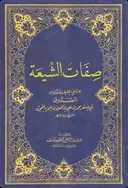
Ṣifāt al-Shīʿa by Shaykh al-Ṣadūq explores the ethical and behavioural attributes that Shīʿī individuals should embody through the lens of narrations attributed to the Ahl al-Bayt (as). This book comprises 71 Ḥadīths and covers a range of topics such as: Characteristics of the Shīʿa, Submission to the Imams' commands, Attributes of the Pious, Attributes of the Believer, Guidelines for Social Interaction, Strength in Religion, Allying with Others for the sake of God, Dissociation for the sake of God, Nobility of Character. These topics are not only emphasised within, but the manner in which they can be manifested are explained from time to time.
A könyvek leírása és a hadíthok fordítása angol nyelvű (forrás: Thaqalayn.net). Az arab eredeti minden hadíth mellett szerepel.
Content
Shia virtues of piety and worship
قَالَ حَدَّثَنِي مُحَمَّدُ بْنُ مُوسَى بْنِ اَلْمُتَوَكِّلِ رَحِمَهُ اَللَّهُ قَالَ حَدَّثَنَا مُحَمَّدُ بْنُ يَحْيَى اَلْعَطَّارُ اَلْكُوفِيُّ عَنْ أَبِيهِ عَنْ مُوسَى بْنِ عِمْرَانَ اَلنَّخَعِيِّ عَنْ عَمِّهِ اَلْحُسَيْنِ بْنِ زَيْدٍ اَلنَّوْفَلِيِّ عَنْ عَلِيِّ بْنِ سَالِمٍ عَنْ أَبِيهِ عَنْ أَبِي بَصِيرٍ قَالَ قَالَ اَلصَّادِقُ ع شِيعَتُنَا أَهْلُ اَلْوَرَعِ وَ اَلاِجْتِهَادِ وَ أَهْلُ اَلْوَفَاءِ وَ اَلْأَمَانَةِ وَ أَهْلُ اَلزُّهْدِ وَ اَلْعِبَادَةِ أَصْحَابُ إِحْدَى وَ خَمْسِينَ رَكْعَةً فِي اَلْيَوْمِ وَ اَللَّيْلَةِ اَلْقَائِمُونَ بِاللَّيْلِ اَلصَّائِمُونَ بِالنَّهَارِ يُزَكُّونَ أَمْوَالَهُمْ وَ يَحُجُّونَ اَلْبَيْتَ وَ يَجْتَنِبُونَ كُلَّ مُحَرَّمٍ.
Mohammed bin Musa bin al-Mutawakkil, Allah have mercy upon him, narrated to me from Mohammed bin Yahya al-Attar al-Kufi from Musa bin Imran an-Nakh’i from his uncle al-Hussein bin Yazid an-Nawfali from Ali bin Salem from his father from Abu Bassir that Imam as-Sadiq (a) said: Our Shia are the people of piety and diligence, loyalty and honesty, and asceticism and worship. They perform fifty-one rak’as in a single day and night. They pass their nights with worship and their days with fasting. They defray the zakat from their wealth, perform the hajj, and refrain from committing any forbidden thing.
Content
Opposing Allah's disciples leads to Hellfire
حَدَّثَنَا مُحَمَّدُ بْنُ مُوسَى اَلْمُتَوَكِّلُ قَالَ حَدَّثَنَا عَلِيُّ بْنُ اَلْحُسَيْنِ اَلسَّعْدَآبَادِيُّ عَنْ أَحْمَدَ بْنِ مُحَمَّدِ بْنِ خَالِدٍ عَنِ اِبْنِ فَضَّالٍ عَنِ اَلرِّضَا ع أَنَّهُ قَالَ : مَنْ وَالَى أَعْدَاءَ اَللَّهِ فَقَدْ عَادَى أَوْلِيَاءَ اَللَّهِ وَ مَنْ عَادَى أَوْلِيَاءَ اَللَّهِ فَقَدْ عَادَى اَللَّهَ تَبَارَكَ وَ تَعَالَى وَ حَقٌّ عَلَى اَللَّهِ عَزَّ وَ جَلَّ أَنْ يُدْخِلَهُ فِي نَارِ جَهَنَّمَ .
Mohammed bin Musa bin al-Mutawakkil narrated to us from Ali bin al-Hussein as-Sa’dabadi from Ahmed bin Mohammed bin Khalid from Ibn Faddhal that Imam ar-Ridha (a) said: He who follows the enemies of Allah will certainly antagonize the disciples of Allah, and whoever antagonizes the disciples of Allah will antagonize Allah Who will incumbently put him in the fire of Hell.
Content
Denial of taqiyah nullifies religion
حَدَّثَنَا جَعْفَرُ بْنُ مُحَمَّدِ بْنِ مَسْرُورٍ رَحِمَهُ اَللَّهُ قَالَ حَدَّثَنَا اَلْحُسَيْنُ بْنُ مُحَمَّدِ بْنِ عَامِرٍ عَنْ عَمِّهِ عَبْدِ اَللَّهِ بْنِ عَامِرٍ عَنْ مُحَمَّدِ بْنِ أَبِي عُمَيْرٍ عَنْ أَبَانِ بْنِ عُثْمَانَ عَنِ اَلصَّادِقِ جَعْفَرِ بْنِ مُحَمَّدٍ ع أَنَّهُ قَالَ : لاَ دِينَ لِمَنْ لاَ تَقِيَّةَ لَهُ وَ لاَ إِيمَانَ لِمَنْ لاَ وَرَعَ لَهُ.
Ja’far bin Mohammed bin Masrour narrated to us from al-Hussein bin Mohammed bin Aamir from his uncle Abdullah bin Aamir from Mohammed bin Abi Umair from Eban bin Othman that Ja’far bin Mohammed as-Sadiq (a) said: The religion of those who deny taqiyah is null and the faith of those who lack piety is null, too.
Content
Avoiding association with suspicious individuals
حَدَّثَنَا جَعْفَرُ بْنُ مُحَمَّدِ بْنِ مَسْرُورٍ رَحِمَهُ اَللَّهُ قَالَ حَدَّثَنِي غَيْرُ وَاحِدٍ مِنْ أَصْحَابِنَا عَنْ جَعْفَرِ بْنِ مُحَمَّدٍ ع قَالَ : مَنْ جَالَسَ أَهْلَ اَلرَّيْبِ فَهُوَ مُرِيبٌ.
Ja’far bin Mohammed bin Masrour, Allah may have mercy upon him, narrated to us from a number of our acquaintances that Ja’far bin Mohammed (a) said: He who sits to the suspicious people is suspicious.
Content
The virtue of sincere declaration of faith in Islam
حَدَّثَنَا أَبِي رَحِمَهُ اَللَّهُ قَالَ حَدَّثَنَا سَعْدُ بْنُ عَبْدِ اَللَّهِ عَنْ يَعْقُوبَ بْنِ يَزِيدَ عَنْ مُحَمَّدِ بْنِ أَبِي عُمَيْرٍ عَنْ مُحَمَّدِ بْنِ عِمْرَانَ عَنْ أَبِي عَبْدِ اَللَّهِ عَلَيْهِ السَّلامُ قَالَ : مَنْ قَالَ لاَ إِلَهَ إِلاَّ اَللَّهُ مُخْلِصاً دَخَلَ اَلْجَنَّةَ وَ إِخْلاَصُهُ بِهَا أَنْ يَحْجُبَهُ [أَنْ يَحْجُزَهُ] لاَ إِلَهَ إِلاَّ اَللَّهُ عَمَّا حَرَّمَ اَللَّهُ تَعَالَى.
My father, Allah may have mercy upon him, narrated to us from Sa’d bin Abdullah from Ya’qoub bin Yazid from Mohammed bin Abi Umair from Mohammed bin Hamran that Abu Abdullah (a) said: He whoever says ‘La ilaha illa (A)llah’ –there is no god but Allah- sincerely will be in Paradise. Sincerity, here, means that this saying should prevent him from violating the things that Allah forbids.
Content
False claimants of loyalty endanger Shia unity
حَدَّثَنَا مُحَمَّدُ بْنُ مُوسَى اَلْمُتَوَكِّلُ عَنِ اَلْحَسَنِ بْنِ عَلِيٍّ اَلْخَزَّازِ قَالَ سَمِعْتُ اَلرِّضَا ع يَقُولُ إِنَّ مِمَّنْ يَتَّخِذُ مَوَدَّتَنَا أَهْلَ اَلْبَيْتِ لَمَنْ هُوَ أَشَدُّ لَعْنَةً عَلَى شِيعَتِنَا مِنَ اَلدَّجَّالِ فَقُلْتُ لَهُ يَا اِبْنَ رَسُولِ اَللَّهِ بِمَا ذَا قَالَ بِمُوَالاَةِ أَعْدَائِنَا وَ مُعَادَاةِ أَوْلِيَائِنَا إِنَّهُ إِذَا كَانَ كَذَلِكَ اِخْتَلَطَ اَلْحَقُّ بِالْبَاطِلِ وَ اِشْتَبَهَ اَلْأَمْرُ فَلَمْ يُعْرَفْ مُؤْمِنٌ مِنْ مُنَافِقٍ .
Mohammed bin Musa bin al-Mutawakkil, Allah may have mercy upon him, narrated to us from Mohammed bin Yahya from Ahmed bin Mohammed al-Khezzaz that Imam ar-Ridha (a) said: Some of those who claim the affection for us –the Prophet’s household- are more dangerous for our Shia than the ordeal of the Dajjal. I asked: How do such people become dangerous? The Imam (a) answered: They support our enemies and antagonize our followers. When this occurs, the right will be confused with the wrong and the whole matter will be perplexed. Then, there will be no distinction between the believers and the hypocrites.
Content
Divine allegiance through disbeliever relations
حَدَّثَنَا أَبِي رَحِمَهُ اَللَّهُ عَنِ اَلْعَلاَءِ بْنِ اَلْفُضَيْلِ عَنِ اَلصَّادِقِ ع قَالَ : مَنْ أَحَبَّ كَافِراً فَقَدْ أَبْغَضَ اَللَّهَ وَ مَنْ أَبْغَضَ كَافِراً فَقَدْ أَحَبَّ اَللَّهَ ثُمَّ قَالَ ع صَدِيقُ عَدُوِّ اَللَّهِ عَدُوُّ اَللَّهِ.
Mohammed bin al-Hasan bin Ahmed bin al-Waleed narrated to us from Ahmed bin Idris from Ja’far bin Mohammed Bin Malik al-Fazari from Mohammed bin al-Hussein bin Zaid from Mohammed bin Sinan from al-Alaa bin al-Fudhayl that Imam as-Sadiq (a) said: He who loves a disbeliever will hate Allah and whoever hates a disbeliever loves Allah. He (a) then added: The friend of Allah’s enemy is Allah’s enemy.
Content
Shia adherence to divine directives and opposition to enemies
حَدَّثَنَا أَبِي رَضِيَ اَللَّهُ عَنْهُ قَالَ حَدَّثَنَا عَلِيُّ بْنُ إِبْرَاهِيمَ عَنْ أَبِيهِ عَنْ عَلِيِّ بْنِ مَعْبَدٍ عَنِ اَلْحُسَيْنِ بْنِ خَالِدٍ عَنْ أَبِي اَلْحَسَنِ اَلرِّضَا ع قَالَ : شِيعَتُنَا اَلْمُسَلِّمُونَ لِأَمْرِنَا اَلْآخِذُونَ بِقَوْلِنَا اَلْمُخَالِفُونَ لِأَعْدَائِنَا فَمَنْ لَمْ يَكُنْ كَذَلِكَ فَلَيْسَ مِنَّا.
My father, Allah have mercy upon him, related to us from Ali bin Ibrahim from his father from Ali bin Ma'bad from al-Hussein bin Khalid that Abu al-Hasan ar-Rida (a.s.) said: Our (true) Shia are those who submit to our orders, carry out our directives, and dissent from our enemies. He who is not as such is not one of us.
Content
Heart's piety over outward weeping
أَبِي رَحِمَهُ اَللَّهُ قَالَ حَدَّثَنَا سَعْدُ بْنُ عَبْدِ اَللَّهِ عَنْ عَلِيِّ بْنِ عَبْدِ اَلْعَزِيزِ قَالَ قَالَ أَبُو عَبْدِ اَللَّهِ ع يَا عَلِيَّ بْنَ عَبْدِ اَلْعَزِيزِ لاَ يَغُرَّنَّكَ بُكَاؤُهُمْ فَإِنَّ اَلتَّقْوَى فِي اَلْقَلْبِ.
My father, Allah may have mercy upon him, narrated to us from Sa’d bin Abdullah… from Ali bin Abdil-Aziz that Abu Abdullah (a) said to him: O Ali bin Abdil-Aziz, do not be deceived by their weeping. God-fearing is surely in the heart.
Content
Prophet's (sw) warning to Hashimites on Judgment Day
حَدَّثَنَا مُحَمَّدُ بْنُ مُوسَى بْنِ اَلْمُتَوَكِّلِ رَحِمَهُ اَللَّهُ قَالَ حَدَّثَنَا مُحَمَّدُ بْنُ جَعْفَرٍ اَلْحِمْيَرِيُّ عَنْ أَحْمَدَ بْنِ مُحَمَّدِ بْنِ عَلِيٍّ عَنِ اَلْحَسَنِ بْنِ مَحْبُوبٍ عَنْ عَلِيِّ بْنِ رِئَابٍ عَنْ أَبِي عُبَيْدَةَ اَلْحَذَّاءِ قَالَ سَمِعْتُ أَبَا عَبْدِ اَللَّهِ ع يَقُولُ لَمَّا فَتَحَ رَسُولُ اَللَّهِ ص مَكَّةَ قَامَ عَلَى اَلصَّفَا فَقَالَ يَا بَنِي هَاشِمٍ يَا بَنِي عَبْدِ اَلْمُطَّلِبِ إِنِّي رَسُولُ اَللَّهِ إِلَيْكُمْ وَ إِنِّي شَفِيقٌ عَلَيْكُمْ لاَ تَقُولُوا إِنَّ مُحَمَّداً مِنَّا فَوَ اَللَّهِ مَا أَوْلِيَائِي مِنْكُمْ وَ لاَ مِنْ غَيْرِكُمْ إِلاَّ اَلْمُتَّقُونَ أَلاَ فَلاَ أَعْرِفُكُمْ تَأْتُونِي يَوْمَ اَلْقِيَامَةِ تَحْمِلُونَ اَلدُّنْيَا عَلَى رِقَابِكُمْ وَ يَأْتِي اَلنَّاسُ يَحْمِلُونَ اَلْآخِرَةَ أَلاَ وَ إِنِّي قَدْ أَعْذَرْتُ فِيمَا بَيْنِي وَ بَيْنَكُمْ وَ فِيمَا بَيْنَ اَللَّهِ عَزَّ وَ جَلَّ وَ بَيْنَكُمْ وَ إِنَ لِي عَمَلِي وَ لَكُمْ عَمَلُكُمْ .
Mohammed bin Musa bin al-Mutawakkil, Allah may have mercy upon him, narrated to us from Abdullah bin Ja’far al-Himyari from Ahmed bin Mohammed bin Easa from al-Hasan bin Mahboub from Ali bin Riaab from Abu Ubaida al-Hetthaa that Abu Abdullah (a) related that when the Prophet (s) conquered Mecca, he stood in Safa and said: O sons of Hashim and sons of Abdul-Muttalib, I am the messenger of Allah to all of you. I feel pity for you. Do not depend on the fact that Mohammed is from you. By Allah I swear, my followers, whether they are from your clan or any other clan, are only the God-fearing. I will not admit you on the Day of Resurrection if you come to me burdened with the worldly disadvantages while others come with the advantages of the world to come. I am excused regarding my mission to you and the commandments of Allah for you. I have my own deeds and you will have your own deeds.