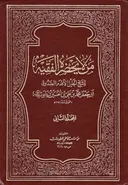
Book of Livelihood
Chapter on Debt and Loan
وَ رُوِيَ عَنْ بُرَيْدٍ اَلْعِجْلِيِّ قَالَ: قُلْتُ لِأَبِي عَبْدِ اَللَّهِ عَلَيْهِ اَلسَّلاَمُ إِنَّ عَلَيَّ دَيْناً لِأَيْتَامٍ وَ أَخَافُ إِنْ بِعْتُ ضَيْعَتِي بَقِيتُ وَ مَا لِيَ شَيْءٌ قَالَ "لاَ تَبِعْ ضَيْعَتَكَ وَ لَكِنْ أَعْطِ بَعْضاً وَ أَمْسِكْ بَعْضاً".
It is narrated from Burayd Al-Ijli who said: I said to Abu Abdillah (a.s), "I owe a debt to orphans, and I fear that if I sell my estate, I will be left with nothing." Imam (a.s) said: "Do not sell your estate; rather, give some and keep some."
وَ قَالَ اَلنَّبِيُّ صَلَّى اَللَّهُ عَلَيْهِ وَ آلِهِ: "لَيْسَ مِنْ غَرِيمٍ يَنْطَلِقُ مِنْ عِنْدِهِ غَرِيمُهُ رَاضِياً إِلاَّ صَلَّتْ عَلَيْهِ دَوَابُّ اَلْأَرْضِ وَ نُونُ اَلْبُحُورِ وَ لَيْسَ مِنْ غَرِيمٍ يَنْطَلِقُ صَاحِبُهُ غَضْبَانَ وَ هُوَ مَلِيٌّ إِلاَّ كَتَبَ اَللَّهُ عَزَّ وَ جَلَّ بِكُلِّ يَوْمِ يَحْبِسُهُ أَوْ لَيْلَةٍ ظُلْماً ".
The Prophet (peace be upon him and his family) said: "There is no debtor whose creditor leaves him satisfied except that the creatures of the earth and the fish in the seas pray for him. And there is no debtor whose creditor leaves him angry while he is capable of paying, except that Allah (swt), the Mighty and Exalted, records for him-each day or night that he withholds payment unjustly-a sin."
وَ رَوَى إِبْرَاهِيمُ بْنُ عَبْدِ اَلْحَمِيدِ عَنْ خَضِرِ بْنِ عَمْرٍو اَلنَّخَعِيِّ عَنْ أَبِي عَبْدِ اَللَّهِ عَلَيْهِ اَلسَّلاَمُ: فِي اَلرَّجُلِ يَكُونُ لَهُ عَلَى اَلرَّجُلِ مَالٌ فَيَجْحَدُهُ قَالَ "إِنِ اِسْتَحْلَفَهُ فَلَيْسَ لَهُ أَنْ يَأْخُذَ مِنْهُ بَعْدَ اَلْيَمِينِ شَيْئاً وَ إِنْ حَبَسَهُ فَلَيْسَ لَهُ أَنْ يَأْخُذَ مِنْهُ شَيْئاً وَ إِنْ تَرَكَهُ وَ لَمْ يَسْتَحْلِفْهُ فَهُوَ عَلَى حَقِّهِ".
Ibrahim ibn Abdul Hamid narrated from Khidr ibn Amr Al-Nakha'i, from Abu Abdillah (a.s) regarding a man who has money owed to him by another man, but the debtor denies it. Imam (a.s) said: "If he makes him swear an oath, then he has no right to take anything from him after the oath. And if he imprisons him, he has no right to take anything from him. But if he leaves him and does not make him swear, then his right remains intact."
وَ رَوَى عَلِيُّ بْنُ رِئَابٍ عَنْ سُلَيْمَانَ بْنِ خَالِدٍ قَالَ: سَأَلْتُ أَبَا عَبْدِ اَللَّهِ عَلَيْهِ اَلسَّلاَمُ عَنْ رَجُلٍ وَقَعَ لِي عِنْدَهُ مَالٌ فَكَابَرَنِي عَلَيْهِ وَ حَلَفَ ثُمَّ وَقَعَ لَهُ عِنْدِي مَالٌ أَ فَآخُذُهُ مَكَانَ مَالِيَ اَلَّذِي أَخَذَهُ وَ أَحْلِفُ عَلَيْهِ كَمَا صَنَعَ هُوَ فَقَالَ "إِنْ خَانَكَ فَلاَ تَخُنْهُ وَ لاَ تَدْخُلْ فِيمَا عِبْتَهُ عَلَيْهِ".
Ali ibn Ri'ab narrated from Sulayman ibn Khalid who said: I asked Abu Abdillah (a.s) about a man who owed me money but denied it and swore an oath. Then, some of his money came into my possession. Should I take it in place of what he took from me and swear an oath as he did? Imam (a.s) said: "If he has betrayed you, do not betray him, and do not commit what you criticized him for."
وَ رَوَى مُعَاوِيَةُ بْنُ عَمَّارٍ عَنْ أَبِي عَبْدِ اَللَّهِ عَلَيْهِ اَلسَّلاَمُ قَالَ: قُلْتُ لَهُ اَلرَّجُلُ يَكُونُ لِي عَلَيْهِ حَقٌّ فَيَجْحَدُنِيهِ ثُمَّ يَسْتَوْدِعُنِي مَالاً أَ لِي أَنْ آخُذَ مَالِي عِنْدَهُ قَالَ "لاَ هَذِهِ اَلْخِيَانَةُ".
Mu'awiyah ibn Ammar narrated from Abu Abdillah (a.s) who said: I said to him, "A man owes me a right but denies it, and then he entrusts me with some money. Is it permissible for me to take my due from it?" Imam (a.s) said: "No, that would be betrayal."
وَ رَوَى زَيْدٌ اَلشَّحَّامُ قَالَ قَالَ لِي أَبُو عَبْدِ اَللَّهِ عَلَيْهِ اَلسَّلاَمُ: "مَنِ اِئْتَمَنَكَ بِأَمَانَةٍ فَأَدِّهَا إِلَيْهِ وَ مَنْ خَانَكَ فَلاَ تَخُنْهُ".
Zayd Al-Shahham narrated that Abu Abdillah (a.s) said to me: "Whoever entrusts you with a trust, then return it to him. And whoever betrays you, do not betray him."
وَ رَوَى اَلْحَسَنُ بْنُ مَحْبُوبٍ عَنْ سَيْفِ بْنِ عَمِيرَةَ عَنْ أَبِي بَكْرٍ اَلْحَضْرَمِيِّ قَالَ: قُلْتُ لِأَبِي عَبْدِ اَللَّهِ عَلَيْهِ اَلسَّلاَمُ رَجُلٌ كَانَ لَهُ عَلَى رَجُلٍ مَالٌ فَجَحَدَهُ إِيَّاهُ وَ ذَهَبَ بِهِ مِنْهُ ثُمَّ صَارَ إِلَيْهِ بَعْدَ ذَلِكَ مِنْهُ لِلرَّجُلِ اَلَّذِي ذَهَبَ بِمَالِهِ مَالٌ مِثْلُهُ أَ يَأْخُذُهُ مَكَانَ مَالِهِ اَلَّذِي ذَهَبَ بِهِ مِنْهُ قَالَ "نَعَمْ يَقُولُ اَللَّهُمَّ إِنِّي إِنَّمَا آخُذُ هَذَا مَكَانَ مَالِيَ اَلَّذِي أَخَذَهُ مِنِّي ".
Al-Hasan ibn Mahbub narrated from Saif ibn Amirah, from Abu Bakr Al-Hadrami, who said: I said to Abu Abdillah (a.s), "A man had money owed to him by another man, but the debtor denied it and took it away from him. Later, the creditor gained possession of an equivalent amount belonging to the debtor. Can he take it in place of the money that was taken from him?" Imam (a.s) said: "Yes, and he should say, 'O Allah (swt), I am only taking this in place of my money that he took from me.'"
وَ - فِي خَبَرٍ آخَرَ لِيُونُسَ بْنِ عَبْدِ اَلرَّحْمَنِ عَنْ أَبِي بَكْرٍ اَلْحَضْرَمِيِّ مِثْلَهُ إِلاَّ أَنَّهُ قَالَ: يَقُولُ: " اَللَّهُمَّ إِنِّي لَمْ آخُذْ مَا أَخَذْتُ مِنْهُ خِيَانَةً وَ لاَ ظُلْماً وَ لَكِنِّي أَخَذْتُهُ مَكَانَ حَقِّي ".
And in another narration from Yunus ibn Abdul Rahman, from Abu Bakr Al-Hadrami, similar to the previous one, except that he said: He should say, "O Allah (swt), I did not take what I took from him as an act of betrayal or injustice, but I took it in place of my rightful due."
وَ - فِي خَبَرٍ آخَرَ: "إِنِ اِسْتَحْلَفَهُ عَلَى مَا أَخَذَ مِنْهُ فَجَائِزٌ لَهُ أَنْ يَحْلِفَ إِذَا قَالَ هَذِهِ اَلْكَلِمَةَ".
And in another narration: "If he makes him swear regarding what he took from him, then it is permissible for him to swear if he says this statement."
لِقَوْلِ اَلنَّبِيِّ صَلَّى اَللَّهُ عَلَيْهِ وَ آلِهِ: "مَنْ حَلَفَ بِاللَّهِ فَلْيَصْدُقْ وَ مَنْ حُلِفَ لَهُ بِاللَّهِ فَلْيَرْضَ وَ مَنْ لَمْ يَرْضَ فَلَيْسَ مِنَ اَللَّهِ فِي شَيْءٍ".
The Prophet (peace be upon him and his family) said: "Whoever swears by Allah (swt) should speak the truth, and whoever is sworn to by Allah (swt) should be satisfied. And whoever is not satisfied is not from Allah (swt) in any way."