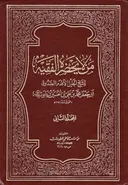
Book of Pilgrimage and Its Virtues
Chapter on Supplications Recommended for the Traveler Upon Departure
وَ رَوَى عَلِيُّ بْنُ أَسْبَاطٍ عَنْ أَبِي اَلْحَسَنِ اَلرِّضَا عَلَيْهِ اَلسَّلاَمُ قَالَ قَالَ لِي: «إِذَا خَرَجْتَ مِنْ مَنْزِلِكَ فِي سَفَرٍ أَوْ حَضَرٍ فَقُلْ: بِسْمِ اَللَّهِ آمَنْتُ بِاللَّهِ تَوَكَّلْتُ عَلَى اَللَّهِ مَا شَاءَ اَللَّهُ وَ لاَ حَوْلَ وَ لاَ قُوَّةَ إِلاَّ بِاللَّهِ فَتَلَقَّاهُ اَلشَّيَاطِينُ فَتَضْرِبُ اَلْمَلاَئِكَةُ وُجُوهَهَا وَ تَقُولُ مَا سَبِيلُكُمْ عَلَيْهِ وَ قَدْ سَمَّى اَللَّهَ عَزَّ وَ جَلَّ وَ آمَنَ بِهِ وَ تَوَكَّلَ عَلَى اَللَّهِ وَ قَالَ مَا شَاءَ اَللَّهُ لاَ حَوْلَ وَ لاَ قُوَّةَ إِلاَّ بِاللَّهِ ».
Ali ibn Asbat narrated from Imam Abu al-Hasan al-Ridha (a.s), who said: Imam (a.s) said to me: "When you leave your house, whether for travel or otherwise, say: 'In the name of Allah (swt), I believe in Allah (swt), I rely upon Allah (swt). Whatever Allah (swt) wills happens. There is no power and no strength except with Allah (swt).' The devils will then confront you, but the angels will strike their faces and say: 'What path do you have over someone who has mentioned Allah (swt), believed in Him, relied upon Him, and said, ‘Whatever Allah (swt) wills happens. There is no power and no strength except with Allah (swt)?'"
وَ رَوَى أَبُو بَصِيرٍ عَنْ أَبِي جَعْفَرٍ عَلَيْهِ اَلسَّلاَمُ قَالَ: «مَنْ قَالَ حِينَ يَخْرُجُ مِنْ بَابِ دَارِهِ أَعُوذُ بِاللَّهِ مِمَّا عَاذَتْ مِنْهُ مَلاَئِكَةُ اَللَّهِ مِنْ شَرِّ هَذَا اَلْيَوْمِ وَ مِنْ شَرِّ اَلشَّيَاطِينِ وَ مِنْ شَرِّ مَنْ نَصَبَ لِأَوْلِيَاءِ اَللَّهِ عَزَّ وَ جَلَّ وَ مِنْ شَرِّ اَلْجِنِّ وَ اَلْإِنْسِ وَ مِنْ شَرِّ اَلسِّبَاعِ وَ اَلْهَوَامِّ وَ مِنْ شَرِّ رُكُوبِ اَلْمَحَارِمِ كُلِّهَا أُجِيرُ نَفْسِي بِاللَّهِ مِنْ كُلِّ شَرٍّ غَفَرَ اَللَّهُ لَهُ وَ تَابَ عَلَيْهِ وَ كَفَاهُ اَلْمُهِمَّ وَ حَجَزَهُ عَنِ اَلسُّوءِ وَ عَصَمَهُ مِنَ اَلشَّرِّ».
Abu Basir narrated from Abu Ja‘far (a.s), who said: "Whoever says upon leaving the door of their house: 'I seek refuge in Allah (swt) from what the angels of Allah (swt) sought refuge from— from the evil of this day, from the evil of the devils, from the evil of those who oppose the friends of Allah (swt), the Mighty and Glorious, from the evil of jinn and humans, from the evil of wild beasts and harmful creatures, and from the evil of committing all forbidden acts. I entrust myself to Allah (swt) from every evil,' Allah (swt) will forgive them, accept their repentance, suffice them in their concerns, prevent harm from reaching them, and protect them from evil."
Book of Pilgrimage and Its Virtues
Chapter on Supplications at the Time of Mounting
كَانَ اَلصَّادِقُ عَلَيْهِ اَلسَّلاَمُ «إِذَا وَضَعَ رِجْلَهُ فِي اَلرِّكَابِ يَقُولُ: « سُبْحٰانَ اَلَّذِي سَخَّرَ لَنٰا هٰذٰا وَ مٰا كُنّٰا لَهُ مُقْرِنِينَ » وَ يُسَبِّحُ اَللَّهَ سَبْعاً وَ يُحَمِّدُ اَللَّهَ سَبْعاً وَ يُهَلِّلُ اَللَّهَ سَبْعاً».
When Imam Jafar ibn Muhammad Al-Sadiq (a.s) placed his foot in the stirrup, he would say: "Glory be to the One who has subjected this to us, and we could not have done so on our own." (Surah Az-Zukhruf 43:13) Imam (a.s) would then glorify Allah (swt) seven times, praise Allah (swt) seven times, and declare Allah’s (swt) oneness seven times.
وَ رُوِيَ عَنِ اَلْأَصْبَغِ بْنِ نُبَاتَةَ أَنَّهُ قَالَ: أَمْسَكْتُ لِأَمِيرِ اَلْمُؤْمِنِينَ عَلَيْهِ اَلسَّلاَمُ بِالرِّكَابِ وَ هُوَ يُرِيدُ أَنْ يَرْكَبَ فَرَفَعَ رَأْسَهُ ثُمَّ تَبَسَّمَ فَقُلْتُ يَا أَمِيرَ اَلْمُؤْمِنِينَ رَأَيْتُكَ رَفَعْتَ رَأْسَكَ وَ تَبَسَّمْتَ قَالَ «نَعَمْ يَا أَصْبَغُ أَمْسَكْتُ لِرَسُولِ اَللَّهِ صَلَّى اَللَّهُ عَلَيْهِ وَ آلِهِ كَمَا أَمْسَكْتَ لِي فَرَفَعَ رَأْسَهُ إِلَى اَلسَّمَاءِ وَ تَبَسَّمَ فَسَأَلْتُهُ كَمَا سَأَلْتَنِي وَ سَأُخْبِرُكَ كَمَا أَخْبَرَنِي أَمْسَكْتُ لِرَسُولِ اَللَّهِ صَلَّى اَللَّهُ عَلَيْهِ وَ آلِهِ اَلشَّهْبَاءَ فَرَفَعَ رَأْسَهُ إِلَى اَلسَّمَاءِ وَ تَبَسَّمَ فَقُلْتُ يَا رَسُولَ اَللَّهِ رَفَعْتَ رَأْسَكَ إِلَى اَلسَّمَاءِ وَ تَبَسَّمْتَ فَقَالَ «يَا عَلِيُّ إِنَّهُ لَيْسَ مِنْ أَحَدٍ يَرْكَبُ مَا أَنْعَمَ اَللَّهُ عَلَيْهِ ثُمَّ يَقْرَأُ آيَةَ اَلسُّخْرَةِ ثُمَّ يَقُولُ أَسْتَغْفِرُ اَللَّهَ اَلَّذِي «لاٰ إِلٰهَ إِلاّٰ هُوَ اَلْحَيُّ اَلْقَيُّومُ» وَ أَتُوبُ إِلَيْهِ اَللَّهُمَّ اِغْفِرْ لِي ذُنُوبِي فَإِنَّهُ لاَ يَغْفِرُ اَلذُّنُوبَ إِلاَّ أَنْتَ إِلاَّ قَالَ اَلسَّيِّدُ اَلْكَرِيمُ «يَا مَلاَئِكَتِي عَبْدِي يَعْلَمُ أَنَّهُ لاَ يَغْفِرُ اَلذُّنُوبَ غَيْرِي اِشْهَدُوا أَنِّي قَدْ غَفَرْتُ لَهُ ذُنُوبَهُ» ».
It is narrated from al-Asbagh ibn Nubata that he said: "I held the stirrup for Commander of the Faithful Imam Ali ibn Abi Talib (a.s) as he intended to mount. He raised his head and smiled. I said: 'O Amir al-Mu'minin, I saw you raise your head and smile.' Imam (a.s) replied: 'Yes, O Asbagh. I held the stirrup for the Messenger of Allah (swt) (peace and blessings of Allah (swt) be upon him and his family) just as you held it for me. He raised his head to the sky and smiled. I asked him just as you asked me, and I will tell you as he told me. I held the stirrup of the Messenger of Allah (swt) (peace and blessings of Allah (swt) be upon him and his family) as he was about to mount al-Shahba (his mount). He raised his head toward the sky and smiled. I said, "O Messenger of Allah (swt), you raised your head toward the sky and smiled." Prophet (saws) replied: "O Ali, whenever anyone mounts something Allah (swt) has blessed them with and then recites Ayat al-Sukhrah (the verse of subjugation: Surah Az-Zukhruf 43:13-14) and says; 'Astaghfirullah al-ladhi la ilaha illa Huwa al-Hayy al-Qayyum, wa atubu ilayh. Allahumma ighfir li dhunubi fa innahu la yaghfiru al-dhunuba illa Ant.' ‘O Allah (swt), I seek forgiveness from You, the One besides whom there is no deity, the Living, the Sustainer, and I repent to You. O Allah (swt), forgive my sins, for no one forgives sins except You’ Except that the Noble and Generous Lord (azj) says: 'O My angels, My servant knows that none forgives sins but Me. Bear witness that I have forgiven their sins.'""
Book of Pilgrimage and Its Virtues
Chapter on Remembering Allah (swt) and Supplicating During the Journey
رَوَى مُعَاوِيَةُ بْنِ عَمَّارٍ عَنْ أَبِي عَبْدِ اَللَّهِ عَلَيْهِ اَلسَّلاَمُ قَالَ: «كَانَ رَسُولُ اَللَّهِ صَلَّى اَللَّهُ عَلَيْهِ وَ آلِهِ فِي سَفَرِهِ إِذَا هَبَطَ سَبَّحَ وَ إِذَا صَعِدَ كَبَّرَ ».
Mu'awiyah ibn Ammar narrated from Abu Abdullah (a.s), who said: "When the Messenger of Allah (swt) (peace and blessings of Allah (swt) be upon him and his family) was on a journey, he would glorify Allah (swt) (say 'SubhanAllah (swt)') when descending and magnify Allah (swt) (say 'Allahu Akbar') when ascending."
وَ رَوَى اَلْعَلاَءُ عَنْ أَبِي عُبَيْدَةَ عَنْ أَحَدِهِمَا عَلَيْهِمَا اَلسَّلاَمُ قَالَ: «إِذَا كُنْتَ فِي سَفَرٍ فَقُلِ: اَللَّهُمَّ اِجْعَلْ مَسِيرِي عَبَراً وَ صَمْتِي تَفَكُّراً وَ كَلاَمِي ذِكْراً ».
Al-Ala’ narrated from Abu ‘Ubaydah, from one of the Imams (a.s), who said: "When you are on a journey, say: 'O Allah (swt), make my traveling a source of lessons, my silence a form of reflection, and my speech a means of remembrance.'"
وَ قَالَ رَسُولُ اَللَّهِ صَلَّى اَللَّهُ عَلَيْهِ وَ آلِهِ: «وَ اَلَّذِي نَفْسُ أَبِي اَلْقَاسِمِ بِيَدِهِ مَا هَلَّلَ اَللَّهَ مُهَلِّلٌ وَ لاَ كَبَّرَ اَللَّهَ مُكَبِّرٌ عَلَى شَرَفٍ مِنَ اَلْأَشْرَافِ إِلاَّ هَلَّلَ مَا خَلْفَهُ وَ كَبَّرَ مَا بَيْنَ يَدَيْهِ بِتَهْلِيلِهِ وَ تَكْبِيرِهِ حَتَّى يَبْلُغَ مَقْطَعَ اَلتُّرَابِ.
The Messenger of Allah (swt) (peace and blessings of Allah (swt) be upon him and his family) said: "By the One in whose hand is the soul of Abu al-Qasim, whenever someone glorifies Allah (swt) by saying 'La ilaha illa Allah (swt)' or magnifies Allah (swt) by saying 'Allahu Akbar' upon an elevated place, everything behind them glorifies and everything in front of them magnifies with their glorification and magnification, until it reaches the end of the soil."
Book of Pilgrimage and Its Virtues
Chapter on What is Obligatory for the Traveler on the Journey: Good Companionship, Suppressing Anger, Good Manners, Avoiding Harm, and Piety
رُوِيَ عَنْ أَبِي اَلرَّبِيعِ اَلشَّامِيِّ قَالَ: كُنَّا عِنْدَ أَبِي عَبْدِ اَللَّهِ عَلَيْهِ اَلسَّلاَمُ وَ اَلْبَيْتُ غَاصُّ بِأَهْلِهِ فَقَالَ «لَيْسَ مِنَّا مَنْ لَمْ يُحْسِنْ صُحْبَةَ مَنْ صَحِبَهُ وَ مُرَافَقَةَ مَنْ رَافَقَهُ وَ مُمَالَحَةَ مَنْ مَالَحَهُ وَ مُخَالَقَةَ مَنْ خَالَقَهُ.
It is narrated from Abu al-Rabi‘ al-Shami, who said: "We were with Abu Abdullah (a.s), and the house was crowded with people. Imam (a.s) said: 'Whoever does not deal kindly with those who accompany him, keep good company with those who travel with him, be courteous with those who share a meal with him, and display good character toward those who interact with him, is not from us.'"
وَ رَوَى صَفْوَانُ اَلْجَمَّالُ عَنْ أَبِي عَبْدِ اَللَّهِ عَلَيْهِ اَلسَّلاَمُ قَالَ كَانَ أَبِي عَلَيْهِ اَلسَّلاَمُ يَقُولُ: «مَا يُعْبَأُ بِمَنْ يَؤُمُّ هَذَا اَلْبَيْتَ إِذَا لَمْ يَكُنْ فِيهِ ثَلاَثُ خِصَالٍ خُلُقٌ يُخَالِقُ بِهِ مَنْ صَحِبَهُ وَ حِلْمٌ يَمْلِكُ بِهِ غَضَبَهُ وَ وَرَعٌ يَحْجُزُهُ عَنْ مَحَارِمِ اَللَّهِ عَزَّ وَ جَلَّ».
Safwan al-Jammal narrated from Abu Abdullah (a.s), who said: "My father (a.s) used to say: 'There is no regard for the one who visits this House (the Ka'bah) if they do not possess three qualities: good character to interact with those they accompany, forbearance to control their anger, and piety to refrain from what Allah (swt), the Mighty and Glorious, has forbidden.'"
وَ قَالَ اَلصَّادِقُ عَلَيْهِ اَلسَّلاَمُ: «لَيْسَ مِنَ اَلْمُرُوءَةِ أَنْ يُحَدِّثَ اَلرَّجُلُ بِمَا يَلْقَى فِي اَلسَّفَرِ مِنْ خَيْرٍ أَوْ شَرٍّ».
Imam Jafar ibn Muhammad Al-Sadiq (a.s) said: "It is not from dignity for a person to recount the good or bad experiences they encounter during a journey."