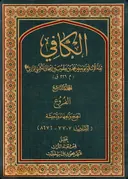
The Book - Garden (of Flowers)
If there things are found in a person, then there is no hope for goodness from him
عَلِيُّ بْنُ إِبْرَاهِيمَ عَنْ أَبِيهِ عَنْ عَلِيِّ بْنِ أَسْبَاطٍ عَنْ مَوْلًى لِبَنِي هَاشِمٍ عَنْ أَبِي عَبْدِ اللَّهِ (عليه السلام) قَالَ ثَلَاثٌ مَنْ كُنَّ فِيهِ فَلَا يُرْجَ خَيْرُهُ مَنْ لَمْ يَسْتَحِ مِنَ الْعَيْبِ وَ يَخْشَ اللَّهَ بِالْغَيْبِ وَ يَرْعَوِ عِنْدَ الشَّيْبِ.
271. Ali Bin Ibrahim, from his father, from Ali Bin Asbaat, from a slave of the Clan of Hashim (as), the following: Abu Abdullah (asws) has said: ‘Three things, which if they are in someone, so there is no hope of goodness from him – The one who is never ashamed of the faults, and (never) fears Allah (azwj) for the Hidden, and (never becomes) pious during old age’.
The Book - Garden (of Flowers)
If a respected person of a people comes to you
أَبُو عَلِيٍّ الْأَشْعَرِيُّ عَنْ مُحَمَّدِ بْنِ عَبْدِ الْجَبَّارِ عَنِ الْحَجَّالِ قَالَ قُلْتُ لِجَمِيلِ بْنِ دَرَّاجٍ قَالَ رَسُولُ اللَّهِ (صلى الله عليه وآله) إِذَا أَتَاكُمْ شَرِيفُ قَوْمٍ فَأَكْرِمُوهُ قَالَ نَعَمْ قُلْتُ لَهُ وَ مَا الشَّرِيفُ قَالَ قَدْ سَأَلْتُ أَبَا عَبْدِ اللَّهِ (عليه السلام) عَنْ ذَلِكَ فَقَالَ الشَّرِيفُ مَنْ كَانَ لَهُ مَالٌ قَالَ قُلْتُ فَمَا الْحَسِيبُ قَالَ الَّذِي يَفْعَلُ الْأَفْعَالَ الْحَسَنَةَ بِمَالِهِ وَ غَيْرِ مَالِهِ قُلْتُ فَمَا الْكَرَمُ قَالَ التَّقْوَى.
272. Abu Ali Al-Ashary, from Muhammad Bin Abdul Jabbaar, from Al-HajjaAl-who said: I said to Jameel Bin Darraaj, ‘The Rasool Allah (saww) said: ‘If a respectable person of a people comes, so be kind to him’. He said, ‘Yes’. I said to him, ‘And what is the respectable one?’ He said, ‘I had asked Abu Abdullah (asws) about that, so he (asws) said that the honourable one is the one who is wealthy’. I said, ‘So what is nobility?’ He (asws) said: ‘The one who acts goodly with his wealth and the wealth of others’. I said, ‘So what is the kindness?’ He (asws) said: ‘The piety’.
The Book - Garden (of Flowers)
More severe…is the poverty
عَلِيُّ بْنُ إِبْرَاهِيمَ عَنْ أَبِيهِ عَنِ النَّوْفَلِيِّ عَنِ السَّكُونِيِّ عَنْ أَبِي عَبْدِ اللَّهِ (عليه السلام) قَالَ قَالَ رَسُولُ اللَّهِ (صلى الله عليه وآله) مَا أَشَدَّ حُزْنَ النِّسَاءِ وَ أَبْعَدَ فِرَاقَ الْمَوْتِ وَ أَشَدُّ مِنْ ذَلِكَ كُلِّهِ فَقْرٌ يَتَمَلَّقُ صَاحِبُهُ ثُمَّ لَا يُعْطَى شَيْئاً.
273. Ali Bin Ibrahim, from his father, from Al-nawfaly, from Al-Sakuny, who has narrated the following: Abu Abdullah (asws) has said that the Rasool Allah (saww) said: ‘There is nothing more intense than the grief of a woman, nor anything more remote than the separation of the death, and more intense than all of that is poverty. One flatters his companion, who then does not give him anything’.
The Book - Garden (of Flowers)
Hadith of Yajuj and Majuj (Gog and Magog)
الْحُسَيْنُ بْنُ مُحَمَّدٍ الْأَشْعَرِيُّ عَنْ مُعَلَّى بْنِ مُحَمَّدٍ عَنْ أَحْمَدَ بْنِ مُحَمَّدِ بْنِ عَبْدِ اللَّهِ عَنِ الْعَبَّاسِ بْنِ الْعَلَاءِ عَنْ مُجَاهِدٍ عَنِ ابْنِ عَبَّاسٍ قَالَ سُئِلَ أَمِيرُ الْمُؤْمِنِينَ (عليه السلام) عَنِ الْخَلْقِ فَقَالَ خَلَقَ اللَّهُ أَلْفاً وَ مِائَتَيْنِ فِي الْبَرِّ وَ أَلْفاً وَ مِائَتَيْنِ فِي الْبَحْرِ وَ أَجْنَاسُ بَنِي آدَمَ سَبْعُونَ جِنْساً وَ النَّاسُ وُلْدُ آدَمَ مَا خَلَا يَأْجُوجَ وَ مَأْجُوجَ.
274. Al-Husayn Bin Muhammad Al-Ashary, from Moalla Bin Muhammad, from Ahmad Bin Muhammad Bin Abdullah, from Al-Abbas Bin Al-A’ala, from Mujahid, from Ibn Abbas who said: I asked Amir-ul-Momineen (asws) about the creatures’. He (asws) said: ‘Allah (azwj) Created one thousand two hundred (species) in the land, and one thousand two hundred (species) in the sea, and Made seventy species (races) of the Children of Adam (as), and the people are the Children of Adam (as), except for the ‘يَأْجُوجَ وَ مَأْجُوجَ’.
The Book - Garden (of Flowers)
Three levels of people
الْحُسَيْنُ بْنُ مُحَمَّدٍ الْأَشْعَرِيُّ عَنْ مُعَلَّى بْنِ مُحَمَّدٍ عَنِ الْحَسَنِ بْنِ عَلِيٍّ الْوَشَّاءِ عَنْ مُثَنًّى عَنْ أَبِي بَصِيرٍ عَنْ أَبِي عَبْدِ اللَّهِ (عليه السلام) قَالَ [إِنَّ] النَّاسَ طَبَقَاتٌ ثَلَاثٌ طَبَقَةٌ هُمْ مِنَّا وَ نَحْنُ مِنْهُمْ وَ طَبَقَةٌ يَتَزَيَّنُونَ بِنَا وَ طَبَقَةٌ يَأْكُلُ بَعْضُهُمْ بَعْضاً [بِنَا].
275. Al-Husayn Bin Muhammad Al-Ashary, from Moalla Bin Muhammad, from Al-Hassan Bin Ali Al-Washaa, from Musanna, from Abu Baseer, who has narrated the following: Abu Abdullah (asws) has said that: ‘The people are of three levels – A level who are from us (asws) and we (asws) are from them; and a level who adorn themselves by us (asws) (our (asws) name); and a level who eat each other by us (asws) (our (asws) name)’.
The Book - Garden (of Flowers)
Signs of relief
عَنْهُ عَنْ مُعَلًّى عَنِ الْوَشَّاءِ عَنْ عَبْدِ الْكَرِيمِ بْنِ عَمْرٍو عَنْ عَمَّارِ بْنِ مَرْوَانَ عَنِ الْفُضَيْلِ بْنِ يَسَارٍ قَالَ قَالَ أَبُو جَعْفَرٍ (عليه السلام) إِذَا رَأَيْتَ الْفَاقَةَ وَ الْحَاجَةَ قَدْ كَثُرَتْ وَ أَنْكَرَ النَّاسُ بَعْضُهُمْ بَعْضاً فَعِنْدَ ذَلِكَ فَانْتَظِرْ أَمْرَ اللَّهِ عَزَّ وَ جَلَّ قُلْتُ جُعِلْتُ فِدَاكَ هَذِهِ الْفَاقَةُ وَ الْحَاجَةُ قَدْ عَرَفْتُهُمَا فَمَا إِنْكَارُ النَّاسِ بَعْضُهُمْ بَعْضاً قَالَ يَأْتِي الرَّجُلُ مِنْكُمْ أَخَاهُ فَيَسْأَلُهُ الْحَاجَةَ فَيَنْظُرُ إِلَيْهِ بِغَيْرِ الْوَجْهِ الَّذِي كَانَ يَنْظُرُ إِلَيْهِ وَ يُكَلِّمُهُ بِغَيْرِ اللِّسَانِ الَّذِي كَانَ يُكَلِّمُهُ بِهِ.
276. From him, from Moalla, from Al-Washa, from Abdul Kareem Bin Amro, from Ammar Bin Marwaan, from Al-Fazeyl Bin Yasaar who said: Abu Ja’far (asws) said: ‘When you see that poverty and need has abounded (too much), and the people are denying each other, await the Command of Allah (azwj) Mighty and Majestic’. I said, ‘May I be sacrificed for you (asws), these two – poverty and need, I recognise them, so what is, ‘people denying each other’?’ He (asws) said: ‘A man from among you comes to his brother, so he asks him for his need, and he looks at him with a look with which he did not use to look at him before, and he speaks to him by a tongue (manner) in which he did not speak to him before’.
The Book - Garden (of Flowers)
Sustenance and dimwittedness
عِدَّةٌ مِنْ أَصْحَابِنَا عَنْ سَهْلِ بْنِ زِيَادٍ عَنْ أَحْمَدَ بْنِ مُحَمَّدِ بْنِ خَالِدٍ عَنْ مُحَمَّدِ بْنِ عَلِيٍّ عَنْ عُبَيْدِ بْنِ يَحْيَى عَنْ مُحَمَّدِ بْنِ الْحُسَيْنِ عَنْ عَلِيِّ بْنِ الْحُسَيْنِ عَنْ أَبِيهِ عَنْ جَدِّهِ قَالَ قَالَ أَمِيرُ الْمُؤْمِنِينَ (عليه السلام) وُكِّلَ الرِّزْقُ بِالْحُمْقِ وَ وُكِّلَ الْحِرْمَانُ بِالْعَقْلِ وَ وُكِّلَ الْبَلَاءُ بِالصَّبْرِ.
277. A number of our companions, from Sahl Bin Ziyad, from Ahmad Bin Muhammad Bin Khalid, from Muhammad Bin Ali, from Ubeyd Bin Yahya, from Muhammad Bin Al-Husayn, from Ali Bin Al-Husayn, from his father, from his grandfather who said: Amir-ul-Momineen (asws) said: ‘The sustenance is allocated to the foolishness, and the deprivation to the intellect, and the affliction to the patience’.
The Book - Garden (of Flowers)
The story of the brother of ‘Adhafir
عِدَّةٌ مِنْ أَصْحَابِنَا عَنْ سَهْلِ بْنِ زِيَادٍ عَنْ مُحَمَّدِ بْنِ عَبْدِ الْحَمِيدِ الْعَطَّارِ عَنْ يُونُسَ بْنِ يَعْقُوبَ عَنْ عُمَرَ أَخِي عُذَافِرٍ قَالَ دَفَعَ إِلَيَّ إِنْسَانٌ سِتَّمِائَةِ دِرْهَمٍ أَوْ سَبْعَمِائَةِ دِرْهَمٍ لِأَبِي عَبْدِ اللَّهِ (عليه السلام) فَكَانَتْ فِي جُوَالِقِي فَلَمَّا انْتَهَيْتُ إِلَى الْحَفِيرَةِ شُقَّ جُوَالِقِي وَ ذُهِبَ بِجَمِيعِ مَا فِيهِ وَ وَافَقْتُ عَامِلَ الْمَدِينَةِ بِهَا فَقَالَ أَنْتَ الَّذِي شُقَّتْ زَامِلَتُكَ وَ ذُهِبَ بِمَتَاعِكَ فَقُلْتُ نَعَمْ فَقَالَ إِذَا قَدِمْنَا الْمَدِينَةَ فَأْتِنَا حَتَّى أُعَوِّضَكَ قَالَ فَلَمَّا انْتَهَيْتُ إِلَى الْمَدِينَةِ دَخَلْتُ عَلَى أَبِي عَبْدِ اللَّهِ (عليه السلام) فَقَالَ يَا عُمَرُ شُقَّتْ زَامِلَتُكَ وَ ذُهِبَ بِمَتَاعِكَ فَقُلْتُ نَعَمْ فَقَالَ مَا أَعْطَاكَ اللَّهُ خَيْرٌ مِمَّا أُخِذَ مِنْكَ إِنَّ رَسُولَ اللَّهِ (صلى الله عليه وآله) ضَلَّتْ نَاقَتُهُ فَقَالَ النَّاسُ فِيهَا يُخْبِرُنَا عَنِ السَّمَاءِ وَ لَا يُخْبِرُنَا عَنْ نَاقَتِهِ فَهَبَطَ عَلَيْهِ جَبْرَئِيلُ (عليه السلام) فَقَالَ يَا مُحَمَّدُ نَاقَتُكَ فِي وَادِي كَذَا وَ كَذَا مَلْفُوفٌ خِطَامُهَا بِشَجَرَةِ كَذَا وَ كَذَا قَالَ فَصَعِدَ الْمِنْبَرَ فَحَمِدَ اللَّهَ وَ أَثْنَى عَلَيْهِ وَ قَالَ يَا أَيُّهَا النَّاسُ أَكْثَرْتُمْ عَلَيَّ فِي نَاقَتِي أَلَا وَ مَا أَعْطَانِي اللَّهُ خَيْرٌ مِمَّا أُخِذَ مِنِّي أَلَا وَ إِنَّ نَاقَتِي فِي وَادِي كَذَا وَ كَذَا مَلْفُوفٌ خِطَامُهَا بِشَجَرَةِ كَذَا وَ كَذَا فَابْتَدَرَهَا النَّاسُ فَوَجَدُوهَا كَمَا قَالَ رَسُولُ اللَّهِ (صلى الله عليه وآله) قَالَ ثُمَّ قَالَ ائْتِ عَامِلَ الْمَدِينَةِ فَتَنَجَّزْ مِنْهُ مَا وَعَدَكَ فَإِنَّمَا هُوَ شَيْءٌ دَعَاكَ اللَّهُ إِلَيْهِ لَمْ تَطْلُبْهُ مِنْهُ.
278. A number of our companions, from Sahl Bin Ziyad, from Muhammad Bin Abdul Hameed Al-Ataar, from Yunus Bin Yaqoub, from Umar the brother of Azaafir who said: A person handed over to me six or seven hundred Dirhams for Abu Abdullah (asws). So it was in my bag, When I arrived at Al-Hafeera, my bag had split and whatever was in it had gone. I got the officer in Al-Medina to concur with it. He said, ‘Are you the one whose bag split and your belongings were gone?’ I said, ‘Yes’. He said, ‘When you get to the city, come to us and we will compensate you’. So when I arrived at Al-Medina, I came up to Abu Abdullah (asws) who (asws) said, ‘O Umar, your bag was split and your belongings were gone?’ I said, ‘Yes’. He (asws) said: ‘What Allah (azwj) has Given you is better than what has been taken from you. The she-camel of the Rasool Allah (saww) got lost, so the people said regarding it, ‘He (saww) informs us about the sky and he (saww) cannot inform us about his (saww) she-camel’. Jibraeel descended and said: ‘O Muhammad (saww)! Your (saww) she-camel is in such and such a valley. Its bridle has been entangled with such and such a tree’. He (asws) said: ‘So he (saww) ascended the Pulpit. He (saww) Praised Allah (azwj) and Extolled Him (azwj) and said: ‘O you people! You spoke a great deal to me (saww) regarding my (saww) she-camel. Indeed! And what Allah (azwj) has Given me (saww) is better than what was taken from me (saww). Indeed! My (saww) she-camel is in such a such a valley. Its bridle has been entangled with such and such a tree’. So the people rushed towards it and found her as the Rasool Allah (saww) had said’. Then he (asws) said: ‘Go to the office bearer of Al-Medina and acquire from him what he has promised you, for it is something, which Allah (azwj) has Invited you to it. You never demanded it from him’.
The Book - Garden (of Flowers)
Explanation of the words of Abu Dharr
سَهْلٌ عَنْ مُحَمَّدِ بْنِ عَبْدِ الْحَمِيدِ عَنْ يُونُسَ عَنْ شُعَيْبٍ الْعَقَرْقُوفِيِّ قَالَ قُلْتُ لِأَبِي عَبْدِ اللَّهِ (عليه السلام) شَيْءٌ يُرْوَى عَنْ أَبِي ذَرٍّ رَضِيَ اللَّهُ عَنْهُ أَنَّهُ كَانَ يَقُولُ ثَلَاثٌ يُبْغِضُهَا النَّاسُ وَ أَنَا أُحِبُّهَا أُحِبُّ الْمَوْتَ وَ أُحِبُّ الْفَقْرَ وَ أُحِبُّ الْبَلَاءَ فَقَالَ إِنَّ هَذَا لَيْسَ عَلَى مَا يَرْوُونَ إِنَّمَا عَنَى الْمَوْتُ فِي طَاعَةِ اللَّهِ أَحَبُّ إِلَيَّ مِنَ الْحَيَاةِ فِي مَعْصِيَةِ اللَّهِ وَ الْبَلَاءُ فِي طَاعَةِ اللَّهِ أَحَبُّ إِلَيَّ مِنَ الصِّحَّةِ فِي مَعْصِيَةِ اللَّهِ وَ الْفَقْرُ فِي طَاعَةِ اللَّهِ أَحَبُّ إِلَيَّ مِنَ الْغِنَى فِي مَعْصِيَةِ اللَّهِ.
279. Sahl, from Muhammad Bin Abdul Hameed, from Yunus, from Shuayb Al-Aqarqufy who said: I said to Abu Abdullah (asws) something which had been reported from Abu Dharr (ar), that he (ar) had said, ‘Three things which the people hate but I (ar) love those. I (ar) love the death, and I (ar) love the poverty, and I (ar) love the afflictions’. So he (asws) said: ‘This is not as how they are reporting it. But, rather he (ar) meant, ‘The death in the obedience to Allah (azwj) is more beloved to me (ar) from the life in disobedience to Allah (azwj), and the afflictions in the obedience to Allah (azwj) is more beloved to me (ar) from the health in disobedience to Allah (azwj), and the poverty in obedience to Allah (azwj) is more beloved to me (ar) from the self-sufficiency in disobedience to Allah (azwj)’.
The Book - Garden (of Flowers)
The dream which the Messenger of Allah, Sallallahu ʿAlayhi waalihi saw
سَهْلُ بْنُ زِيَادٍ عَنْ مُحَمَّدِ بْنِ عَبْدِ الْحَمِيدِ عَنْ يُونُسَ عَنْ عَلِيِّ بْنِ عِيسَى الْقَمَّاطِ عَنْ عَمِّهِ قَالَ سَمِعْتُ أَبَا عَبْدِ اللَّهِ (عليه السلام) يَقُولُ هَبَطَ جَبْرَئِيلُ (عليه السلام) عَلَى رَسُولِ اللَّهِ (صلى الله عليه وآله) وَ رَسُولُ اللَّهِ (صلى الله عليه وآله) كَئِيبٌ حَزِينٌ فَقَالَ يَا رَسُولَ اللَّهِ مَا لِي أَرَاكَ كَئِيباً حَزِيناً فَقَالَ إِنِّي رَأَيْتُ اللَّيْلَةَ رُؤْيَا قَالَ وَ مَا الَّذِي رَأَيْتَ قَالَ رَأَيْتُ بَنِي أُمَيَّةَ يَصْعَدُونَ الْمَنَابِرَ وَ يَنْزِلُونَ مِنْهَا قَالَ وَ الَّذِي بَعَثَكَ بِالْحَقِّ نَبِيّاً مَا عَلِمْتُ بِشَيْءٍ مِنْ هَذَا وَ صَعِدَ جَبْرَئِيلُ (عليه السلام) إِلَى السَّمَاءِ ثُمَّ أَهْبَطَهُ اللَّهُ جَلَّ ذِكْرُهُ بِآيٍ مِنَ الْقُرْآنِ يُعَزِّيهِ بِهَا قَوْلِهِ أَ فَرَأَيْتَ إِنْ مَتَّعْناهُمْ سِنِينَ ثُمَّ جاءَهُمْ ما كانُوا يُوعَدُونَ ما أَغْنى عَنْهُمْ ما كانُوا يُمَتَّعُونَ وَ أَنْزَلَ اللَّهُ جَلَّ ذِكْرُهُ إِنَّا أَنْزَلْناهُ فِي لَيْلَةِ الْقَدْرِ وَ ما أَدْراكَ ما لَيْلَةُ الْقَدْرِ لَيْلَةُ الْقَدْرِ خَيْرٌ مِنْ أَلْفِ شَهْرٍ لِلْقَوْمِ فَجَعَلَ اللَّهُ عَزَّ وَ جَلَّ لَيْلَةَ الْقَدْرِ لِرَسُولِهِ خَيْراً مِنْ أَلْفِ شَهْر.
280. Sahl Bin Ziyad, from Muhammad Bin Abdul Hameed, from yunus, from Ali Bin Isa Al-Qammaat, from his uncle who said: I heard Abu Abdullah (asws) saying: ‘Jibraeel descended upon the Rasool Allah (saww) whilst the Rasool Allah (saww) was gloomy and sad. So he said; ‘O Rasool Allah (saww), what is it that I see you (saww) to be gloomy and sad?’ He (saww) said: ‘I (saww) had a dream last night’. He said: ‘And what is it that you (saww) saw?’ He (saww) said: ‘I (saww) saw the Clan of Umayya ascending the Pulpit and descending from it’. He said: ‘And by the One Who (azwj) Sent you (saww) as a Prophet (saww) with the Truth, I do not know anything about this’. And Jibraeel ascended to the sky, then Allah (azwj), Majestic is His (azwj) Mention, Made him descend with a Verse from the Quran to comfort him (saww) by: “[26:205] Have you then considered if We let them enjoy themselves for years, [26:206] Then there comes to them that with which they are threatened [26:207] That which they were made to enjoy shall not avail them?”. And Allah (azwj) Revealed: “[97:1] We have indeed revealed this (Message) in the Night of Power [97:2] And what will explain to thee what the night of power is? [97:3] The Night of Power is better than a thousand months”. So Allah (azwj) Made the Night of Power for His (azwj) Messenger (saww) to be better than a thousand months (of the Clan of Umayya)’.