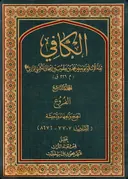
The Book of Drinks
Music and Singing
عَلِيُّ بْنُ إِبْرَاهِيمَ عَنْ أَبِيهِ عَنِ ابْنِ أَبِي عُمَيْرٍ عَنْ أَبِي أَيُّوبَ عَنْ مُحَمَّدِ بْنِ مُسْلِمٍ وَ أَبِي الصَّبَّاحِ الْكِنَانِيِّ عَنْ أَبِي عَبْدِ اللَّهِ ( عليه السلام ) فِي قَوْلِ اللَّهِ عَزَّ وَ جَلَّ وَ الَّذِينَ لا يَشْهَدُونَ الزُّورَ قَالَ هُوَ الْغِنَاءُ .
13. Ali ibn Ibrahim has narrated from his father from Ibn Abi ‘Umayr from abu Ayyub from Muhammad ibn Muslim and abu ai-Sabbah af-Kinaniy who has said the following: “About the meaning of the words of Allah, most Majestic, most Glorious, ‘. . . those who do not attend al-Zur . . .’ (25:72) abu ‘Abd Allah (a.s.), has said, ‘It is music (and singing).”’
عِدَّةٌ مِنْ أَصْحَابِنَا عَنْ أَحْمَدَ بْنِ مُحَمَّدِ بْنِ خَالِدٍ عَنْ عُثْمَانَ بْنِ عِيسَى عَنْ إِسْحَاقَ بْنِ جَرِيرٍ قَالَ سَمِعْتُ أَبَا عَبْدِ اللَّهِ ( عليه السلام ) يَقُولُ إِنَّ شَيْطَاناً يُقَالُ لَهُ الْقَفَنْدَرُ إِذَا ضُرِبَ فِي مَنْزِلِ رَجُلٍ أَرْبَعِينَ يَوْماً بِالْبَرْبَطِ وَ دَخَلَ عَلَيْهِ الرِّجَالُ وَضَعَ ذَلِكَ الشَّيْطَانُ كُلَّ عُضْوٍ مِنْهُ عَلَى مِثْلِهِ مِنْ صَاحِبِ الْبَيْتِ ثُمَّ نَفَخَ فِيهِ نَفْخَةً فَلَا يَغَارُ بَعْدَهَا حَتَّى تُؤْتَى نِسَاؤُهُ فَلَا يَغَارُ .
14. A number of our people have narrated from Ahmad ibn Muhammad ibn Khalid from ‘Uthman ibn ‘Isa from Ishaq ibn Jarir who has said the following: “I once heard abu ‘ Abd Allah (a.s.), saying, ‘There is Satan called al-Qafandar. If barbat (a musical instrument) is played in a house for forty days and men come to him then that Satan places every part of his (Satan’s) body on every part of the body of the owner of the house, then blows a blow; and thereafter he will not mind even if people go in on to his women.’”
مُحَمَّدُ بْنُ يَحْيَى عَنْ أَحْمَدَ بْنِ مُحَمَّدٍ عَنِ الْحُسَيْنِ بْنِ سَعِيدٍ عَنْ إِبْرَاهِيمَ بْنِ أَبِي الْبِلَادِ عَنْ زَيْدٍ الشَّحَّامِ قَالَ قَالَ أَبُو عَبْدِ اللَّهِ ( عليه السلام ) بَيْتُ الْغِنَاءِ لَا تُؤْمَنُ فِيهِ الْفَجِيعَةُ وَ لَا تُجَابُ فِيهِ الدَّعْوَةُ وَ لَا يَدْخُلُهُ الْمَلَكُ .
15. Muhammad ibn Yahya has narrated from Ahmad ibn Muhammad from al-Husayn ibn Sa‘id from Ibrahim ibn abu al-Balad from Zayd al-Shahham who has said the following: “Abu ‘Abd Allah (a.s.), has said, ‘The house of music (and singing) is not safe from tragedy, prayers are not accepted and angels do not enter in it.’”
عَلِيُّ بْنُ إِبْرَاهِيمَ عَنْ أَبِيهِ عَنِ ابْنِ أَبِي عُمَيْرٍ عَنْ مِهْرَانَ بْنِ مُحَمَّدٍ عَنِ الْحَسَنِ بْنِ هَارُونَ قَالَ سَمِعْتُ أَبَا عَبْدِ اللَّهِ ( عليه السلام ) يَقُولُ الْغِنَاءُ مَجْلِسٌ لَا يَنْظُرُ اللَّهُ إِلَى أَهْلِهِ وَ هُوَ مِمَّا قَالَ اللَّهُ عَزَّ وَ جَلَّ وَ مِنَ النَّاسِ مَنْ يَشْتَرِي لَهْوَ الْحَدِيثِ لِيُضِلَّ عَنْ سَبِيلِ اللَّهِ .
16. Ali ibn Ibrahim has narrated from his father from Ibn Abi ‘Umayr from Mehran ibn Muhammad from al-Hassan ibn Harun who has said the following: “I once heard abu ‘Abd Allah (a.s.), saying, ‘(The gathering for) music (and singing) is a gathering to the participant of which Allah does not look. Allah, most Majestic, most Glorious, has said, ‘There are people who pay for worthless tales (or activities) that deviates them from the path of Allah without their realizing such bad results...’ (31:6)”
سَهْلُ بْنُ زِيَادٍ عَنْ مُحَمَّدِ بْنِ عِيسَى أَوْ غَيْرِهِ عَنْ أَبِي دَاوُدَ الْمُسْتَرِقِّ قَالَ مَنْ ضُرِبَ فِي بَيْتِهِ بَرْبَطٌ أَرْبَعِينَ يَوْماً سَلَّطَ اللَّهُ عَلَيْهِ شَيْطَاناً يُقَالُ لَهُ الْقَفَنْدَرُ فَلَا يُبْقِي عُضْواً مِنْ أَعْضَائِهِ إِلَّا قَعَدَ عَلَيْهِ فَإِذَا كَانَ كَذَلِكَ نُزِعَ مِنْهُ الْحَيَاءُ وَ لَمْ يُبَالِ مَا قَالَ وَ لَا مَا قِيلَ فِيهِ .
17. Sahl ibn Ziyad has narrated from Muhammad ibn ‘Isa or others from abu Dawud al-Mustariq who has said the following: “He (the Imam) (a.s.), has said, ‘If barbat is played in one’s house for forty days Allah gives its control to a Satan called al-Qafandar who sits on every part of the body of the owner of the house. When this happens bashfulness (the sense to feel ashamed of one’s indecent acts) is taken away from him and he does not mind whatever he says or is said about him.’”
سَهْلٌ عَنْ إِبْرَاهِيمَ بْنِ مُحَمَّدٍ الْمَدِينِيِّ عَمَّنْ ذَكَرَهُ عَنْ أَبِي عَبْدِ اللَّهِ ( عليه السلام ) قَالَ سُئِلَ عَنِ الْغِنَاءِ وَ أَنَا حَاضِرٌ فَقَالَ لَا تَدْخُلُوا بُيُوتاً اللَّهُ مُعْرِضٌ عَنْ أَهْلِهَا .
18. Sahl ibn Ziyad has narrated from Ibrahim ibn Muhammad al-Madiniy from those whom he has mentioned who has said the following: “Once abu ‘Abd Allah (a.s.), was asked about music (and singing) when I was present. He (the Imam) said, ‘Do not enter the houses whose inhabitants Allah disregards.’”
عَنْهُ عَنْ يَاسِرٍ الْخَادِمِ عَنْ أَبِي الْحَسَنِ ( عليه السلام ) قَالَ مَنْ نَزَّهَ نَفْسَهُ عَنِ الْغِنَاءِ فَإِنَّ فِي الْجَنَّةِ شَجَرَةً يَأْمُرُ اللَّهُ عَزَّ وَ جَلَّ الرِّيَاحَ أَنْ تُحَرِّكَهَا فَيَسْمَعُ لَهَا صَوْتاً لَمْ يَسْمَعْ بِمِثْلِهِ وَ مَنْ لَمْ يَتَنَزَّهْ عَنْهُ لَمْ يَسْمَعْهُ .
19. It is narrated from the narrator of the previous Hadith from Yasir al-Khadim who has said the following: “Abu al-Hassan, al-Rida’ (a.s.), has said, ‘If one keeps his soul clean of al-Ghina’ (music (and singing)), Allah, most Majestic, most Glorious, commands the winds to move a tree in the garden (paradises). From this tree a sound is heard the like of which is never heard, and those who fail to keep their souls clean of al-Ghina’ (music (and singing)) will not be able to hear it.’”
عَنْهُ عَنْ عَلِيِّ بْنِ مَعْبَدٍ عَنِ الْحَسَنِ بْنِ عَلِيٍّ الْخَزَّازِ عَنْ عَلِيِّ بْنِ عَبْدِ الرَّحْمَنِ عَنْ كُلَيْبٍ الصَّيْدَاوِيِّ قَالَ سَمِعْتُ أَبَا عَبْدِ اللَّهِ ( عليه السلام ) يَقُولُ ضَرْبُ الْعِيدَانِ يُنْبِتُ النِّفَاقَ فِي الْقَلْبِ كَمَا يُنْبِتُ الْمَاءُ الْخُضْرَةَ .
20. It is narrated from the narrator of the previous Hadith from Ali ibn Ma‘bad from al-Hassan ibn Ali al-Khazzaz from Ali ibn ‘ Abd al- Rahman from Kulayb al-Saydawiy who has said the following: “I once heard abu ‘Abd Allah (a.s.), saying, ‘Playing ‘Ud (a certain musical instrument) grows hypocrisy just as water grows green plants.’”
عَنْهُ عَنْ أَحْمَدَ بْنِ يُوسُفَ بْنِ عَقِيلٍ عَنْ أَبِيهِ عَنْ مُوسَى بْنِ حَبِيبٍ عَنْ عَلِيِّ بْنِ الْحُسَيْنِ ( عليه السلام ) قَالَ لَا يُقَدِّسُ اللَّهُ أُمَّةً فِيهَا بَرْبَطٌ يُقَعْقِعُ وَ تَائِهٌ تُفَجِّعُ .
21. It is narrated from the narrator of the previous Hadith from Ahmad ibn Yusuf ibn ‘Aqil from his father from Musa ibn Habib who has said the following: “Ali ibn al-Husayn, ‘Alayhim al-Salam, has said, ‘Allah does not grant holiness to a nation in which barbat sounds and the (false) eulogies that cause pain.’”
مُحَمَّدُ بْنُ يَحْيَى عَنْ أَحْمَدَ بْنِ مُحَمَّدٍ عَنْ مُحَمَّدِ بْنِ سِنَانٍ عَنْ جَهْمِ بْنِ حُمَيْدٍ قَالَ قَالَ لِي أَبُو عَبْدِ اللَّهِ ( عليه السلام ) أَنَّى كُنْتَ فَظَنَنْتُ أَنَّهُ قَدْ عَرَفَ الْمَوْضِعَ فَقُلْتُ جُعِلْتُ فِدَاكَ إِنِّي كُنْتُ مَرَرْتُ بِفُلَانٍ فَاحْتَبَسَنِي فَدَخَلْتُ إِلَى دَارِهِ وَ نَظَرْتُ إِلَى جَوَارِيهِ فَقَالَ لِي ذَلِكَ مَجْلِسٌ لَا يَنْظُرُ اللَّهُ عَزَّ وَ جَلَّ إِلَى أَهْلِهِ أَمِنْتَ اللَّهَ عَزَّ وَ جَلَّ عَلَى أَهْلِكَ وَ مَالِكَ .
22. Muhammad ibn Yahya has narrated from Ahmad ibn Muhammad from Muhammad ibn Sinan from Jahm from Hamid who has said the following: “Abu ‘Abd Allah (a.s.), once asked me, ‘Where have you been?’ I then thought that he knows the place where I was. I then said, ‘I pray to Allah to keep my soul in service for your cause, I was passing by so and so and he kept me, I went in his house and looked at his slave-girls.’ He (the Imam) said, ‘That is such a gathering to the inhabitants of which Allah, most Majestic, most Glorious, does not look. Have you placed your family and assets in the trust of Allah, most Majestic, most Glorious?”’