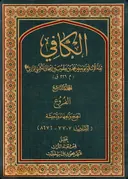
The Book of Marriage
Rare Ahadith
29- عَلِيُّ بْنُ إِبْرَاهِيمَ عَنْ هَارُونَ بْنِ مُسْلِمٍ عَنْ مَسْعَدَةَ بْنِ صَدَقَةَ عَنْ أَبِي عَبْدِ اللهِ (عَلَيْهِ السَّلام) قَالَ سَمِعْتُهُ يَقُولُ وَسُئِلَ عَنِ التَّزْوِيجِ فِي شَوَّالٍ فَقَالَ إِنَّ النَّبِيَّ (صَلَّى اللهُ عَلَيْهِ وَآلِه) تَزَوَّجَ بِعَائِشَةَ فِي شَوَّالٍ وَقَالَ إِنَّمَا كَرِهَ ذَلِكَ فِي شَوَّالٍ أَهْلُ الزَّمَنِ الأوَّلِ وَذَلِكَ أَنَّ الطَّاعُونَ كَانَ يَقَعُ فِيهِمْ فِي الأبْكَارِ وَالْمُمَلَّكَاتِ فَكَرِهُوهُ لِذَلِكَ لا لِغَيْرِهِ.
29. Ali ibn Ibrahim has narrated from Harun ibn Muslim from Mas’adah ibn Sadaqah who has said the following: “I once heard abu ‘Abd Allah (a.s.), saying, when he was asked about marriage in the month of Shawwal, ‘The Holy Prophet, O Allah, grant compensation to Muhammad and his family worthy of their services to Your cause, married ‘A’ishah in the month of Shawwal.’ He (the Imam) then said, ‘People of the earlier times considered marriage in the month of Shawwal as undesirable because plague occurred in virgins and slave-girls thus they disliked for this reason and not the other reasons.’”
30- مُحَمَّدُ بْنُ يَحْيَى عَنْ أَحْمَدَ بْنِ مُحَمَّدٍ عَنْ يَعْقُوبَ بْنِ يَزِيدَ عَنِ الْحُسَيْنِ بْنِ بَشَّارٍ الْوَاسِطِيِّ قَالَ كَتَبْتُ إِلَى أَبِي الْحَسَنِ الرِّضَا (عَلَيْهِ السَّلام) أَنَّ لِي قَرَابَةً قَدْ خَطَبَ إِلَيَّ وَفِي خُلُقِهِ شَيْءٌ فَقَالَ لا تُزَوِّجْهُ إِنْ كَانَ سَيِّئَ الْخُلُقِ.
30. Muhammad ibn Yahya has narrated from Ahmad ibn Muhammad from Ya’qub ibn Yazid from al-Husayn ibn Bashshar al-Wasitiy who has said the following: “I once wrote to abu al-Hassan al-Rida’ (a.s.), and asked, ‘One of my relatives has proposed for marriage but there is something in his moral manners. He (the Imam) said, ‘You must not give in marriage if his moral manners are bad/”
31- مُحَمَّدُ بْنُ يَحْيَى عَنْ عَبْدِ اللهِ بْنِ جَعْفَرٍ عَنْ مُحَمَّدِ بْنِ أَحْمَدَ بْنِ مُطَهَّرٍ قَالَ كَتَبْتُ إِلَى أَبِي الْحَسَنِ صَاحِبِ الْعَسْكَرِ (عَلَيْهِ السَّلام) أَنِّي تَزَوَّجْتُ بِأَرْبَعِ نِسْوَةٍ لَمْ أَسْأَلْ عَنْ أَسْمَائِهِنَّ ثُمَّ إِنِّي أَرَدْتُ طَلاقَ إِحْدَاهُنَّ وَتَزْوِيجَ امْرَأَةٍ أُخْرَى فَكَتَبَ انْظُرْ إِلَى عَلامَةٍ إِنْ كَانَتْ بِوَاحِدَةٍ مِنْهُنَّ فَتَقُولُ اشْهَدُوا أَنَّ فُلانَةَ الَّتِي بِهَا عَلامَةُ كَذَا وَكَذَا هِيَ طَالِقٌ ثُمَّ تَزَوَّجُ الأخْرَى إِذَا انْقَضَتِ الْعِدَّةُ.
31. Muhammad ibn Yahya has narrated from ‘Abd Allah ibn Ja’far from Muhammad ibn Ahmad ibn Mutahhar who has said the following: “I once wrote to abu al-Hassan Sahib al-‘Askar saying, ‘I have married four women and have not asked for their names. I want to divorce one of them and marry another woman. He (the Imam) wrote to me, ‘Look for a mark on any one of them and then say, ‘Bear witness that so and so who has such and such mark is divorced; then marry the other woman when waiting period is complete/”
32- مُحَمَّدُ بْنُ يَحْيَى رَفَعَهُ عَنْ أَبِي عَبْدِ اللهِ (عَلَيْهِ السَّلام) قَالَ قَالَ أَمِيرُ الْمُؤْمِنِينَ صَلَوَاتُ اللهِ وَسَلامُهُ عَلَيْهِ لا تَلِدُ الْمَرْأَةُ لأقَلَّ مِنْ سِتَّةِ أَشْهُرٍ.
32. Muhammad ibn Yahya in a marfu’ manner has narrated the following: Abu ‘Abd Allah (a.s.), has said that ’Amir al-Mu’minin has said, ‘A woman does not give birth before six months/”
33- مُحَمَّدُ بْنُ يَحْيَى عَنْ أَحْمَدَ بْنِ مُحَمَّدٍ عَنِ ابْنِ مَحْبُوبٍ عَنِ ابْنِ سِنَانٍ عَنْ أَبِي عَبْدِ اللهِ (عَلَيْهِ السَّلام) قَالَ مَا مِنْ مُؤْمِنَيْنِ يَجْتَمِعَانِ بِنِكَاحٍ حَلالٍ حَتَّى يُنَادِيَ مُنَادٍ مِنَ السَّمَاءِ إِنَّ اللهَ عَزَّ وَجَلَّ قَدْ زَوَّجَ فُلاناً فُلانَةَ وَقَالَ وَلا يَفْتَرِقُ زَوْجَانِ حَلالا حَتَّى يُنَادِيَ مُنَادٍ مِنَ السَّمَاءِ إِنَّ اللهَ قَدْ أَذِنَ فِي فِرَاقِ فُلانٍ وَفُلانَةَ.
33. Muhammad ibn Yahya has narrated from Ahmad ibn Muhammad from ibn Mahbub from ibn Sinan who has said the following: “Abu ‘Abd Allah (a.s.), has said, ‘When two believing people come together by means of lawful marriage a caller from the sky announces, ‘Allah, most Majestic, most Glorious, has given so and so in marriage to so and so, and when a wife and husband separate (divorce) in a lawful manner, a caller from the sky announces, ‘Allah has given permission to so and so wife and husband to separate (divorce) from each other/”
34- ابْنُ مَحْبُوبٍ عَنْ إِبْرَاهِيمَ الْكَرْخِيِّ قَالَ سَأَلْتُ أَبَا عَبْدِ اللهِ (عَلَيْهِ السَّلام) عَنْ رَجُلٍ لَهُ أَرْبَعُ نِسْوَةٍ فَهُوَ يَبِيتُ عِنْدَ ثَلاثٍ مِنْهُنَّ فِي لَيَالِيهِنَّ وَيَمَسُّهُنَّ فَإِذَا بَاتَ عِنْدَ الرَّابِعَةِ فِي لَيْلَتِهَا لَمْ يَمَسَّهَا فَهَلْ عَلَيْهِ فِي هَذَا إِثْمٌ فَقَالَ إِنَّمَا عَلَيْهِ أَنْ يَبِيتَ عِنْدَهَا فِي لَيْلَتِهَا وَيَظَلَّ عِنْدَهَا صَبِيحَتَهَا وَلَيْسَ عَلَيْهِ إِثْمٌ إِنْ لَمْ يُجَامِعْهَا إِذَا لَمْ يُرِدْ ذَلِكَ.
34. Ibn Mahbub has narrated from Ibrahim al-Karkhiy who has said the following: “This is concerning my question before abu ‘Abd Allah (a.s.), about the case of a man who has four wives and spends the night with three of them in their assigned time and touches them but during the night for the fourth one he does not touch her; if it is sinful for him. He (the Imam) said, ‘He must stay with her in her assigned night until the morning and it is not a sin if he did not touch her if he did not want it/”
35- عِدَّةٌ مِنْ أَصْحَابِنَا عَنْ أَحْمَدَ بْنِ مُحَمَّدِ بْنِ خَالِدٍ عَنْ عُثْمَانَ بْنِ عِيسَى عَنِ ابْنِ مُسْكَانَ رَفَعَهُ عَنْ أَبِي عَبْدِ اللهِ (عَلَيْهِ السَّلام) قَالَ إِنَّ اللهَ عَزَّ وَجَلَّ نَزَعَ الشَّهْوَةَ مِنْ نِسَاءِ بَنِي هَاشِمٍ وَجَعَلَهَا فِي رِجَالِهِمْ وَكَذَلِكَ فَعَلَ بِشِيعَتِهِمْ وَإِنَّ اللهَ عَزَّ وَجَلَّ نَزَعَ الشَّهْوَةَ مِنْ رِجَالِ بَنِي أُمَيَّةَ وَجَعَلَهَا فِي نِسَائِهِمْ وَكَذَلِكَ فَعَلَ بِشِيعَتِهِمْ.
35. A number of our people have narrated from Ahmad ibn Muhammad from ibn Khalid from ‘Uthman ibn ‘Isa from ibn Muskan in a marfu’ manner who has said the following: “Abu ‘Abd Allah (a.s.), has said, ‘Allah, most Majestic, most Glorious, has taken away lust from the women of banu Hashim and has placed it in their men and so also He has done with their followers. On the other hand Allah, most Majestic, most Glorious, has taken away lust from the men of banu ‘Umayyah and has placed it in their women and so also He has done to their followers/”
36- مُحَمَّدُ بْنُ يَحْيَى رَفَعَهُ قَالَ جَاءَ إِلَى النَّبِيِّ (صَلَّى اللهُ عَلَيْهِ وَآلِه) رَجُلٌ فَقَالَ يَا رَسُولَ اللهِ لَيْسَ عِنْدِي طَوْلٌ فَأَنْكِحَ النِّسَاءَ فَإِلَيْكَ أَشْكُو الْعُزُوبِيَّةَ فَقَالَ وَفِّرْ شَعْرَ جَسَدِكَ وَأَدِمِ الصِّيَامَ فَفَعَلَ فَذَهَبَ مَا بِهِ مِنَ الشَّبَقِ.
36. Muhammad ibn Yahya has narrated from in a marfu’ manner the following: “Once a man came to the Messenger of Allah, O Allah, grant compensation to Muhammad and his family worthy of their services to Your cause, and said, ‘O Messenger of Allah, I do not have the means to get married and I complain before you against living unmarried/ He (the Messenger of Allah), said, ‘Allow the hairs of your body to grow long and continue fasting/ He did as was told to do and the urge to satisfy his sexual desire vanished.”’
37- عِدَّةٌ مِنْ أَصْحَابِنَا عَنْ أَحْمَدَ بْنِ مُحَمَّدٍ عَنِ ابْنِ فَضَّالٍ عَنِ ابْنِ بُكَيْرٍ عَنْ مُحَمَّدِ بْنِ مُسْلِمٍ عَنْ أَبِي عَبْدِ اللهِ (عَلَيْهِ السَّلام) قَالَ مِنْ بَرَكَةِ الْمَرْأَةِ خِفَّةُ مَئُونَتِهَا وَتَيْسِيرُ وِلادَتِهَا وَمِنْ شُؤْمِهَا شِدَّةُ مَئُونَتِهَا وَتَعْسِيرُ وِلادَتِهَا.
37. A number of our people have narrated from Ahmad ibn Muhammad from ibn Faddal from ibn Bukayr from Muhammad ibn Muslim who has said the following: “Of the blessing of a woman is her being of light expenses and her giving birth with ease. Of the evil with her is intensified expenses and her giving birth with hardships and difficulties.’”
38- عَلِيُّ بْنُ إِبْرَاهِيمَ عَنْ أَبِيهِ عَنِ النَّوْفَلِيِّ عَنِ السَّكُونِيِّ عَنْ أَبِي عَبْدِ اللهِ (عَلَيْهِ السَّلام) قَالَ قَالَ رَسُولُ اللهِ (صَلَّى اللهُ عَلَيْهِ وَآلِه) إِذَا جَلَسَتِ الْمَرْأَةُ مَجْلِساً فَقَامَتْ عَنْهُ فَلا يَجْلِسُ فِي مَجْلِسِهَا رَجُلٌ حَتَّى يَبْرُدَ قَالَ وَسُئِلَ النَّبِيُّ (صَلَّى اللهُ عَلَيْهِ وَآلِه) مَا زِينَةُ الْمَرْأَةِ لِلأعْمَى قَالَ الطِّيبُ وَالْخِضَابُ فَإِنَّهُ مِنْ طِيبِ النَّسَمَةِ.
38. Ali ibn Ibrahim has narrated from his father from al-Nawfaliy from al-Sakuniy who has said the following: “Abu ‘Abd Allah (a.s.), has said that the Messenger of Allah, O Allah, grant compensation to Muhammad and his family worthy of their services to Your cause, has said, ‘A man must not sit in the seat of a woman who has just left it and it still has the warmth of her body.’ The Holy Prophet was asked about the beautification of a woman for a blind person. He (the Messenger of Allah) said, ‘It is perfumes and Henna because of the fineness of its whiff.’”