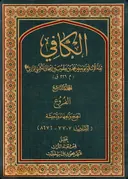
The Book of Belief and Disbelief
Evaluation of Deeds
16ـ عَلِيُّ بْنُ إِبْرَاهِيمَ عَنْ أَبِيهِ عَنِ ابْنِ مَحْبُوبٍ عَنْ إِبْرَاهِيمَ بْنِ مِهْزَمٍ عَنِ الْحَكَمِ بْنِ سَالِمٍ قَالَ دَخَلَ قَوْمٌ فَوَعَظَهُمْ ثُمَّ قَالَ مَا مِنْكُمْ مِنْ أَحَدٍ إِلا وَقَدْ عَايَنَ الْجَنَّةَ وَمَا فِيهَا وَعَايَنَ النَّارَ وَمَا فِيهَا إِنْ كُنْتُمْ تُصَدِّقُونَ بِالْكِتَابِ.
16. Ali ibn Ibrahim has narrated from his father from ibn Mahbub from Ibrahim ibn Mehzam from Hakam ibn Salim who has said the following: “Once a people came to the Imam (abu Ja’far or abu ‘Abd Allah (a.s.)) who granted them good advice and then said, ‘If you really affirm the Holy book there is no one among you who have not observed paradise and all that it contains or the fire with all that is in it.’”
17ـ عِدَّةٌ مِنْ أَصْحَابِنَا عَنْ أَحْمَدَ بْنِ مُحَمَّدِ بْنِ خَالِدٍ عَنْ عُثْمَانَ بْنِ عِيسَى عَنْ سَمَاعَةَ قَالَ سَمِعْتُ أَبَا الْحَسَنِ (عَلَيهِ السَّلام) يَقُولُ لا تَسْتَكْثِرُوا كَثِيرَ الْخَيْرِ وَتَسْتَقِلُّوا قَلِيلَ الذُّنُوبِ فَإِنَّ قَلِيلَ الذُّنُوبِ يَجْتَمِعُ حَتَّى يَصِيرَ كَثِيراً وَخَافُوا الله فِي السِّرِّ حَتَّى تُعْطُوا مِنْ أَنْفُسِكُمُ النَّصَفَ وَسَارِعُوا إِلَى طَاعَةِ الله وَاصْدُقُوا الْحَدِيثَ وَأَدُّوا الأمَانَةَ فَإِنَّمَا ذَلِكَ لَكُمْ وَلا تَدْخُلُوا فِيمَا لا يَحِلُّ لَكُمْ فَإِنَّمَا ذَلِكَ عَلَيْكُمْ.
17. A number of our people have narrated from Ahmad ibn Muhammad ibn Khalid from ‘Uthman ibn ‘Isa from Sama’a who has said the following: “I heard abu al-Hassan (a.s.) saying, ‘Do not consider a great deal of good deeds a great deal. Do not consider a little sin little; the little sins accumulate to become a great deal. Have fear of Allah in private so you can yield to justice against yourselves. Hurry up in obedience to Allah, be truthful in your words, keep the trust; it is for you. Do not be involved in what is not lawful to you; it is against you.’”
18ـ عَلِيُّ بْنُ إِبْرَاهِيمَ عَنْ أَبِيهِ عَنِ ابْنِ مَحْبُوبٍ عَنْ أَبِي أَيُّوبَ عَنْ مُحَمَّدِ بْنِ مُسْلِمٍ عَنْ أَبِي جَعْفَرٍ (عَلَيهِ السَّلام) قَالَ سَمِعْتُهُ يَقُولُ مَا أَحْسَنَ الْحَسَنَاتِ بَعْدَ السَّيِّئَاتِ وَمَا أَقْبَحَ السَّيِّئَاتِ بَعْدَ الْحَسَنَاتِ.
18. Ali ibn Ibrahim has narrated from his father from ibn Mahbub from abu Ayyub from Muhammad ibn Muslim who has said the following: “I heard abu Ja’far (a.s.) saying ‘How excellent are good deeds after evil deeds and how disgraceful are evil deeds after good deeds!”’
19ـ عِدَّةٌ مِنْ أَصْحَابِنَا عَنْ أَحْمَدَ بْنِ أَبِي عَبْدِ الله عَنِ ابْنِ فَضَّالٍ عَمَّنْ ذَكَرَهُ عَنْ أَبِي عَبْدِ الله (عَلَيهِ السَّلام) قَالَ إِنَّكُمْ فِي آجَالٍ مَقْبُوضَةٍ وَأَيَّامٍ مَعْدُودَةٍ وَالْمَوْتُ يَأْتِي بَغْتَةً مَنْ يَزْرَعْ خَيْراً يَحْصُدْ غِبْطَةً وَمَنْ يَزْرَعْ شَرّاً يَحْصِدْ نَدَامَةً وَلِكُلِّ زَارِعٍ مَا زَرَعَ وَلا يَسْبِقُ الْبَطِيءَ مِنْكُمْ حَظُّهُ وَلا يُدْرِكُ حَرِيصٌ مَا لَمْ يُقَدَّرْ لَهُ مَنْ أُعْطِيَ خَيْراً فَالله أَعْطَاهُ وَمَنْ وُقِيَ شَرّاً فَالله وَقَاهُ.
19. A number of our people have narrated from Ahmad ibn abu ‘Abd Allah from ibn Faddal from those whom has mentioned (in his book) from Abu ‘Abdillah (a.s.) who has said the following: “You live in a period of time that is continuously reduced and in calculated days. Death comes suddenly. Whoever sows goodness will harvest what is very much sought after. Whoever sows evil will harvest regret. Every farmer finds what he has planted. The sustenance of the slow moving ones among you will not move ahead of him and the greedy will not achieve what is not assigned for him. Whoever does good, Allah grants him good and whoever safeguards against evil, Allah protects him.”
20ـ مُحَمَّدُ بْنُ يَحْيَى عَنْ أَحْمَدَ بْنِ مُحَمَّدٍ عَنْ بَعْضِ أَصْحَابِهِ عَنِ الْحَسَنِ بْنِ عَلِيِّ بْنِ أَبِي عُثْمَانَ عَنْ وَاصِلٍ عَنْ عَبْدِ الله بْنِ سِنَانٍ عَنْ أَبِي عَبْدِ الله (عَلَيهِ السَّلام) قَالَ جَاءَ رَجُلٌ إِلَى أَبِي ذَرٍّ فَقَالَ يَا أَبَا ذَرٍّ مَا لَنَا نَكْرَهُ الْمَوْتَ فَقَالَ لأنَّكُمْ عَمَرْتُمُ الدُّنْيَا وَأَخْرَبْتُمُ الآخِرَةَ فَتَكْرَهُونَ أَنْ تُنْقَلُوا مِنْ عُمْرَانٍ إِلَى خَرَابٍ فَقَالَ لَهُ فَكَيْفَ تَرَى قُدُومَنَا عَلَى الله فَقَالَ أَمَّا الْمُحْسِنُ مِنْكُمْ فَكَالْغَائِبِ يَقْدَمُ عَلَى أَهْلِهِ وَأَمَّا الْمُسِيءُ مِنْكُمْ فَكَالآبِقِ يُرَدُّ عَلَى مَوْلاهُ قَالَ فَكَيْفَ تَرَى حَالَنَا عِنْدَ الله قَالَ اعْرِضُوا أَعْمَالَكُمْ عَلَى الْكِتَابِ إِنَّ الله يَقُولُ إِنَّ الأبْرارَ لَفِي نَعِيمٍ وَإِنَّ الْفُجَّارَ لَفِي جَحِيمٍ قَالَ فَقَالَ الرَّجُلُ فَأَيْنَ رَحْمَةُ الله قَالَ رَحْمَةُ الله قَرِيبٌ مِنَ الْمُحْسِنِينَ قَالَ أَبُو عَبْدِ الله (عَلَيهِ السَّلام) وَكَتَبَ رَجُلٌ إِلَى أَبِي ذَرٍّ رَضِيَ الله عَنْهُ يَا أَبَا ذَرٍّ أَطْرِفْنِي بِشَيْءٍ مِنَ الْعِلْمِ فَكَتَبَ إِلَيْهِ أَنَّ الْعِلْمَ كَثِيرٌ وَلَكِنْ إِنْ قَدَرْتَ أَنْ لا تُسِيءَ إِلَى مَنْ تُحِبُّهُ فَافْعَلْ قَالَ فَقَالَ لَهُ الرَّجُلُ وَهَلْ رَأَيْتَ أَحَداً يُسِيءُ إِلَى مَنْ يُحِبُّهُ فَقَالَ لَهُ نَعَمْ نَفْسُكَ أَحَبُّ الأنْفُسِ إِلَيْكَ فَإِذَا أَنْتَ عَصَيْتَ الله فَقَدْ أَسَأْتَ إِلَيْهَا.
20. Muhammad ibn Yahya has narrated from Ahmad ibn Muhammad from certain individuals of his people from al-Hassan ibn Ali ibn abu ‘Uthman from Wasil from ‘Abd Allah ibn Sinan from Abu ‘Abdillah (a.s.) who has said the following: “A man came to abu Dhar and asked, ‘O abu Dhar, why do we dislike death?’ He said, ‘It is because you have developed the world and destroyed the next life and you dislike moving from developed to that which is mined.’ The man asked, ‘How do you see our moving in the presence of Allah?’ He replied, ‘The people of good deeds among you will be like one coming home from a journey. The evil doers among you, however, will be like a runaway slave returned to his master.’ The man then asked, ‘How do you see our condition before Allah?’ He said, ‘Present your deeds before the book of Allah. Allah has said, ‘‘The virtuous ones will live in bounties and the evil doers will live in fire.” (82:14,15) The man than asked, ‘Where then is the mercy of Allah?’ He replied, ‘The mercy of Allah is very close to the people who do good deeds.’ “Abu ‘Abd Allah (a.s.) then said, ‘A man wrote to abu Dhar, may Allah be pleased with him, “O abu Dhar instruct me with a few things of knowledge.” He wrote back to him, ‘Knowledge is of many kinds, however, if you are able not to disappoint those whom you love, then do so. Yes, your soul is the most beloved to you. When you disobey Allah, you are doing bad and disappointing things to your own soul.’”
21ـ عِدَّةٌ مِنْ أَصْحَابِنَا عَنْ أَحْمَدَ بْنِ مُحَمَّدِ بْنِ خَالِدٍ عَنْ عُثْمَانَ بْنِ عِيسَى عَنْ سَمَاعَةَ عَنْ أَبِي عَبْدِ الله (عَلَيهِ السَّلام) قَالَ سَمِعْتُهُ يَقُولُ اصْبِرُوا عَلَى طَاعَةِ الله وَتَصَبَّرُوا عَنْ مَعْصِيَةِ الله فَإِنَّمَا الدُّنْيَا سَاعَةٌ فَمَا مَضَى فَلَيْسَ تَجِدُ لَهُ سُرُوراً وَلا حُزْناً وَمَا لَمْ يَأْتِ فَلَيْسَ تَعْرِفُهُ فَاصْبِرْ عَلَى تِلْكَ السَّاعَةِ الَّتِي أَنْتَ فِيهَا فَكَأَنَّكَ قَدِ اغْتَبَطْتَ.
21. A number of our people have narrated from Ahmad ibn Muhammad ibn Khalid from ‘Uthman ibn ‘Isa from Sama’a from Abu ‘Abdillah (a.s.) who has said the following: “I heard Abu ‘Abdillah (a.s.) saying, ‘Exercise patience in the act of obedience to Allah and dictate yourselves with patience in the matters of disobeying Allah. The world is one hour. What is passed its joys and sadness do not renew. What has not yet arrived, you do not know it. Bear patience in the hour in which you live, your condition will be the one very much sought after.”
22ـ عَلِيُّ بْنُ إِبْرَاهِيمَ عَنْ مُحَمَّدِ بْنِ عِيسَى عَنْ يُونُسَ عَنْ رَجُلٍ عَنْ أَبِي عَبْدِ الله (عَلَيهِ السَّلام) قَالَ قَالَ الْخَضِرُ لِمُوسَى (عَلَيهِ السَّلام) يَا مُوسَى إِنَّ أَصْلَحَ يَوْمَيْكَ الَّذِي هُوَ أَمَامَكَ فَانْظُرْ أَيُّ يَوْمٍ هُوَ وَأَعِدَّ لَهُ الْجَوَابَ فَإِنَّكَ مَوْقُوفٌ وَمَسْئُولٌ وَخُذْ مَوْعِظَتَكَ مِنَ الدَّهْرِ فَإِنَّ الدَّهْرَ طَوِيلٌ قَصِيرٌ فَاعْمَلْ كَأَنَّكَ تَرَى ثَوَابَ عَمَلِكَ لِيَكُونَ أَطْمَعَ لَكَ فِي الآخِرَةِ فَإِنَّ مَا هُوَ آتٍ مِنَ الدُّنْيَا كَمَا هُوَ قَدْ وَلَّى مِنْهَا.
22. Ali ibn Ibrahim has narrated from Muhammad ibn ‘Isa from Yunus from a man from Abu ‘Abdillah (a.s.) who has said the following: “Al-Khidr said to Moses, peace be upon him, ‘O Moses, the best of your two days is the one before you. Consider which one it is. Then prepare the answer for it. You will be stopped for questioning. Learn your lessons from time. Time is long and also (in certain cases) short. Act as if you see the reward for your deeds so it may seem attractive due to its rewards. Anything that comes from the world is like going away from one.’”
23ـ عِدَّةٌ مِنْ أَصْحَابِنَا عَنْ سَهْلِ بْنِ زِيَادٍ عَنْ يَعْقُوبَ بْنِ يَزِيدَ عَمَّنْ ذَكَرَهُ عَنْ أَبِي عَبْدِ الله (عَلَيهِ السَّلام) قَالَ قِيلَ لأمِيرِ الْمُؤْمِنِينَ (عَلَيهِ السَّلام) عِظْنَا وَأَوْجِزْ فَقَالَ الدُّنْيَا حَلالُهَا حِسَابٌ وَحَرَامُهَا عِقَابٌ وَأَنَّى لَكُمْ بِالرَّوْحِ وَلَمَّا تَأَسَّوْا بِسُنَّةِ نَبِيِّكُمْ تَطْلُبُونَ مَا يُطْغِيكُمْ وَلا تَرْضَوْنَ مَا يَكْفِيكُمْ.
23. A number of our people have narrated from Sahl ibn Ziyad from Ya’qub ibn Yazid from those whom has mentioned (in his book) from Abu ‘Abdillah (a.s.) who has said the following: “It was said to Amir al-Mu’minin, Ali ibn abu Talib (a.s.) ‘Instinct us briefly with good advice.’ He then said, ‘For the lawful things of the world there is accountability and for the unlawful things of the world there is torment. How can you have comfort without following the traditions of your prophet? You seek what takes you to transgression and you do not agree with what is sufficient for you.’”
The Book of Belief and Disbelief
Those who Find Fault in People
1ـ عَلِيُّ بْنُ إِبْرَاهِيمَ عَنْ أَبِيهِ وَعِدَّةٌ مِنْ أَصْحَابِنَا عَنْ سَهْلِ بْنِ زِيَادٍ جَمِيعاً عَنِ ابْنِ أَبِي نَجْرَانَ عَنْ عَاصِمِ بْنِ حُمَيْدٍ عَنْ أَبِي حَمْزَةَ الثُّمَالِيِّ عَنْ أَبِي جَعْفَرٍ (عَلَيهِ السَّلام) قَالَ إِنَّ أَسْرَعَ الْخَيْرِ ثَوَاباً الْبِرُّ وَإِنَّ أَسْرَعَ الشَّرِّ عُقُوبَةً الْبَغْيُ وَكَفَى بِالْمَرْءِ عَيْباً أَنْ يُبْصِرَ مِنَ النَّاسِ مَا يَعْمَى عَنْهُ مِنْ نَفْسِهِ أَوْ يُعَيِّرَ النَّاسَ بِمَا لا يَسْتَطِيعُ تَرْكَهُ أَوْ يُؤْذِيَ جَلِيسَهُ بِمَا لا يَعْنِيهِ.
1. Ali ibn Ibrahim has narrated from his father and A number of our people have narrated from Sahl ibn Ziyad all from ibn abu Najran from ‘Asim ibn Humayd from abu Hamza al-Thumali from abu Ja’far (a.s.) who has said the following: “Of good deeds the quickest to bring rewards is benevolence. Of evil deeds the quickest to bring misfortune is transgression. It is enough defect for a man to find fault with others and turn a blind eye toward himself or blame people for what he himself is not able to avoid or cause suffering to one’s associates for no good reason.”
2ـ مُحَمَّدُ بْنُ يَحْيَى عَنْ أَحْمَدَ بْنِ مُحَمَّدِ بْنِ عِيسَى عَنْ عَلِيِّ بْنِ النُّعْمَانِ عَنِ ابْنِ مُسْكَانَ عَنْ أَبِي حَمْزَةَ قَالَ سَمِعْتُ عَلِيَّ بْنَ الْحُسَيْنِ (عَلَيهِما السَّلام) يَقُولُ قَالَ رَسُولُ الله (صَلَّى اللهُ عَلَيْهِ وآلِه) كَفَى بِالْمَرْءِ عَيْباً أَنْ يُبْصِرَ مِنَ النَّاسِ مَا يَعْمَى عَلَيْهِ مِنْ نَفْسِهِ وَأَنْ يُؤْذِيَ جَلِيسَهُ بِمَا لا يَعْنِيهِ.
2. Muhammad ibn Yahya has narrated from Ahmad ibn Muhammad ibn ‘Isa from Ali ibn al-Nu’man from ibn Muskan from abu Hamza who has said the following: “I heard Ali ibn al-Husayn (a.s.) saying, ‘The Messenger of Allah has said, “It is enough fault in a man to find fault in people but turn a blind eye to the same that is in his own soul and to hurt his companion for no reason.’”