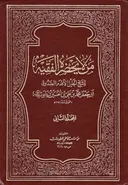
Book of Divorce (Talaq)
Chapter on the Divorce by a Sick Person
رَوَى عَبْدُ اَللَّهِ بْنُ مُسْكَانَ عَنْ فَضْلِ بْنِ عَبْدِ اَلْمَلِكِ اَلْبَقْبَاقِ قَالَ: سَأَلْتُ أَبَا عَبْدِ اَللَّهِ عَلَيْهِ اَلسَّلاَمُ عَنْ رَجُلٍ طَلَّقَ اِمْرَأَتَهُ وَ هُوَ مَرِيضٌ فَقَالَ "تَرِثُهُ فِي مَرَضِهِ مَا بَيْنَهُ وَ بَيْنَ سَنَةٍ إِنْ مَاتَ مِنْ مَرَضِهِ ذَلِكَ وَ تَعْتَدُّ مِنْ يَوْمَ طَلَّقَهَا عِدَّةَ اَلْمُطَلَّقَةِ ثُمَّ تَتَزَوَّجُ إِذَا اِنْقَضَتْ عِدَّتُهَا وَ تَرِثُهُ مَا بَيْنَهَا وَ بَيْنَ سَنَةٍ إِنْ مَاتَ فِي مَرَضِهِ ذَلِكَ فَإِنْ مَاتَ بَعْدَ مَا تَمْضِي سَنَةٌ فَلَيْسَ لَهَا مِيرَاثٌ ".
Abdullah ibn Miskan narrated from Faḍl ibn ʿAbd al-Malik al-Baqbaq who said: I asked Abu Abdullah (a.s) about a man who divorced his wife while he was ill. Imam (a.s) said: "She inherits from him during his illness for up to a year if he dies from that illness. She observes the waiting period ('iddah) from the day he divorced her, following the waiting period of a divorced woman. After her waiting period ends, she may remarry. However, she will inherit from him within the span of a year if he dies from that illness. If he dies after a year has passed, then she has no right to inheritance."
وَ رَوَى اَلْحَسَنُ بْنُ مَحْبُوبٍ عَنِ اِبْنِ بُكَيْرٍ عَنْ عُبَيْدِ بْنِ زُرَارَةَ قَالَ: سَأَلْتُ أَبَا عَبْدِ اَللَّهِ عَلَيْهِ اَلسَّلاَمُ عَنِ اَلْمَرِيضِ يُطَلِّقُ اِمْرَأَتَهُ فِي تِلْكَ اَلْحَالِ قَالَ "لاَ وَ لَكِنْ لَهُ أَنْ يَتَزَوَّجَ إِنْ شَاءَ فَإِنْ دَخَلَ بِهَا وَرِثَتْهُ وَ إِنْ لَمْ يَدْخُلْ بِهَا فَنِكَاحُهُ بَاطِلٌ".
Al-Ḥasan ibn Maḥbub narrated from Ibn Bukayr from ʿUbayd ibn Zurarah who said: I asked Abu Abdullah (a.s) about a sick man who divorces his wife in that state (of illness). Imam (a.s) said: "No, but he may marry if he wishes. If he consummates the marriage, she will inherit from him. However, if he does not consummate the marriage, then his marriage is invalid."
وَ رَوَى اَلْحَسَنُ بْنُ مَحْبُوبٍ عَنْ رَبِيعٍ اَلْأَصَمِّ عَنْ أَبِي عُبَيْدَةَ اَلْحَذَّاءِ وَ مَالِكِ بْنِ عَطِيَّةَ كِلاَهُمَا عَنْ مُحَمَّدِ بْنِ عَلِيٍّ عَلَيْهِ اَلسَّلاَمُ قَالَ: "إِذَا طَلَّقَ اَلرَّجُلُ اِمْرَأَتَهُ تَطْلِيقَةً فِي مَرَضِهِ ثُمَّ مَكَثَ فِي مَرَضِهِ حَتَّى اِنْقَضَتْ عِدَّتُهَا ثُمَّ مَاتَ فِي ذَلِكَ اَلْمَرَضِ بَعْدَ اِنْقِضَاءِ اَلْعِدَّةِ فَإِنَّهَا تَرِثُهُ مَا لَمْ تَتَزَوَّجْ فَإِذَا كَانَتْ تَزَوَّجَتْ بَعْدَ اِنْقِضَاءِ اَلْعِدَّةِ فَإِنَّهَا لاَ تَرِثُهُ ".
Al-Ḥasan ibn Maḥbub narrated from Rabiʿ al-Aṣamm from Abu ʿUbaydah al-Ḥadhdhaʾ and Malik ibn ʿAṭiyyah, both from Imam Muhammad ibn Ali Al-Baqir (a.s), who said: "If a man divorces his wife with one divorce during his illness and remains in his illness until her waiting period ends, and then he dies from that illness after the completion of her waiting period, she will inherit from him as long as she has not remarried. However, if she marries after the completion of her waiting period, then she does not inherit from him."
وَ فِي رِوَايَةِ سَمَاعَةَ قَالَ: سَأَلْتُهُ عَنْ رَجُلٍ طَلَّقَ اِمْرَأَتَهُ ثُمَّ إِنَّهُ مَاتَ قَبْلَ أَنْ تَنْقَضِيَ عِدَّتُهَا قَالَ "تَعْتَدُّ عِدَّةَ اَلْمُتَوَفَّى عَنْهَا زَوْجُهَا وَ لَهَا اَلْمِيرَاثُ".
In a narration from Samaʿah, he said: I asked him about a man who divorced his wife, and then he died before her waiting period had ended. Imam (a.s) said: "She must observe the waiting period of a woman whose husband has passed away, and she is entitled to inherit from him."
وَ فِي رِوَايَةِ اِبْنِ أَبِي عُمَيْرٍ عَنْ أَبَانٍ أَنَّ أَبَا عَبْدِ اَللَّهِ عَلَيْهِ اَلسَّلاَمُ قَالَ: "فِي رَجُلٍ طَلَّقَ تَطْلِيقَتَيْنِ فِي صِحَّةٍ ثُمَّ طَلَّقَ اَلتَّطْلِيقَةَ اَلثَّالِثَةَ وَ هُوَ مَرِيضٌ إِنَّهَا تَرِثُهُ مَا دَامَ فِي مَرَضِهِ وَ إِنْ كَانَ إِلَى سَنَةٍ ".
In a narration from Ibn Abi Umair through Aban, it is reported that Abu Abdullah (a.s) said: "Regarding a man who divorced his wife twice while in good health and then pronounced the third divorce while he was ill, she is entitled to inherit from him as long as he remains in his illness, even if it extends up to a year."
وَ فِي رِوَايَةِ اِبْنِ بُكَيْرٍ عَنْ زُرَارَةَ عَنْ أَبِي عَبْدِ اَللَّهِ عَلَيْهِ اَلسَّلاَمُ قَالَ: "لَيْسَ لِلْمَرِيضِ أَنْ يُطَلِّقَ اِمْرَأَتَهُ وَ لَهُ أَنْ يَتَزَوَّجَ".
In a narration from Ibn Bukayr through Zurara, it is reported that Abu Abdullah (a.s) said: "A sick man does not have the right to divorce his wife, but he is permitted to marry."
وَ فِي رِوَايَةِ زُرْعَةَ عَنْ سَمَاعَةَ قَالَ: سَأَلْتُهُ عَنْ رَجُلٍ طَلَّقَ اِمْرَأَتَهُ وَ هُوَ مَرِيضٌ فَقَالَ "تَرِثُهُ مَا دَامَتْ فِي عِدَّتِهَا فَإِنْ طَلَّقَهَا فِي حَالِ اَلْإِضْرَارِ فَهِيَ تَرِثُهُ إِلَى سَنَةٍ وَ إِنْ زَادَ عَلَى اَلسَّنَةِ فِي عِدَّتِهَا يَوْمٌ وَاحِدٌ لَمْ تَرِثْهُ".
In a narration from Zurah through Samaah, it is reported that he asked about a man who divorced his wife while he was ill. Imam (a.s) replied: "She inherits from him as long as she is in her waiting period (iddah). However, if he divorced her with the intention of causing harm, she will inherit from him for up to one year. But if her waiting period extends even one day beyond that year, she will not inherit from him."
وَ رَوَى حَمَّادٌ عَنِ اَلْحَلَبِيِّ عَنْ أَبِي عَبْدِ اَللَّهِ عَلَيْهِ اَلسَّلاَمُ: أَنَّهُ سُئِلَ عَنِ اَلرَّجُلِ يَحْضُرُهُ اَلْمَوْتُ فَيُطَلِّقُ اِمْرَأَتَهُ هَلْ يَجُوزُ طَلاَقُهُ قَالَ "نَعَمْ وَ إِنْ مَاتَ وَرِثَتْهُ وَ إِنْ مَاتَتْ لَمْ يَرِثْهَا".
In a narration from Hammad through Al-Halabi, it is reported that Abu Abdullah (a.s) was asked about a man who was on his deathbed and divorced his wife. He was asked whether such a divorce was permissible. Imam (a.s) replied: "Yes, it is permissible. If he dies, she will inherit from him, but if she dies, he will not inherit from her."
Book of Divorce (Talaq)
Chapter on the Divorce of a Missing Person
رَوَى عُمَرُ بْنُ أُذَيْنَةَ عَنْ بُرَيْدِ بْنِ مُعَاوِيَةَ قَالَ: سَأَلْتُ أَبَا عَبْدِ اَللَّهِ عَلَيْهِ اَلسَّلاَمُ عَنِ اَلْمَفْقُودِ كَيْفَ تَصْنَعُ اِمْرَأَتُهُ قَالَ "مَا سَكَتَتْ عَنْهُ وَ صَبَرَتْ يُخَلَّى عَنْهَا وَ إِنْ هِيَ رَفَعَتْ أَمْرَهَا إِلَى اَلْوَالِي أَجَّلَهَا أَرْبَعَ سِنِينَ ثُمَّ يَكْتُبُ إِلَى اَلصُّقْعِ اَلَّذِي فُقِدَ فِيهِ فَيُسْأَلُ عَنْهُ فَإِنْ خُبِّرَ عَنْهُ بِحَيَاةٍ صَبَرَتْ وَ إِنْ لَمْ يُخْبَرْ عَنْهُ بِحَيَاةٍ حَتَّى تَمْضِيَ اَلْأَرْبَعُ سِنِينَ، دُعِيَ وَلِيُّ اَلزَّوْجِ اَلْمَفْقُودِ فَقِيلَ لَهُ هَلْ لِلْمَفْقُودِ مَالٌ فَإِنْ كَانَ لَهُ مَالٌ أُنْفِقَ عَلَيْهَا حَتَّى تُعْلَمَ حَيَاتُهُ مِنْ مَوْتِهِ وَ إِنْ لَمْ يَكُنْ لَهُ مَالٌ قِيلَ لِلْوَلِيِّ أَنْفِقْ عَلَيْهَا فَإِنْ فَعَلَ فَلاَ سَبِيلَ لَهَا إِلَى أَنْ تَتَزَوَّجَ مَا أَنْفَقَ عَلَيْهَا وَ إِنْ أَبَى أَنْ يُنْفِقَ عَلَيْهَا أَجْبَرَهُ اَلْوَالِي عَلَى أَنْ يُطَلِّقَ تَطْلِيقَةً فِي اِسْتِقْبَالِ اَلْعِدَّةِ وَ هِيَ طَاهِرٌ فَيَصِيرُ طَلاَقُ اَلْوَلِيِّ طَلاَقَ اَلزَّوْجِ فَإِنْ جَاءَ زَوْجُهَا قَبْلَ أَنْ تَنْقَضِيَ عِدَّتُهَا مِنْ يَوْمَ طَلَّقَهَا اَلْوَلِيُّ فَبَدَا لَهُ أَنْ يُرَاجِعَهَا فَهِيَ اِمْرَأَتُهُ وَ هِيَ عِنْدَهُ عَلَى تَطْلِيقَتَيْنِ وَ إِنِ اِنْقَضَتِ اَلْعِدَّةُ قَبْلَ أَنْ يَجِيءَ وَ يُرَاجِعَ فَقَدْ حَلَّتْ لِلْأَزْوَاجِ وَ لاَ سَبِيلَ لِلْأَوَّلِ عَلَيْهَا".
In a narration from Umar ibn Udhayna through Buraid ibn Mu'awiyah, it is reported that he asked Abu Abdullah (a.s) about the ruling concerning the wife of a missing person. Imam (a.s) replied: "As long as she remains silent about him and is patient, she should be left as she is. However, if she raises the matter to the authority, the ruler will wait for four years. Then, a letter will be sent to the region where he was lost, inquiring about him. If news of his life is received, she must remain patient. If no information about his life is found after four years, the guardian of the missing husband will be summoned and asked if the missing person has any wealth. If he has wealth, it should be spent on her until his life or death becomes known. If he has no wealth, the guardian will be instructed to provide for her. If he agrees, she cannot remarry as long as he supports her. However, if he refuses to provide for her, the ruler will compel him to issue a divorce while she is in a state of purity. This divorce by the guardian will be considered as a divorce by the husband. If the husband returns before her waiting period ends and wishes to reconcile, she remains his wife and is counted as having two remaining divorces. But if the waiting period ends before his return and reconciliation, she becomes permissible for other men, and the first husband has no claim over her."
وَ فِي رِوَايَةٍ أُخْرَى: "أَنَّهُ إِنْ لَمْ يَكُنْ لِلزَّوْجِ وَلِيٌّ طَلَّقَهَا اَلْوَالِي وَ يُشْهِدُ شَاهِدَيْنِ عَدْلَيْنِ فَيَكُونُ طَلاَقُ اَلْوَالِي طَلاَقَ اَلزَّوْجِ وَ تَعْتَدُّ أَرْبَعَةَ أَشْهُرٍ وَ عَشْراً ثُمَّ تَتَزَوَّجُ إِنْ شَاءَتْ".
In another narration, it is reported: "If the missing husband has no guardian, the ruler will pronounce the divorce on his behalf, witnessing it with two just witnesses. This divorce by the ruler will be considered as the husband's divorce. The woman will then observe a waiting period (iddah) of four months and ten days. After completing this period, she may remarry if she wishes."