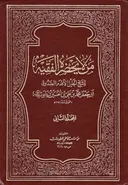
Book of Livelihood
Chapter on Oaths, Vows, and Expiations
وَ رُوِيَ عَنْ عَلِيِّ بْنِ مَهْزِيَارَ قَالَ: قُلْتُ لِأَبِي جَعْفَرٍ اَلثَّانِي عَلَيْهِ اَلسَّلاَمُ قَوْلُهُ عَزَّ وَ جَلَّ وَ اَللَّيْلِ إِذٰا يَغْشىٰ وَ اَلنَّهٰارِ إِذٰا تَجَلّٰى وَ قَوْلُهُ عَزَّ وَ جَلَّ وَ اَلنَّجْمِ إِذٰا هَوىٰ وَ مَا أَشْبَهَ هَذَا فَقَالَ "إِنَّ اَللَّهَ عَزَّ وَ جَلَّ يُقْسِمُ مِنْ خَلْقِهِ بِمَا يَشَاءُ وَ لَيْسَ لِخَلْقِهِ أَنْ يُقْسِمُوا إِلاَّ بِهِ عَزَّ وَ جَلَّ".
It is narrated from Ali ibn Mahziyar that he said: I asked Abu Ja'far al-Thani (a.s) about the saying of Allah (swt), the Almighty and Glorious; "By the night when it covers, and by the day when it appears" (Surah Al-Lail 92:1-2) and His saying, "By the star when it falls" (Surah An-Najm 53:1), and other similar verses. Imam (a.s) said: "Indeed, Allah (swt), the Almighty and Glorious, may swear by whatever He (swt) wills from His (swt) creation, but His (swt) creation is only permitted to swear by Him (swt), the Almighty and Glorious."
وَ رَوَى مُحَمَّدٌ اَلْحَلَبِيُّ عَنْ أَبِي عَبْدِ اَللَّهِ عَلَيْهِ اَلسَّلاَمُ قَالَ: "لاَ يَجُوزُ فِي اَلْقَتْلِ إِلاَّ رَجُلٌ وَ يَجُوزُ فِي اَلظِّهَارِ وَ كَفَّارَةِ اَلْيَمِينِ صَبِيٌّ".
Muhammad al-Halabi narrated from Abu Abdillah (a.s) who said: "In cases of murder, only an adult man is permissible for expiation. However, in cases of ẓihar and the expiation of oaths, a young boy is permissible."
وَ سَأَلَ إِسْحَاقُ بْنُ عَمَّارٍ أَبَا إِبْرَاهِيمَ عَلَيْهِ اَلسَّلاَمُ: فَقَالَ يُعْطَى ضَعِيفاً مِنْ غَيْرِ أَهْلِ اَلْوَلاَيَةِ قَالَ "نَعَمْ وَ أَهْلُ اَلْوَلاَيَةِ أَحَبُّ إِلَيَّ ".
Ishaq ibn Ammar asked Abu Ibrahim (Imam Musa ibn Jafar Al-Kadhim (a.s)) whether it is permissible to give expiation to someone who is weak but not from the people of wilayah (those who follow the Ahlulbayt). Imam (a.s) said: "Yes, but the people of wilayah are more beloved to me."
وَ رُوِيَ عَنِ اَلْمُفَضَّلِ بْنِ عُمَرَ اَلْجُعْفِيِّ قَالَ سَمِعْتُ أَبَا عَبْدِ اَللَّهِ عَلَيْهِ اَلسَّلاَمُ يَقُولُ: "فِي قَوْلِ اَللَّهِ عَزَّ وَ جَلَّ: فَلاٰ أُقْسِمُ بِمَوٰاقِعِ اَلنُّجُومِ وَ إِنَّهُ لَقَسَمٌ لَوْ تَعْلَمُونَ عَظِيمٌ يَعْنِي بِهِ اَلْيَمِينَ بِالْبَرَاءَةِ مِنَ اَلْأَئِمَّةِ عَلَيْهِمُ اَلسَّلاَمُ يَحْلِفُ بِهَا اَلرَّجُلُ يَقُولُ إِنَّ ذَلِكَ عِنْدَ اَللَّهِ عَظِيمٌ".
Al-Mufaddal ibn Umar al-Ju'fi narrated that he heard Abu Abdillah (a.s) say regarding the words of Allah (swt), the Almighty and Glorious: "But no! I swear by the setting of the stars. And indeed, it is a mighty oath-if you only knew" (Surah Al-Waqi'ah 56:75-76). Imam (a.s) said: "It refers to the oath of disassociation from the Imams (peace be upon them), where a man swears by it. Verily, such an oath is considered great in the sight of Allah (swt)."
وَ رَوَى حَفْصُ بْنُ عُمَرَ عَنْ أَبِي عَبْدِ اَللَّهِ عَلَيْهِ اَلسَّلاَمُ قَالَ: سُئِلَ رَسُولُ اَللَّهِ صَلَّى اَللَّهُ عَلَيْهِ وَ آلِهِ مَا كَفَّارَةُ اَلاِغْتِيَابِ قَالَ "تَسْتَغْفِرُ لِمَنِ اِغْتَبْتَهُ كَمَا ذَكَرْتَهُ ".
Hafs ibn Umar narrated from Abu Abdillah (a.s) that the Messenger of Allah (swt) (peace be upon him and his family) was asked: "What is the expiation for backbiting?" Imam (a.s) said: "You should seek forgiveness for the one you have backbitten, just as you mentioned him."
وَ قَالَ اَلصَّادِقُ عَلَيْهِ اَلسَّلاَمُ: "كَفَّارَةُ اَلضَّحِكِ أَنْ يَقُولَ: اَللَّهُمَّ لاَ تَمْقُتْنِي ".
Imam Jafar ibn Muhammad Al-Sadiq (a.s) said: "The expiation for excessive laughter is to say, 'O Allah (swt), do not despise me.'"
وَ- قَالَ الصَّادِقُ عَلَيْهِ اَلسَّلاَمُ كَفَّارَةُ عَمَلِ السُّلْطَانِ قَضَاءُ حَوَائِجِ الْإِخْوَانِ.
Imam Jafar ibn Muhammad Al-Sadiq (a.s) said: "The expiation for working with the ruler is to fulfill the needs of your brothers."
وَ كَتَبَ مُحَمَّدُ بْنُ اَلْحَسَنِ اَلصَّفَّارُ رَضِيَ اَللَّهُ عَنْهُ إِلَى أَبِي مُحَمَّدٍ اَلْحَسَنِ بْنِ عَلِيٍّ عَلَيْهِ اَلسَّلاَمُ: رَجُلٌ حَلَفَ بِالْبَرَاءَةِ مِنَ اَللَّهِ عَزَّ وَ جَلَّ أَوْ مِنْ رَسُولِ اَللَّهِ صَلَّى اَللَّهُ عَلَيْهِ وَ آلِهِ فَحَنِثَ مَا تَوْبَتُهُ وَ مَا كَفَّارَتُهُ فَوَقَّعَ عَلَيْهِ اَلسَّلاَمُ "يُطْعِمُ عَشَرَةَ مَسَاكِينَ لِكُلِّ مِسْكِينٍ مُدٌّ وَ يَسْتَغْفِرُ اَللَّهَ عَزَّ وَ جَلَّ".
Muhammad ibn al-Hasan al-Saffar, may Allah (swt) be pleased with him, wrote to Abu Muhammad al-Hasan ibn Ali (a.s) asking about a man who swore an oath of disassociation from Allah (swt), the Almighty and Glorious, or from the Messenger of Allah (swt) (peace be upon him and his family) and then broke his oath. What is his repentance and expiation? Imam (a.s) responded: "He should feed ten needy people, giving each needy person one mudd of food, and seek forgiveness from Allah (swt), the Almighty and Glorious."
وَ رَوَى عَبْدُ اَلْوَاحِدِ بْنُ مُحَمَّدِ بْنِ عُبْدُوسٍ اَلنَّيْسَابُورِيُّ رَضِيَ اَللَّهُ عَنْهُ عَنْ عَلِيِّ بْنِ مُحَمَّدِ بْنِ قُتَيْبَةَ عَنْ حَمْدَانَ بْنِ سُلَيْمَانَ عَنْ عَبْدِ اَلسَّلاَمِ بْنِ صَالِحٍ اَلْهَرَوِيِّ قَالَ: قُلْتُ لِلرِّضَا عَلَيْهِ اَلسَّلاَمُ يَا اِبْنَ رَسُولِ اَللَّهِ قَدْ رُوِيَ لَنَا عَنْ آبَائِكَ عَلَيْهِمُ اَلسَّلاَمُ "فِيمَنْ جَامَعَ فِي شَهْرِ رَمَضَانَ أَوْ أَفْطَرَ فِيهِ ثَلاَثُ كَفَّارَاتٍ" وَ رُوِيَ عَنْهُمْ عَلَيْهِمُ اَلسَّلاَمُ أَيْضاً "كَفَّارَةٌ وَاحِدَةٌ" فَبِأَيِّ اَلْخَبَرَيْنِ نَأْخُذُ فَقَالَ "بِهِمَا جَمِيعاً مَتَى جَامَعَ اَلرَّجُلُ حَرَاماً أَوْ أَفْطَرَ عَلَى حَرَامٍ فِي شَهْرِ رَمَضَانَ فَعَلَيْهِ ثَلاَثُ كَفَّارَاتٍ عِتْقُ رَقَبَةٍ وَ صِيَامُ شَهْرَيْنِ مُتَتَابِعَيْنِ وَ إِطْعَامُ سِتِّينَ مِسْكِيناً وَ قَضَاءُ ذَلِكَ اَلْيَوْمِ وَ إِنْ كَانَ نَكَحَ حَلاَلاً أَوْ أَفْطَرَ عَلَى حَلاَلٍ فَعَلَيْهِ كَفَّارَةٌ وَاحِدَةٌ وَ قَضَاءُ ذَلِكَ اَلْيَوْمِ وَ إِنْ كَانَ نَاسِياً فَلاَ شَيْءَ عَلَيْهِ".
Abd al-Wahid ibn Muhammad ibn Abdus al-Naysaburi, may Allah (swt) be pleased with him, narrated from Ali ibn Muhammad ibn Qutaybah, from Hamdan ibn Sulayman, from Abd al-Salam ibn Salih al-Harawi, who said: I asked Imam Ali ibn Musa Ar-Ridha (a.s): "O son of the Messenger of Allah (swt), it has been narrated to us from your forefathers (peace be upon them) that for someone who has intercourse or breaks their fast in the month of Ramadan, there are three expiations. It has also been narrated from them (peace be upon them) that there is only one expiation. Which of the two narrations should we follow?" Imam (a.s) said: "Both are correct. If a person has intercourse unlawfully or breaks their fast by consuming something unlawful during the month of Ramadan, then three expiations are required, freeing a slave, fasting for two consecutive months, and feeding sixty needy people. In addition, the person must make up the fast for that day. However, if the person had lawful intercourse or broke their fast by consuming something lawful, then only one expiation is required, along with making up the fast for that day. And if the person did so out of forgetfulness, then nothing is required of him."
وَ قَالَ أَمِيرُ اَلْمُؤْمِنِينَ عَلَيْهِ اَلسَّلاَمُ: "مَنْ حَلَفَ فَقَالَ لاَ وَ رَبِّ اَلْمُصْحَفِ فَعَلَيْهِ كَفَّارَةٌ وَاحِدَةٌ".
Commander of the Faithful (a.s) said: "Whoever takes an oath and says, 'No, by the Lord (azj) of the Mushaf (the Quran),' must offer a single expiation."