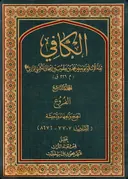
The Book of Marriage
Mahr (dower) in this form of Marriage, al-Mut‘ah
3- أَحْمَدُ بْنُ مُحَمَّدٍ عَنِ الْحُسَيْنِ بْنِ سَعِيدٍ عَنْ حَمَّادِ بْنِ عِيسَى عَنْ شُعَيْبِ بْنِ يَعْقُوبَ عَنْ أَبِي بَصِيرٍ قَالَ سَأَلْتُ أَبَا جَعْفَرٍ (عَلَيْهِ السَّلام) عَنْ مُتْعَةِ النِّسَاءِ قَالَ حَلالٌ وَإِنَّهُ يُجْزِئُ فِيهِ الدِّرْهَمُ فَمَا فَوْقَهُ.
3. Ahmad ibn Muhammad has narrated from al-Husayn ibn Sa‘id from Hammad ibn ‘Isa from Shu’ayb ibn Ya’qub from abu Basir who has said the following: “I once asked abu Ja‘far (a.s.), about al-Mut‘ah (advantageous marriage) of women. He (the Imam) said, ‘It is lawful and one dirham or more is enough (as mahr (dower)).”’
4- مُحَمَّدُ بْنُ يَحْيَى عَنْ أَحْمَدَ بْنِ مُحَمَّدٍ عَنْ عَلِيِّ بْنِ الْحَكَمِ عَنْ عَلِيِّ بْنِ أَبِي حَمْزَةَ عَنْ أَبِي بَصِيرٍ قَالَ سَأَلْتُ أَبَا عَبْدِ اللهِ (عَلَيْهِ السَّلام) عَنْ أَدْنَى مَهْرِ الْمُتْعَةِ مَا هُوَ قَالَ كَفٌّ مِنْ طَعَامٍ دَقِيقٍ أَوْ سَوِيقٍ أَوْ تَمْرٍ.
4. Muhammad ibn Yahya has narrated from Ahmad ibn Muhammad from Ali ibn al-Hakam from Ali ibn abu Hamzah from abu Basir who has said the following: “This is concerning my question before abu ‘Abd Allah (a.s.), about mahr (dower) in al- Mut‘ah (advantageous marriage) and that what it is? He (the Imam) said, ‘It can be a handful of food items, wheat flour, or fine flour or dates.’”
5- عَلِيُّ بْنُ إِبْرَاهِيمَ عَنْ مُحَمَّدِ بْنِ عِيسَى عَنْ يُونُسَ عَنْ بَعْضِ أَصْحَابِنَا عَنْ أَبِي عَبْدِ اللهِ (عَلَيْهِ السَّلام) قَالَ أَدْنَى مَا تَحِلُّ بِهِ الْمُتْعَةُ كَفٌّ مِنْ طَعَامٍ وَرَوَى بَعْضُهُمْ مِسْوَاكٌ.
5. Ali ibn Ibrahim has narrated from Muhammad ibn ‘Isa from Yunus from certain persons of our people who have said the following: “Abu ‘Abd Allah (a.s.), has said, ‘The minimum amount of mahr (dower) in al-Mut‘ah (advantageous marriage) can be even a handful of food.’ Certain ones of them have narrated that even a Miswak (toothbrush) is acceptable.”
The Book of Marriage
Waiting Period in al-Mut‘ah (advantageous marriage)
1- عَلِيُّ بْنُ إِبْرَاهِيمَ عَنْ أَبِيهِ عَنِ ابْنِ أَبِي عُمَيْرٍ عَنْ عُمَرَ بْنِ أُذَيْنَةَ عَنْ زُرَارَةَ عَنْ أَبِي عَبْدِ اللهِ (عَلَيْهِ السَّلام) أَنَّهُ قَالَ إِنْ كَانَتْ تَحِيضُ فَحَيْضَةٌ وَإِنْ كَانَتْ لا تَحِيضُ فَشَهْرٌ وَنِصْفٌ.
1. Ali ibn Ibrahim has narrated from his father from Ibn Abi ‘Umayr from ‘Umar ibn ‘Udhaynah from Zurarah who has said the following: “Abu ‘Abd Allah (a.s.), has said, ‘Waiting period in al-Mut‘ah (advantageous marriage) is one cycle of Hayd (menses) if she experiences Hayd (menses); and if she does not experience Hayd (menses) then it is one and a half month.’”
2- عِدَّةٌ مِنْ أَصْحَابِنَا عَنْ سَهْلِ بْنِ زِيَادٍ عَنْ أَحْمَدَ بْنِ مُحَمَّدِ بْنِ أَبِي نَصْرٍ عَنْ أَبِي الْحَسَنِ الرِّضَا (عَلَيْهِ السَّلام) قَالَ قَالَ أَبُو جَعْفَرٍ (عَلَيْهِ السَّلام) عِدَّةُ الْمُتْعَةِ خَمْسَةٌ وَأَرْبَعُونَ يَوْماً وَالاحْتِيَاطُ خَمْسٌ وَأَرْبَعُونَ لَيْلَةً.
2. A number of our people have narrated from Sahl ibn Ziyad from Ahmad ibn Muhammad from ibn abu Nasr who has said the following: “Abu al-Hassan al-Rida’ has said that abu Ja‘far (a.s.), has said, ‘Waiting period for al- Mut‘ah (advantageous marriage) is forty five days and because of precaution it is forty five nights.’”
3- مُحَمَّدُ بْنُ يَحْيَى عَنْ أَحْمَدَ بْنِ مُحَمَّدٍ عَنِ ابْنِ فَضَّالٍ عَنِ ابْنِ بُكَيْرٍ عَنْ زُرَارَةَ قَالَ عِدَّةُ الْمُتْعَةِ خَمْسَةٌ وَأَرْبَعُونَ يَوْماً كَأَنِّي أَنْظُرُ إِلَى أَبِي جَعْفَرٍ (عَلَيْهِ السَّلام) يَعْقِدُ بِيَدِهِ خَمْسَةً وَأَرْبَعِينَ فَإِذَا جَازَ الأجَلُ كَانَتْ فُرْقَةٌ بِغَيْرِ طَلاقٍ.
3. Muhammad ibn Yahya has narrated from Ahmad ibn Muhammad from ibn Faddal from ibn Bukayr from Zurarah who has said the following: “He (the Imam) (a.s.), has said, ‘Waiting period of al-Mut‘ah (advantageous marriage) is forty five days. It is as if I see my father count it on his fingers as forty-five and when this time passes separation between them takes place without divorce.’”
The Book of Marriage
Addition in Time
1- عِدَّةٌ مِنْ أَصْحَابِنَا عَنْ سَهْلِ بْنِ زِيَادٍ وَعَلِيُّ بْنُ إِبْرَاهِيمَ عَنْ أَبِيهِ جَمِيعاً عَنْ عَبْدِ الرَّحْمَنِ بْنِ أَبِي نَجْرَانَ وَأَحْمَدَ بْنِ مُحَمَّدِ بْنِ أَبِي نَصْرٍ عَنْ أَبِي بَصِيرٍ قَالَ لا بَأْسَ بِأَنْ تَزِيدَكَ وَتَزِيدَهَا إِذَا انْقَطَعَ الأجَلُ فِيمَا بَيْنَكُمَا تَقُولُ اسْتَحْلَلْتُكِ بِأَجَلٍ آخَرَ بِرِضاً مِنْهَا وَلا يَحِلُّ ذَلِكَ لِغَيْرِكَ حَتَّى تَنْقَضِيَ عِدَّتُهَا.
1. A number of our people have narrated from Sahl ibn Ziyad and Ali ibn Ibrahim has narrated from his father all from ‘Abd al-Rahman ibn abu Najran and Ahmad ibn abu Nasr from abu Basir who has said the following: “He (the Imam) (a.s.), has said, ‘It is permissible if she extends for you and you extend for her when the time for both of you expires, by saying, ‘I have made you lawful to myself up to another period of time with your agreement’ and this is not lawful for anyone other than you until it expires.’”
2- عَلِيُّ بْنُ إِبْرَاهِيمَ عَنْ أَبِيهِ عَنْ عَمْرِو بْنِ عُثْمَانَ عَنْ إِبْرَاهِيمَ بْنِ الْفَضْلِ وَعِدَّةٌ مِنْ أَصْحَابِنَا عَنْ سَهْلِ بْنِ زِيَادٍ عَنْ إِسْمَاعِيلَ بْنِ مِهْرَانَ عَنْ مُحَمَّدِ بْنِ أَسْلَمَ وَعَنْ أَحْمَدَ بْنِ مُحَمَّدِ بْنِ خَالِدٍ عَنْ مُحَمَّدِ بْنِ عَلِيٍّ عَنْ مُحَمَّدِ بْنِ أَسْلَمَ عَنْ إِبْرَاهِيمَ بْنِ الْفَضْلِ الْهَاشِمِيِّ عَنْ أَبَانِ بْنِ تَغْلِبَ قَالَ قُلْتُ لأبِي عَبْدِ اللهِ (عَلَيْهِ السَّلام) جُعِلْتُ فِدَاكَ الرَّجُلُ يَتَزَوَّجُ الْمَرْأَةَ مُتْعَةً فَيَتَزَوَّجُهَا عَلَى شَهْرٍ ثُمَّ إِنَّهَا تَقَعُ فِي قَلْبِهِ فَيُحِبُّ أَنْ يَكُونَ شَرْطُهُ أَكْثَرَ مِنْ شَهْرٍ فَهَلْ يَجُوزُ أَنْ يَزِيدَهَا فِي أَجْرِهَا وَيَزْدَادَ فِي الأيَّامِ قَبْلَ أَنْ تَنْقَضِيَ أَيَّامُهُ الَّتِي شَرَطَ عَلَيْهَا فَقَالَ لا لا يَجُوزُ شَرْطَانِ فِي شَرْطٍ قُلْتُ فَكَيْفَ يَصْنَعُ قَالَ يَتَصَدَّقُ عَلَيْهَا بِمَا بَقِيَ مِنَ الأيَّامِ ثُمَّ يَسْتَأْنِفُ شَرْطاً جَدِيداً.
2. Ali ibn Ibrahim has narrated from his father from Ibn Abi ‘Umayr from ‘Amr ibn ‘Uthman from Ibrahim ibn al-Fadl and A number of our people have narrated from Sahl ibn Ziyad from ‘Isma’il ibn Mehran from Muhammad ibn Aslam and Ahmad ibn Muhammad ibn Khalid from Muhammad ibn Ali from Muhammad ibn Aslam from Ibrahim ibn al-Fadl al-Hashimiy from Aban ibn Taghlib who has said the following: “This is concerning my question before abu ‘Abd Allah (a.s.), about the case of a man who marries a woman in the manner of al-Mut‘ah (advantageous marriage) for the duration of one month. Then it comes to his heart and he likes to have a condition for more than a month; if it is permissible to increase in her mahr (dower) to extend the number of days before it (the time already set) expires. He (the Imam) said, ‘No, two conditions in one and the same condition are not permissible.’ I then asked, ‘What must he do about it?’ He (the Imam) said, ‘She can give up the remaining of the time in his favor as charity and then initiate a new condition of extension of time.’”
3- عَلِيُّ بْنُ إِبْرَاهِيمَ عَنْ أَبِيهِ عَنِ ابْنِ أَبِي عُمَيْرٍ عَمَّنْ رَوَاهُ قَالَ إِنَّ الرَّجُلَ إِذَا تَزَوَّجَ الْمَرْأَةَ مُتْعَةً كَانَ عَلَيْهَا عِدَّةٌ لِغَيْرِهِ فَإِذَا أَرَادَ هُوَ أَنْ يَتَزَوَّجَهَا لَمْ يَكُنْ عَلَيْهَا مِنْهُ عِدَّةٌ يَتَزَوَّجُهَا إِذَا شَاءَ.
3. Ali ibn Ibrahim has narrated from his father from Ibn Abi ‘Umayr from those who narrated to him who has said the following: “He (the Imam) (a.s.), has said, ‘If a woman marries a man in the manner of al-Mut‘ah (advantageous marriage) she must complete waiting period for others. However, if the same man wants to marry her again because of him she does not need to complete a waiting period, so she can marry him in the manner of al-Mut‘ah (advantageous marriage) whenever she wants.’”
The Book of Marriage
Permissible Time Length
1- عِدَّةٌ مِنْ أَصْحَابِنَا عَنْ سَهْلِ بْنِ زِيَادٍ عَنِ ابْنِ مَحْبُوبٍ عَنْ عَلِيِّ بْنِ رِئَابٍ عَنْ عُمَرَ بْنِ حَنْظَلَةَ عَنْ أَبِي عَبْدِ اللهِ (عَلَيْهِ السَّلام) قَالَ يُشَارِطُهَا مَا شَاءَ مِنَ الأيَّامِ.
1. A number of our people have narrated from Sahl ibn Ziyad from ibn Mahbub from ibn Ri’ab from ‘Umar ibn Hanzalah who has said the following: “Abu ‘ Abd Allah (a.s.), has said, ‘He can arrange for a mutual agreement with her for any number of days they want.’”