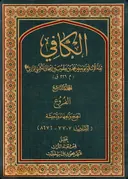
The Book of Prayer
The Optional Salah (prayer)
16ـ عَلِيُّ بْنُ إِبْرَاهِيمَ عَنْ مُحَمَّدِ بْنِ عِيسَى عَنْ يُونُسَ قَالَ حَدَّثَنِي إِسْمَاعِيلُ بْنُ سَعْدٍ الأحْوَصُ قَالَ قُلْتُ لِلرِّضَا (عَلَيْهِ الْسَّلام) كَمِ الصَّلاَةُ مِنْ رَكْعَةٍ فَقَالَ إِحْدَى وَخَمْسُونَ رَكْعَةً. مُحَمَّدُ بْنُ أَحْمَدَ بْنِ يَحْيَى عَنْ مُحَمَّدِ بْنِ عِيسَى مِثْلَهُ.
16. Ali ibn Ibrahim has narrated from Muhammad ibn ‘Isa from Yunus who has said that narrated to him ’Isma‘il ibn Sa‘d al-Ahwas who has said the following: “I asked al-Rida (a.s.), ‘Of how many Rak‘at does Salah (prayer) consist?’ He replied, ‘There are fifty-one Rak‘at (every day).”’ Muhammad ibn Ahmad ibn Yahya has narrated from Muhammad ibn ‘Isa a similar Hadith.
17ـ مُحَمَّدُ بْنُ يَحْيَى عَنْ أَحْمَدَ بْنِ مُحَمَّدٍ عَنِ ابْنِ أَبِي عُمَيْرٍ عَنْ هِشَامِ بْنِ سَالِمٍ عَنْ أَبِي عَبْدِ الله (عَلَيْهِ الْسَّلام) فِي قَوْلِ الله عَزَّ وَجَلَّ إِنَّ ناشِئَةَ اللَّيْلِ هِيَ أَشَدُّ وَطْئاً وَأَقْوَمُ قِيلاً قَالَ يَعْنِي بِقَوْلِهِ وَأَقْوَمُ قِيلاً قِيَامَ الرَّجُلِ عَنْ فِرَاشِهِ يُرِيدُ بِهِ الله لاَ يُرِيدُ بِهِ غَيْرَهُ.
17. Muhammad ibn Yahya has narrated from Ahmad ibn Muhammad from Ibn Abi ‘Umayr from Hisham ibn Salim who has said the following: “About the words of Allah, the Most Majestic, the Most Glorious, ‘nightly initiation is of strong impression and of strongest words’ (73:7) abu ‘Abd Allah (a.s.), has said, “‘strongest words” means a man’s getting up from his bed just for the sake of Allah and for no other considerations.’”
18ـ عَلِيُّ بْنُ إِبْرَاهِيمَ عَنْ أَبِيهِ عَنِ ابْنِ أَبِي عُمَيْرٍ عَنْ أَبِي أَيُّوبَ الْخَزَّازِ عَنْ مُحَمَّدِ بْنِ مُسْلِمٍ قَالَ سَمِعْتُ أَبَا عَبْدِ الله (عَلَيْهِ الْسَّلام) يَقُولُ إِنَّ الْعَبْدَ يُوقَظُ ثَلاَثَ مَرَّاتٍ مِنَ اللَّيْلِ فَإِنْ لَمْ يَقُمْ أَتَاهُ الشَّيْطَانُ فَبَالَ فِي أُذُنِهِ قَالَ وَسَأَلْتُهُ عَنْ قَوْلِ الله عَزَّ وَجَلَّ كانُوا قَلِيلاً مِنَ اللَّيْلِ ما يَهْجَعُونَ قَالَ كَانُوا أَقَلَّ اللَّيَالِي تَفُوتُهُمْ لاَ يَقُومُونَ فِيهَا.
18. Ali ibn Ibrahim has narrated from his father from Ibn Abi ‘Umayr from Ayyub al-Khazzaz from Muhammad ibn Muslim who has said the following: “I heard abu ‘Abd Allah (a.s.), saying, ‘A servant (of Allah) wakes up three times at night and if he still is not up (for Salah (prayer)) Satan comes and urinates in his ears.’ I then asked about the words of Allah, the Most Majestic, the Most Glorious, ‘They would sleep very little at night’. (51:18) The Imam replied, ‘There were few nights in which they would miss getting up for Salah (prayer)).”’
19ـ عَنْهُ عَنْ أَبِيهِ عَنِ ابْنِ أَبِي عُمَيْرٍ عَنْ عُمَرَ بْنِ أُذَيْنَةَ عَنْ عُمَرَ بْنِ يَزِيدَ أَنَّهُ سَمِعَ أَبَا عَبْدِ الله (عَلَيْهِ الْسَّلام) يَقُولُ إِنَّ فِي اللَّيْلِ لَسَاعَةً مَا يُوَافِقُهَا عَبْدٌ مُسْلِمٌ يُصَلِّي وَيَدْعُو الله فِيهَا إِلاَّ اسْتُجِيبَ لَهُ فِي كُلِّ لَيْلَةٍ قُلْتُ أَصْلَحَكَ الله فَأَيُّ سَاعَةٍ هِيَ مِنَ اللَّيْلِ قَالَ إِذَا مَضَى نِصْفُ اللَّيْلِ فِي السُّدُسِ الأوَّلِ مِنَ النِّصْفِ الْبَاقِي.
19. It is a narration from him (narrator of previous Hadith) by his father from Ibn Abi ‘Umayr from ‘Umar ibn ’Udhaynah from ‘Umar ibn Yazid say the following: “I heard abu ’Abd Allah (a.s.), say, ‘In the night there is an hour in which if a Muslim performs Salah (prayer) and appeals before Allah for a wish; his prayer is answered every night. I (the narrator) then asked saying, ‘I pray to Allah to keep you well, which hour is it?’ The Imam replied, ‘It is in the first one-sixth of the second half of the night.”’
20ـ عِدَّةٌ مِنْ أَصْحَابِنَا عَنْ أَحْمَدَ بْنِ مُحَمَّدٍ عَنِ الْحُسَيْنِ بْنِ سَعِيدٍ عَنْ حَمَّادِ بْنِ عِيسَى عَنْ مُعَاوِيَةَ بْنِ وَهْبٍ عَنْ أَبِي عَبْدِ الله (عَلَيْهِ الْسَّلام) قَالَ قُلْتُ لَهُ إِنَّ رَجُلاً مِنْ مَوَالِيكَ مِنْ صُلَحَائِهِمْ شَكَا إِلَيَّ مَا يَلْقَى مِنَ النَّوْمِ وَقَالَ إِنِّي أُرِيدُ الْقِيَامَ إِلَى الصَّلاَةِ بِاللَّيْلِ فَيَغْلِبُنِي النَّوْمُ حَتَّى أُصْبِحَ وَرُبَّمَا قَضَيْتُ صَلاَتِيَ الشَّهْرَ مُتَتَابِعاً وَالشَّهْرَيْنِ أَصْبِرُ عَلَى ثِقَلِهِ فَقَالَ قُرَّةُ عَيْنٍ لَهُ وَالله قَالَ وَلَمْ يُرَخِّصْ لَهُ فِي الصَّلاَةِ فِي أَوَّلِ اللَّيْلِ وَقَالَ الْقَضَاءُ بِالنَّهَارِ أَفْضَلُ قُلْتُ فَإِنَّ مِنْ نِسَائِنَا أَبْكَاراً الْجَارِيَةَ تُحِبُّ الْخَيْرَ وَأَهْلَهُ وَتَحْرِصُ عَلَى الصَّلاَةِ فَيَغْلِبُهَا النَّوْمُ حَتَّى رُبَّمَا قَضَتْ وَرُبَّمَا ضَعُفَتْ عَنْ قَضَائِهِ وَهِيَ تَقْوَى عَلَيْهِ أَوَّلَ اللَّيْلِ فَرَخَّصَ لَهُنَّ فِي الصَّلاَةِ أَوَّلَ اللَّيْلِ إِذَا ضَعُفْنَ وَضَيَّعْنَ الْقَضَاءَ.
20. A number of our people have narrated from Ahmad ibn Muhammad from al-Husayn ibn Sa‘id from Hammad ibn ‘Isa from Mu‘awiyah ibn Wahab who has said the following: “I once said to abu ‘Abd Allah (a.s.), ‘A man of your followers, of their virtuous ones complained before me against sleep. He said that he wants to get up for the nightly optional Salah (prayer) but sleep overcomes him until it is morning. Sometimes he performs the compensatory prayer for a whole month of missed Salah (prayer) or two months and bears with its heaviness.’ He (the Imam) said, ‘It is the delight for his eyes, by Allah.’ He (the narrator) has said that he (the Imam) did not give him permission to perform his nightly optional Salah (prayer) in the beginning of the night, saying, ‘To do compensatory prayer for them during the day is better.’ I (the narrator) then said, ‘Of our virgin girls there are those who love good and people of goodness. They try to perform Salah (prayer) but sleep overcomes them, and perhaps they may perform the compensatory prayer for what is missed and perhaps face weakness in performing the compensatory prayer for what is missed, but she is able to perform in the beginning of the night. He (the Imam) granted them permission to perform Salah (prayer) in the beginning of the night if they feel weakness and lose performing the compensatory prayer for what is missed.’”
21ـ أَحْمَدُ بْنُ إِدْرِيسَ عَنْ مُحَمَّدِ بْنِ عَبْدِ الْجَبَّارِ عَنْ صَفْوَانَ عَنِ ابْنِ بُكَيْرٍ قَالَ قَالَ أَبُو عَبْدِ الله (عَلَيْهِ الْسَّلام) مَا كَانَ يُحْمَدُ الرَّجُلُ أَنْ يَقُومَ مِنْ آخِرِ اللَّيْلِ فَيُصَلِّيَ صَلاَتَهُ ضَرْبَةً وَاحِدَةً ثُمَّ يَنَامَ وَيَذْهَبَ.
21. Ahmad ibn Idris has narrated from Muhammad ibn ‘Abd al-Jabbar from Safwan from ibn Bukayr who has said the following: “Abu ‘Abd Allah (a.s.), has said, ‘A man who gets up in the end of the night to perform his nightly optional Salah (prayer), all of them at one time and goes away to sleep, is not very praiseworthy.”
22ـ عَلِيُّ بْنُ إِبْرَاهِيمَ عَنْ أَبِيهِ عَنْ عَبْدِ الله بْنِ الْمُغِيرَةِ عَنِ ابْنِ مُسْكَانَ عَنِ الْحَسَنِ الصَّيْقَلِ عَنْ أَبِي عَبْدِ الله (عَلَيْهِ الْسَّلام) قَالَ قُلْتُ لَهُ الرَّجُلُ يُصَلِّي الرَّكْعَتَيْنِ مِنَ الْوَتْرِ ثُمَّ يَقُومُ فَيَنْسَى التَّشَهُّدَ حَتَّى يَرْكَعَ وَيَذْكُرُ وَهُوَ رَاكِعٌ قَالَ يَجْلِسُ مِنْ رُكُوعِهِ فَيَتَشَهَّدُ ثُمَّ يَقُومُ فَيُتِمُّ قَالَ قُلْتُ أَ لَيْسَ قُلْتَ فِي الْفَرِيضَةِ إِذَا ذَكَرَهُ بَعْدَ مَا رَكَعَ مَضَى ثُمَّ سَجَدَ سَجْدَتَيِ السَّهْوِ بَعْدَ مَا يَنْصَرِفُ وَيَتَشَهَّدُ فِيهِمَا قَالَ لَيْسَ النَّافِلَةُ مِثْلَ الْفَرِيضَةِ.
22. Ali ibn Ibrahim has narrated from his father from ‘Abd Allah ibn al-Mughirah from ibn Muskan from al-Hassan al-Sayqal who has said the following: “I once said to abu ‘Abd Allah (a.s.), about a man who performs two Rak‘at of al-Witr, then stands up and forgets saying Tashahhud (testimonies of belief) until he performs Ruku‘ (bowing down on one’s knees), then remembers when he is in Ruku‘. He (the Imam) said, ‘He is required to sit down from Ruku‘, say Tashahhud, then stand up and complete.’ He (the narrator) has said that he asked, ‘Have you not said that in obligatory Salah (prayer) if one remembers after Ruku‘, one continues, then performs two Sajdah (prostration) because of mistake after ending Salah (prayer) in which one says Tashahhud (testimonies of belief)?’ He (the Imam) said, ‘Optional Salah (prayer) is not like obligatory one.’”
23ـ الْحُسَيْنُ بْنُ مُحَمَّدٍ الأشْعَرِيُّ عَنْ عَبْدِ الله بْنِ عَامِرٍ عَنْ عَلِيِّ بْنِ مَهْزِيَارَ عَنْ فَضَالَةَ بْنِ أَيُّوبَ وَحَمَّادِ بْنِ عِيسَى عَنْ مُعَاوِيَةَ بْنِ وَهْبٍ قَالَ سَأَلْتُ أَبَا عَبْدِ الله (عَلَيْهِ الْسَّلام) عَنْ أَفْضَلِ سَاعَاتِ الْوَتْرِ فَقَالَ الْفَجْرُ أَوَّلُ ذَلِكَ.
23. Al-Husayn ibn Muhammad al-Ash’ariy has narrated from ‘Abd Allah ibn ‘Amir Ali ibn Mahziyar from Fadalah ibn Ayyub and Hammad ibn ‘Isa from Mu‘awiyah ibn Wahab who has said the following: “I once asked abu ‘Abd Allah (a.s.), about the most excellent time for al-Witr. He (the Imam) said, ‘Dawn is the beginning of it.”
24ـ مُحَمَّدُ بْنُ يَحْيَى عَنْ مُحَمَّدِ بْنِ الْحُسَيْنِ عَنِ ابْنِ أَبِي عُمَيْرٍ عَنْ إِسْمَاعِيلَ بْنِ أَبِي سَارَةَ قَالَ أَخْبَرَنِي أَبَانُ بْنُ تَغْلِبَ قَالَ قُلْتُ لأَبِي عَبْدِ الله (عَلَيْهِ الْسَّلام) أَيَّةَ سَاعَةٍ كَانَ رَسُولُ الله (صلّى اللهُ عَلَيْهِ وَآلِه) يُوتِرُ فَقَالَ عَلَى مِثْلِ مَغِيبِ الشَّمْسِ إِلَى صَلاَةِ الْمَغْرِبِ.
24. Muhammad ibn Yahya has narrated from Al-Husayn Ibn Abi ‘Umayr from ’Isma‘il ibn abu Sarah from Aban ibn Taghlib who has said the following: “I once asked abu ’Abd Allah (a.s.), ’What time did the Messenger of Allah perform al- Witr?’ He (the Imam) said, ’Within a time like from sunset to al-Maghrib Salah (prayer).’”
25ـ عَلِيُّ بْنُ إِبْرَاهِيمَ عَنْ أَبِيهِ عَنِ ابْنِ أَبِي عُمَيْرٍ عَنِ ابْنِ أُذَيْنَةَ عَنْ زُرَارَةَ قَالَ قُلْتُ لأَبِي جَعْفَرٍ (عَلَيْهِ الْسَّلام) الرَّكْعَتَانِ اللَّتَانِ قَبْلَ الْغَدَاةِ أَيْنَ مَوْضِعُهُمَا فَقَالَ قَبْلَ طُلُوعِ الْفَجْرِ فَإِذَا طَلَعَ الْفَجْرُ فَقَدْ دَخَلَ وَقْتُ الْغَدَاةِ.
25. Ali ibn Ibrahim has narrated from his father from ibn abu ‘ Umayr from ibn ’Udhaynah from Zurarah who has said the following: “I once asked abu Ja’far (a.s.), about the two Rak’at before the morning, ‘When is the time for them?’ He (the Imam) said, ’It is before dawn. When it is dawn, it becomes time for the morning.’”