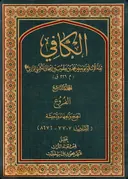
The Book of Belief and Disbelief
The Excellence of the Poor Muslims
1ـ عَلِيُّ بْنُ إِبْرَاهِيمَ عَنْ مُحَمَّدِ بْنِ عِيسَى عَنْ يُونُسَ عَنْ مُحَمَّدِ بْنِ سِنَانٍ عَنِ الْعَلاءِ عَنِ ابْنِ أَبِي يَعْفُورٍ عَنْ أَبِي عَبْدِ الله (عَلَيهِ السَّلام) قَالَ إِنَّ فُقَرَاءَ الْمُسْلِمِينَ يَتَقَلَّبُونَ فِي رِيَاضِ الْجَنَّةِ قَبْلَ أَغْنِيَائِهِمْ بِأَرْبَعِينَ خَرِيفاً ثُمَّ قَالَ سَأَضْرِبُ لَكَ مَثَلَ ذَلِكَ إِنَّمَا مَثَلُ ذَلِكَ مَثَلُ سَفِينَتَيْنِ مُرَّ بِهِمَا عَلَى عَاشِرٍ فَنَظَرَ فِي إِحْدَاهُمَا فَلَمْ يَرَ فِيهَا شَيْئاً فَقَالَ أَسْرِبُوهَا وَنَظَرَ فِي الأخْرَى فَإِذَا هِيَ مَوْقُورَةٌ فَقَالَ احْبِسُوهَا.
1. Ali ibn Ibrahim has narrated from Muhammad ibn ‘Isa from Yunus from Muhammad ibn Sinan from al-‘Ala’ from ibn abu Ya’fur from Abu ‘Abdillah (a.s.) who has said the following: “The poor Muslims will stroll in the gardens of paradise forty years before the wealthy Muslims. An example of this is the case of two ships arriving at the tax collector’s post. The tax collector searches one of the ships and finds it empty. He withdraws and the ship is free to go. But he finds the other ship fill of goods. He then orders his people to follow the accounting procedure.’”
2ـ عِدَّةٌ مِنْ أَصْحَابِنَا عَنْ أَحْمَدَ بْنِ مُحَمَّدِ بْنِ خَالِدٍ عَنْ أَبِيهِ عَنْ سَعْدَانَ قَالَ قَالَ أَبُو عَبْدِ الله (عَلَيهِ السَّلام) الْمَصَائِبُ مِنَحٌ مِنَ الله وَالْفَقْرُ مَخْزُونٌ عِنْدَ الله.
2. A number of our people have narrated from Ahmad ibn Muhammad ibn Khalid from his father from Sa’dan who has said the following: “Abu ‘Abd Allah (a.s.) has said, ‘Misfortunes are gifts from Allah and poverty is in His treasure.’”
3ـ وَعَنْهُ رَفَعَهُ عَنْ أَبِي عَبْدِ الله (عَلَيهِ السَّلام) قَالَ قَالَ رَسُولُ الله (صَلَّى اللهُ عَلَيْهِ وآلِه) يَا عَلِيُّ إِنَّ الله جَعَلَ الْفَقْرَ أَمَانَةً عِنْدَ خَلْقِهِ فَمَنْ سَتَرَهُ أَعْطَاهُ الله مِثْلَ أَجْرِ الصَّائِمِ الْقَائِمِ وَمَنْ أَفْشَاهُ إِلَى مَنْ يَقْدِرُ عَلَى قَضَاءِ حَاجَتِهِ فَلَمْ يَفْعَلْ فَقَدْ قَتَلَهُ أَمَا إِنَّهُ مَا قَتَلَهُ بِسَيْفٍ وَلا رُمْحٍ وَلَكِنَّهُ قَتَلَهُ بِمَا نَكَى مِنْ قَلْبِهِ.
3. It is narrated from him (narrator of the Hadith above) in a marfu’ manner from Abu ‘Abdillah (a.s.) who has said the following: “The Messenger of Allah has said, ‘O Ali, Allah has made poverty a trust in His creatures. Whoever hides it, Allah grants him a reward equal to the reward for a fasting person who stands at night to worship Allah. One who reveals it to a person, who is able to help but does not help, it is then as if he has killed him. Although he has not killed him with a sword, or with a spear, but has done so by breaking his heart.’”
4ـ عَنْهُ عَنْ مُحَمَّدِ بْنِ عَلِيٍّ عَنْ دَاوُدَ الْحَذَّاءِ عَنْ مُحَمَّدِ بْنِ صَغِيرٍ عَنْ جَدِّهِ شُعَيْبٍ عَنْ مُفَضَّلٍ قَالَ قَالَ أَبُو عَبْدِ الله (عَلَيهِ السَّلام) كُلَّمَا ازْدَادَ الْعَبْدُ إِيمَاناً ازْدَادَ ضِيقاً فِي مَعِيشَتِهِ.
4. It is narrated from him (narrator of the Hadith above) from Muhammad ibn Ali from Dawud al-Hadhdha’ from Muhammad ibn Saghir from his grandfather, Shu’ayb from Mufaddal who has said the following: “Abu ‘Abd Allah (a.s.) has said, ‘As the belief of a person increases in strength, his poverty intensifies.’”
5ـ وَبِإِسْنَادِهِ قَالَ قَالَ أَبُو عَبْدِ الله (عَلَيهِ السَّلام) لَوْ لا إِلْحَاحُ الْمُؤْمِنِينَ عَلَى الله فِي طَلَبِ الرِّزْقِ لَنَقَلَهُمْ مِنَ الْحَالِ الَّتِي هُمْ فِيهَا إِلَى حَالٍ أَضْيَقَ مِنْهَا.
5. Through his chain of narrators (Ali ibn Ibrahim) has said the following: “Abu ‘Abd Allah (a.s.) has said, ‘Had it not been due to the believers’ pleading before Allah to increase their sustenance, He would have moved them to a poorer condition.’”
6ـ عَنْهُ عَنْ بَعْضِ أَصْحَابِهِ رَفَعَهُ قَالَ قَالَ أَبُو عَبْدِ الله (عَلَيهِ السَّلام) مَا أُعْطِيَ عَبْدٌ مِنَ الدُّنْيَا إِلا اعْتِبَاراً وَمَا زُوِيَ عَنْهُ إِلا اخْتِبَاراً.
6. It is narrated from him (narrator of the Hadith above) from certain individuals of his people in a marfu’ manner from Abu ‘Abdillah (a.s.) who has said the following: “Whatever a servant is given of worldly things is to make him learn a lesson and whatever is withheld from him is to place him under the trial.’”
7ـ عَنْهُ عَنْ نُوحِ بْنِ شُعَيْبٍ وَأَبِي إِسْحَاقَ الْخَفَّافِ عَنْ رَجُلٍ عَنْ أَبِي عَبْدِ الله (عَلَيهِ السَّلام) قَالَ لَيْسَ لِمُصَاصِ شِيعَتِنَا فِي دَوْلَةِ الْبَاطِلِ إِلا الْقُوتُ شَرِّقُوا إِنْ شِئْتُمْ أَوْ غَرِّبُوا لَنْ تُرْزَقُوا إِلا الْقُوتَ.
7. It is narrated from him (narrator of the Hadith above) from Nuh ibn Shu’ayb and abu Ishaq al-Khaffaf from a man from Abu ‘Abdillah (a.s.) who has said the following: “For our pure Shi’a (followers) there is nothing under the rule of the unjust power more than bare necessities. Westernize or Easternize, you will never gain more than bare necessities.”
8ـ مُحَمَّدُ بْنُ يَحْيَى عَنْ أَحْمَدَ بْنِ مُحَمَّدٍ عَنْ مُحَمَّدِ بْنِ الْحَسَنِ الأشْعَرِيِّ عَنْ بَعْضِ مَشَايِخِهِ عَنْ إِدْرِيسَ بْنِ عَبْدِ الله عَنْ أَبِي عَبْدِ الله (عَلَيهِ السَّلام) قَالَ قَالَ النَّبِيُّ (صَلَّى اللهُ عَلَيْهِ وآلِه) يَا عَلِيُّ الْحَاجَةُ أَمَانَةُ الله عِنْدَ خَلْقِهِ فَمَنْ كَتَمَهَا عَلَى نَفْسِهِ أَعْطَاهُ الله ثَوَابَ مَنْ صَلَّى وَمَنْ كَشَفَهَا إِلَى مَنْ يَقْدِرُ أَنْ يُفَرِّجَ عَنْهُ وَلَمْ يَفْعَلْ فَقَدْ قَتَلَهُ أَمَا إِنَّهُ لَمْ يَقْتُلْهُ بِسَيْفٍ وَلا سِنَانٍ وَلا سَهْمٍ وَلَكِنْ قَتَلَهُ بِمَا نَكَى مِنْ قَلْبِهِ.
8. Muhammad ibn Yahya has narrated from Ahmad ibn Muhammad from Muhammad ibn al-Hassan al-Ash’ari from certain individuals of his teachers from Edris ibn ‘Abd Allah from Abu ‘Abdillah (a.s.) who has said the following: “The Holy Prophet has said, ‘O Ali, the need (poverty) is Allah’s trust with His creatures. Whoever keeps it secret Allah grants him a reward equal to that for one who prays, but if he reveals it to one who is able to help and does not help he has killed him, not with a sword or spears, but has killed him by breaking his heart.’”
9ـ وَعَنْهُ عَنْ أَحْمَدَ عَنْ عَلِيِّ بْنِ الْحَكَمِ عَنْ سَعْدَانَ قَالَ قَالَ أَبُو عَبْدِ الله (عَلَيهِ السَّلام) إِنَّ الله عَزَّ وَجَلَّ يَلْتَفِتُ يَوْمَ الْقِيَامَةِ إِلَى فُقَرَاءِ الْمُؤْمِنِينَ شَبِيهاً بِالْمُعْتَذِرِ إِلَيْهِمْ فَيَقُولُ وَعِزَّتِي وَجَلالِي مَا أَفْقَرْتُكُمْ فِي الدُّنْيَا مِنْ هَوَانٍ بِكُمْ عَلَيَّ وَلَتَرَوُنَّ مَا أَصْنَعُ بِكُمُ الْيَوْمَ فَمَنْ زَوَّدَ أَحَداً مِنْكُمْ فِي دَارِ الدُّنْيَا مَعْرُوفاً فَخُذُوا بِيَدِهِ فَأَدْخِلُوهُ الْجَنَّةَ قَالَ فَيَقُولُ رَجُلٌ مِنْهُمْ يَا رَبِّ إِنَّ أَهْلَ الدُّنْيَا تَنَافَسُوا فِي دُنْيَاهُمْ فَنَكَحُوا النِّسَاءَ وَلَبِسُوا الثِّيَابَ اللَّيِّنَةَ وَأَكَلُوا الطَّعَامَ وَسَكَنُوا الدُّورَ وَرَكِبُوا الْمَشْهُورَ مِنَ الدَّوَابِّ فَأَعْطِنِي مِثْلَ مَا أَعْطَيْتَهُمْ فَيَقُولُ تَبَارَكَ وَتَعَالَى لَكَ وَلِكُلِّ عَبْدٍ مِنْكُمْ مِثْلُ مَا أَعْطَيْتُ أَهْلَ الدُّنْيَا مُنْذُ كَانَتِ الدُّنْيَا إِلَى أَنِ انْقَضَتِ الدُّنْيَا سَبْعُونَ ضِعْفاً.
9. It is narrated from him (narrator of the Hadith above) from Ahmad from Ali ibn al-Hakam from Sa’dan who has said the following: “Abu ‘Abd Allah (a.s.) has said, ‘On the Day of Judgment Allah, the Majestic, the Glorious, will turn to the poor believing people, similar to an apologetic one, and will say, “I swear by My Majesty and Glory that I did not make you suffer poverty in the world, considering you insignificant. You will find out how I treat you today. Hold the hands of those who helped you in the worldly life and take them to paradise.” The narrator has said that the Imam then said, ‘A man from among them will say, ‘O Lord, people competed in their world to marry, dress up in fine garments, to have fine food, nice houses, and riding best animals, thus, give me what you had given to them.’ Allah, the Most Blessed, the Most High, will say, ‘You and every one of you will have what I had given to the people of the world from its beginning to its end, seventy times as much.’”
10ـ عِدَّةٌ مِنْ أَصْحَابِنَا عَنْ سَهْلِ بْنِ زِيَادٍ عَنْ إِبْرَاهِيمَ بْنِ عُقْبَةَ عَنْ إِسْمَاعِيلَ بْنِ سَهْلٍ وَإِسْمَاعِيلَ بْنِ عَبَّادٍ جَمِيعاً يَرْفَعَانِهِ إِلَى أَبِي عَبْدِ الله (عَلَيهِ السَّلام) قَالَ مَا كَانَ مِنْ وُلْدِ آدَمَ مُؤْمِنٌ إِلا فَقِيراً وَلا كَافِرٌ إِلا غَنِيّاً حَتَّى جَاءَ إِبْرَاهِيمُ (عَلَيهِ السَّلام) فَقَالَ رَبَّنا لا تَجْعَلْنا فِتْنَةً لِلَّذِينَ كَفَرُوا فَصَيَّرَ الله فِي هَؤُلاءِ أَمْوَالاً وَحَاجَةً وَفِي هَؤُلاءِ أَمْوَالاً وَحَاجَةً.
10. A number of our people have narrated from Sahl ibn Ziyad from Ibrahim ibn ‘Aqabah from Isma’il ibn Sahl and Isma’il ibn ‘Abbad all in a marfu’ manner from Abu ‘Abdillah (a.s.) who has said the following: “There was no one of the children of Adam who was a believer but that was poor and there was no one of the children of Adam who was an unbeliever but that was rich until Ibrahim came. He said, ‘O Lord, save us from the evil intentions of the unbelievers. . . .’ (60:5) Thereafter Allah made these (believing people) rich as well as needy and those (unbelievers) wealthy as well as poor and needy.’”