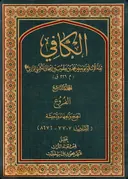
The Book of Belief and Disbelief
Giving Good Advice to the Believers
4ـ ابْنُ مَحْبُوبٍ عَنْ عَمْرِو بْنِ شِمْرٍ عَنْ جَابِرٍ عَنْ أَبِي جَعْفَرٍ (عَلَيهِ السَّلام) قَالَ قَالَ رَسُولُ الله (صَلَّى اللهُ عَلَيْهِ وآلِه) لِيَنْصَحِ الرَّجُلُ مِنْكُمْ أَخَاهُ كَنَصِيحَتِهِ لِنَفْسِهِ.
4. Ibn Mahbub has narrated from ‘Amr ibn Shamir from Jabir from abu Ja’far (a.s.) who has said the following: “The Messenger of Allah has said, ‘Every man among you must provide advice to his brother (in belief) just like the advice for his own self.’”
5ـ عَلِيُّ بْنُ إِبْرَاهِيمَ عَنْ أَبِيهِ عَنِ النَّوْفَلِيِّ عَنِ السَّكُونِيِّ عَنْ أَبِي عَبْدِ الله (عَلَيهِ السَّلام) قَالَ قَالَ رَسُولُ الله (صَلَّى اللهُ عَلَيْهِ وآلِه) إِنَّ أَعْظَمَ النَّاسِ مَنْزِلَةً عِنْدَ الله يَوْمَ الْقِيَامَةِ أَمْشَاهُمْ فِي أَرْضِهِ بِالنَّصِيحَةِ لِخَلْقِهِ.
5. Ali ibn Ibrahim has narrated from his father from al-Nawfali from al-Sakuni from Abu ‘Abdillah (a.s.) who has said the following: “The Messenger of Allah has said, ‘Of the people of the greatest position before Allah on the Day of Judgment will be he who is a person walking on earth the most to provide good advice to His creatures.’”
6ـ عَلِيُّ بْنُ إِبْرَاهِيمَ عَنْ أَبِيهِ عَنِ الْقَاسِمِ بْنِ مُحَمَّدٍ عَنِ الْمِنْقَرِيِّ عَنْ سُفْيَانَ بْنِ عُيَيْنَةَ قَالَ سَمِعْتُ أَبَا عَبْدِ الله (عَلَيهِ السَّلام) يَقُولُ عَلَيْكُمْ بِالنُّصْحِ لله فِي خَلْقِهِ فَلَنْ تَلْقَاهُ بِعَمَلٍ أَفْضَلَ مِنْهُ.
6. Ali ibn Ibrahim has narrated from his father from al-Qasim ibn Muhammad from al-Minqari from Sufyan ibn ‘Uyaynah who has said the following: “I heard Abu ‘Abdillah (a.s.) saying, ‘You must provide good advice for the sake of Allah to His creatures; you will not meet Him with any good deed better than this.’”
The Book of Belief and Disbelief
Improving Good Relations Among People
1ـ مُحَمَّدُ بْنُ يَحْيَى عَنْ أَحْمَدَ بْنِ مُحَمَّدٍ عَنْ مُحَمَّدِ بْنِ سِنَانٍ عَنْ حَمَّادِ بْنِ أَبِي طَلْحَةَ عَنْ حَبِيبٍ الأحْوَلِ قَالَ سَمِعْتُ أَبَا عَبْدِ الله (عَلَيهِ السَّلام) يَقُولُ صَدَقَةٌ يُحِبُّهَا الله إِصْلاحُ بَيْنِ النَّاسِ إِذَا تَفَاسَدُوا وَتَقَارُبُ بَيْنِهِمْ إِذَا تَبَاعَدُوا. عَنْهُ عَنْ مُحَمَّدِ بْنِ سِنَانٍ عَنْ حُذَيْفَةَ بْنِ مَنْصُورٍ عَنْ أَبِي عَبْدِ الله (عَلَيهِ السَّلام) مِثْلَهُ.
1. Muhammad ibn Yahya has narrated from Ahmad ibn Muhammad from Muhammad ibn Sinan from Hammad ibn abu Talhah from Habib al-Ahwal who has said the following: “I heard Abu ‘Abdillah (a.s.) saying, ‘The charity that Allah loves is to improve good relations among the people when they cause devastation, and closeness when they get far away from each other.’” It is narrated from him (narrator of the Hadith above) from Muhammad ibn Sinan from Hudhayfah ibn Mansur from Abu ‘Abdillah (a.s.) a similar Hadith.
2ـ عَنْهُ عَنِ ابْنِ مَحْبُوبٍ عَنْ هِشَامِ بْنِ سَالِمٍ عَنْ أَبِي عَبْدِ الله (عَلَيهِ السَّلام) قَالَ لأنْ أُصْلِحَ بَيْنَ اثْنَيْنِ أَحَبُّ إِلَيَّ مِنْ أَنْ أَتَصَدَّقَ بِدِينَارَيْنِ.
2. It is narrated from him (narrator of the Hadith above) from ibn Mahbub from Hisham ibn Salim from Abu ‘Abdillah (a.s.) who has said the following: “To improve good relations beween two people is more beloved to me than giving two Dinar in charity.”
3ـ عَنْهُ عَنْ أَحْمَدَ بْنِ مُحَمَّدٍ عَنِ ابْنِ سِنَانٍ عَنْ مُفَضَّلٍ قَالَ قَالَ أَبُو عَبْدِ الله (عَلَيهِ السَّلام) إِذَا رَأَيْتَ بَيْنَ اثْنَيْنِ مِنْ شِيعَتِنَا مُنَازَعَةً فَافْتَدِهَا مِنْ مَالِي.
3. It is narrated from him (narrator of the Hadith above) from Ahmad ibn Muhammad from ibn Sinan from Mufaddal who has said the following: “Abu ‘Abd Allah (a.s.) has said, ‘When you find two of our followers disputing, settle it between them by means of paying from my property.’”
4ـ ابْنُ سِنَانٍ عَنْ أَبِي حَنِيفَةَ سَابِقِ الْحَاجِّ قَالَ مَرَّ بِنَا الْمُفَضَّلُ وَأَنَا وَخَتَنِي نَتَشَاجَرُ فِي مِيرَاثٍ فَوَقَفَ عَلَيْنَا سَاعَةً ثُمَّ قَالَ لَنَا تَعَالَوْا إِلَى الْمَنْزِلِ فَأَتَيْنَاهُ فَأَصْلَحَ بَيْنَنَا بِأَرْبَعِمِائَةِ دِرْهَمٍ فَدَفَعَهَا إِلَيْنَا مِنْ عِنْدِهِ حَتَّى إِذَا اسْتَوْثَقَ كُلُّ وَاحِدٍ مِنَّا مِنْ صَاحِبِهِ قَالَ أَمَا إِنَّهَا لَيْسَتْ مِنْ مَالِي وَلَكِنْ أَبُو عَبْدِ الله (عَلَيهِ السَّلام) أَمَرَنِي إِذَا تَنَازَعَ رَجُلانِ مِنْ أَصْحَابِنَا فِي شَيْءٍ أَنْ أُصْلِحَ بَيْنَهُمَا وَأَفْتَدِيَهَا مِنْ مَالِهِ فَهَذَا مِنْ مَالِ أَبِي عَبْدِ الله (عَلَيهِ السَّلام).
4. Ibn Sinan has narrated from abu Hanifah Sabiq al-Hajj who has said the following: “Al-Mufaddal once passed us nearby, while my daughter in-law and I were disputing about a legacy. He stood by for a while and then said to us, ‘Come to my house.’ We went there and he settled it between us for four hundred dirhams, which he paid from his own pocket until each of us was happy with the other. He then said, ‘It was not from my property. It was from the property of abu ‘Abd Allah (a.s.). He had ordered me that whenever two of our people dispute on an issue; I can settle it from his property. Payment was from the property of abu ‘Abd Allah (a.s.).’”
5ـ عَلِيُّ بْنُ إِبْرَاهِيمَ عَنْ أَبِيهِ عَنْ عَبْدِ الله بْنِ الْمُغِيرَةِ عَنْ مُعَاوِيَةَ بْنِ عَمَّارٍ عَنْ أَبِي عَبْدِ الله (عَلَيهِ السَّلام) قَالَ الْمُصْلِحُ لَيْسَ بِكَاذِبٍ.
5. Ali ibn Ibrahim has narrated from his father from ‘Abd Allah ibn Al-Mughirah from Mu’awiyah ibn ‘Ammar from Abu ‘Abdillah (a.s.) who has said the following: “A councilor cannot lie (is not supposed to).”
6ـ عَلِيٌّ عَنْ أَبِيهِ عَنِ ابْنِ أَبِي عُمَيْرٍ عَنْ عَلِيِّ بْنِ إِسْمَاعِيلَ عَنْ إِسْحَاقَ بْنِ عَمَّارٍ عَنْ أَبِي عَبْدِ الله (عَلَيهِ السَّلام) فِي قَوْلِ الله عَزَّ وَجَلَّ وَلا تَجْعَلُوا الله عُرْضَةً لأيْمانِكُمْ أَنْ تَبَرُّوا وَتَتَّقُوا وَتُصْلِحُوا بَيْنَ النَّاسِ قَالَ إِذَا دُعِيتَ لِصُلْحٍ بَيْنَ اثْنَيْنِ فَلا تَقُلْ عَلَيَّ يَمِينٌ أَلا أَفْعَلَ.
6. Ali has narrated from his father from Ibn Abi ‘Umayr from Ali ibn Isma’il from Ishaq ibn ‘Ammar from Abu ‘Abdillah (a.s.) who has said the following: “About the words of Allah, the Most Majestic, the Most Holy, ‘Do not swear (saying, ‘By Allah’) I will not do good things, or have piety, or make peace among people. . . .,’ (2:224) the Imam said, “When you are called for arbitration between two people, do not say 1 have sworn not to do it.’”
7ـ عِدَّةٌ مِنْ أَصْحَابِنَا عَنْ أَحْمَدَ بْنِ مُحَمَّدِ بْنِ خَالِدٍ عَنِ ابْنِ مَحْبُوبٍ عَنْ مُعَاوِيَةَ بْنِ وَهْبٍ أَوْ مُعَاوِيَةَ بْنِ عَمَّارٍ عَنْ أَبِي عَبْدِ الله (عَلَيهِ السَّلام) قَالَ قَالَ أَبْلِغْ عَنِّي كَذَا وَكَذَا فِي أَشْيَاءَ أَمَرَ بِهَا قُلْتُ فَأُبَلِّغُهُمْ عَنْكَ وَأَقُولُ عَنِّي مَا قُلْتَ لِي وَغَيْرَ الَّذِي قُلْتَ قَالَ نَعَمْ إِنَّ الْمُصْلِحَ لَيْسَ بِكَذَّابٍ إِنَّمَا هُوَ الصُّلْحُ لَيْسَ بِكَذِبٍ.
7. A number of our people have narrated from Ahmad ibn Muhammad ibn Khalid from ibn Mahbub from Mu’awiyah ibn Wahab or Mu’awiyah ibn ‘Ammar from Abu ‘Abdillah (a.s.) who has said the following: “Abu ‘Abd Allah (a.s.) once said, ‘Convey from me to so and so, in a few matters that he commanded me to do.’ I said, ‘Therefore I convey from you to them and say from myself only what you have told me to say and other things that you said.’ The Imam said, ‘Yes, an arbitrator cannot lie. He is the councilor, not a liar. ’”