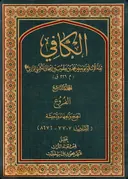
The Book of Belief and Disbelief
Fairness and Justice
16ـ عِدَّةٌ مِنْ أَصْحَابِنَا عَنْ أَحْمَدَ بْنِ مُحَمَّدِ بْنِ خَالِدٍ عَنْ إِسْمَاعِيلَ بْنِ مِهْرَانَ عَنْ عُثْمَانَ بْنِ جَبَلَةَ عَنْ أَبِي جَعْفَرٍ (عَلَيهِ السَّلام) قَالَ قَالَ رَسُولُ الله (صَلَّى اللهُ عَلَيْهِ وآلِه) ثَلاثُ خِصَالٍ مَنْ كُنَّ فِيهِ أَوْ وَاحِدَةٌ مِنْهُنَّ كَانَ فِي ظِلِّ عَرْشِ الله يَوْمَ لا ظِلَّ إِلا ظِلُّهُ رَجُلٌ أَعْطَى النَّاسَ مِنْ نَفْسِهِ مَا هُوَ سَائِلُهُمْ وَرَجُلٌ لَمْ يُقَدِّمْ رِجْلاً وَلَمْ يُؤَخِّرْ رِجْلاً حَتَّى يَعْلَمَ أَنَّ ذَلِكَ لله رِضًا وَرَجُلٌ لَمْ يَعِبْ أَخَاهُ الْمُسْلِمَ بِعَيْبٍ حَتَّى يَنْفِيَ ذَلِكَ الْعَيْبَ عَنْ نَفْسِهِ فَإِنَّهُ لا يَنْفِي مِنْهَا عَيْباً إِلا بَدَا لَهُ عَيْبٌ وَكَفَى بِالْمَرْءِ شُغُلاً بِنَفْسِهِ عَنِ النَّاسِ.
16. A number of our people have narrated from Ahmad ibn Muhammad ibn Khalid from Isma’il ibn Mehran from ‘Uthman ibn Jabalah from abu Ja’far (a.s.) who has said the following: “The Messenger of Allah has said, ‘Whoever has three things, or even one of them, will have a place under the shadow of the Throne of Allah on the Day when nothing will have any shadows (protective shelter). A man who gives to others what he asks from them, one who does not prevent another man from a forward position or move backward except after knowing that his own moving forward is what Allah wants. A Muslim does not blame his Muslim brethren for a shortcoming until he removes such shortcoming from his own self; as soon one removes one defect from his soul another shortcoming and defect emerges. To be occupied with correcting one’s own self is a full time occupation (to deal with before getting involved in people).”’
17ـ عَنْهُ عَنْ عَبْدِ الرَّحْمَنِ بْنِ حَمَّادٍ الْكُوفِيِّ عَنْ عَبْدِ الله بْنِ إِبْرَاهِيمَ الْغِفَارِيِّ عَنْ جَعْفَرِ بْنِ إِبْرَاهِيمَ الْجَعْفَرِيِّ عَنْ أَبِي عَبْدِ الله (عَلَيهِ السَّلام) قَالَ قَالَ رَسُولُ الله (صَلَّى اللهُ عَلَيْهِ وآلِه) مَنْ وَاسَى الْفَقِيرَ مِنْ مَالِهِ وَأَنْصَفَ النَّاسَ مِنْ نَفْسِهِ فَذَلِكَ الْمُؤْمِنُ حَقّاً.
17. It is narrated from him (narrator of the Hadith above) from ‘Abd al-Rahman ibn Hammad al-Kufi from ‘Abd Allah ibn Ibrahim al-Ghifari from Ja’far ibn Ibrahim al-Ja’fari from Abu ‘Abdillah (a.s.) who has said the following: “The Messenger of Allah has said, ‘Whoever comforts the poor with his property and yields to justice for people against his own soul indeed is a believer.”
18ـ مُحَمَّدُ بْنُ يَحْيَى عَنْ أَحْمَدَ بْنِ مُحَمَّدٍ عَنْ مُحَمَّدِ بْنِ سِنَانٍ عَنْ خَالِدِ بْنِ نَافِعٍ بَيَّاعِ السَّابِرِيِّ عَنْ يُوسُفَ الْبَزَّازِ قَالَ سَمِعْتُ أَبَا عَبْدِ الله (عَلَيهِ السَّلام) يَقُولُ مَا تَدَارَأَ اثْنَانِ فِي أَمْرٍ قَطُّ فَأَعْطَى أَحَدُهُمَا النَّصَفَ صَاحِبَهُ فَلَمْ يَقْبَلْ مِنْهُ إِلا أُدِيلَ مِنْهُ.
18. Muhammad ibn Yahya has narrated from Ahmad ibn Muhammad from Muhammad ibn Sinan from Khalid ibn Nafi’ Bayya’ al-Sabiri from Yusuf al- Bazzaz who has said the following: “I heard Abu ‘Abdillah (a.s.) say, ‘If two people disagree in something, one of them gives half as much to his companion, but if he would not accept, it will be compensated for him (recipient of more than half for his injustice).’”
19ـ مُحَمَّدُ بْنُ يَحْيَى عَنْ أَحْمَدَ بْنِ مُحَمَّدٍ عَنِ ابْنِ مَحْبُوبٍ عَنْ أَبِي أَيُّوبَ عَنْ مُحَمَّدِ بْنِ قَيْسٍ عَنْ أَبِي جَعْفَرٍ (عَلَيهِ السَّلام) قَالَ إِنَّ لله جَنَّةً لا يَدْخُلُهَا إِلا ثَلاثَةٌ أَحَدُهُمْ مَنْ حَكَمَ فِي نَفْسِهِ بِالْحَقِّ.
19. Muhammad ibn Yahya has narrated from Ahmad ibn Muhammad from ibn Mahbub from abu Ayyub from Muhammad ibn Qays from abu Ja’far (a.s.) who has said the following: ‘‘Allah has a paradise wherein no one is admitted except three kinds of people of whom one is he who judges himself with the truth.”
20ـ عَلِيُّ بْنُ إِبْرَاهِيمَ عَنْ أَبِيهِ عَنِ ابْنِ أَبِي عُمَيْرٍ عَنْ حَمَّادٍ عَنِ الْحَلَبِيِّ عَنْ أَبِي عَبْدِ الله (عَلَيهِ السَّلام) قَالَ الْعَدْلُ أَحْلَى مِنَ الْمَاءِ يُصِيبُهُ الظَّمْآنُ مَا أَوْسَعَ الْعَدْلَ إِذَا عُدِلَ فِيهِ وَإِنْ قَلَّ.
20. Ali ibn Ibrahim has narrated from his father from Ibn Abi ‘Umayr from Hammad from al-Halabi from Abu ‘Abdillah (a.s.) who has said the following: “Justice is sweeter than water is for a thirsty man. How vast is justice when it is practiced in an issue even though it would be very little!”
The Book of Belief and Disbelief
Independence from People
1ـ مُحَمَّدُ بْنُ يَحْيَى عَنْ أَحْمَدَ بْنِ مُحَمَّدِ بْنِ عِيسَى عَنِ الْحَسَنِ بْنِ مَحْبُوبٍ عَنْ عَبْدِ الله بْنِ سِنَانٍ عَنْ أَبِي عَبْدِ الله (عَلَيهِ السَّلام) قَالَ شَرَفُ الْمُؤْمِنِ قِيَامُ اللَّيْلِ وَعِزُّهُ اسْتِغْنَاؤُهُ عَنِ النَّاسِ.
1. Muhammad ibn Yahya has narrated from Ahmad ibn Muhammad ibn ‘Isa from al-Hassan ibn Mahbub from ‘Abd Allah ibn Sinan from Abu ‘Abdillah (a.s.) who has said the following: “The nobility of the believer is in his worship at night and his honor is in his independence from people.”
2ـ عَلِيُّ بْنُ إِبْرَاهِيمَ عَنْ أَبِيهِ وَعَلِيِّ بْنِ مُحَمَّدٍ الْقَاسَانِيِّ جَمِيعاً عَنِ الْقَاسِمِ بْنِ مُحَمَّدٍ عَنْ سُلَيْمَانَ بْنِ دَاوُدَ الْمِنْقَرِيِّ عَنْ حَفْصِ بْنِ غِيَاثٍ قَالَ قَالَ أَبُو عَبْدِ الله (عَلَيهِ السَّلام) إِذَا أَرَادَ أَحَدُكُمْ أَنْ لا يَسْأَلَ رَبَّهُ شَيْئاً إِلا أَعْطَاهُ فَلْيَيْأَسْ مِنَ النَّاسِ كُلِّهِمْ وَلا يَكُونُ لَهُ رَجَاءٌ إِلا عِنْدَ الله فَإِذَا عَلِمَ الله عَزَّ وَجَلَّ ذَلِكَ مِنْ قَلْبِهِ لَمْ يَسْأَلِ الله شَيْئاً إِلا أَعْطَاهُ.
2. Ali ibn Ibrahim has narrated from his father and Ali ibn Muhammad al-Qasani all from al-Qasim ibn Muhammad from Sulayman ibn Dawud al-Minqari from Hafs ibn Ghiyath who has said the following: “Abu ‘Abd Allah (a.s.) has said, ‘If any of you would like not to be rejected when asking his Lord (Allah) for something, you must abolish all of your hope in people and place your hope in no one except Allah. When Allah, the Most Majestic, the Most Holy, finds this in one’s heart. He then will not reject one’s prayers and grant one’s wishes.’”
3ـ وَبِهَذَا الإسْنَادِ عَنِ الْمِنْقَرِيِّ عَنْ عَبْدِ الرَّزَّاقِ عَنْ مَعْمَرٍ عَنِ الزُّهْرِيِّ عَنْ عَلِيِّ بْنِ الْحُسَيْنِ (صَلَّى اللهُ عَلَيْهِ وآلِه) قَالَ رَأَيْتُ الْخَيْرَ كُلَّهُ قَدِ اجْتَمَعَ فِي قَطْعِ الطَّمَعِ عَمَّا فِي أَيْدِي النَّاسِ وَمَنْ لَمْ يَرْجُ النَّاسَ فِي شَيْءٍ وَرَدَّ أَمْرَهُ إِلَى الله عَزَّ وَجَلَّ فِي جَمِيعِ أُمُورِهِ اسْتَجَابَ الله عَزَّ وَجَلَّ لَهُ فِي كُلِّ شَيْءٍ.
3. Through the same chain of narrators it is narrated from al-Minqari from ‘Abd al- Razzaq from Mu’ammar from al-Zuhri from Ali ibn al-Husayn (a.s.) who has said the following: “I saw all good gathered together in cutting off of yearning for what belongs to people and in not having any hope in people in anything and in leaving his affairs in the hands of Allah, the Most Majestic, the Most Holy, in all matters. Allah, the Most Majestic, the Most Holy, will answer him in all things.”
4ـ مُحَمَّدُ بْنُ يَحْيَى عَنْ أَحْمَدَ بْنِ مُحَمَّدٍ عَنْ عَلِيِّ بْنِ الْحَكَمِ عَنِ الْحُسَيْنِ بْنِ أَبِي الْعَلاءِ عَنْ عَبْدِ الأعْلَى بْنِ أَعْيَنَ قَالَ سَمِعْتُ أَبَا عَبْدِ الله (عَلَيهِ السَّلام) يَقُولُ طَلَبُ الْحَوَائِجِ إِلَى النَّاسِ اسْتِلابٌ لِلْعِزِّ وَمَذْهَبَةٌ لِلْحَيَاءِ وَالْيَأْسُ مِمَّا فِي أَيْدِي النَّاسِ عِزٌّ لِلْمُؤْمِنِ فِي دِينِهِ وَالطَّمَعُ هُوَ الْفَقْرُ الْحَاضِرُ.
4. Muhammad ibn Yahya has narrated from Ahmad ibn Muhammad from Ali ibn al-Hakam from al-Husayn ibn abu al-‘Ala’ from ‘Abd al-‘Ala’ ibn ‘A’yun who has said the following: “I heard Abu ‘Abdillah (a.s.) say, ‘Asking people for help is seeking to abolish one’s respect, as well as one’s bashfulness. Placing no hope in what is in the hands of people is dignity for a believer in his religion and greed is poverty at hand.’”
5ـ عِدَّةٌ مِنْ أَصْحَابِنَا عَنْ أَحْمَدَ بْنِ مُحَمَّدِ بْنِ خَالِدٍ عَنْ أَحْمَدَ بْنِ مُحَمَّدِ بْنِ أَبِي نَصْرٍ قَالَ قُلْتُ لأبِي الْحَسَنِ الرِّضَا (عَلَيهِ السَّلام) جُعِلْتُ فِدَاكَ اكْتُبْ لِي إِلَى إِسْمَاعِيلَ بْنِ دَاوُدَ الْكَاتِبِ لَعَلِّي أُصِيبُ مِنْهُ قَالَ أَنَا أَضَنُّ بِكَ أَنْ تَطْلُبَ مِثْلَ هَذَا وَشِبْهَهُ وَلَكِنْ عَوِّلْ عَلَى مَالِي.
5. A number of our people have narrated from Ahmad ibn Muhammad ibn Khalid from Ahmad ibn Muhammad ibn abu Nasr who has said the following: “Once I said to abu al-Hassan al-Rida (a.s.) ‘May Allah keep my soul in service for your cause, please write for me to Isma’il ibn Dawud al-Katib. 1 hope I will receive something from him.’ The Imam said, ‘I resent that you ask from him or similar persons. Allow it (financial help) to be paid from my property.’”