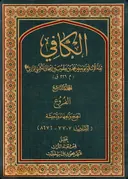
The Book of Belief and Disbelief
Roots of Disbelief
1ـ الْحُسَيْنُ بْنُ مُحَمَّدٍ عَنْ أَحْمَدَ بْنِ إِسْحَاقَ عَنْ بَكْرِ بْنِ مُحَمَّدٍ عَنْ أَبِي بَصِيرٍ قَالَ قَالَ أَبُو عَبْدِ الله (عَلَيهِ السَّلام) أُصُولُ الْكُفْرِ ثَلاثَةٌ الْحِرْصُ وَالإسْتِكْبَارُ وَالْحَسَدُ فَأَمَّا الْحِرْصُ فَإِنَّ آدَمَ (عَلَيهِ السَّلام) حِينَ نُهِيَ عَنِ الشَّجَرَةِ حَمَلَهُ الْحِرْصُ عَلَى أَنْ أَكَلَ مِنْهَا وَأَمَّا الإسْتِكْبَارُ فَإِبْلِيسُ حَيْثُ أُمِرَ بِالسُّجُودِ لآِدَمَ فَأَبَى وَأَمَّا الْحَسَدُ فَابْنَا آدَمَ حَيْثُ قَتَلَ أَحَدُهُمَا صَاحِبَهُ.
1. Al-Husayn ibn Muhammad has narrated from Ahmad ibn Ishaq from Bakr ibn Muhammad from abu Basir who has said the following: “Abu ‘Abd Allah (a.s.) has said, ‘The roots of disbelief are three: Greed, Self- aggrandizement and Envy. It was greed that led Adam to eat from the prohibited tree. It was Self-aggrandizement that led Satan to refuse prostration before Adam. Envy led one of the sons of Adam to murder his own brother.’”
2ـ عَلِيُّ بْنُ إِبْرَاهِيمَ عَنْ أَبِيهِ عَنِ النَّوْفَلِيِّ عَنِ السَّكُونِيِّ عَنْ أَبِي عَبْدِ الله (عَلَيهِ السَّلام) قَالَ قَالَ النَّبِيُّ (صَلَّى اللهُ عَلَيْهِ وآلِه) أَرْكَانُ الْكُفْرِ أَرْبَعَةٌ الرَّغْبَةُ وَالرَّهْبَةُ وَالسَّخَطُ وَالْغَضَبُ.
2. Ali ibn Ibrahim has narrated from his father from al-Nawfali from al-Sakuni from Abu ‘Abdillah (a.s.) who has said the following: “The Holy Prophet has said, ‘The pillars of disbelief are four: Greed, Fear, Resentment and Anger.’”
3ـ عِدَّةٌ مِنْ أَصْحَابِنَا عَنْ أَحْمَدَ بْنِ مُحَمَّدِ بْنِ خَالِدٍ عَنْ نُوحِ بْنِ شُعَيْبٍ عَنْ عَبْدِ الله الدِّهْقَانِ عَنْ عَبْدِ الله بْنِ سِنَانٍ عَنْ أَبِي عَبْدِ الله (عَلَيهِ السَّلام) قَالَ قَالَ رَسُولُ الله (صَلَّى اللهُ عَلَيْهِ وآلِه) إِنَّ أَوَّلَ مَا عُصِيَ الله عَزَّ وَجَلَّ بِهِ سِتٌّ حُبُّ الدُّنْيَا وَحُبُّ الرِّئَاسَةِ وَحُبُّ الطَّعَامِ وَحُبُّ النَّوْمِ وَحُبُّ الرَّاحَةِ وَحُبُّ النِّسَاءِ.
3. A number of our people have narrated from Ahmad ibn Muhammad ibn Khalid from Nuh ibn Shu’ayb from ‘Abd Allah al-Dehqan from ‘Abd Allah ibn Sinan from Abu ‘Abdillah (a.s.) who has said the following: “The Messenger of Allah has said, ‘The things with which Allah was disobeyed first were six: Love of the worldly things, Love to be the leader, Love for food, Love to sleep, Love for comfort and Love of women (to such extremes that may lead one to sins).”’
4ـ مُحَمَّدُ بْنُ يَحْيَى عَنْ أَحْمَدَ بْنِ مُحَمَّدٍ عَنْ مُحَمَّدِ بْنِ سِنَانٍ عَنْ طَلْحَةَ بْنِ زَيْدٍ عَنْ أَبِي عَبْدِ الله (عَلَيهِ السَّلام) أَنَّ رَجُلاً مِنْ خَثْعَمٍ جَاءَ إِلَى النَّبِيِّ (صَلَّى اللهُ عَلَيْهِ وآلِه) فَقَالَ أَيُّ الأعْمَالِ أَبْغَضُ إِلَى الله عَزَّ وَجَلَّ فَقَالَ الشِّرْكُ بِالله قَالَ ثُمَّ مَا ذَا قَالَ قَطِيعَةُ الرَّحِمِ قَالَ ثُمَّ مَا ذَا قَالَ الأمْرُ بِالْمُنْكَرِ وَالنَّهْيُ عَنِ الْمَعْرُوفِ.
4. Muhammad ibn Yahya has narrated from Ahmad ibn Muhammad from Muhammad ibn Sinan from Talhah ibn Zayd from Abu ‘Abdillah (a.s.) who has said the following: “Once a man from Khath’am (a tribe) came to the Holy Prophet and asked, ‘Which of the acts is more resented in the sight of Allah, the Most Majestic, the Most Holy?’ The Messenger of Allah said, ‘Considering things as partners of Allah.’ The man asked, then what is more resented?’ The Messenger of Allah said, ‘Disregard of maintaining good relations with relatives.’ The man asked, ‘Then what is more resented?’ The Messenger of Allah said, ‘Commanding others to commit unlawful acts and prohibiting them to perform obligatory ones.’”
5ـ عَلِيُّ بْنُ إِبْرَاهِيمَ عَنْ أَبِيهِ عَنِ ابْنِ أَبِي عُمَيْرٍ عَنْ حَسَنِ بْنِ عَطِيَّةَ عَنْ يَزِيدَ الصَّائِغِ قَالَ قُلْتُ لأبِي عَبْدِ الله (عَلَيهِ السَّلام) رَجُلٌ عَلَى هَذَا الأمْرِ إِنْ حَدَّثَ كَذَبَ وَإِنْ وَعَدَ أَخْلَفَ وَإِنِ ائْتُمِنَ خَانَ مَا مَنْزِلَتُهُ قَالَ هِيَ أَدْنَى الْمَنَازِلِ مِنَ الْكُفْرِ وَلَيْسَ بِكَافِرٍ.
5. Ali ibn Ibrahim has narrated from his father from Ibn Abi ‘Umayr from Hassan ibn ‘Atiyyah from Yazid al-Sa’igh who has said the following: “Once I said to Abu ‘Abdillah (a.s.) ‘A man who is in this cause (belief of Shi’a Muslims), but the words he speaks are lies, disregards his promise, and violates his trust. What is his value?’ The Imam said, ‘It is very close to disbelief but he is not an unbeliever.’”
6ـ عَلِيُّ بْنُ إِبْرَاهِيمَ عَنْ أَبِيهِ عَنِ النَّوْفَلِيِّ عَنِ السَّكُونِيِّ عَنْ أَبِي عَبْدِ الله (عَلَيهِ السَّلام) قَالَ قَالَ رَسُولُ الله (صَلَّى اللهُ عَلَيْهِ وآلِه) مِنْ عَلامَاتِ الشَّقَاءِ جُمُودُ الْعَيْنِ وَقَسْوَةُ الْقَلْبِ وَشِدَّةُ الْحِرْصِ فِي طَلَبِ الدُّنْيَا وَالإصْرَارُ عَلَى الذَّنْبِ.
6. Ali ibn Ibrahim has narrated from his father from al-Nawfali from al-Sakuni from Abu ‘Abdillah (a.s.) who has said the following: “The Messenger of Allah has said, ‘Among the signs of wickedness is piercing eyes (devoid of bashfulness), hardheartedness, intense greed for worldly gains and persistence in sins.’”
7ـ عَلِيُّ بْنُ إِبْرَاهِيمَ عَنْ أَبِيهِ عَنْ عَلِيِّ بْنِ أَسْبَاطٍ عَنْ دَاوُدَ بْنِ النُّعْمَانِ عَنْ أَبِي حَمْزَةَ عَنْ أَبِي جَعْفَرٍ (عَلَيهِ السَّلام) قَالَ خَطَبَ رَسُولُ الله (صَلَّى اللهُ عَلَيْهِ وآلِه) النَّاسَ فَقَالَ أَ لا أُخْبِرُكُمْ بِشِرَارِكُمْ قَالُوا بَلَى يَا رَسُولَ الله قَالَ الَّذِي يَمْنَعُ رِفْدَهُ وَيَضْرِبُ عَبْدَهُ وَيَتَزَوَّدُ وَحْدَهُ فَظَنُّوا أَنَّ الله لَمْ يَخْلُقْ خَلْقاً هُوَ شَرٌّ مِنْ هَذَا ثُمَّ قَالَ أَ لا أُخْبِرُكُمْ بِمَنْ هُوَ شَرٌّ مِنْ ذَلِكَ قَالُوا بَلَى يَا رَسُولَ الله قَالَ الَّذِي لا يُرْجَى خَيْرُهُ وَلا يُؤْمَنُ شَرُّهُ فَظَنُّوا أَنَّ الله لَمْ يَخْلُقْ خَلْقاً هُوَ شَرٌّ مِنْ هَذَا ثُمَّ قَالَ أَ لا أُخْبِرُكُمْ بِمَنْ هُوَ شَرٌّ مِنْ ذَلِكَ قَالُوا بَلَى يَا رَسُولَ الله قَالَ الْمُتَفَحِّشُ اللَّعَّانُ الَّذِي إِذَا ذُكِرَ عِنْدَهُ الْمُؤْمِنُونَ لَعَنَهُمْ وَإِذَا ذَكَرُوهُ لَعَنُوهُ.
7. Ali ibn Ibrahim has narrated from his father from Ali ibn Asbat from Dawud b al-Nu’man from abu Hamza from abu Ja’far (a.s.) who has said the following: “Once the Messenger of Allah addressed the people and asked, ‘Should I tell you about the wicked ones among you?’ They said, ‘Yes, O Messenger of Allah, please do so.’ The Messenger of Allah said, ‘They are those of you who refuse to make any gifts (to anyone), beat up their slaves and supplies just his own self. ’ They thought that Allah has not created any creature most wicked than such person. “Then the Messenger of Allah said, ‘Should I tell who is most wicked than he?’ They said, ‘Yes, O Messenger of Allah, please do so.’ The Messenger of Allah said, ‘Most wicked than he is one from whom no good can be expected and from whose evil people do not feel safe.’ They thought that Allah has not created anyone most wicked than he. “The Messenger of Allah then said, ‘Should I tell who is most wicked than he?’ They said, ‘Yes, O Messenger of Allah, please do so.’ The Messenger of Allah said, ‘He is a foulmouthed, profane person. When believers are mentioned before him, he abuses them and, when he is mentioned before the believers, they condemn him.’”
8ـ عِدَّةٌ مِنْ أَصْحَابِنَا عَنْ سَهْلِ بْنِ زِيَادٍ عَنْ بَعْضِ أَصْحَابِهِ عَنْ عَبْدِ الله بْنِ سِنَانٍ عَنْ أَبِي عَبْدِ الله (عَلَيهِ السَّلام) قَالَ قَالَ رَسُولُ الله (صَلَّى اللهُ عَلَيْهِ وآلِه) ثَلاثٌ مَنْ كُنَّ فِيهِ كَانَ مُنَافِقاً وَإِنْ صَامَ وَصَلَّى وَزَعَمَ أَنَّهُ مُسْلِمٌ مَنْ إِذَا ائْتُمِنَ خَانَ وَإِذَا حَدَّثَ كَذَبَ وَإِذَا وَعَدَ أَخْلَفَ إِنَّ الله عَزَّ وَجَلَّ قَالَ فِي كِتَابِهِ إِنَّ الله لا يُحِبُّ الْخائِنِينَ وَقَالَ أَنَّ لَعْنَتَ الله عَلَيْهِ إِنْ كانَ مِنَ الْكاذِبِينَ وَفِي قَوْلِهِ عَزَّ وَجَلَّ وَاذْكُرْ فِي الْكِتابِ إِسْماعِيلَ إِنَّهُ كانَ صادِقَ الْوَعْدِ وَكانَ رَسُولاً نَبِيًّا.
8. A number of our people have narrated from Sahl ibn Ziyad from certain individuals of his people from ‘Abd Allah ibn Sinan from Abu ‘Abdillah (a.s.) who has said the following: “The Messenger of Allah has said, ‘There are three things that on being found in a person prove him to be a hypocrite, even though he may fast, pray and think that he is a Muslim: Violation of trust when he is thought of as trustworthy, lying in one’s words and disregard of one’s promises. Allah, the Most Majestic, the Most Holy, has said in His book, ‘. . . Allah does not love the treacherous ones’, (8:58) also in His words, ‘. . . let Allah’s condemnation be upon him if he lies’ (24:7), and in the words of Allah, the Most Majestic, the Most Holy, ‘Mention in the Book (the Quran) the story of Ishmael; he was true to his promise, a Messenger and a Prophet.’” (19:54)
9ـ عَلِيُّ بْنُ إِبْرَاهِيمَ عَنْ مُحَمَّدِ بْنِ عِيسَى عَنْ يُونُسَ عَنْ بَعْضِ أَصْحَابِهِ عَنْ أَبِي عَبْدِ الله (عَلَيهِ السَّلام) قَالَ قَالَ رَسُولُ الله (صَلَّى اللهُ عَلَيْهِ وآلِه) أَ لا أُخْبِرُكُمْ بِأَبْعَدِكُمْ مِنِّي شَبَهاً قَالُوا بَلَى يَا رَسُولَ الله قَالَ الْفَاحِشُ الْمُتَفَحِّشُ الْبَذِيءُ الْبَخِيلُ الْمُخْتَالُ الْحَقُودُ الْحَسُودُ الْقَاسِي الْقَلْبِ الْبَعِيدُ مِنْ كُلِّ خَيْرٍ يُرْجَى غَيْرُ الْمَأْمُونِ مِنْ كُلِّ شَرٍّ يُتَّقَى.
9. Ali ibn Ibrahim has narrated from Muhammad ibn ‘Isa from Yunus from certain individuals of his people from Abu ‘Abdillah (a.s.) who has said the following: “The Messenger of Allah once asked, ‘Should I tell you who is more dissimilar to me among you?’ They said, ‘Yes, O Messenger of Allah, please do so.’ The Messenger of Allah said, ‘He is an indecent, scandalous one, foulmouthed, stingy, deceitful, hateful, envious, and hardhearted who is far from being expected to do any good, and from whom all kinds of frightening evil is expected to emerge.’”
10ـ الْحُسَيْنُ بْنُ مُحَمَّدٍ عَنْ مُعَلَّى بْنِ مُحَمَّدٍ عَنْ مَنْصُورِ بْنِ الْعَبَّاسِ عَنْ عَلِيِّ بْنِ أَسْبَاطٍ رَفَعَهُ إِلَى سَلْمَانَ قَالَ إِذَا أَرَادَ الله عَزَّ وَجَلَّ هَلاكَ عَبْدٍ نَزَعَ مِنْهُ الْحَيَاءَ فَإِذَا نَزَعَ مِنْهُ الْحَيَاءَ لَمْ تَلْقَهُ إِلا خَائِناً مَخُوناً فَإِذَا كَانَ خَائِناً مَخُوناً نُزِعَتْ مِنْهُ الأمَانَةُ فَإِذَا نُزِعَتْ مِنْهُ الأمَانَةُ لَمْ تَلْقَهُ إِلا فَظّاً غَلِيظاً فَإِذَا كَانَ فَظّاً غَلِيظاً نُزِعَتْ مِنْهُ رِبْقَةُ الإيمَانِ فَإِذَا نُزِعَتْ مِنْهُ رِبْقَةُ الإيمَانِ لَمْ تَلْقَهُ إِلا شَيْطَاناً مَلْعُوناً.
10. Al-Husayn ibn Muhammad has narrated from Mu’alla ibn Muhammad from Mansur ibn al-‘Abbas from Ali ibn Asbat in a marfu’ manner from Salman who has said the following: “When Allah, the Most Majestic, the Most Holy, wants to destroy a person He removes bashfulness from him. When bashfulness is removed, you will not find anything in him but deceit and causing deception. When one is deceitful and deceptive, no one trusts him and when he can no longer be trusted you will not find him anything but an intensely harsh tempered one. When one is intensely harsh tempered the harness of belief is removed from him and when the harness of belief is removed from him you will find him to be nothing else but a condemned Satan.”