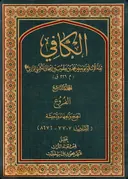
The Book about people with Divine Authority
Knowing the Imam (a.s.) and Belief in His Divine Authority
9ـ الْحُسَيْنُ بْنُ مُحَمَّدٍ عَنْ مُعَلَّى بْنِ مُحَمَّدٍ عَنْ مُحَمَّدِ بْنِ جُمْهُورٍ عَنْ عَبْدِ الله بْنِ عَبْدِ الرَّحْمَنِ عَنِ الْهَيْثَمِ بْنِ وَاقِدٍ عَنْ مُقَرِّنٍ قَالَ سَمِعْتُ أَبَا عَبْدِ الله (عَلَيْهِ السَّلام) يَقُولُ جَاءَ ابْنُ الْكَوَّاءِ إِلَى أَمِيرِ الْمُؤْمِنِينَ (عَلَيْهِ السَّلام) فَقَالَ يَا أَمِيرَ الْمُؤْمِنِينَ وَعَلَى الاعْرافِ رِجالٌ يَعْرِفُونَ كُلاً بِسِيماهُمْ فَقَالَ نَحْنُ عَلَى الاعْرَافِ نَعْرِفُ أَنْصَارَنَا بِسِيمَاهُمْ وَنَحْنُ الاعْرَافُ الَّذِي لا يُعْرَفُ الله عَزَّ وَجَلَّ إِلا بِسَبِيلِ مَعْرِفَتِنَا وَنَحْنُ الاعْرَافُ يُعَرِّفُنَا الله عَزَّ وَجَلَّ يَوْمَ الْقِيَامَةِ عَلَى الصِّرَاطِ فَلا يَدْخُلُ الْجَنَّةَ إِلا مَنْ عَرَفَنَا وَعَرَفْنَاهُ وَلا يَدْخُلُ النَّارَ إِلا مَنْ أَنْكَرَنَا وَأَنْكَرْنَاهُ إِنَّ الله تَبَارَكَ وَتَعَالَى لَوْ شَاءَ لَعَرَّفَ الْعِبَادَ نَفْسَهُ وَلَكِنْ جَعَلَنَا أَبْوَابَهُ وَصِرَاطَهُ وَسَبِيلَهُ وَالْوَجْهَ الَّذِي يُؤْتَى مِنْهُ فَمَنْ عَدَلَ عَنْ وَلايَتِنَا أَوْ فَضَّلَ عَلَيْنَا غَيْرَنَا فَإِنَّهُمْ عَنِ الصِّرَاطِ لَنَاكِبُونَ فَلا سَوَاءٌ مَنِ اعْتَصَمَ النَّاسُ بِهِ وَلا سَوَاءٌ حَيْثُ ذَهَبَ النَّاسُ إِلَى عُيُونٍ كَدِرَةٍ يَفْرَغُ بَعْضُهَا فِي بَعْضٍ وَذَهَبَ مَنْ ذَهَبَ إِلَيْنَا إِلَى عُيُونٍ صَافِيَةٍ تَجْرِي بِأَمْرِ رَبِّهَا لا نَفَادَ لَهَا وَلا انْقِطَاعَ.
9. Al-Husayn ibn Muhammad has narrated from Mu‘alla ibn Muhammad from Muhammad ibn Jumhur from ‘Abdallah ibn ‘Abd al-Rahman from al-Haytham ibn Waqid from Muqrin who has said the following. “I heard abu ‘Abdallah (a.s.) saying, ‘Ibn al-Kawwa came to Amir al-Mu’minin (a.s.) and asked, “O Amir al-Mu’minin,(what do you say about; “There will be people on the Heights who know everyone by their faces . .” (7:46). The Imam said, “we will be on the Heights. We will recognize our supporters from their faces. We are the Heights without whose knowing there is no other way to know Allah, the Most Holy, the Most High. We are the Heights that Allah on the Day of Judgment will make known to everyone on the bridge. No one will enter paradise without knowing us and our knowing them. No one will enter hell except those would not know us and we will ignore them. If Allah, the Most Holy, the Most High, would want to let people know Him He may do so but He has made us the door to knowing Him, the bridge, the path and the aspect to Him. Whoever would deviate from our authority and guardianship or would consider others more excellent than us such people will down off the bridge. People are the same in following guidance. They are not equal with those who have found the sparkling fountains with those who have gathered around polluted waters that fall over other such waters. Such are not equal with those who have found the sparkling fountains that flow by the order of the Lord without ceasing and reduction.”
10ـ الْحُسَيْنُ بْنُ مُحَمَّدٍ عَنْ مُعَلَّى بْنِ مُحَمَّدٍ عَنْ عَلِيِّ بْنِ مُحَمَّدٍ عَنْ بَكْرِ بْنِ صَالِحٍ عَنِ الرَّيَّانِ بْنِ شَبِيبٍ عَنْ يُونُسَ عَنْ أَبِي أَيُّوبَ الْخَزَّازِ عَنْ أَبِي حَمْزَةَ قَالَ قَالَ أَبُو جَعْفَرٍ (عَلَيْهِ السَّلام) يَا أَبَا حَمْزَةَ يَخْرُجُ أَحَدُكُمْ فَرَاسِخَ فَيَطْلُبُ لِنَفْسِهِ دَلِيلاً وَأَنْتَ بِطُرُقِ السَّمَاءِ أَجْهَلُ مِنْكَ بِطُرُقِ الارْضِ فَاطْلُبْ لِنَفْسِكَ دَلِيلاً.
10. Al-Husayn ibn Muhammad has narrated from Mu‘alla ibn Muhammad from Ali ibn Muhammad from Bakr ibn Salih from al-Rayyan ibn Shabib from Yunus from Abu Ayyub al-Khazzaz from Abu Hamza, he said: Abu Ja’far (a.s.) said: “O Abu Hamza, when one of you decides to travel for just a few miles, he first finds a guide and direction for himself. Your knowledge of the paths of the heavens is much less than your knowledge of the paths of earth. You must find a guide for yourself.”
11ـ عَلِيُّ بْنُ إِبْرَاهِيمَ عَنْ مُحَمَّدِ بْنِ عِيسَى عَنْ يُونُسَ عَنْ أَيُّوبَ بْنِ الْحُرِّ عَنْ أَبِي بَصِيرٍ عَنْ أَبِي عَبْدِ الله (عَلَيْهِ السَّلام) فِي قَوْلِ الله عَزَّ وَجَلَّ وَمَنْ يُؤْتَ الْحِكْمَةَ فَقَدْ أُوتِيَ خَيْراً كَثِيراً فَقَالَ طَاعَةُ الله وَمَعْرِفَةُ الامَامِ.
11. Ali ibn Ibrahim has narrated from Muhammad ibn ‘Isa from Yunus from Ayyub al-Hurr from abu Basir from Imam abu ‘Abdallah (a.s.) who has said the following about the words of Allah ‘Whoever is given wisdom he has received a great deal of goodness’ (2:273) “It means obedience to Allah and knowin who one’s Imam is.”
12ـ مُحَمَّدُ بْنُ يَحْيَى عَنْ عَبْدِ الله بْنِ مُحَمَّدٍ عَنْ عَلِيِّ بْنِ الْحَكَمِ عَنْ أَبَانٍ عَنْ أَبِي بَصِيرٍ قَالَ قَالَ لِي أَبُو جَعْفَرٍ (عَلَيْهِ السَّلام) هَلْ عَرَفْتَ إِمَامَكَ قَالَ قُلْتُ إِي وَالله قَبْلَ أَنْ أَخْرُجَ مِنَ الْكُوفَةِ فَقَالَ حَسْبُكَ إِذاً.
12. Muhammad ibn Yahya has narrated from ‘Abdallah ibn Muhammad from Ali ibn al-Hakam from aban from abu Basir saying that Imam abu Ja’far‘far (a.s.) said to him the following. “Have you found out who your Imam is?” I said, “Yes, I swear by Allah, I did so before I left Kufa.” The Imam (a.s.) said, “Then it is sufficient for you.”
13ـ مُحَمَّدُ بْنُ يَحْيَى عَنْ أَحْمَدَ بْنِ مُحَمَّدٍ عَنْ مُحَمَّدِ بْنِ إِسْمَاعِيلَ عَنْ مَنْصُورِ بْنِ يُونُسَ عَنْ بُرَيْدٍ قَالَ سَمِعْتُ أَبَا جَعْفَرٍ (عَلَيْهِ السَّلام) يَقُولُ فِي قَوْلِ الله تَبَارَكَ وَتَعَالَى أَ وَمَنْ كانَ مَيْتاً فَأَحْيَيْناهُ وَجَعَلْنا لَهُ نُوراً يَمْشِي بِهِ فِي النَّاسِ فَقَالَ مَيْتٌ لا يَعْرِفُ شَيْئاً وَنُوراً يَمْشِي بِهِ فِي النَّاسِ إِمَاماً يُؤْتَمُّ بِهِ كَمَنْ مَثَلُهُ فِي الظُّلُماتِ لَيْسَ بِخارِجٍ مِنْها قَالَ الَّذِي لا يَعْرِفُ الامَامَ.
13. Muhammad ibn Yahya has narrated from ahmad ibn Muhammad from Muhammad ibn Isma‘il from Mansur ibn Yunus from Burayd who has said that he heard Imam abu Ja’far (a.s.) said the following about the words of Allah, “Can the dead to whom We have given life and light so that they may walk among the people, be considered equal to those who can never come out of darkness?” (6:122) The dead do not understand anything ‘The light by the help of which they walk’ is the Imam that they follow.’ “be considered equal to those who can never come out of darkness” applies to those who do not know who their Imam is.”
14ـ الْحُسَيْنُ بْنُ مُحَمَّدٍ عَنْ مُعَلَّى بْنِ مُحَمَّدٍ عَنْ مُحَمَّدِ بْنِ أُورَمَةَ وَمُحَمَّدِ بْنِ عَبْدِ الله عَنْ عَلِيِّ بْنِ حَسَّانَ عَنْ عَبْدِ الرَّحْمَنِ بْنِ كَثِيرٍ عَنْ أَبِي عَبْدِ الله (عَلَيْهِ السَّلام) قَالَ قَالَ أَبُو جَعْفَرٍ (عَلَيْهِ السَّلام) دَخَلَ أَبُو عَبْدِ الله الْجَدَلِيُّ عَلَى أَمِيرِ الْمُؤْمِنِينَ فَقَالَ (عَلَيْهِ السَّلام) يَا أَبَا عَبْدِ الله أَ لا أُخْبِرُكَ بِقَوْلِ الله عَزَّ وَجَلَّ مَنْ جاءَ بِالْحَسَنَةِ فَلَهُ خَيْرٌ مِنْها وَهُمْ مِنْ فَزَعٍ يَوْمَئِذٍ آمِنُونَ. وَمَنْ جاءَ بِالسَّيِّئَةِ فَكُبَّتْ وُجُوهُهُمْ فِي النَّارِ هَلْ تُجْزَوْنَ إِلا ما كُنْتُمْ تَعْمَلُونَ قَالَ بَلَى يَا أَمِيرَ الْمُؤْمِنِينَ جُعِلْتُ فِدَاكَ فَقَالَ الْحَسَنَةُ مَعْرِفَةُ الْوَلايَةِ وَحُبُّنَا أَهْلَ الْبَيْتِ وَالسَّيِّئَةُ إِنْكَارُ الْوَلايَةِ وَبُغْضُنَا أَهْلَ الْبَيْتِ ثُمَّ قَرَأَ عَلَيْهِ هَذِهِ الايَةَ.
14. Al-Husayn ibn Muhammad has narrated from Mu‘alla ibn Muhammad from Muhammad ibn ’warma and Muhammad ibn ‘Abdallah from Ali ibn Hassan from ‘Abd al-Rahman ibn Kathir from Imam abu ‘Abdallah (a.s.) who has said the following. “Imam abu Ja’far (a.s.) has said, ‘Abu ‘Abdallah al-Jadali once came to Amir al-Mu’minin (a.s.). Amir al-mu’minin said to him, “O abu ‘Abdallah may I say something to you about the words of Allah, ‘Whoever does a good deed will receive a better reward than what he has done. He will be secure from the terror of the Day of Judgment (27:89). Those who commit evil will be thrown headlong into hell fire. (It will be said to them) can you expect any recompense other than what you deserve for your deeds?’ (27:90) The man said, “yes, O Amir al-Mu’minin, please tell me, may Allah take my soul in service for your cause.” Amir al-Mu’mini said, “A good deed means is to acknowledge our Divine authority and have our love in one’s heart. Evil means denying our Divine authority and harboring in one’s heart hatered towards us.” Amir al-Mu’minin (a.s.) then read the verses to him.
The Book about people with Divine Authority
The obligation to obey the Imams (a.s.)
1ـ عَلِيُّ بْنُ إِبْرَاهِيمَ عَنْ أَبِيهِ عَنْ حَمَّادِ بْنِ عِيسَى عَنْ حَرِيزٍ عَنْ زُرَارَةَ عَنْ ابي جعفر (عَلَيْهِ السَّلام) قَالَ ذِرْوَةُ الامْرِ وَسَنَامُهُ وَمِفْتَاحُهُ وَبَابُ الاشْيَاءِ وَرِضَا الرَّحْمَنِ تَبَارَكَ وَتَعَالَى الطَّاعَةُ لِلامَامِ بَعْدَ مَعْرِفَتِهِ ثُمَّ قَالَ إِنَّ الله تَبَارَكَ وَتَعَالَى يَقُولُ مَنْ يُطِعِ الرَّسُولَ فَقَدْ أَطاعَ الله وَمَنْ تَوَلَّى فَما أَرْسَلْناكَ عَلَيْهِمْ حَفِيظاً.
1. Ali ibn Ibrahim has narrated from his father from Hammad ibn ‘Isa from Hariz from Zurara from abu Ja‘far (a.s.) who has said the following. “The top most matter (in religion) the most noble, the key issue, the gateway to all affairs and the pleasure of the Most Beneficent , the Most Holy, the Most High, is obedience to the Imam after finding out who the Imam is.” The Imam (a.s.) then said, “Allah, the Most Holy, the Most High, has said, ‘One who obeys the Messenger has certainly obeyed God. You have not been sent to watch over those who turn away from you (4:80)’”
2ـ الْحُسَيْنُ بْنُ مُحَمَّدٍ الاشْعَرِيُّ عَنْ مُعَلَّى بْنِ مُحَمَّدٍ عَنِ الْحَسَنِ بْنِ عَلِيٍّ الْوَشَّاءِ عَنْ أَبَانِ بْنِ عُثْمَانَ عَنْ أَبِي الصَّبَّاحِ قَالَ أَشْهَدُ أَنِّي سَمِعْتُ أَبَا عَبْدِ الله (عَلَيْهِ السَّلام) يَقُولُ أَشْهَدُ أَنَّ عَلِيّاً إِمَامٌ فَرَضَ الله طَاعَتَهُ وَأَنَّ الْحَسَنَ إِمَامٌ فَرَضَ الله طَاعَتَهُ وَأَنَّ الْحُسَيْنَ إِمَامٌ فَرَضَ الله طَاعَتَهُ وَأَنَّ عَلِيَّ بْنَ الْحُسَيْنِ إِمَامٌ فَرَضَ الله طَاعَتَهُ وَأَنَّ مُحَمَّدَ بْنَ عَلِيٍّ إِمَامٌ فَرَضَ الله طَاعَتَهُ.
2. Al-Husayn ibn Muhammad al-Ash‘ari has narrated from Mu‘alla ibn Muhammad from al-Hassan ibn Ali al-Washsha from Aban ibn ‘Uthman from abu al-Sabah who has said that he heard Imam abu ‘Abdallah (a.s.) saying, “I testify that Amir al-Mu’minin (a.s.) is the Imam obedience to whom is obligatory by the command of Allah, that al-Hassan (a.s.) is the Imam obedience to whom is obligatory by the command of Allah, that al-Husayn is the Imam obedience to whom is obligatory by the command of Allah, that Ali ibn al-Husayn is the Imam obedience to whom is obligatory by the command of Allah and that Muhammad ibn Ali is the Imam obedience to whom is obligatory by the command of Allah.”
3ـ وَبِهَذَا الاسْنَادِ عَنْ مُعَلَّى بْنِ مُحَمَّدٍ عَنِ الْحَسَنِ بْنِ عَلِيٍّ قَالَ حَدَّثَنَا حَمَّادُ بْنُ عُثْمَانَ عَنْ بَشِيرٍ الْعَطَّارِ قَالَ سَمِعْتُ أَبَا عَبْدِ الله (عَلَيْهِ السَّلام) يَقُولُ نَحْنُ قَوْمٌ فَرَضَ الله طَاعَتَنَا وَأَنْتُمْ تَأْتَمُّونَ بِمَنْ لا يُعْذَرُ النَّاسُ بِجَهَالَتِهِ.
3. Through the same chain of narrators it is narrated from Mu‘alla ibn Muhammad from al-Hassan ibn Ali who has said that Hammad ibn ‘Uthman narrated to us from Bashir al-‘Attar who has said that he heard Imam abu ‘Abdallah (a.s.) saying, “We are the people obedience to whom is obligatory by the command of Allah and you follow those that people’s responsibility to obey them does not cease because of ignorance and not knowing them.”
4ـ مُحَمَّدُ بْنُ يَحْيَى عَنْ أَحْمَدَ بْنِ مُحَمَّدٍ عَنِ الْحُسَيْنِ بْنِ سَعِيدٍ عَنْ حَمَّادِ بْنِ عِيسَى عَنِ الْحُسَيْنِ بْنِ الْمُخْتَارِ عَنْ بَعْضِ أَصْحَابِنَا عَنْ ابي جعفر (عَلَيْهِ السَّلام) فِي قَوْلِ الله عَزَّ وَجَلَّ وَآتَيْناهُمْ مُلْكاً عَظِيماً قَالَ الطَّاعَةُ الْمَفْرُوضَةُ.
4. Muhammad ibn Yahya has narrated from Ahmad ibn Muhammad from al-Husayn ibn Sa‘id from Hammad ibn ‘Isa from al-Husayn ibn al-Mukhtar from some of our people, from Abu Ja’far (a.s.) regarding the words of Allah, the Most Holy, the Most High, “We gave them a great kingdom” (4:54): it means the obedience that is obligatory.”